Preschool Cleanup: 5 Smart Ways to Save Work and Move On
Prepare a predictable handoff from play to the next activity with a return basket, a place to save work and a destination children can find.
A block road often looks most interesting just when everyone has to leave it. At that moment, preschool cleanup asks a child to interrupt a plan, put several kinds of objects away and work out where to go next. That is a lot of information to deliver by calling across a room. Try making the handoff visible instead. A small save tray, a picture of the next activity and a reachable shelf can each do a different job. Three existing printables offer optional rehearsals for noticing destinations and deciding what goes where.
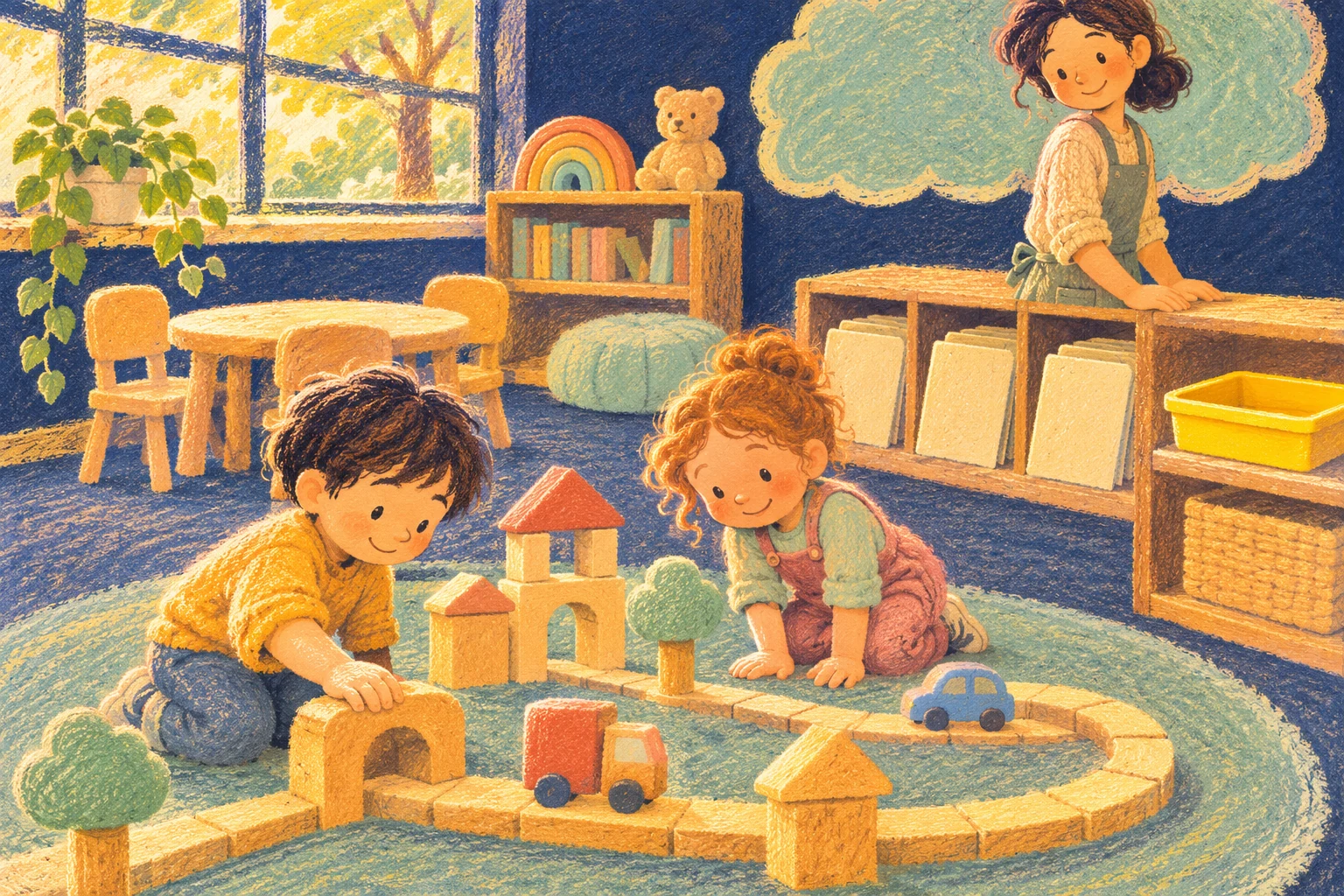
The floor-level scene shows how an adult can stay available while children finish a last action.
What the child is actually leaving behind
If a child says, “I’m still building a tunnel,” you have learned something about the job. They may understand that the group is moving and still want their idea to survive. A road built from twenty blocks cannot always stay on a busy rug. One bridge piece or a quick sketch can preserve the part they care about. Agree on when it can reasonably be revisited and follow through. If you cannot predict a return, explain what can be kept without offering a particular time.
Teachers do not need a separate rule for every object. Start with three places children can see: a return basket, a temporary tray and the destination for the next activity. A shallow tray is for lightweight work that fits and can be moved safely. A sprawling construction may need an adult drawing or description instead. Decide who clears the tray and when, so “save” has a real meaning.
Five preschool cleanup moves you can teach in order
1. Get the next place ready before calling the group
Find out where children will go, who will greet them and what they can do when they arrive. If everyone has to stand and wait while books are being retrieved, the exit routine produces a new difficulty. An adult at the rug can welcome two children with a book to look at while another adult supports the return of materials.
Choose one visible picture or object for this transition. A familiar open book can cue a story when a printed schedule is too abstract. Explain the cue during an ordinary calm moment. The NAEYC guidance on helping young children with transitions discusses preparation, predictable signals and visual reminders. A local cue still needs to fit the room, the learners and what will happen after it is shown.
2. Give an advance cue and name the last action
“After you park the truck, we are going to the rug” is a concrete preview. The event is recognizable even to a child who cannot estimate how long two minutes lasts. If a visual timer is familiar and helpful, use it alongside the action. Avoid adding a second countdown that changes the expected finish.
When a child is still considering what to save, show where the work can go. An adult can bring the tray closer rather than ask the child to carry a wide arrangement across a crowded path. Say which part can fit and invite the child to point. There is no requirement to explain an engineering plan while other children are moving around them.
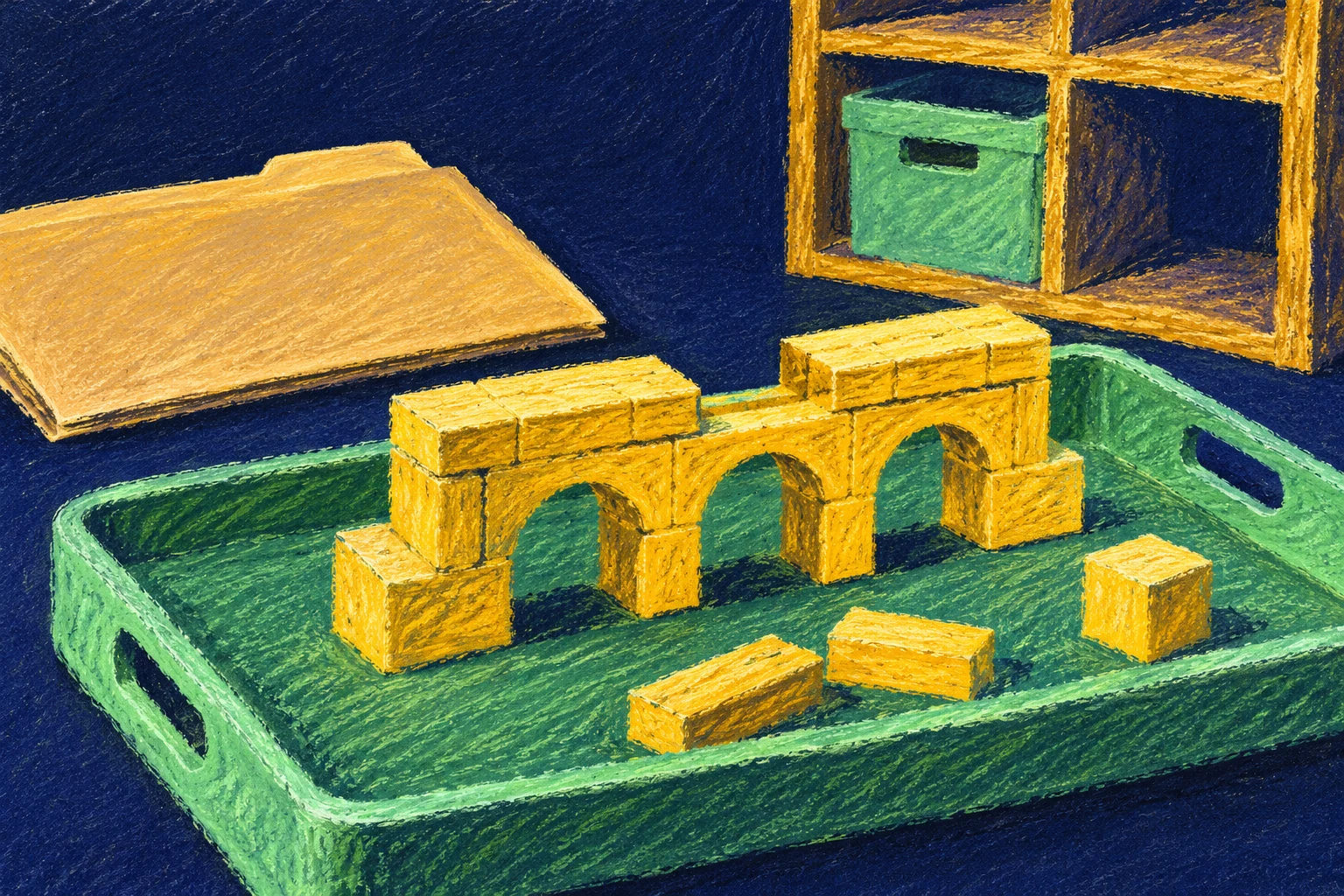
A lightweight tray can preserve a small building feature until play resumes.
3. Split saving an idea from sorting materials
What belongs in the tray and what belongs in the bin are different decisions. Ask the builder which feature is important to remember. Beside that conversation, offer a straightforward return job such as placing a loose rectangular block with others that have the same shelf picture. A child may be able to complete one return before joining the next activity, with the adult handling the rest.
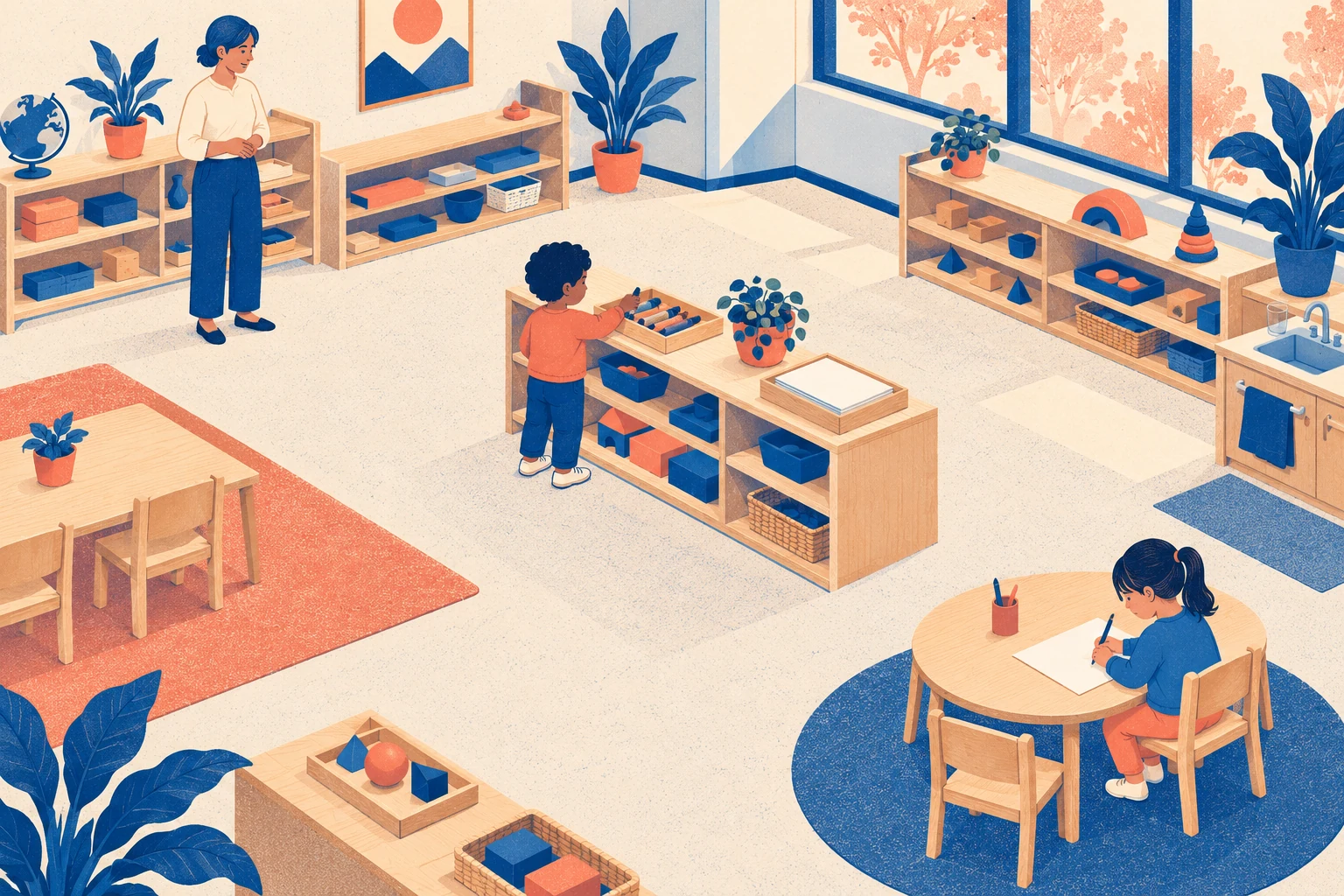
Use Mixed Shelf Detective: 6 Brilliant Label Checks at a separate small group to rehearse consulting a label. Each printed row has a group name and asks the learner to find the picture that does not belong. Read the name aloud for children who do not yet read it. At the actual shelf, switch the question: “Which basket matches this block?” You are adapting the habit of checking a label. The printed page is an odd-one-out activity, not a shelf label kit.
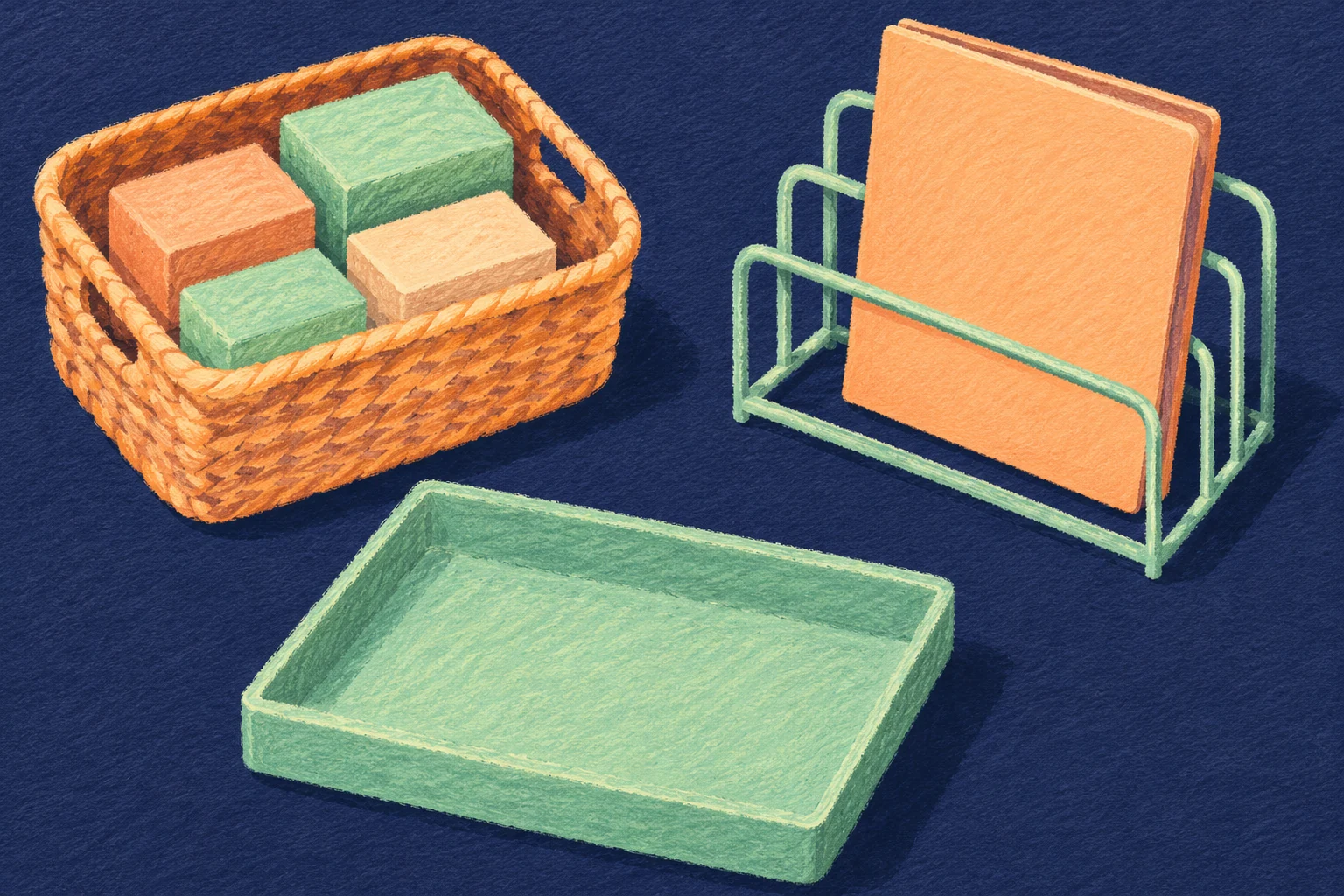
The three storage objects represent distinct destinations an adult can demonstrate.
4. Point out the destination at the moment it is needed
A transition route can be very short: return the folder at the low shelf and then meet the adult at the carpet. Walk it together while the classroom is quiet. Think about whether children can see the shelf from their working places and whether the path allows walking aids or comfortable adult assistance. Keep the first destination the same while practising. Add a choice of carpet positions only when it serves a purpose.
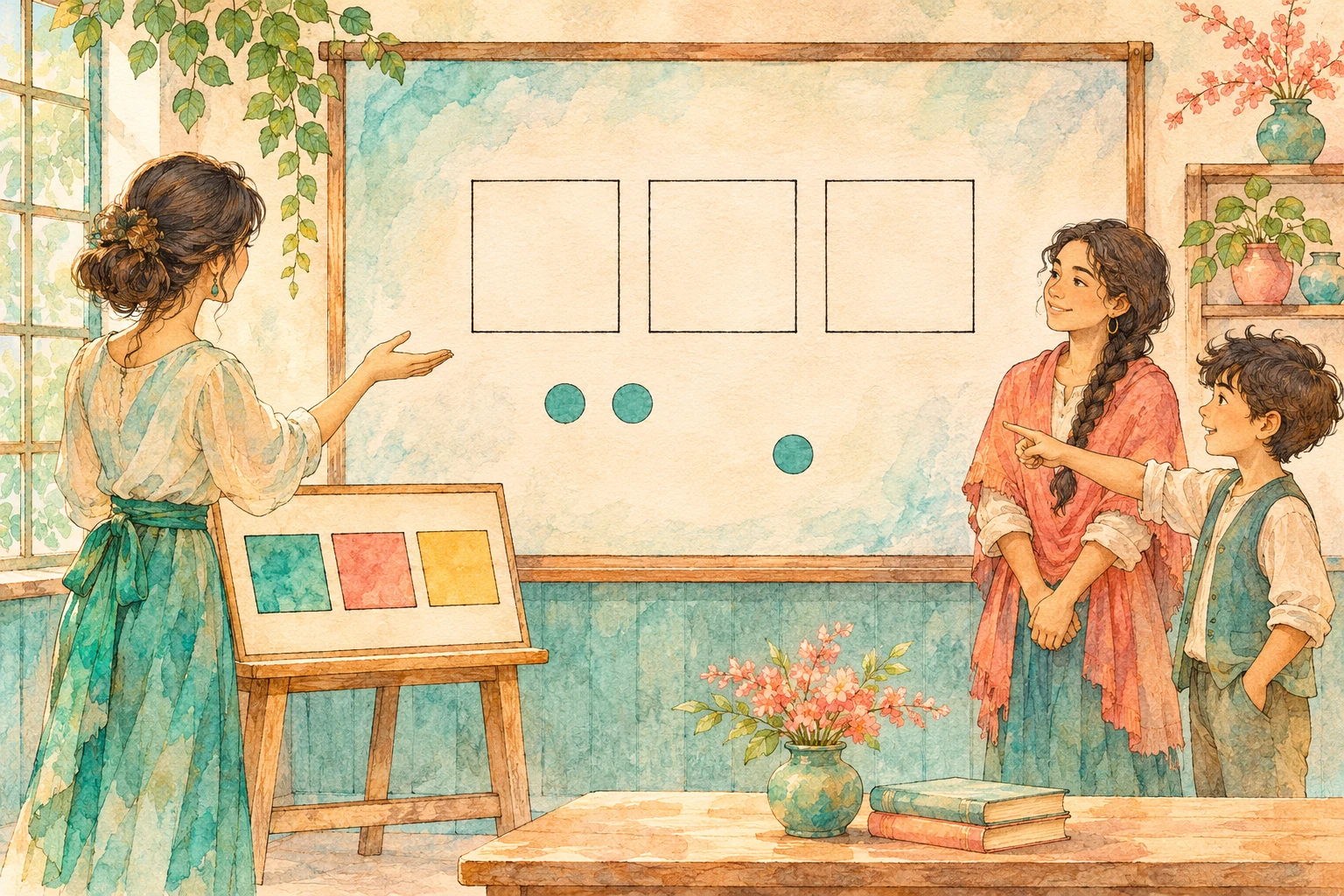
Toybox Route Cards: 5 Amazing Playroom Destinations suits learners ready to consult a toy picture key and work through separate printed paths. Try one panel before a calm discussion about destinations. A child can explain where a printed route ends by pointing, even if pencil control is still developing. In the room, give the destinations names and show them in person. Completing the puzzle is optional and has no bearing on whether a child can join story time.
5. Reopen the saved idea where you said you would
At the promised revisit, show the child what was saved. They may choose to rebuild, change the plan or put the piece away. Give those choices equal respect. If a tray needs clearing because space is shared, let children make a final mark or tell an adult what to record before the materials return to the common supply.
A stable place for unfinished papers matters particularly in a room used by several groups. Show colleagues where the folders belong and agree on how long papers can stay there. Keep identifying details private. A simple picture marking the section of the shelf may do more than a large display listing who left work unfinished.
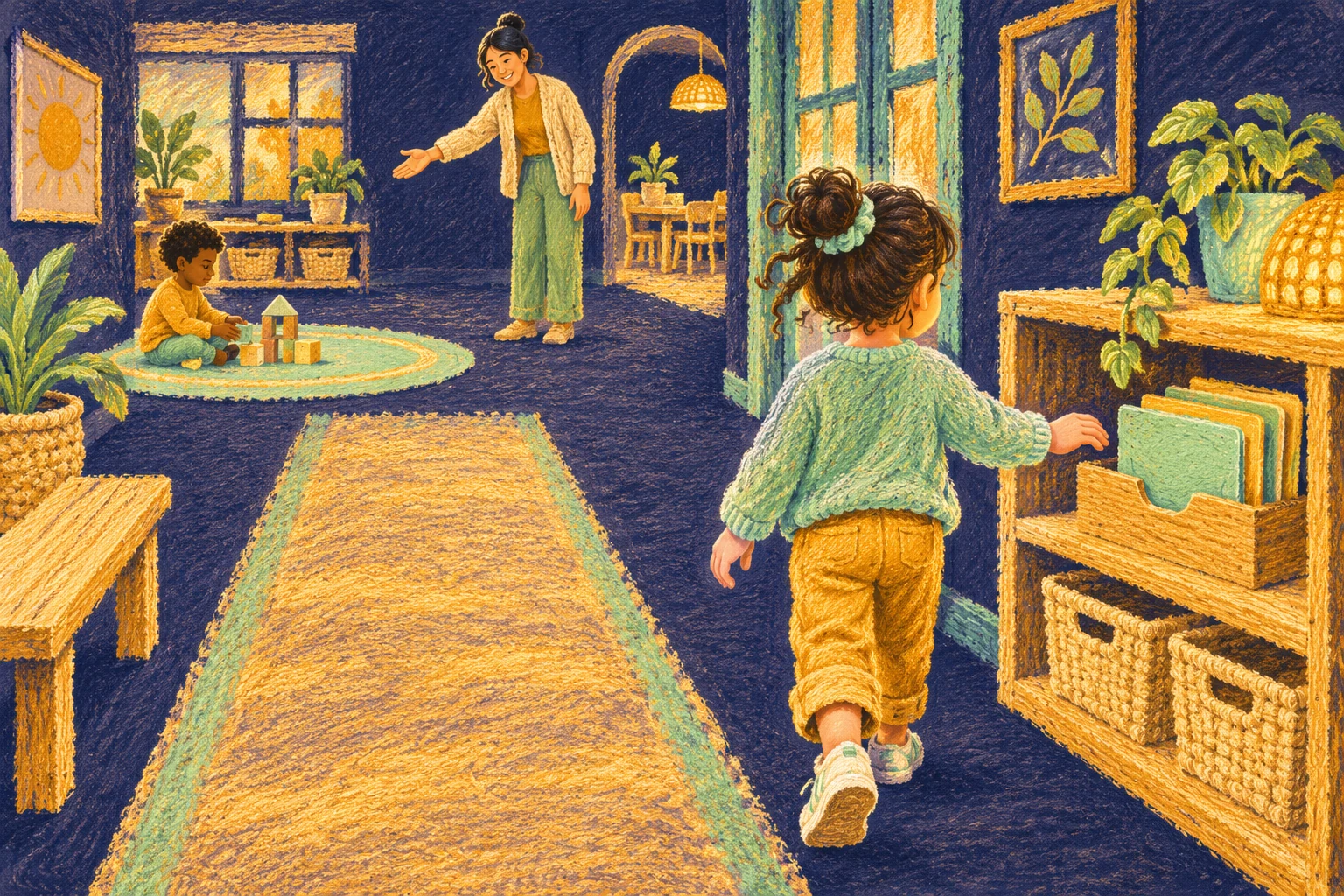
The lower shelf and carpet give children two concrete destinations to practise in order.
Decide what needs changing tomorrow
| What happens at the handoff | What to check first | An adjustment to try |
|---|---|---|
| A child tries to carry an entire road | Which part of the plan is hard to leave? | Bring a light save tray or offer a sketch. |
| Blocks accumulate in random baskets | Can children distinguish shelf destinations? | Put one recognizable object picture at the relevant bin. |
| A learner keeps walking back to the rug | Was the destination visible from where they started? | Show the route before the room gets busy. |
| Children gather around the return area | Does the layout create a queue? | Invite small groups to move in an order that keeps paths clear. |
| The new activity starts while others still wait | Is an adult or familiar starting action available at arrival? | Prepare an accessible book, object or adult greeting in advance. |
Read the result in context. An easy transition on a quiet day may tell you little about a louder afternoon with visiting adults and moved furniture. Gather concrete observations about which parts went smoothly and which arrangements helped. Protect a child's dignity by discussing patterns with the relevant adults privately.
Six things a clear handoff gives children
- A known endpoint. A final action tells the child when this turn of play is coming to a close.
- Continuity of thought. A saved piece, picture or description gives a learner something meaningful to return to.
- A usable sorting clue. One recognizable picture can make a shared storage decision accessible without reading a label.
- Time to respond. An adult who waits briefly can see whether a cue was clear before repeating the instruction.
- Predictable adult help. Children learn where assistance will be if moving materials, changing activity or reaching a shelf takes support.
- A sense of contribution. Putting away one relevant item makes an observable difference to the people who will use the space next.
An indoor classroom handoff, minute by minute
Imagine a preschool group has been making a low wooden train station. The teacher shows a book and says they will go to the rug after parking the trains. One child wants to save the platform. An assistant brings a tray and checks that it will fit. The group puts the spare blocks in the picture-marked basket while the two builders place a few related pieces in the tray. Children greet a second adult at the rug and begin looking at the cover of the book.
At afternoon play, the platform returns. The teacher describes what she saw: “You kept the platform together because the train still needed somewhere to stop.” In this hypothetical example, the routine worked for a specific play idea. On another day it might need an additional adult, a quieter cue or fewer materials on the rug.
What changes when the next place is outdoors?
In a hypothetical home example, a four-year-old is halfway through colouring when the family needs to go outside. Their grown-up slides the page into a folder beside the crayon, brings over the boots and says, “The drawing is in here. First boots, then outside.” The child points to one unfinished area before the folder closes. The adult checks what kind of help is needed with the boots.
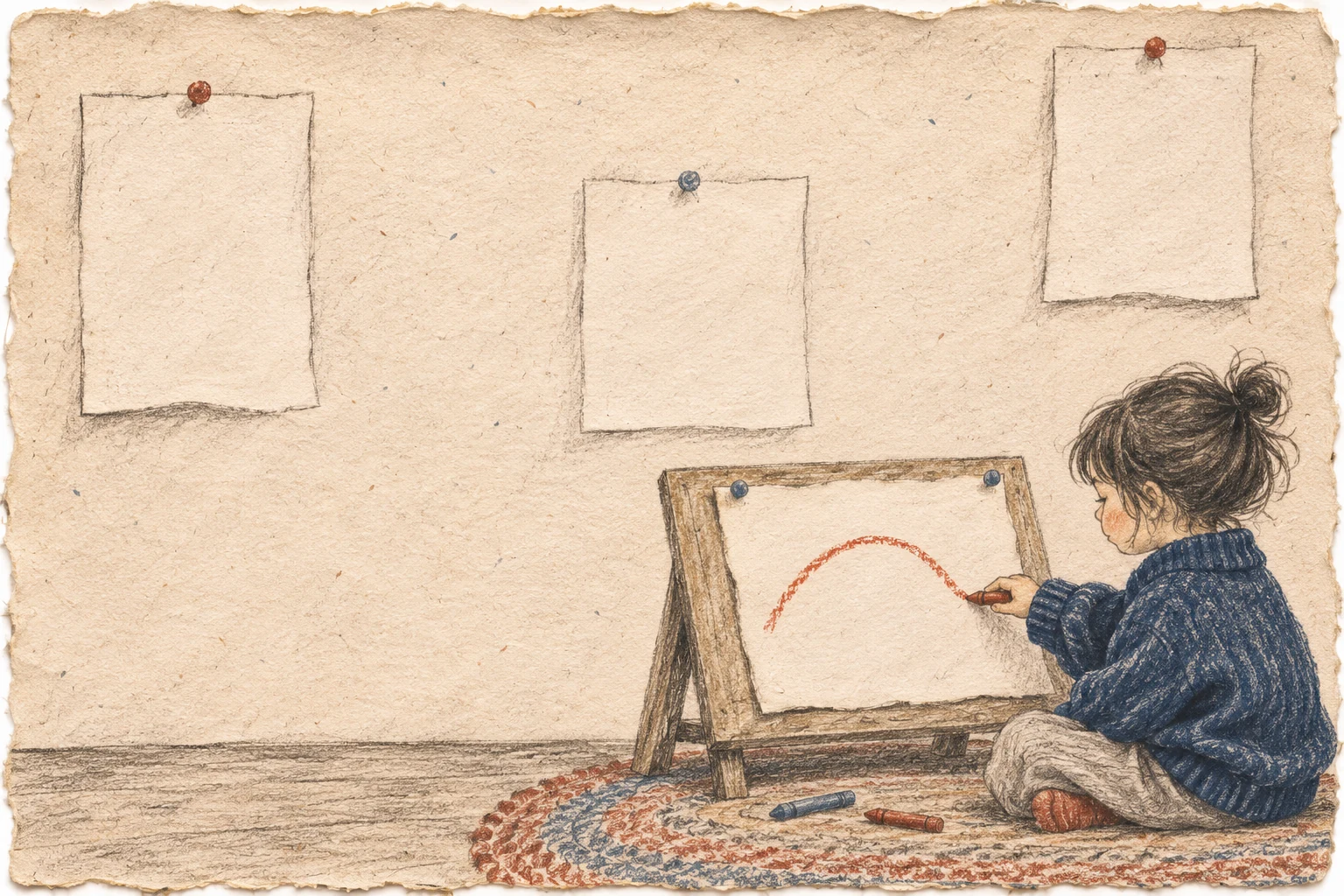
Later, use the boot picture on Rain Gear: Rain Boot Tracing, 5 Lovely Drawing Ideas as an optional conversation opener. The source page is a dotted picture tracing activity for ages three to six. A child who wants a visual for the actual routine might choose a picture of their own boots or look at the real pair by the door. Tracing the whole outline adds nothing to a rushed departure. Save the printable for a time when the learner wants to draw.
The current download panels for all three recommendations show one-page watermarked samples and clean membership copies. Pick a page because its actual task suits today's conversation. Use materials already within reach when making the real cue.
Four extra rehearsals for times when nobody is rushing
Set up a tiny library return desk
Let the child choose a distinctive spot for finished and in-progress pretend books. One soft toy brings a book; the child shows it the right place and explains how a visitor can tell. Adults can play a visitor who needs a model, giving the child a real audience for an explanation.
Make a record of one useful detail
Draw a short line for the road and a rectangle for the part that must survive. Invite a child to add one mark or point while you describe it. Recreate only that detail later. A complicated picture would take longer than the saved idea needs.
Try a silent shelf demonstration
During a quiet period, show an item and point to one picture. Invite the learner to move, indicate or direct its return. Then switch roles. If the picture is confusing without words, choose a clearer cue or pair it with spoken language. Let children use their usual communication tools.
Rehearse a change you can explain
Move the pretend story place before a short practice turn. Tell children why and physically show the new place before asking anyone to go there. This is practice in receiving a clear update. Avoid making unexpected changes into a guessing game for children who rely on advance information.
After a rough transition, repair one part
An unsettled exit from play is a reason to inspect the handoff. Perhaps the next adult was busy, the shelf was too high or the promise to return an idea was missed. Talk to the child after everyone is settled. Acknowledge the part that was hard and make the next step visible. “I can keep this one piece for later” is a small commitment you can keep.
Start by making one destination and one return promise clear. Once the room can support those two things, another transition will be easier to plan. Children should recognize what is happening and know where a helpful adult will be when they get there.