
Trace 5 Essential Lines and Curves: Fun Paths for Little Hands (Ages 3-5)

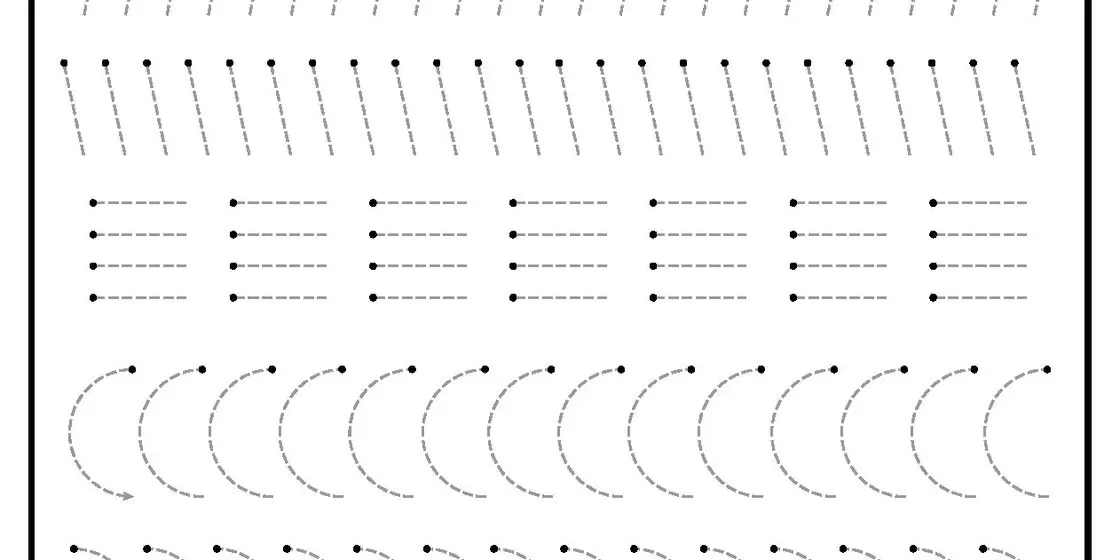
Building Blocks for Early Writing: Mastering Tracing Lines and Curves
This worksheet provides focused practice on tracing lines and curves, giving learners a fantastic starting point to develop essential handwriting skills. By focusing on these fundamental shapes, children build the muscle memory and control needed for forming letters and numbers later on.
Why These Simple Lines Matter
At first glance, these might seem like just simple dotted lines. However, for a preschooler, they represent a significant step in their developmental journey. Each stroke is an opportunity to practice control, precision, and focus. This worksheet breaks down the complex task of writing into manageable, achievable steps, making the learning process enjoyable and confidence-building.
The progression from straight lines to gentle curves and then to full circles on this worksheet is intentional. It allows children to gradually build their dexterity and understanding of different shapes, which are the building blocks of all written language.
Key Learning Benefits
- Fine Motor Skill Development: Holding a crayon or pencil correctly and guiding it along dotted lines strengthens the small muscles in the hands and fingers.
- Hand-Eye Coordination: Children learn to coordinate what their eyes see with the movements of their hands, a crucial skill for many tasks.
- Concentration and Focus: Completing a tracing activity requires sustained attention, helping children develop their ability to concentrate for longer periods.
- Pre-Writing Readiness: This practice directly prepares children for forming letters and numbers, reducing frustration when they start formal writing.
- Shape Recognition: Tracing various shapes like curves and circles introduces children to fundamental geometric forms.
- Confidence Building: Successfully completing each tracing exercise provides a sense of accomplishment, encouraging further learning.
Putting the Worksheet into Practice
At Home Scenarios
Imagine a cozy afternoon at home. Your child sits at a small table with this worksheet and a set of chunky crayons. You can sit with them, offering gentle guidance. Start by pointing to the first set of vertical lines. Say, “Let’s trace these straight lines, from the top dot to the bottom dot.” Offer praise for effort, not just perfection. When they move to the curves, you might say, “This one is like a little hill!” For the circles, “Can you make a big round ball?” Make it a relaxed, positive experience. Perhaps have a special sticker ready for completing a section or the whole page.
Another idea is to turn it into a game. “Can you race the pencil along the line?” or “Let’s see how neatly we can make this curve!” This playful approach can significantly increase engagement and reduce any potential resistance to the activity.
In the Classroom Setting
In a preschool or kindergarten classroom, this worksheet serves as a valuable tool during morning work or as a station activity. Teachers can introduce the worksheet to the whole group, demonstrating how to hold the writing utensil and follow the dotted lines. For children who need extra support, small group instruction can focus on specific line types. Those who grasp the concept quickly can be encouraged to add their own creative touches, like drawing a sun at the end of a straight line or a flower at the end of a curve. This worksheet can also be a great way to transition between activities, providing a calm, focused task.
Consider pairing this with other resources. After practicing tracing lines, children might be ready for more complex shapes or even the early stages of letter formation, such as those found in our A to Z Alphabets Tracing Worksheets.
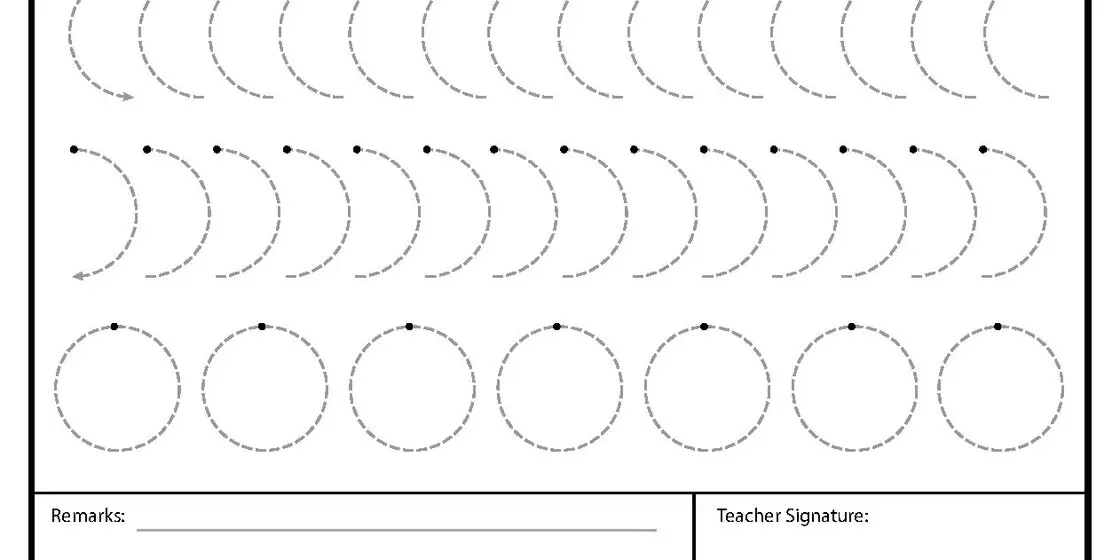
Skill Development Beyond Tracing
Motor Skills
Precise finger and hand movements are honed through the act of tracing, laying the groundwork for controlled writing.
Cognitive Skills
Following instructions, recognizing patterns, and understanding the concept of staying within lines all contribute to cognitive growth.
Language Skills
Describing the lines (straight, curvy, round) and discussing the activity with an adult or peer enhances vocabulary and communication.
Common Challenges and Encouragement
Navigating Mistakes
It's common for young children to stray from the dotted lines. Instead of focusing on the errors, reframe it positively. You might say, “Oops, the line took a little detour! Let’s try to keep it on the path next time.” Avoid criticism. Another challenge can be grip. Ensure they are using a comfortable grip, perhaps with a thicker pencil or a grip aid. If they are pressing too hard, suggest using a “lighter touch, like a butterfly’s wing.”
Fostering Regular Practice
Make tracing a regular, but not overwhelming, part of the routine. Short, frequent sessions are more effective than long, infrequent ones. Integrate tracing into other activities. For instance, before starting a new worksheet, you could trace the title words together. Celebrate small victories with verbal praise, stickers, or by displaying their completed work. Offering choices, like which color crayon to use, can also increase motivation. Explore more tracing options in our 5 Brilliant Lines for Handwriting Practice resource.
Extending the Learning Fun
Once children gain confidence with these basic lines, you can expand their learning in several creative ways:
Storytelling Paths
Create a simple story around each line. For the vertical lines, perhaps it's a tall tree. The curves could be a slide, and the circles could be a ball. Ask the child to trace the path of the character in the story.
Sensory Tracing Tray
Fill a shallow tray with sand, salt, or rice. Have your child use their finger to trace the lines and curves from the worksheet in the tray. This multi-sensory approach can be very engaging.
Connect the Dots Art
Draw simple shapes using only dots, similar to the worksheet's style. Ask your child to connect the dots by tracing, then color the resulting shape. This builds on their ability to follow lines and create images.
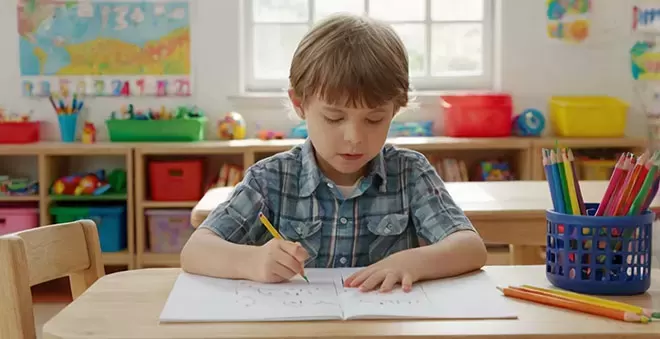
Why Children Love Tracing
Children are naturally drawn to activities that give them a sense of control and accomplishment. Tracing offers immediate feedback – they can see the line they are creating. The predictability of following a dotted path is comforting, and successfully completing each line provides a tangible reward. When presented in a fun, low-pressure way, tracing becomes an enjoyable game rather than a chore. It’s a chance for them to practice skills that are important for their future, all while feeling successful and engaged.
This worksheet, with its clear progression and simple shapes, is perfectly suited for this age group. It’s a stepping stone towards more complex tasks, and the sense of mastery gained here can propel them forward.
Download Your Free Printable
Get your copy of this essential tracing worksheet today! It's completely free, printable, and comes with no watermarks or distracting ads. Simply click the link below to download the PDF and start building those crucial early writing skills.
Download NowPopular Worksheets
Printable resources families and teachers are downloading now.
 Free
Free
 Free
Free