
5 Brilliant Lines for Handwriting Practice: Fun for Ages 3-5

Handwriting Practice gives learners focused practice. Welcome to a world where little hands learn to guide their own paths! This printable worksheet, "Trace the Lines for Handwriting Practice," is a fantastic starting point for children developing their fine motor skills and preparing for formal writing. It’s designed with playful illustrations and simple, repetitive line patterns that make the learning process enjoyable and effective. For parents and educators looking for a straightforward yet impactful activity, this resource offers a clear pathway to building essential pre-writing foundations. Let's explore how this simple sheet can make a big difference in a child's early development.
The Joy of Guided Strokes for Handwriting Practice
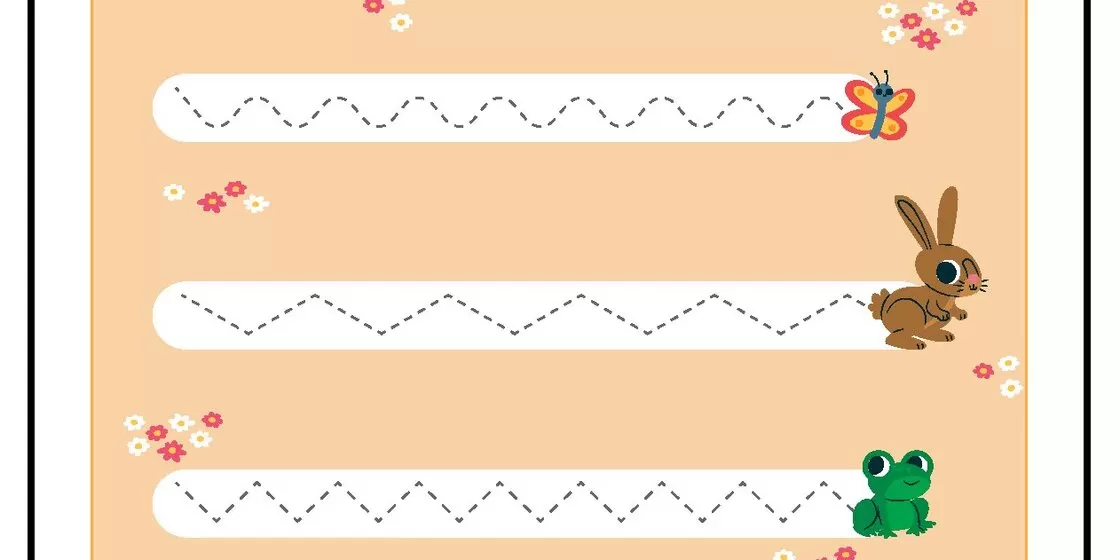
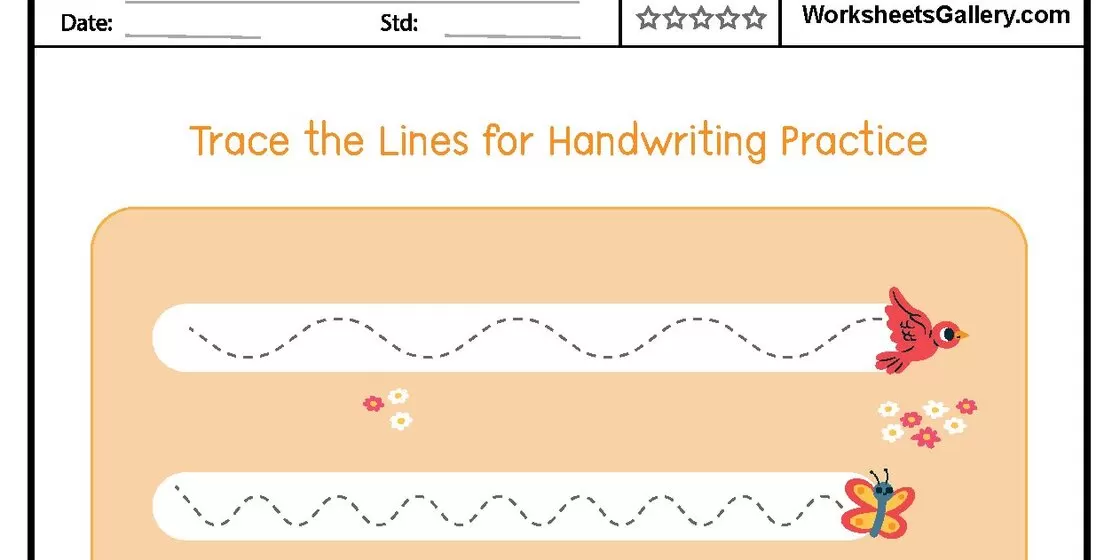
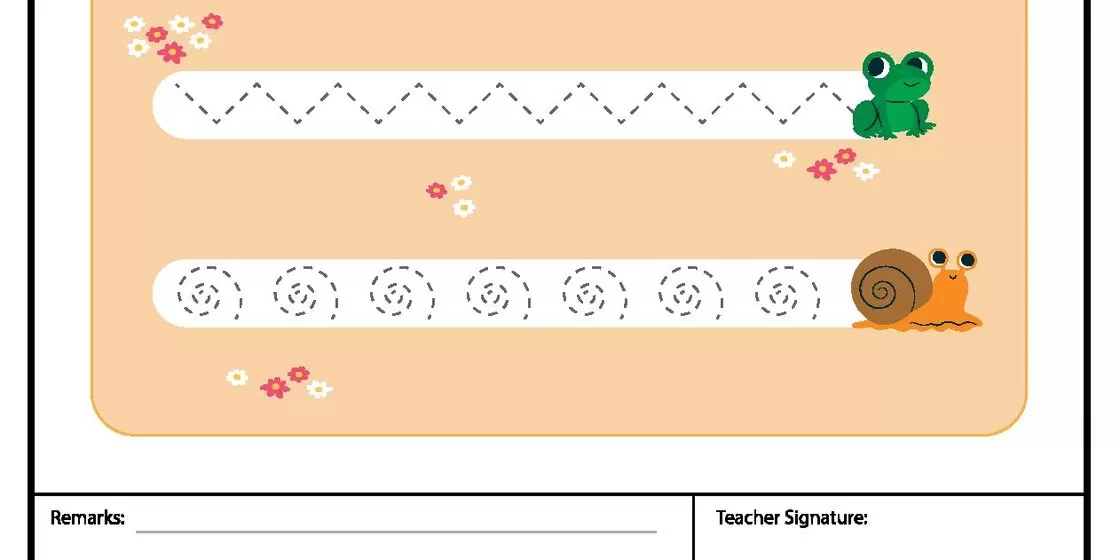
Handwriting Practice gives learners focused practice. At its core, this worksheet is about mastering the controlled movement of a writing tool. It presents a series of dotted lines, each forming a different pattern – from gentle curves and zig-zags to circular motions. Children are invited to trace these lines, connecting the dots to complete the shapes. This fundamental activity is crucial because it teaches children how to apply consistent pressure, maintain direction, and coordinate their hand and eye movements. The visual cues of the dotted lines act as a gentle guide, building confidence as they successfully complete each path. The presence of charming characters like a bird, butterfly, rabbit, frog, and snail adds an element of fun, transforming a skill-building exercise into an engaging adventure.
Why This Practice Matters
- Develops Fine Motor Control: The act of tracing requires precise finger and wrist movements, essential for holding a pencil correctly and forming letters later on.
- Enhances Hand-Eye Coordination: Children must watch the line and guide their hand simultaneously, a skill vital for many tasks, including writing and drawing.
- Builds Concentration: Following the dotted lines demands focus, helping children develop sustained attention spans.
- Prepares for Letter Formation: The basic strokes and curves practiced here are the building blocks for all letters of the alphabet.
- Boosts Confidence: Successfully completing each traced line provides a sense of accomplishment, encouraging further effort.
- Introduces Patterns: Recognizing and following patterns is a foundational skill for both math and language.
Bringing the Worksheet to Life
Handwriting Practice gives learners focused practice. Integrating this worksheet into a child's routine, whether at home or in a classroom, is simple and rewarding. The goal is to make it a positive and productive experience.
Home Scenarios
Handwriting Practice gives learners focused practice. Imagine a cozy afternoon. Your child sits at the kitchen table with crayons or a chunky pencil. You present the worksheet, perhaps pointing out the friendly bird at the start of the first line. "Let's help the little bird fly along this wavy path!" you might say. The focus is on the process, not perfection. Celebrate each completed line, whether it’s a little wobbly or perfectly straight. You can extend this by asking your child to describe the shapes they are tracing – "This one looks like a zigzag on a mountain!" or "This is like a snake slithering." This adds a language component and makes the activity more interactive.
Classroom Use
Handwriting Practice gives learners focused practice. In a classroom setting, this worksheet can be a valuable tool during centers or quiet work time. It’s an excellent independent activity that requires minimal supervision once instructions are given. Teachers can introduce it as part of a broader handwriting unit. For younger children just beginning, providing thicker markers or crayons can make tracing easier. For those ready for a bit more challenge, a pencil can be introduced. You might also use it as a transition activity, allowing children to settle down with a familiar and calming task. Observing how children approach each line can offer insights into their developing motor skills and focus. For instance, noticing if a child grips the pencil too tightly or too loosely can inform future support strategies.
Skill Development Beyond Tracing
Handwriting Practice gives learners focused practice. While the primary goal is handwriting readiness, this worksheet subtly nurtures a range of developmental skills:
Cognitive Skills
Handwriting Practice gives learners focused practice. The act of following a dotted path requires children to understand and execute instructions. They learn to recognize patterns and anticipate the next step in the line. This cognitive engagement also helps in developing problem-solving skills as they navigate the curves and angles. The circular patterns at the end are particularly good for developing the concept of a closed shape, a precursor to understanding letters like 'o' or 'a'.
Motor Skills
This worksheet is a powerhouse for developing fine motor skills. The precise movements needed to stay on the dotted lines refine the pincer grasp and develop the dexterity of the fingers and thumb. This is crucial for tasks like buttoning clothes, using scissors, and, of course, writing. The different line types also encourage varied muscle movements in the hand and wrist, promoting flexibility and control. The final line with circular patterns is excellent for developing the rotational movements needed for cursive writing later on.
Language and Social Skills
Engaging with the worksheet can also foster language development. Encourage children to describe the lines they are tracing: "It's a wiggly line!" or "This looks like a rainbow." Discussing the animals featured – the cheerful bird, the fluttering butterfly, the hopping rabbit, the jumping frog, and the slow-moving snail – can spark conversations about their habitats, sounds, and movements. This interaction not only expands vocabulary but also builds social skills as they communicate their thoughts and listen to instructions. You can even use the animals as characters in a story, linking their paths together.
Common Challenges and Encouragement
It's natural for young children to face some difficulties. Some might struggle to stay on the lines, pressing too hard or too lightly, or their lines might be shaky. This is perfectly normal and part of the learning process. Instead of focusing on errors, offer gentle guidance and positive reinforcement. If a child is frustrated, suggest taking a short break or switching to a thicker writing tool like a crayon. Celebrate effort and progress, not just perfection. Phrases like, "You're really concentrating!" or "Look how much smoother that line is getting!" can be very encouraging. Remember to praise their willingness to try, even if the outcome isn't flawless.
Making Practice Fun and Consistent
Consistency is key for developing handwriting skills. Here are a few ideas to keep children engaged:
- Themed Practice: Connect the worksheet to a theme. If you're reading a book about animals, focus on this worksheet.
- Reward System: Use a sticker chart for completed pages or for showing good effort.
- Variety of Tools: Offer different writing tools – pencils, crayons, markers, chalk – to keep things interesting.
- Sensory Play: For an extension, try tracing the lines in sand, shaving cream, or playdough.
- Praise Effort: Always acknowledge their hard work and persistence.
Extended Activities for Deeper Learning
To further enhance the learning experience, consider these engaging extensions:
Storytelling Adventure
Use the animals on the worksheet as characters in a story. "The little bird wanted to visit the butterfly, so it flew along this wavy line. Then, the rabbit decided to hop along the zigzag path to meet the frog..." This imaginative play reinforces the visual patterns and links them to a narrative, making the learning memorable.
Pattern Creation
After tracing the lines, encourage children to draw their own patterns. They can use simple shapes or create their own wavy or zigzag lines on a blank piece of paper. This fosters creativity and reinforces the concept of line variation.
Animal Movement Mimicry
Have children physically mimic the movements of the animals as they trace the lines. They can hop like a rabbit, jump like a frog, or flutter like a butterfly. This kinesthetic learning connects physical movement with the visual task.
Drawing and Coloring
The worksheet includes cute illustrations. After tracing, children can color the animals and the small flowers. This provides a relaxing break and further develops fine motor skills through coloring within the lines. For a more advanced activity, children could be asked to draw their own version of the animals or create a scene incorporating them.
Why Children Love This Activity
Children are naturally drawn to activities that are visually appealing and feel like play rather than work. The bright, friendly illustrations of animals on this worksheet capture their attention and make the task feel less intimidating. The simple, repetitive nature of tracing lines can be very soothing and satisfying for young children, offering a sense of control and accomplishment with each completed stroke. The clear goal – to connect the dots – provides a sense of purpose, and the visual feedback of seeing the line appear as they draw is immediately rewarding. It taps into their innate desire to create and master new skills.
Age Appropriateness
This worksheet is ideally suited for children aged 3-5 years. At this age, children are typically developing the foundational fine motor skills necessary for pre-writing. The simple patterns and large tracing areas are perfect for their developing dexterity. Younger children (3-4) might benefit from using larger writing tools like crayons or thick markers, while older preschoolers (4-5) can begin to use pencils. The engaging visuals also appeal to this age group.
Download Instructions
Ready to help your child take their first steps in handwriting? Downloading this worksheet is straightforward. Simply click the download button provided. You'll receive a high-quality, printable PDF file. This means you can print it as many times as you need, perfect for practice sessions or for sharing with multiple children. The file is designed to be completely free of watermarks and advertisements, ensuring a clean and focused learning experience for your child. Just print and let the tracing fun begin!
Explore more resources in our Free worksheet library or discover other Alphabet Tracing Worksheets and Number Tracing Activities.
Popular Worksheets
Printable resources families and teachers are downloading now.
 Free
Free
 Free
Free