
26 Amazing A to Z Alphabets Tracing Worksheets for Kids

Mastering the Alphabet: A Journey Through A to Z Alphabets Tracing
A to Z Alphabets Tracing gives learners focused practice. Welcome to a world of letters where learning becomes an adventure! This collection of A to Z Alphabets Tracing worksheets is designed to guide young learners through the exciting process of recognizing and forming each letter of the English alphabet. From the simple curves of 'C' to the sharp angles of 'Z', each page offers a unique opportunity for children to develop crucial pre-writing skills. This isn't just about tracing; it's about building confidence, enhancing fine motor control, and laying the groundwork for a lifelong love of reading and writing. Let's explore how these thoughtfully crafted pages can support your child's educational journey.
A to Z Alphabets Tracing gives learners focused practice. Key Takeaway
A to Z Alphabets Tracing gives learners focused practice. These worksheets provide a structured yet playful approach to mastering the alphabet, combining visual recognition with tactile practice for comprehensive learning.
Why Tracing is a Cornerstone of Early Learning
A to Z Alphabets Tracing gives learners focused practice. Tracing letters is far more than just copying shapes. It's a fundamental activity that directly impacts a child's cognitive and motor development. When children trace letters, they engage multiple senses. Their eyes follow the lines, their fingers feel the motion, and their brains connect the visual form with the physical act of creation. This multi-sensory approach significantly aids in memory retention and reinforces the correct formation of each letter. For young learners, this process builds the essential muscle memory needed for handwriting, preparing them for independent writing tasks later on. It's a gentle introduction to the complex task of forming letters, making the learning process feel natural and achievable.
The Power of Visual and Kinesthetic Learning
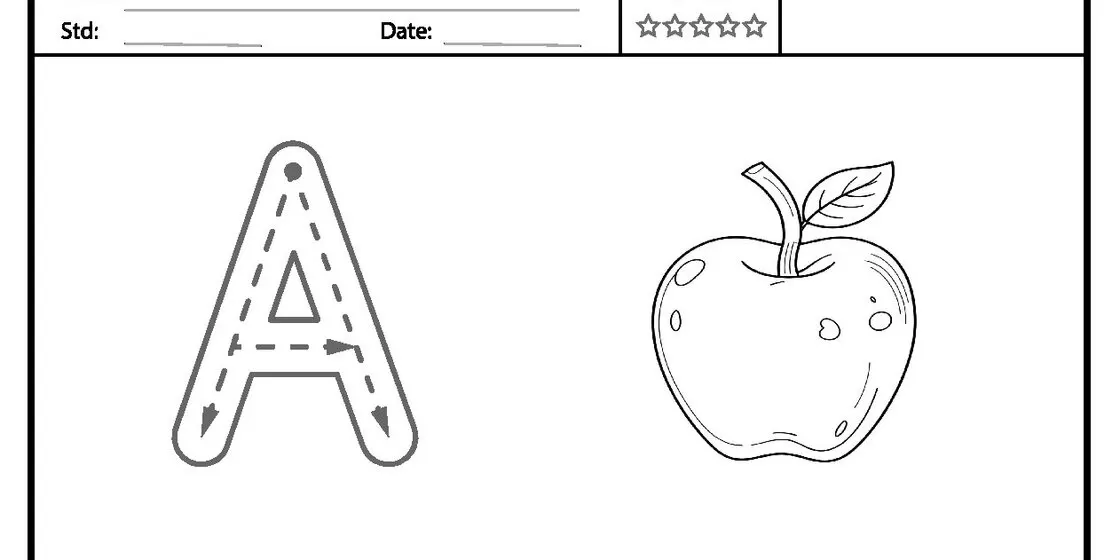
Each worksheet in this series features a large, clear illustration of the uppercase letter, complete with directional arrows to guide the tracing path. Alongside each letter is a charming, age-appropriate image that begins with that letter – an apple for 'A', a ball for 'B', a cat for 'C', and so on. These visual cues not only make the learning process more engaging but also help children associate the letter with its corresponding sound and object, building early vocabulary and phonemic awareness.
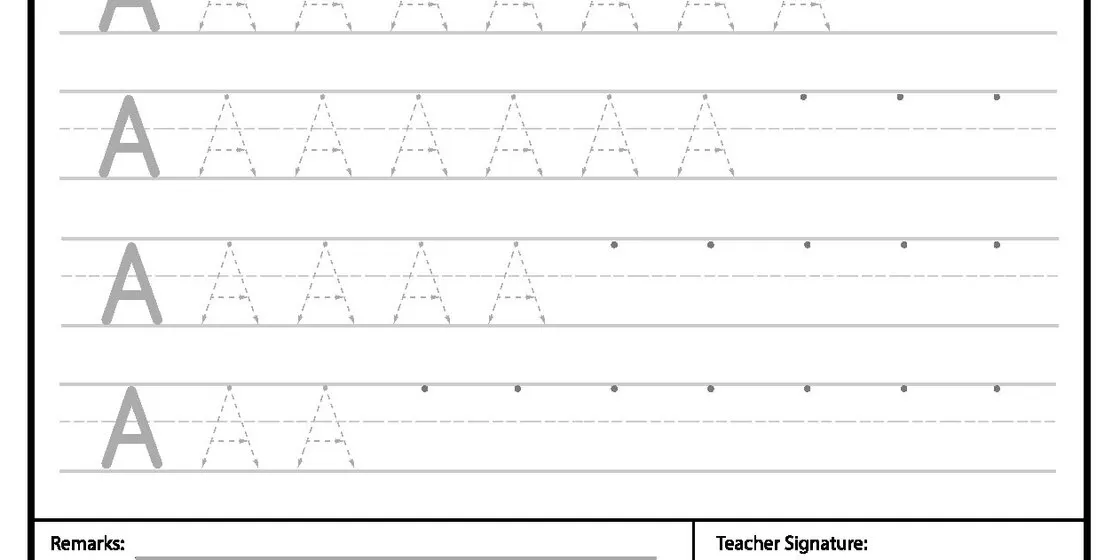
The core of each worksheet consists of multiple rows of dotted letters. Children are encouraged to trace these letters, following the provided guide. This repetitive practice is key to developing fine motor skills, hand-eye coordination, and the dexterity required for legible handwriting. The dotted lines act as a scaffold, providing support without limiting the child's ability to practice and refine their strokes.
The inclusion of space for Name, Std, and Date at the top, along with fields for 'Remarks' and 'Teacher Signature' at the bottom, transforms these simple tracing sheets into valuable assessment tools. Teachers and parents can track progress, provide feedback, and monitor a child's development over time.
Benefits That Go Beyond the Alphabet
Engaging with these A to Z Alphabets Tracing worksheets offers a wealth of benefits that extend far beyond simply learning the ABCs. The systematic approach ensures that children are not just memorizing, but truly understanding and internalizing letter formation.
Enhanced Fine Motor Skills
The precise movements required for tracing dotted lines help children develop the small muscle control in their hands and fingers. This is crucial for tasks like buttoning clothes, using utensils, and, of course, writing.
Improved Hand-Eye Coordination
Following the dotted lines accurately requires children to coordinate what they see with the movements of their hands. This skill is vital for numerous physical and academic tasks.
Letter Recognition and Formation
Each worksheet focuses on one letter, allowing for concentrated practice. Children learn to recognize the visual form of each letter and practice its correct stroke order, building a solid foundation for reading and writing.
Cognitive Development
The process of learning letters, associating them with images, and following instructions stimulates cognitive functions such as memory, attention, and problem-solving.
Boosted Confidence and Independence
Successfully completing each tracing exercise provides children with a sense of accomplishment, fostering confidence and encouraging them to tackle new learning challenges independently.
Early Language Development
The accompanying images for each letter (e.g., Apple for A, Ball for B) help children connect letters with sounds and words, supporting their vocabulary acquisition and early language skills.
Bringing Learning Home and to the Classroom
These versatile worksheets can be seamlessly integrated into both home and classroom learning environments. Their clear structure and engaging content make them ideal for a variety of educational settings.
Home Use: A Parent's Guide to Alphabet Adventures
At home, these worksheets offer a wonderful opportunity for quality bonding time. Set aside a few minutes each day for a focused tracing session. You can make it a game: ask your child to say the letter sound as they trace, or have them find objects around the house that start with the letter they are practicing. For instance, when working on the letter 'B', look for a ball or a book.
Scenario: The Morning Routine
Imagine starting the day with a 'Letter of the Day' activity. You might introduce the letter 'D' with the worksheet, show your child a dog toy, and then have them trace the letter 'D' on their sheet. Discussing the image of the puppy on the worksheet can spark conversation about pets, sounds dogs make, and other words that start with 'D'. This consistent, playful approach reinforces learning without feeling like a chore.
Consider laminating the worksheets or placing them in sheet protectors. This allows children to practice with dry-erase markers, making the sheets reusable and reducing paper waste. It also provides a smoother writing surface, which can be beneficial for some children.
Classroom Application: Engaging Young Learners
In a classroom setting, these worksheets are invaluable for small group activities or independent practice centers. Teachers can use them to introduce new letters, reinforce previously learned ones, or as a station for early finishers.
Scenario: The Literacy Center
Set up a dedicated literacy center stocked with these A to Z Alphabets Tracing worksheets. Children can visit the center during free-choice time. Provide a variety of writing tools like crayons, colored pencils, or chunky markers. For the 'A' worksheet, perhaps have a basket of small apples or apple-shaped erasers available for tactile exploration. When a child completes a page, they can add it to a personal alphabet portfolio, creating a tangible record of their progress.
To further enhance engagement, consider a 'Letter Hunt' activity. After tracing the letter 'F' (for Fish), hide a few small toy fish around the classroom and have the children find them. This kinesthetic reinforcement connects the abstract letter to a fun, physical activity.
Developing Essential Skills Through Play
The beauty of these worksheets lies in their ability to develop a range of essential skills disguised as simple letter practice. It's a holistic approach to early childhood education.
Fine Motor and Pre-Writing Skills
The act of holding a pencil correctly and guiding it along dotted lines is fundamental to developing the pincer grasp and the controlled movements necessary for writing. Each stroke refines these abilities.
Cognitive Skills: Memory and Recognition
Children must remember the shape of the letter and the correct sequence of strokes. Associating letters with corresponding images strengthens their ability to recall and recognize patterns, crucial for reading comprehension.
Language and Literacy Skills
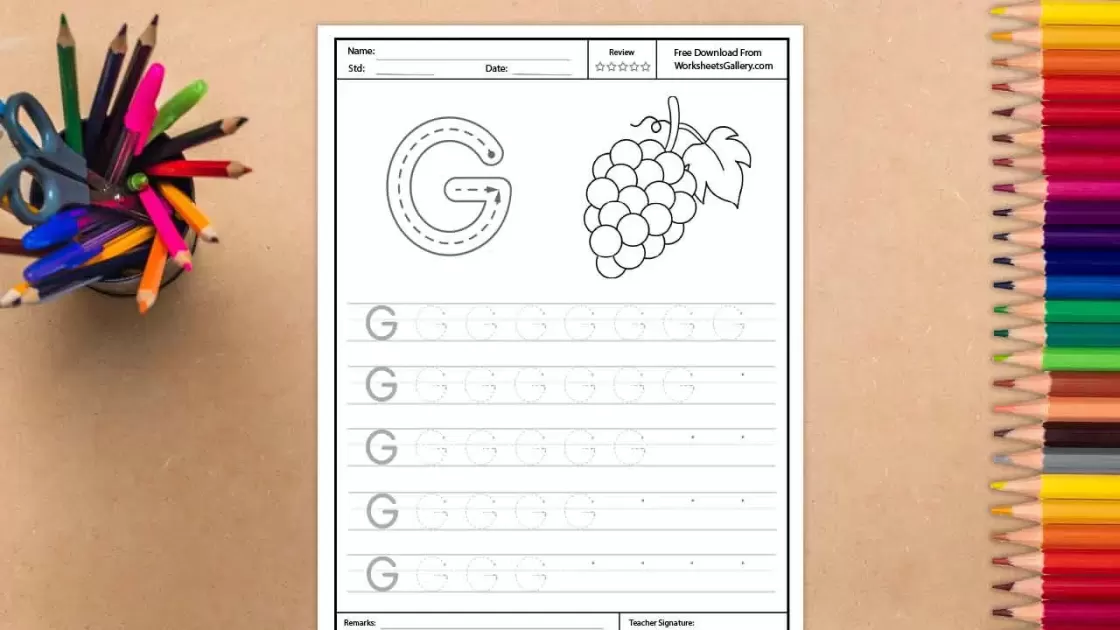
By linking each letter to a word and image (like 'G' for Grapes, 'H' for House, 'I' for Ice Cream), children begin to understand the relationship between spoken words, written letters, and their meanings. This builds a foundation for phonics and early vocabulary development.
Making Practice Enjoyable: Extended Activities
Keep the learning momentum going with these fun, extended activities that build upon the tracing worksheets.
- Alphabet Storytelling: Choose a letter from the worksheet, like 'J' for Joker. Create a short, silly story about the Joker that incorporates as many words starting with 'J' as possible. This makes learning contextual and memorable.
- Letter Sound Hunts: After tracing a letter, like 'K' for Kangaroo, challenge your child to find objects around the house or classroom that start with the /k/ sound.
- Sensory Tracing: Use a shallow tray filled with sand, salt, or rice. Have your child practice tracing the letters with their finger before or after completing the worksheet. This adds a tactile dimension to learning.
- Alphabet Crafts: For the letter 'L' (Lion), have your child create a lion craft using construction paper, paint, or even just drawing and coloring. This multi-modal approach reinforces letter recognition.
- Letter Matching Games: Print out two copies of each letter worksheet. Cut out the letters from one copy and have the child match them to the traced letters on the other copy.
- Picture Association Charades: When working on a letter like 'P' (Pig), act out the animal or object. Have your child guess what it is and then identify the starting letter.
Why Children Love These Worksheets
Children are naturally drawn to these worksheets for several reasons. The bright, engaging illustrations of animals and objects associated with each letter capture their attention and spark curiosity. The act of tracing itself can be very satisfying, providing a sense of accomplishment as they see the letter take shape under their guidance. The clear, step-by-step nature of the exercises reduces anxiety and builds confidence, allowing children to feel successful with each completed page. The inclusion of space for their name and the 'Teacher Signature' also gives them a sense of ownership and importance.
Navigating Common Challenges
While these worksheets are designed for ease of use, some common challenges might arise. It's helpful to be aware of them and have strategies in place.
Grip and Pressure Issues
Some children may grip their writing tool too tightly, leading to fatigue, or too loosely, resulting in faint lines. Encourage a relaxed grip by suggesting they imagine holding a delicate butterfly. If pressure is too light, gently guide their hand or use thicker writing tools.
Incorrect Stroke Order
The directional arrows on the worksheets are crucial. If a child consistently forms letters incorrectly, gently redirect them, demonstrating the correct stroke order. Patience is key; it may take several repetitions.
Frustration with Dotted Lines
Some children might find the dotted lines challenging initially. Break down the task: have them trace just a few letters at a time, or trace over the dots with a finger first. Celebrate small successes to build their motivation.
Encouraging Consistent Practice
Consistency is vital for reinforcing learning. Here are a few ways to encourage your child to practice regularly:
- Establish a Routine: Designate a specific time each day for practice, even if it's just for 10-15 minutes.
- Positive Reinforcement: Offer praise and encouragement for effort, not just perfect results. Stickers or small rewards can be motivating.
- Make it Fun: Incorporate games, songs, or stories related to the letters being practiced.
- Vary Writing Tools: Use different types of crayons, pencils, or markers to keep the activity novel and engaging.
- Showcase Progress: Create an 'Alphabet Wall' where completed worksheets are displayed, allowing the child to see their learning journey.
Download Your A to Z Alphabets Tracing Worksheets
Ready to start this exciting alphabet adventure? Downloading these worksheets is simple and provides immediate access to valuable learning resources. Each page is designed to be printer-friendly, ensuring a hassle-free experience for both parents and educators.
Instant Access!
Get your complete set of A to Z Alphabets Tracing worksheets today. They are completely free, contain no watermarks, and are ready for immediate printing. Simply click the download button to begin!
These worksheets are a fantastic resource for building foundational literacy skills. For more engaging educational printables, explore our free worksheet library. You might also find our resources on CVC word practice or short vowel sounds beneficial for your child's literacy development.
Popular Worksheets
Printable resources families and teachers are downloading now.
 Free
Free
 Free
Free
 Free
Free
 Free
Free