
Letter O Tracing: 8 Crucial Steps for Optimal Formation!

Mastering Letter O Tracing: 8 Crucial Steps for Optimal Formation!
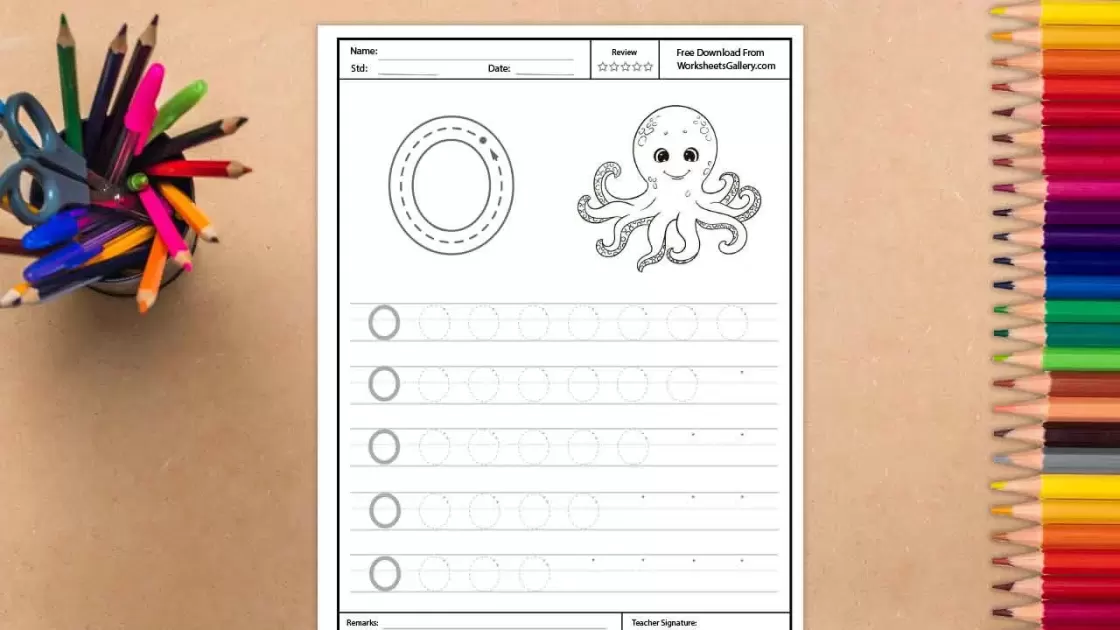
Learning to write the alphabet begins with mastering individual letter forms. For many young children, the uppercase Letter O presents a unique challenge and opportunity due to its perfect circular shape. This worksheet provides a structured approach to Letter O tracing, guiding children through the smooth, continuous motion required. With a friendly octopus companion, this activity makes early handwriting practice both fun and effective, helping develop crucial fine motor skills and letter recognition from an early age.
Understanding the Circular Motion for Letter O
The letter 'O' is often one of the first letters children learn to recognize and attempt to write because of its simple, symmetrical shape. However, writing a smooth, continuous circle requires coordination. This worksheet breaks down the process, starting with a large guided 'O' that includes a clear starting point and directional arrow. This visual cue helps children understand that the letter 'O' is formed by moving the pencil in a counter-clockwise direction, creating a complete loop.
The key to successful Letter O tracing is consistency in motion. Instead of multiple small strokes, the goal is a single, fluid movement. The tracing lines on this worksheet are designed to reinforce this, encouraging children to maintain contact with the paper as they complete the circle. This practice builds muscle memory essential for forming not just the letter 'O', but also other curved letters and shapes later on. It's a foundational step in developing legible handwriting.
Why Early Tracing Practice Matters
Engaging in tracing activities like this Letter O worksheet offers a multitude of benefits for preschool and kindergarten-aged children. These activities are more than just busy work; they are critical building blocks for future academic success. By repeatedly tracing the letter 'O', children refine their hand-eye coordination, a vital skill for reading, writing, and even everyday tasks like tying shoes or using utensils.
Moreover, tracing helps children develop proper pencil grip. Many young learners initially hold pencils awkwardly, which can lead to hand fatigue and poor handwriting habits. The act of tracing encourages them to adjust their grip for better control and comfort, setting them up for more efficient writing as they progress. This early intervention can prevent common handwriting difficulties later on.
Key Learning Benefits
- Enhanced Fine Motor Skills: Precision in tracing strengthens the small muscles in the hand and fingers.
- Improved Hand-Eye Coordination: Connecting visual input with motor output for accurate line following.
- Letter Recognition: Repeated exposure to the letter 'O' helps children identify it quickly.
- Pre-Writing Readiness: Builds a strong foundation for independent letter formation.
- Pencil Control and Grip: Encourages a comfortable and effective way to hold a writing tool.
- Focus and Concentration: Completing tracing tasks requires sustained attention.
- Shape Recognition: Reinforces understanding of circular shapes.
Using the Worksheet at Home
Parents can easily integrate this Letter O tracing worksheet into their child's daily learning routine. Find a quiet, well-lit space where your child can sit comfortably. Before they begin tracing, have them trace the large 'O' with their finger, following the arrow to understand the direction. Talk about the shape of the letter and the sound it makes, perhaps relating it to words like 'octopus' (which is conveniently on the sheet!), 'orange', or 'oval'.
For instance, during a morning activity session, you might say, "Look, we have a friendly octopus here! It starts with the letter 'O'. Let's trace the big 'O' together, starting at the top and going all the way around." Encourage them to use a crayon or a thick pencil initially, as these are easier to grip. As they gain confidence, they can transition to thinner pencils. Remember to praise their effort, not just perfection. A simple, "Great job trying to make a smooth circle!" goes a long way.

Classroom Integration Strategies
Teachers can utilize this worksheet as part of a literacy center, a small group activity, or for individual practice during free time. It's an excellent resource for reinforcing letter recognition during an 'O' themed week. Begin by demonstrating the correct tracing path on a whiteboard or a larger printout of the worksheet. Emphasize the starting point and the continuous circular motion.
For example, during a pre-writing lesson, a teacher could gather students and project the worksheet. "Children, today we're going to practice writing the letter 'O'. See this big 'O' here? It's like a big round cookie! We start at the top, go around to the left, and connect back to the top. Let's try it in the air first!" After air-tracing, distribute the worksheets. Observe students as they work, providing individualized feedback on grip and stroke direction. This worksheet can also serve as an assessment tool to gauge each child's progress in fine motor control and letter formation.
Developing Essential Skills Through Practice
Beyond just writing the letter 'O', this tracing activity fosters a range of developmental skills:
- Cognitive Skills: Children learn to follow instructions, recognize patterns, and understand the concept of a complete shape. They also begin to associate the visual form of 'O' with its sound, a crucial step in phonics.
- Motor Skills: The repetitive motion of tracing strengthens hand and finger muscles, improving dexterity and control. This directly impacts their ability to hold a pencil correctly and apply appropriate pressure. The continuous curve of the 'O' is particularly good for developing fluid wrist movements.
- Language Skills: Discussing the letter 'O', words that start with 'O', and the friendly octopus on the page enriches vocabulary and oral language development. Asking questions like, "What other words start with 'O'?" encourages active recall and engagement.
Common Mistakes and How to Guide Young Learners
When children are learning Letter O tracing, they might make a few common errors. One frequent mistake is lifting the pencil midway through the circle, resulting in a disconnected 'O'. Another is drawing the 'O' in multiple short strokes instead of one fluid motion. Some children might also struggle with starting at the correct point or following the counter-clockwise direction.
Tips for Correction:
- Gentle Redirection: Instead of pointing out a mistake directly, gently guide their hand or demonstrate the correct stroke again.
- Verbal Cues: Use phrases like "Start at the top, go all the way around, and close the circle!"
- Sensory Input: Have them trace the 'O' in sand, shaving cream, or on a textured surface to provide tactile feedback.
- Practice with Larger Forms: If the smaller tracing lines are too challenging, practice drawing large 'O's on a whiteboard or large paper.
The key is patience and positive reinforcement. Celebrate their efforts and small improvements, which will build their confidence and encourage continued practice.
Why Children Enjoy This Activity
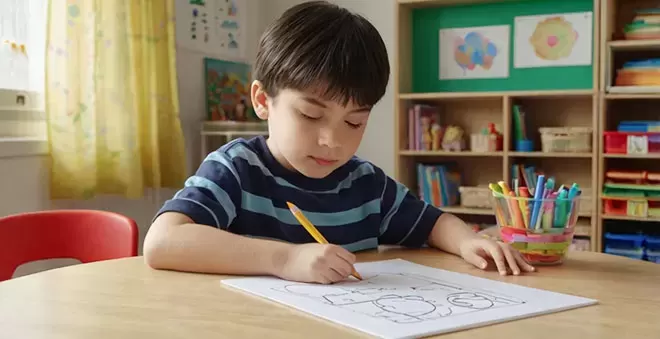
Children are naturally drawn to engaging visuals and a sense of accomplishment. The friendly octopus illustration on this worksheet adds a playful element, making the task less daunting and more inviting. The repetitive nature of tracing, combined with clear guidance, allows children to experience success quickly, which boosts their self-esteem and motivation to learn. They enjoy the feeling of making a complete letter and seeing their progress.
The visual of the octopus can also spark imagination. You can encourage them to name the octopus or tell a short story about it, further integrating the learning experience with creative play. This makes the Letter O tracing activity feel less like a chore and more like an enjoyable game.
Encouraging Consistent Practice
Regular practice is vital for developing strong handwriting skills. To encourage children to keep practicing, make it a fun and consistent part of their day. Here are some ideas:
- Short, Frequent Sessions: Instead of long, tedious sessions, opt for 5-10 minute bursts of tracing practice a few times a day.
- Reward System: Use stickers or a simple chart to track their progress. Once they complete a row or a page, they earn a small reward.
- Integrate with Play: Suggest tracing the letter 'O' with different colored crayons or markers. "Can you trace the 'O' with a red crayon, just like an apple?"
- Showcase Their Work: Display their completed worksheets on the refrigerator or a bulletin board to celebrate their achievements.
- Lead by Example: Sit with them and trace alongside them, making it a shared activity.
By making practice enjoyable and rewarding, children will be more inclined to engage with the worksheet and improve their alphabet tracing skills over time.
Extended Learning Activities for Letter O
Once your child is comfortable with Letter O tracing, you can expand the learning with these creative activities:
- Letter O Hunt: Go on a scavenger hunt around the house or classroom to find objects that start with the letter 'O' (e.g., orange, onion, owl toy).
- Octopus Craft: Create an octopus craft using paper plates, construction paper, and googly eyes. This reinforces the visual connection to the worksheet's character.
- O-Shaped Snacks: Prepare snacks in the shape of an 'O', such as round crackers, orange slices, or even O-shaped cereal.
- Story Time with 'O' Words: Read books that feature many words starting with 'O' or create a simple story together, emphasizing 'O' words.
- Playdough 'O's: Have children roll playdough into long snakes and then form them into the letter 'O'. This is excellent for strengthening hand muscles.
- Connect the Dots 'O': Create a simple connect-the-dots activity that forms the letter 'O', adding a fun problem-solving element.
These activities help solidify the learning by engaging multiple senses and making the concept of the letter 'O' more concrete and memorable. They also provide opportunities to practice pre-writing skills in varied contexts.
Suitable Age Group for This Worksheet
This particular Letter O tracing worksheet is best suited for children aged 3-5 years old. At this stage, children are typically developing their fine motor skills, beginning to recognize letters, and showing an interest in pre-writing activities. The large tracing area and clear directional guides are ideal for beginners. Younger children might benefit from hand-over-hand assistance, while older children in this range can practice independently.
Downloading and Printing Your Free Worksheet
Getting started with this valuable learning tool is simple. You can download this Letter O tracing worksheet for free, without any watermarks or distracting advertisements. It's provided in a standard printable PDF format, ensuring high-quality output on any home or classroom printer.
To download, simply click the download button on the page. Once downloaded, open the PDF file and print it out. For best results, print on regular letter-sized paper (8.5 x 11 inches). You can print multiple copies for repeated practice or laminate a copy for use with dry-erase markers, making it a reusable resource. This makes it a sustainable option for printable worksheets.
Ready to Start?
Click below to get your free, high-quality Letter O tracing worksheet today and help your child on their journey to confident writing!
No watermarks, no ads, just pure learning content.
Detailed Look at the Tracing Lines
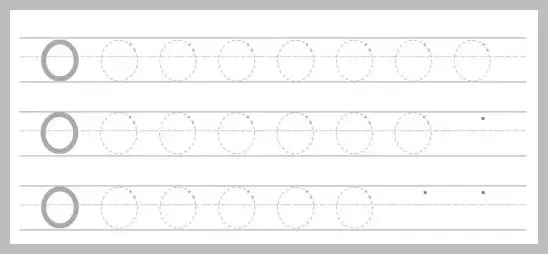
The worksheet provides multiple rows of tracing practice, progressing from larger, more guided 'O's to smaller ones. This gradual reduction in size helps children refine their control and adapt to different writing scales. Each dotted 'O' offers a clear path, making it easy for young hands to follow. The repetition is key to building muscle memory and consistency in letter formation. Notice how the initial large 'O' includes a clear starting dot and a single directional arrow, indicating the counter-clockwise stroke. This visual instruction is critical for establishing correct habits from the beginning.
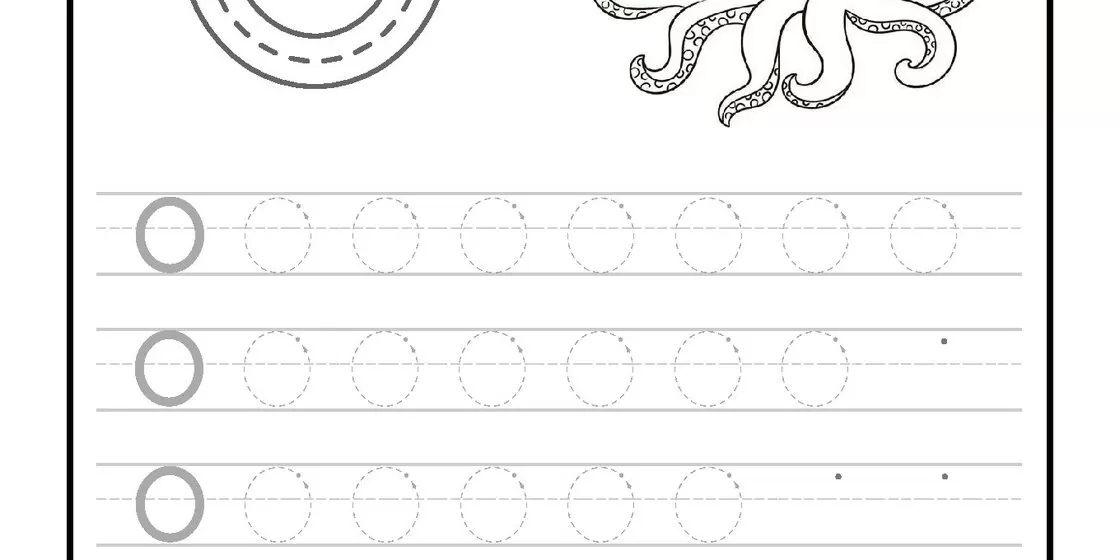
Further down the page, the tracing lines become smaller, requiring more precise movements. This progression is thoughtfully designed to challenge children as their skills improve, preparing them for writing on standard lined paper. The consistent layout across rows reinforces the correct formation of the letter 'O' through repeated, structured practice.
Popular Worksheets
Printable resources families and teachers are downloading now.
 Free
Free
 Free
Free
 Free
Free
 Paid
Paid