
Mastering Letter N Tracing: 9 Nifty Steps for New Writers!

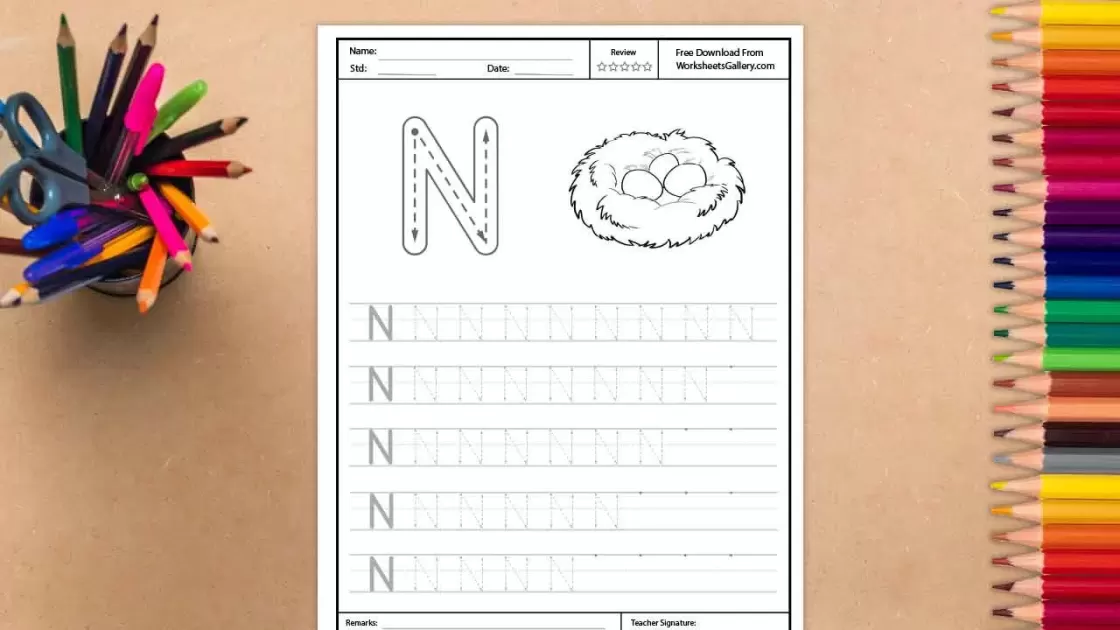
Nurturing Early Writing Skills with Letter N Tracing
Learning to write the alphabet is a foundational step in a child's educational journey. Our specialized worksheet for Letter N tracing provides a structured yet engaging way for young learners to practice forming the uppercase 'N'. This printable resource is designed to help children develop crucial fine motor skills, hand-eye coordination, and letter recognition, all while making the learning process enjoyable. The clear, dotted lines guide little hands, building confidence with each stroke. Parents and educators will find this worksheet an invaluable tool for reinforcing early literacy concepts in a fun and interactive manner.
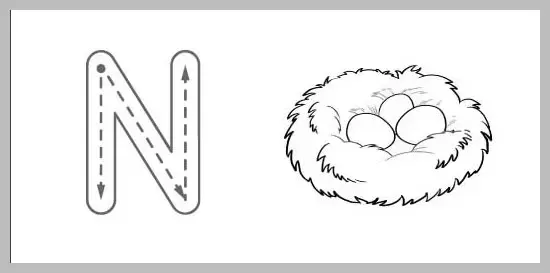
The visual cue of a nest with eggs on the worksheet connects the letter 'N' to a familiar object, aiding in phonetic association and memory retention. This kind of contextual learning is highly effective for preschoolers and kindergarteners, as it makes abstract concepts more concrete and relatable. By repeatedly tracing the letter 'N', children not only improve their handwriting but also strengthen the neural pathways associated with reading and writing, setting them up for future academic success.
Why Early Letter Tracing Matters
Introducing letter tracing early on is more than just learning to write; it's about building a robust foundation for literacy. Tracing activities like this Letter N tracing worksheet help children understand the shapes and strokes that make up each letter. This visual and kinesthetic learning experience is vital for developing pre-writing skills, which are essential before children can confidently write letters independently. It also familiarizes them with the left-to-right progression of writing, a fundamental concept in English literacy.
- Hand-Eye Coordination: Following the dotted lines sharpens the connection between what children see and what their hands do.
- Fine Motor Skill Development: Holding a pencil correctly and controlling its movement strengthens the small muscles in the hands and fingers.
- Letter Recognition: Repeated exposure to the letter 'N' in its correct form helps children recognize it in various contexts.
- Pre-Writing Confidence: Successfully tracing letters builds confidence, encouraging children to attempt more complex writing tasks.
- Phonological Awareness: Associating the letter 'N' with words like 'nest' helps develop an understanding of letter sounds.
- Preparation for School: Regular practice with worksheets like this prepares children for the academic demands of kindergarten and beyond.
How This Worksheet Builds Key Skills
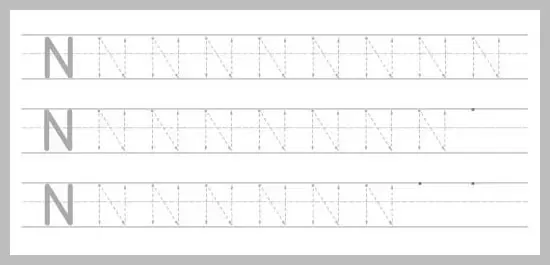
This specific Letter N tracing worksheet is thoughtfully designed to target several developmental areas simultaneously. The large, clear outline of the uppercase 'N' with directional arrows provides explicit guidance for forming the letter correctly. This visual aid is crucial for preventing the development of incorrect writing habits early on. The multiple rows of dotted 'N's offer ample opportunity for repetitive practice, which is key to muscle memory development.
The inclusion of the nest illustration serves as a thematic anchor, making the learning experience more memorable and enjoyable. Children can color the nest after tracing, adding an artistic element that further engages their creativity and strengthens their focus. This multi-sensory approach ensures that different learning styles are catered to, making the worksheet effective for a wide range of young learners. It's a simple yet powerful tool for reinforcing letter knowledge.
Integrating Letter N Tracing into Learning Routines
At Home: A Cozy Corner for N-Practice
Creating a dedicated, comfortable space for learning at home can significantly impact a child's engagement. For Letter N tracing, set up a small table with good lighting. Print out a few copies of the worksheet and have a variety of writing tools available – pencils, crayons, or even washable markers – to keep things interesting. Start by demonstrating how to trace the large 'N' at the top, following the arrows. Encourage your child to say the letter 'N' aloud and make its sound as they trace. Point to the nest and ask them what other words start with 'N'.
A practical scenario might involve a parent sitting with their child for 10-15 minutes each day. For example, after breakfast, before playtime, or as a quiet wind-down activity before dinner. "Let's find all the 'N's today!" you might say, making it a little game. Celebrate every completed row, no matter how imperfect. Positive reinforcement is key to building a child's confidence and fostering a love for learning. You could even create a small 'N' chart where they put a sticker for each day they practice their Letter N tracing.
In the Classroom: Group and Individual Activities
Teachers can effectively incorporate this Letter N tracing worksheet into daily literacy centers or as a warm-up activity. Begin with a whole-group discussion about the letter 'N' and its sound, perhaps using flashcards or a song. Distribute the worksheets and guide students through the initial tracing steps, emphasizing correct pencil grip and stroke order. The nest illustration can spark a mini-lesson on animals that build nests, integrating science into literacy.
Consider a classroom scenario where students are working independently at various stations. One station could be dedicated to letter formation, where this worksheet is available. A teacher might circulate, offering individual assistance and encouragement. For students who finish quickly, have them identify other 'N' words in a picture book or draw their own 'N' words. The worksheet's clear layout makes it easy for teachers to quickly assess a child's progress and identify areas where extra support might be needed, such as consistent line formation or directional accuracy.
Common Tracing Mistakes and Encouragement
Troubleshooting Typical Challenges
When children are first learning Letter N tracing, it's common to see a few typical mistakes. These are part of the learning process and can be easily addressed with patience and targeted guidance. One frequent issue is inconsistent line pressure, where some parts of the letter are very dark and others are faint. This often indicates a lack of fine motor control or an incorrect pencil grip. Another common mistake is tracing outside the lines, which suggests developing hand-eye coordination is still in progress.
Children might also struggle with the correct stroke order, especially for letters with multiple lines like 'N'. They might draw the diagonal line first instead of the vertical ones. Reversing letters, though more common with 'b' and 'd', can also happen with 'N' if the child doesn't internalize the left-to-right direction. Remember, these are not signs of failure but opportunities for gentle correction and repeated practice. Focus on the process, not just the perfect outcome.
Ideas for Positive Reinforcement
Encouragement is vital for young learners. Instead of pointing out errors directly, highlight what they did well. "Look how straight you made that first line!" or "Great job staying mostly on the dotted path!" can be very motivating. For children struggling with pencil grip, try using thicker pencils or pencil grips designed for small hands. Make the tracing activity a short, positive experience rather than a chore. If a child is getting frustrated, take a break and return to it later.
Consider using playful praise or a reward system, like stickers or a special stamp for completed worksheets. Reading books that feature words starting with 'N' can also reinforce the letter's importance and make learning more engaging. Turn it into a game: "Can you find the 'N' in 'napkin'?" or "Let's count how many 'N's we can trace today!" This keeps the learning lighthearted and fun, encouraging consistent practice without pressure.
Expanding Learning Beyond the Worksheet
Creative Activities for Letter N
Once children are comfortable with Letter N tracing, extend their learning with these engaging activities:
- "N" Nature Walk: Go on a walk and look for objects starting with 'N', like 'nuts', 'new leaves', or 'nests'. Take pictures or draw what you find.
- Noodle N's: Use dry noodles to form the letter 'N' on a piece of paper, then glue them down. This adds a tactile element to letter formation.
- "N" Story Time: Read books where the letter 'N' is prominent or create a short story together using as many 'N' words as possible.
- Name Game: If your child's name or a family member's name contains an 'N', highlight it and practice writing that specific letter.
- Nest Craft: Create a simple nest craft using twigs, yarn, or paper strips, reinforcing the visual from the worksheet.
These activities not only reinforce letter recognition but also encourage creativity, critical thinking, and language development. They help children see the letter 'N' in real-world contexts, making the learning more meaningful and memorable. For more alphabet practice, explore our Letter M tracing worksheet or our comprehensive collection of alphabet worksheets.

Why Children Enjoy This Tracing Activity
Children are naturally drawn to activities that offer a sense of accomplishment and a touch of novelty. This Letter N tracing worksheet provides clear, achievable goals – tracing each letter – which gives them a boost of confidence with every completed line. The simple, clean design prevents overwhelming visual clutter, allowing them to focus on the task at hand. The charming nest illustration adds a friendly, non-intimidating element that makes the page more inviting. It's not just a blank page of lines; it's an opportunity to interact with a familiar image while learning.
The repetitive nature of tracing, when presented positively, can be quite calming and meditative for some children. It allows them to practice without the pressure of perfect freehand writing right away. The immediate visual feedback of seeing their traced letter appear helps them understand their progress, which is incredibly satisfying for young learners. This positive feedback loop encourages them to continue practicing, turning a fundamental skill into an enjoyable activity. For other letter practice, consider our Letter O tracing worksheet or Letter P tracing worksheet.
Perfect for Preschoolers and Early Kindergarteners
This Letter N tracing worksheet is ideally suited for children aged 3-5. At this developmental stage, children are typically developing their fine motor skills, learning to hold a pencil, and beginning to recognize letters. The large format of the uppercase 'N' and the clear tracing paths are perfect for small hands that are still gaining control. It provides just enough challenge without being overwhelming, making it an excellent resource for both preschoolers preparing for kindergarten and early kindergarteners solidifying their letter knowledge.
For 3-year-olds, focus on the large tracing letter at the top and the first few rows, offering plenty of assistance. For 4-5 year olds, encourage more independence and accuracy as they progress through the lines. The simple design ensures that the focus remains on letter formation, making it an effective tool for this crucial age group.
Download Your Free Letter N Tracing Worksheet
Ready to help your child master the letter 'N'? This high-quality Letter N tracing worksheet is available for instant download. You'll receive a printable PDF file, completely free of watermarks or distracting advertisements, ensuring a clean and professional learning experience.
To get your copy, simply click the download button. Print it at home or in the classroom as many times as you need. This versatile resource is perfect for individual practice, small group activities, or as part of a larger literacy curriculum. Provide your child with the tools they need to succeed in their early writing journey!
Popular Worksheets
Printable resources families and teachers are downloading now.
 Free
Free
 Free
Free
 Free
Free
 Free
Free