
Queen's Letter Q Tracing: 7 Awesome Steps for Kids!

Discover the Regal Path to Letter Q Mastery
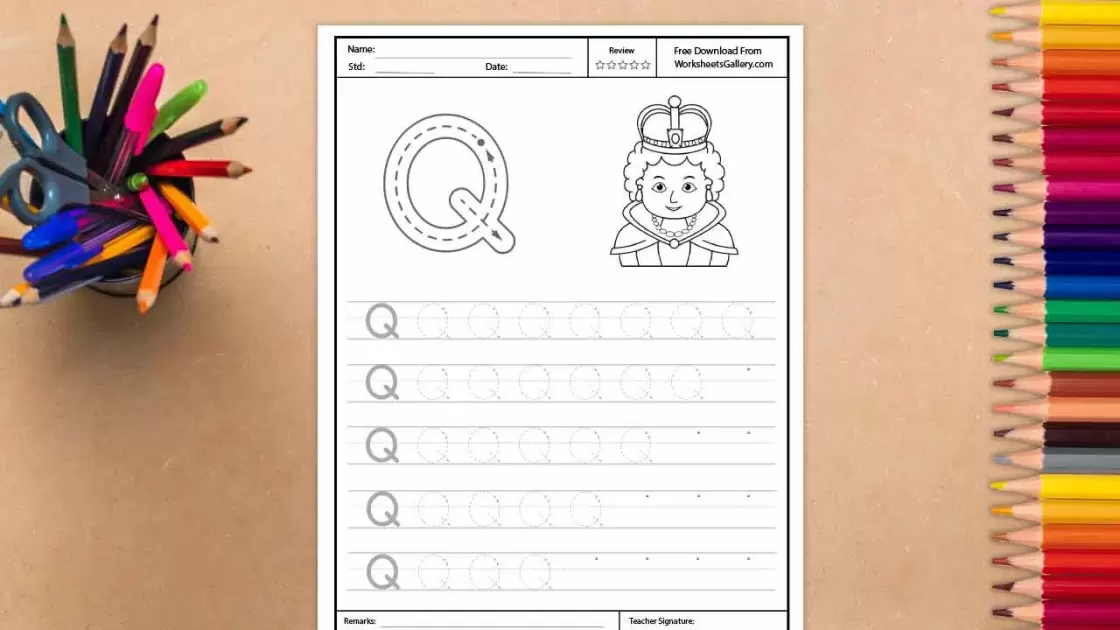
Welcome to a delightful journey of early literacy! This printable worksheet is designed to introduce children to the fascinating uppercase Letter Q Tracing. Through guided tracing, little ones will develop crucial fine motor skills and begin to recognize this unique letter. The engaging design, featuring a queen, makes learning feel like a royal adventure. This resource is perfect for parents and educators looking to provide a fun and effective way to practice handwriting. Let's get started on building a strong foundation for writing success!
What's Inside This Royal Tracing Adventure?
- Clear tracing lines for the uppercase Letter Q.
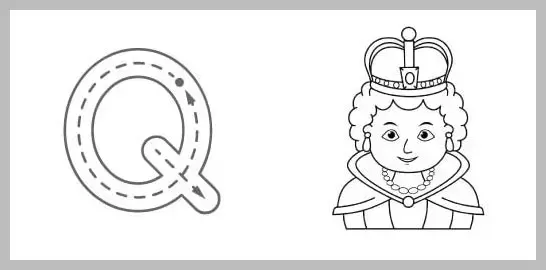
- Directional arrows to guide proper stroke order.
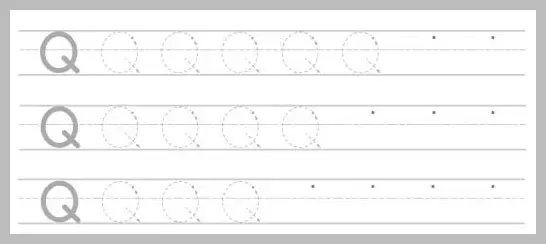
- Multiple rows of practice to reinforce learning.
- An engaging illustration of a queen to spark imagination.
- Space for name and date, perfect for classroom or home use.
Why Letter Q Tracing is a Crown Jewel in Early Education
Mastering the uppercase Letter Q is more than just forming a shape; it's a significant step in a child's educational development. This Letter Q tracing worksheet provides a structured yet playful environment for children to practice. The repetitive nature of tracing helps solidify the motor memory required for writing. Beyond just the letter itself, engaging with tracing activities like this one builds confidence and a positive attitude towards learning. It's a foundational skill that opens doors to reading, writing, and broader academic success. We believe that consistent practice with well-designed materials is key to helping children thrive, and this letter tracing resource is crafted with that in mind.
The Royal Benefits of Tracing the Letter Q
Enhanced Fine Motor Skills
Holding a pencil correctly and making controlled movements to follow dotted lines significantly refines the small muscles in a child's hands and fingers. This is essential for tasks like buttoning clothes, using utensils, and eventually, writing entire words and sentences.
Improved Hand-Eye Coordination
The act of watching the pencil move and guiding it precisely along the designated path strengthens the connection between what the eyes see and what the hands do. This coordination is vital for many everyday activities, from sports to reading.
Letter Recognition and Formation
Repeatedly tracing the Letter Q helps children internalize its shape, strokes, and direction. This visual and kinesthetic learning process makes it easier for them to recognize the letter when they see it and to form it independently later.
Increased Focus and Concentration
Completing a tracing activity requires sustained attention. Children learn to focus on the task at hand, ignore distractions, and work towards a goal, which are crucial skills for academic success and beyond.
Boosted Confidence and Independence
Successfully completing a tracing worksheet provides a sense of accomplishment. Each correctly formed letter builds a child's confidence in their abilities and encourages them to tackle new challenges independently.
Preparation for Writing
This worksheet is a direct precursor to independent writing. By mastering tracing, children develop the muscle memory and control needed to write letters, words, and sentences smoothly and legibly.
A Royal Decree for Home and Classroom Use
Integrating this Letter Q tracing worksheet into your routine is simple and effective. Whether at home or in a classroom setting, the goal is to make learning an enjoyable experience. The visual appeal of the queen and the clear structure of the worksheet are designed to capture a child's attention and guide them through the learning process.
Home Learning Scenarios
Imagine a quiet afternoon at home. Your child sits at the kitchen table, a pencil in hand, ready to tackle the Letter Q. You can sit with them, offering gentle guidance, or let them work independently if they are comfortable. This worksheet can be a wonderful way to wind down after a busy day or to start a learning session. For instance, after reading a storybook that features a queen or the letter Q, you can introduce this tracing activity to reinforce the theme and the letter's shape. This makes learning contextual and more memorable.
Classroom Integration
In a classroom, this worksheet fits perfectly into a literacy center. Children can work on it individually or in small groups. Teachers can use it as part of a morning routine, a transition activity, or as a take-home assignment. The inclusion of spaces for 'Name' and 'Date' makes it easy to track student progress and manage classroom activities. For example, a teacher might introduce the letter Q with a song or a puppet show featuring a queen, and then have students complete the tracing worksheet to solidify their understanding. This multi-sensory approach ensures that different learning styles are addressed.
Developing Essential Skills with the Letter Q
This worksheet is a powerful tool for developing a range of skills critical for a child's holistic development. It goes beyond simple letter formation to nurture cognitive, motor, and even language abilities.
Cognitive Skill Development
Tracing the Letter Q enhances a child's ability to recognize patterns and sequences. Following the directional arrows teaches them to understand and execute instructions, a key cognitive skill. The visual association with the queen also aids in memory retention and concept formation. This structured approach to learning the Letter Q helps build a strong cognitive foundation for more complex academic tasks.
Motor Skill Development
The physical act of tracing is paramount for developing fine motor skills. Children learn to control their grip, pressure, and the precise movements of their fingers and wrist. This is crucial for developing the dexterity needed for writing, drawing, and countless other daily tasks. The worksheet provides ample opportunities to practice these movements, strengthening the muscles and improving coordination.
Language and Literacy Skills
Introducing the Letter Q is also an opportunity to expand vocabulary. Discussing the queen, her crown, and other related 'Q' words (like 'quiet', 'quilt', 'queenly') enriches a child's language comprehension and expressive abilities. This worksheet serves as a springboard for conversations that build a child's understanding of language and its various components, paving the way for reading fluency.
Common Challenges and How to Overcome Them
While tracing is generally straightforward, some children might encounter minor difficulties. Understanding these common challenges can help parents and educators provide targeted support.
Navigating Tracing Troubles
Incorrect Grip
Some children may grip the pencil too tightly or too loosely. Encourage a relaxed, "tripod" grip (thumb, index, and middle finger). You can use pencil grips or even offer thicker crayons for easier handling.
Straying from the Lines
If a child consistently goes outside the lines, it might indicate a need for more practice with hand-eye coordination. Start with larger letters or thicker tracing lines. Celebrate effort over perfection.
Ignoring Directional Arrows
Children might not understand the purpose of arrows. Gently guide their hand, explaining that the arrows show the "right way" to draw the letter. Use verbal cues like "start here, go around, and down."
Fatigue or Frustration
Young children have short attention spans. Keep tracing sessions brief, around 5-10 minutes. If frustration sets in, take a break and return to it later. Make it fun, not a chore.
Encouraging Royal Practice
Consistency is key when it comes to mastering new skills. Here are some ways to encourage your child to practice letter tracing regularly:
- Celebrate Small Victories: Acknowledge every effort, no matter how small. Praise their focus, their neat lines, or their persistence.
- Make it a Game: Turn tracing into a fun challenge. Can they trace the letter Q perfectly? Can they trace it faster next time?
- Connect to Real Life: Point out the letter Q in books, on signs, or in names. Discuss words that start with Q, like 'queen' or 'quiet'.
- Offer Variety: While this worksheet is excellent, consider other ways to practice the letter Q, such as using playdough, drawing with chalk, or painting. For more ideas, explore our alphabet activities.
- Positive Reinforcement: Use stickers, small rewards, or verbal praise to motivate continued practice.
Extended Royal Activities
Once your child has mastered tracing the Letter Q, extend the learning with these engaging activities:
Queenly Storytelling
Create a story about a queen who loves to be quiet or wears a beautiful quilt. Encourage your child to use the letter Q in their own sentences. This builds narrative skills and reinforces vocabulary.
Q-Tip Painting
Use Q-tips dipped in paint to create designs or even trace the letter Q. This offers a different sensory experience and further refines fine motor control.
Queen's Crown Craft
Have your child draw, color, and decorate their own queen's crown. They can even try to write the letter Q on it. This activity combines art, creativity, and letter practice.
Letter Hunt
Go on a 'Q' hunt around the house or classroom. Look for the letter Q on cereal boxes, books, or toys. This makes learning active and real-world.
Why Children Adore This Activity
Children are naturally drawn to activities that are visually appealing and interactive. The presence of a regal queen transforms a potentially mundane task into an exciting quest. They enjoy the tactile sensation of guiding the pencil, the satisfaction of completing a row, and the sense of accomplishment that comes with mastering a new skill. The bright, clear design of the worksheet, combined with the opportunity to color or decorate the queen, makes learning feel like play. This positive association with learning is invaluable for their future educational journey. For more engaging printable worksheets, explore our collection.
Download Your Royal Tracing Sheet
Ready to bring this royal learning experience to your child? Downloading and printing this worksheet is straightforward. Simply click the download button, and you'll receive a high-quality, printable PDF file. It's completely free, with no watermarks or distracting ads, ensuring a clean and focused learning experience for your child. Print as many copies as you need for personal or classroom use. This resource is designed to be easily accessible, allowing you to start fostering your child's writing skills right away.
Worksheet Details
Age Group:
4-6
File Format:
Skills Practiced:
Fine Motor Skills, Hand-Eye Coordination, Letter Recognition, Pre-writing Skills, Concentration
Use In:
Home, Preschools, Kindergartens, Tutoring Sessions
Let the royal tracing adventure begin!
Popular Worksheets
Printable resources families and teachers are downloading now.
 Free
Free
 Free
Free
 Free
Free
 Free
Free