
Vibrant Carrot Coloring: 5 Fun Steps for Fine Motor Skills

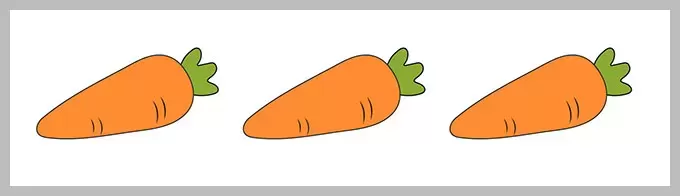
A Colorful Adventure with a Carrot
Welcome to a delightful coloring activity that brings a cheerful carrot to life! This printable worksheet is a fantastic way for young children to engage with colors and shapes, all while developing essential skills. It’s more than just a coloring page; it’s a gateway to creativity and early learning. We believe that the best learning happens when children are having fun, and this Coloring Carrot activity is designed to do just that. It offers a simple yet effective way to introduce basic artistic concepts and build foundational abilities that will serve them well in their educational journey. Let’s get ready to add some vibrant hues to this friendly vegetable!
Why This Carrot Coloring Page is a Gem
In the world of early childhood education, simple activities often yield the most significant results. This Coloring Carrot worksheet stands out because it focuses on core developmental areas in an accessible and enjoyable manner. It’s a tool that parents and educators can readily use to foster growth without requiring complex materials or extensive preparation. The clear outline of the carrot, paired with the implicit instruction to color, provides a clear task for children, allowing them to focus their energy on the creative process. The presence of both a large, outline carrot and a smaller, pre-colored one offers a subtle comparison and an opportunity for discussion, making it a richer learning experience than a simple blank page.
The Wonderful World of Coloring Carrots
Coloring is a fundamental activity for young children, laying the groundwork for many future skills. This specific worksheet, featuring a carrot, offers a unique opportunity to explore color and form. Carrots are familiar objects, often associated with healthy eating and vibrant orange hues, making them relatable and engaging for kids. The act of coloring itself requires a child to hold a crayon or marker, control their hand movements, and stay within the lines – all crucial components of developing fine motor skills. This practice translates directly into better handwriting, improved dexterity for tasks like buttoning clothes or tying shoes, and enhanced hand-eye coordination. The simple yet effective nature of this Coloring Carrot activity makes it a valuable addition to any learning routine.
Discovering the Benefits: More Than Just Pretty Colors
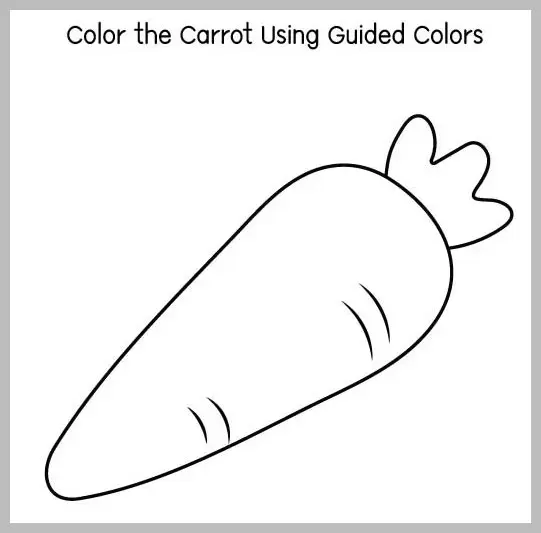
This Coloring Carrot worksheet is packed with developmental advantages that go far beyond simply filling in spaces with color. Each stroke of the crayon contributes to a child's growth in several key areas:
1. Fine Motor Skill Development
The primary benefit is the refinement of fine motor skills. Holding a crayon requires a pincer grasp, which is essential for writing. Carefully guiding the crayon to stay within the lines of the carrot strengthens the small muscles in the fingers and hands. This precision work is invaluable for tasks requiring dexterity, from cutting with scissors to manipulating small objects. The act of coloring a large shape like the carrot helps build endurance in these small muscles.
2. Color Recognition and Association
Children learn to identify and name colors as they work. While the worksheet shows a pre-colored carrot for reference, it encourages children to choose their own colors. This process helps them understand color names and how different colors can be combined. They might associate orange with the carrot, green with its leafy top, and perhaps even imagine other colors for a fantastical carrot. This worksheet provides a low-pressure environment to practice color identification.
3. Hand-Eye Coordination
Coloring requires the eyes to guide the hands. Children must look at the shape of the carrot and direct their crayon to fill it in accurately. This constant feedback loop between visual input and motor output significantly improves hand-eye coordination, a skill vital for sports, writing, and many everyday tasks.
4. Concentration and Focus
Completing a coloring page demands sustained attention. Children learn to focus on the task at hand, ignoring distractions, and working towards a finished product. This ability to concentrate is a cornerstone of academic success and is practiced effectively with activities like this Coloring Carrot worksheet.
5. Creativity and Self-Expression
While the worksheet provides a structure, it leaves ample room for creativity. Children can choose how to color the carrot – realistically or imaginatively. They can add patterns, backgrounds, or even give the carrot a personality. This freedom allows for self-expression and fosters a sense of individuality.
6. Introduction to Shapes and Forms
The carrot itself is a distinct shape, typically a cone with leafy greens. Coloring it helps children recognize and internalize these basic geometric forms. Discussing the shape of the carrot can further enhance this understanding, linking the visual activity to early geometry concepts.
7. Patience and Completion
Finishing a coloring page, especially a larger one, teaches children the value of patience and the satisfaction of completing a task. They learn to work through challenges, like filling in small details or correcting a mistake, leading to a sense of accomplishment.
Bringing the Carrot to Life: Home and Classroom Use
This versatile Coloring Carrot worksheet can be a wonderful addition to both home and classroom learning environments. Here are some practical ways to use it:
At Home: A Relaxing Creative Outlet
Imagine a quiet afternoon where your child sits at the table, happily engrossed in coloring. This worksheet provides just that opportunity. It's perfect for:
- Quiet Time Activity: Offer it during designated quiet times or as a wind-down activity before a nap or bedtime.
- Screen-Free Entertainment: It's an excellent alternative to digital devices, promoting hands-on engagement.
- Skill Building: Use it as a fun way to reinforce fine motor skills and color recognition you might be working on.
- Creative Expression: Let your child experiment with colors and patterns without any pressure.
Scenario: Sarah’s mom notices she’s been a bit restless after school. She prints out the Coloring Carrot worksheet and sets up crayons on the kitchen table. Sarah happily grabs a crayon and starts filling in the large carrot, talking about how she wants to make it the brightest carrot ever. Her mom joins her for a few minutes, asking about the colors she’s choosing and praising her careful coloring. This simple activity calms Sarah down and provides a positive bonding moment.
In the Classroom: Enhancing Learning Stations
For educators, this worksheet is a valuable resource that can be integrated into various learning centers:
- Art Center: A staple for the art station, allowing children to practice coloring techniques and explore color mixing.
- Fine Motor Station: Place it alongside other activities that target hand dexterity, like playdough or lacing cards.
- Thematic Learning: If you're studying vegetables, healthy eating, or farm themes, this worksheet fits perfectly.
- Transition Activity: Use it as a quick, engaging activity when children are transitioning between lessons or waiting for others.
Scenario: Mr. Harrison, a preschool teacher, includes the Coloring Carrot worksheet in his 'Healthy Foods' learning center. Children can choose to color the carrot realistically or creatively. He observes that some children are using only orange and green, while others are adding purple stripes or blue leaves. He uses this as an opportunity to discuss how carrots can look different and encourages them to describe their colored carrots. This fosters both artistic exploration and language development.
Developing Key Skills: A Closer Look
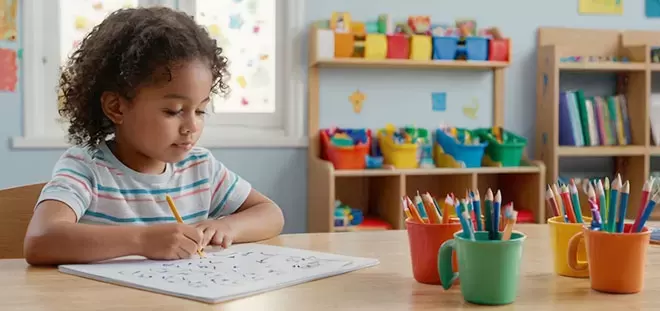
Beyond the general benefits, let's pinpoint the specific skills this worksheet helps cultivate:
Cognitive Skills
- Color Identification: Recognizing and naming colors.
- Shape Recognition: Identifying the conical shape of the carrot and the feathery shape of its greens.
- Problem-Solving: Deciding which colors to use and how to fill the space effectively.
- Following Instructions: Understanding the task of coloring within the lines.
Motor Skills
- Fine Motor Control: Precise hand and finger movements for coloring.
- Grasp Development: Practicing the tripod or pincer grasp for holding writing tools.
- Hand-Eye Coordination: Aligning visual perception with motor actions.
- Pre-writing Skills: Developing the foundational movements needed for writing letters and numbers.
Language and Social Skills
- Vocabulary Expansion: Learning words like 'carrot', 'orange', 'green', 'leafy', 'root', 'vegetable'.
- Descriptive Language: Talking about the colors used, the shape, and what the carrot might be used for.
- Turn-Taking: If used in a group setting, children learn to share crayons and wait their turn.
- Following Directions: Understanding and executing instructions given by an adult.
Making it More Engaging: Extended Activities
To deepen the learning experience and keep children excited, consider these extensions:
1. Carrot Story Time
After coloring, read a book about carrots, gardening, or healthy eating. Stories like 'The Giant Carrot' or 'Tops and Bottoms' can spark imagination and connect the coloring activity to a broader narrative. You can even create your own story about the carrot your child just colored!
2. Sensory Bin Fun
Create a sensory bin with dried beans, rice, or sand. Hide small toy carrots or real carrot sticks (if safe and age-appropriate) for children to find. Discuss the texture and smell of real carrots, comparing them to the colored version.
3. Carrot Craft Creations
Use the colored carrot as a base for a craft. Children could glue it onto paper and add yarn for hair, googly eyes for a face, or cut out shapes to create a garden scene around it. This encourages further creativity and fine motor practice.
4. Taste Test Adventure
If possible, provide children with a real carrot to taste. Discuss its texture, crunch, and flavor. Compare it to the colors they used on the worksheet. This connects the abstract activity to a real-world sensory experience and promotes healthy eating habits.
5. Shape Hunt
After coloring, go on a shape hunt around the house or classroom. Look for other cone-shaped objects or things that are orange. This reinforces shape and color recognition in the environment.
Why Children Adore Coloring Carrots
Children are naturally drawn to coloring activities for several reasons. The simple act of holding a crayon and making marks is inherently satisfying. With the Coloring Carrot worksheet, the appeal is amplified:
- Tangible Result: They create something visible and colorful, providing immediate gratification.
- Sense of Control: They get to decide the colors and how to fill the space, giving them agency.
- Familiar Object: Carrots are often seen in books, on plates, or in gardens, making them relatable.
- Low Stakes: It's a low-pressure activity where mistakes are easily corrected or become part of the creative process.
- Sensory Engagement: The tactile experience of crayons and paper is enjoyable.
Navigating Common Challenges
While coloring is generally straightforward, some common challenges might arise. Understanding these can help you support the child more effectively:
1. Coloring Outside the Lines
This is very common for young children. Instead of correcting them harshly, gently guide their hand or suggest focusing on a smaller section at a time. Celebrate the effort and the colors they choose, rather than just perfection. You can also try thicker crayons or markers, which can be easier to control.
2. Difficulty Holding the Crayon
If a child is struggling with the standard grip, try offering chunky crayons, triangular crayons (which encourage a proper grip), or even painting with brushes. Patience and consistent practice are key to developing a comfortable and effective grip.
3. Lack of Interest or Frustration
If a child becomes frustrated, take a break. Offer to color alongside them, model a calm approach, or switch to a different activity. Sometimes, a break and a fresh start can make all the difference. Remind them that it’s okay if it’s not perfect.
4. Overwhelm with Choices
For very young children, too many crayon colors can be overwhelming. Start with just a few basic colors (like orange, green, brown) and gradually introduce more options as they become more comfortable.
Encouraging Consistent Practice
To make sure children continue to benefit from activities like this Coloring Carrot worksheet, consistent exposure is important. Here are some tips:
- Make it Accessible: Keep coloring supplies and a variety of printable worksheets readily available.
- Positive Reinforcement: Offer praise for effort, creativity, and completion, not just the final product.
- Integrate into Routine: Schedule a short coloring time regularly, perhaps daily or a few times a week.
- Variety is Key: Offer different types of coloring pages – animals, vehicles, nature scenes – to maintain interest. Explore our library of free worksheets for more options.
- Model the Behavior: Children learn by example. Color alongside them occasionally to show your enjoyment and support.
Age Appropriateness
This Coloring Carrot worksheet is ideally suited for children aged 3-5 years old. At this age, children are developing their fine motor skills, color recognition, and ability to follow simple instructions. Younger children might need more guidance, while older children in this range can complete it with greater independence and creativity. For slightly older children, you can introduce more complex coloring pages or drawing activities.
Download Your Free Carrot Coloring Page Today!
Ready to add some color and learning to your child's day? Downloading this worksheet is simple and provides immediate access to a fun, educational activity. You'll receive a high-quality, printable PDF file, completely free of charge. There are no watermarks or distracting advertisements, ensuring a clean and focused experience for your child. Simply click the download button to get started on this enjoyable Coloring Carrot adventure!
Why Choose Our Printables?
- Ad-Free Experience: Focused learning without interruptions.
- No Watermarks: Clean, professional-looking printouts.
- Printable Format: Easy to use on any standard printer.
- Educational Value: Designed to support key developmental milestones.
We offer a wide range of free worksheet library resources to support your child's learning journey. Explore other activities like number tracing, letter practice, and more!
Popular Worksheets
Printable resources families and teachers are downloading now.
 Free
Free
 Free
Free
 Free
Free
 Free
Free