
Color the Cow: 6 Fun Steps for Creative Expression

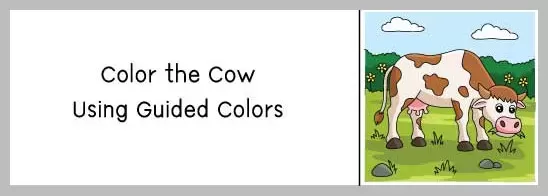
Meet Our Friendly Farm Friend: The "Color the Cow" Worksheet!
Welcome to a wonderfully engaging activity designed to bring a touch of the farm right into your home or classroom! This printable worksheet, centered around the theme to color the cow, offers a simple yet profound opportunity for young children to explore their artistic side while developing crucial early learning skills. Forget the complexities of digital apps; sometimes, the most impactful learning comes from the tactile experience of holding a crayon or colored pencil and bringing a black-and-white image to life. This isn't just about filling in spaces; it's a gateway to imagination, a practice ground for fine motor control, and a vibrant introduction to color theory, all wrapped up in the charming image of a farm animal that children universally adore.
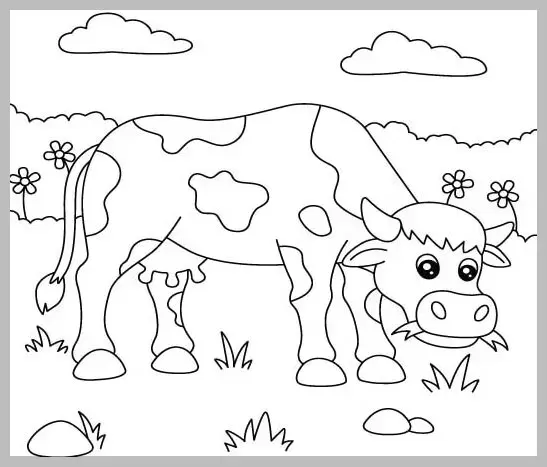
The worksheet presents a clear, friendly illustration of a cow in a pastoral setting, complete with gentle flowers and soft clouds. It's designed with simplicity in mind, ensuring that children of various ages can readily engage with the task. The large outline makes it easy for little hands to navigate, and the open-ended nature of coloring allows for complete creative freedom. Whether your child chooses realistic brown and white patches or opts for a more whimsical, rainbow-hued bovine, the process itself is the primary educational benefit. This activity serves as a fantastic starting point for discussions about farm animals, their sounds, their habitats, and even where milk comes from, transforming a simple coloring page into a rich learning experience.
Why This "Color the Cow" Activity is a Wonderful Choice
Choosing activities that are both enjoyable and beneficial is key for early childhood development. The "Color the Cow" worksheet excels in this regard, offering a multitude of advantages that support a child's growth across several domains. It's more than just a pastime; it's a tool for holistic development.
- Fine Motor Skill Development: Holding and manipulating crayons or pencils, and carefully staying within the lines (or choosing not to!), directly strengthens the small muscles in a child's hands and fingers. This is foundational for later writing, buttoning clothes, and other essential tasks.
- Color Recognition and Exploration: The act of selecting colors and applying them to the cow encourages children to identify and name different colors. It also provides an opportunity to experiment with color combinations and understand how colors can be mixed or layered.
- Hand-Eye Coordination: Translating the visual information of the cow's outline and the chosen colors into physical action on the paper refines the connection between what the eyes see and what the hands do.
- Creativity and Self-Expression: There are no wrong answers when coloring! This freedom allows children to express their unique perspectives and imagination. They can decide if the cow has spots, stripes, or even polka dots, fostering a sense of individuality.
- Focus and Concentration: Completing a coloring page requires sustained attention. For young children, this is an excellent exercise in developing their ability to concentrate on a single task for a period of time, building patience and perseverance.
- Cognitive Development: Discussing the cow, its features, and the colors used can enhance vocabulary and understanding. For instance, you might talk about the texture of a cow's coat or the different shades of brown, green, and white.
- Calming and Therapeutic Benefits: The repetitive motion of coloring can be incredibly soothing for children, helping to reduce anxiety and promote a sense of calm and mindfulness. It provides a quiet, focused activity that can be a welcome break from more energetic play.
Bringing the Farm to Life: Home and Classroom Use
This "Color the Cow" worksheet is incredibly versatile, fitting seamlessly into both home-based learning and structured classroom environments. Its simplicity is its strength, making it accessible and engaging for a wide range of young learners.
At Home: A Creative Corner Companion
Set up a dedicated art station where your child can easily access coloring supplies and this printable. It's perfect for quiet afternoons, a rainy day activity, or a reward after completing other tasks. You can make it a family affair by coloring alongside your child, discussing their choices, and celebrating their finished artwork. Consider framing their completed cow coloring pages to display proudly, offering positive reinforcement and a sense of accomplishment. This simple act of displaying their work validates their effort and encourages continued engagement with creative activities.
Scenario: Imagine a Saturday morning. After breakfast, your child asks, "What can I do?" You hand them the "Color the Cow" worksheet and a box of crayons. They settle at the kitchen table, completely absorbed. You can chat with them about the cow, ask what its name might be, or what sounds it makes, all while they meticulously fill in the patches. This creates a relaxed, educational moment without pressure, fostering a positive association with learning and creativity.
In the Classroom: A Staple for Early Learning
For educators, this worksheet is an invaluable resource. It can be used as a transition activity between lessons, a quiet center activity, or as part of a broader farm-themed unit. Distribute the worksheets at the beginning of a session for children to work on independently. Teachers can use this as an opportunity to circulate, observe fine motor control, and engage in brief conversations about colors and animals, reinforcing vocabulary and social interaction skills. It's also an excellent tool for assessing a child's ability to follow instructions (if specific colors are requested) or their level of creative freedom.
Scenario: In a preschool classroom, the theme for the week is "Farm Animals." On Tuesday, the focus is on cows. After a circle time discussion about cows, the children are given the "Color the Cow" worksheet. While some children carefully color the patches brown and white, others might choose vibrant blues and greens for the cow and the grass. The teacher observes, offering gentle guidance on pencil grip and color choices, and later uses the completed artwork to decorate a "Farm Animals" bulletin board, creating a visually stimulating and personalized learning environment.
Skill Development in Detail
Beyond the obvious artistic output, the "Color the Cow" activity nurtures a range of developmental skills crucial for a child's overall growth.
Motor Skills
The act of gripping a crayon, controlling its pressure, and moving it across the paper is a fundamental exercise for developing fine motor skills. This includes pincer grasp, wrist rotation, and finger isolation, all vital for pre-writing and daily tasks. The larger areas of the cow allow for practice with broader strokes, while smaller details like the eyes or flowers require more precise movements.
Language and Cognitive Skills
Conversations around the worksheet can significantly expand a child's vocabulary. You can introduce terms like 'bovine,' 'pasture,' 'moo,' 'dairy,' or discuss the cow's anatomy (horns, udder, hooves). Asking open-ended questions like "Why did you choose that color for the spots?" or "What do you think the cow is eating?" encourages critical thinking and imaginative responses.
Emotional and Social Development
Completing a task and having it acknowledged provides a sense of achievement and boosts self-esteem. Sharing their artwork, explaining their color choices, or even working alongside peers can foster social skills like turn-taking and communication. It also provides a calm, self-directed activity that can help children learn to manage their emotions and focus.
Visual-Spatial Skills
Understanding how to fill the space on the page, deciding where to place colors, and perceiving the overall composition of the drawing helps develop visual-spatial reasoning. This skill is important for understanding maps, puzzles, and even mathematical concepts later on.

Making It More Engaging: Extended Activities
To further enhance the learning experience and keep young minds captivated, consider these fun extensions:
- Farm Storytelling: Use the colored cow as a character in a story. Ask your child to create a narrative about the cow's day on the farm, its friends, or an adventure it goes on. This encourages imaginative thinking and narrative skills.
- Color Mixing Fun: Provide paints or crayons that can be mixed. Challenge your child to create different shades of brown for the cow's patches or to mix colors to create a unique sky or grass color.
- Farm Animal Sounds: After coloring, engage in a "farm animal sound" game. Have your child make the sound of the cow, and then introduce sounds of other farm animals, perhaps drawing them on the back of the worksheet or in a separate activity.
- 3D Cow Craft: Print two copies of the cow. Have the child color both. Cut out one cow and glue it onto cardboard for stability. Then, cut out the second cow and cut it into pieces (e.g., head, body, legs) to create a 3D effect when attached to the first.
- "Where Does Milk Come From?" Discussion: Use the colored cow as a visual aid to talk about dairy farming. Explain in simple terms how cows produce milk and how it gets to our tables. This connects the activity to real-world concepts.
- Worksheet Library Visit: Explore more creative printables by visiting our free worksheet library. You might find other animal-themed activities or tracing pages that complement this cow coloring.
Common Pitfalls and Encouragement Strategies
While coloring is generally a low-stress activity, parents and educators can help children navigate potential challenges and foster a positive attitude towards learning.
Common Mistakes to Watch For:
- Frustration with staying within the lines: Young children are still developing fine motor control. Avoid overly critical comments if they color outside the lines. Instead, gently guide their hand or suggest using larger crayons.
- Coloring too quickly or haphazardly: If a child rushes through the activity, they might miss out on the developmental benefits. Encourage them to slow down by asking questions about their color choices or the details they are adding.
- Fear of making a mistake: Some children are hesitant to color for fear of not doing it perfectly. Reassure them that coloring is about exploration and expression, not perfection. Emphasize that every coloring is unique and special.
Ways to Encourage Regular Practice:
- Celebrate Every Effort: Display their colored cows, no matter how they turn out. Positive reinforcement is a powerful motivator.
- Provide Variety: Offer different coloring tools like crayons, colored pencils, markers, or even chalk pastels. This keeps the activity fresh and introduces new tactile experiences.
- Connect to Real Life: Visit a local farm or petting zoo if possible, or watch documentaries about farm animals. This provides context and makes the coloring activity more meaningful.
- Integrate with Other Learning: Use the cow coloring page as a springboard for learning about numbers (counting spots), letters (the letter 'C' for Cow), or shapes.
- Make it a Routine: Designate a specific time for creative activities, such as a "Creative Corner" during playtime or a "Friday Art Day."
Why Children Love to Color Cows
Cows hold a special place in a child's imagination. They are often among the first animals children learn about, thanks to their gentle nature, distinctive appearance, and association with familiar products like milk and cheese. The large, clear outlines of cows in coloring pages are inviting and manageable for young artists. The variety of patterns – from solid colors to distinct patches – offers a canvas for creativity. Furthermore, the connection to farm life, often depicted in children's books and media, makes cows relatable and exciting characters for imaginative play. The simple act of coloring provides a sense of control and accomplishment, making each completed cow a small victory.
Download Instructions: Your Free "Color the Cow" Printable
Ready to spark your child's creativity? Downloading this "Color the Cow" worksheet is straightforward and completely free. You'll receive a high-quality, printable PDF file that is ready to be used immediately. Our printables are designed to be ad-free and watermark-free, ensuring a clean and focused experience for your child. Simply click the download button, print on standard paper, and gather your coloring supplies!
To download, please click the designated download link for the worksheet. You will receive a pristine, printable PDF file, perfect for immediate use at home or in the classroom. Enjoy!
Age Appropriateness
This "Color the Cow" worksheet is ideally suited for children aged 3-6 years old. Younger children (3-4) will benefit from the large areas and simple shapes, focusing on basic color recognition and gross motor control. Older children (5-6) can engage with more detailed coloring, color blending, and can participate in extended discussions and activities related to the theme.
Popular Worksheets
Printable resources families and teachers are downloading now.
 Free
Free
 Free
Free
 Free
Free
 Free
Free