
free
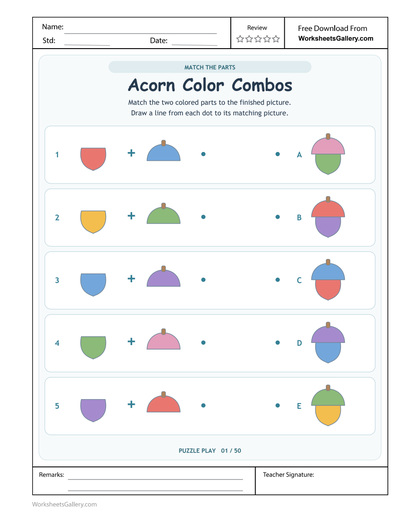
Acorn Colour Matching: 5 Brilliant Cap-and-Base Clues
Acorn Colour Matching invites children to keep the cap and base colours in their own positions while comparing five whole acorns.
Acorn Colour Matching invites children to keep the cap and base colours in their own positions while comparing five whole acorns.
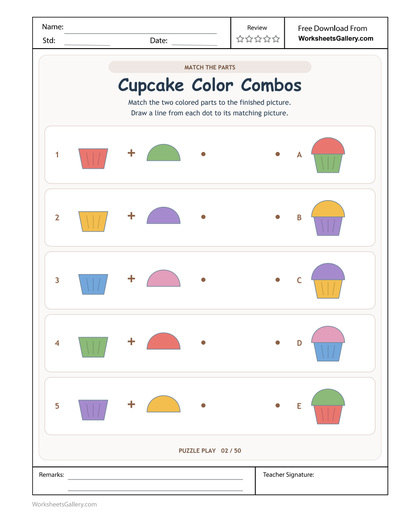
Cupcake Colour Puzzle invites children to name wrapper and frosting separately, then use both clues to reject a tempting partial match.
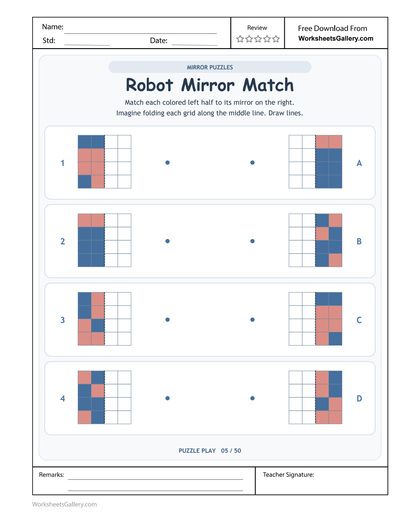
Robot Mirror Grids invites children to compare the cells nearest the centre first, preserving row height while reversing column order.
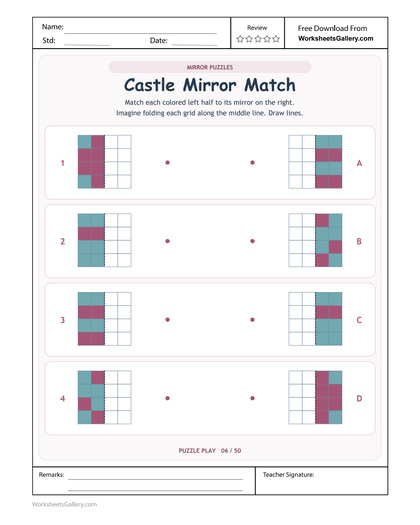
Castle Mirror Puzzle invites children to track a distinctive row through a vertical reflection and check a second row before connecting.
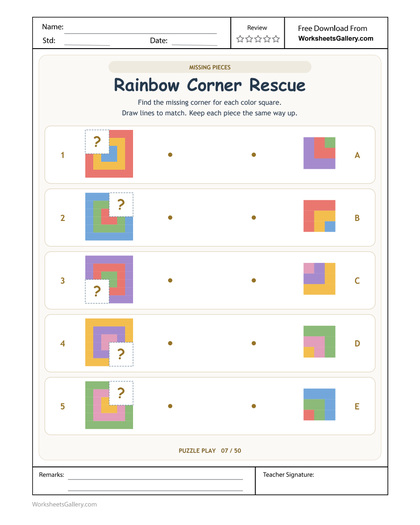
Rainbow Corner Match invites children to use the colours touching a missing corner as boundary clues and keep the candidate upright.
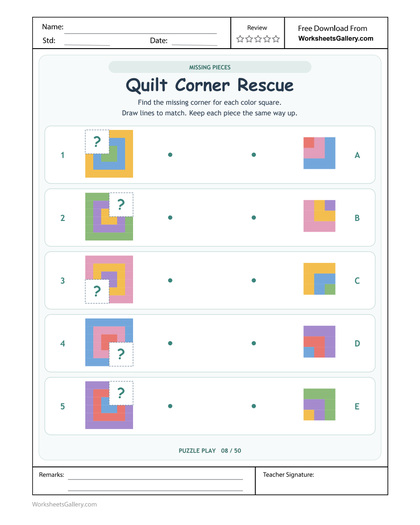
Quilt Corner Clues invites children to describe how colour patches continue across two seams instead of rotating a plausible-looking piece.
Explore a broad wing. Choose separate colors for broad wing areas and fine branch details without copying a supplied palette.
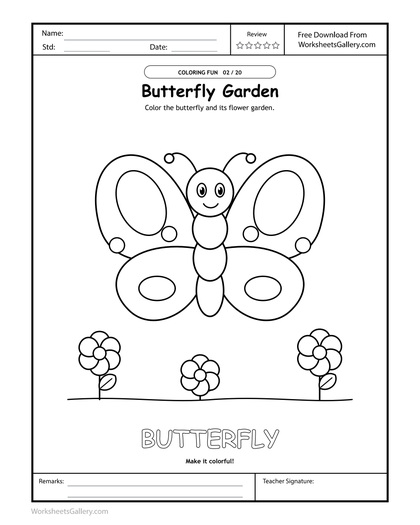
Compare opposite wing shapes. Compare opposite wing regions; matching colors are optional rather than a printed symmetry requirement.
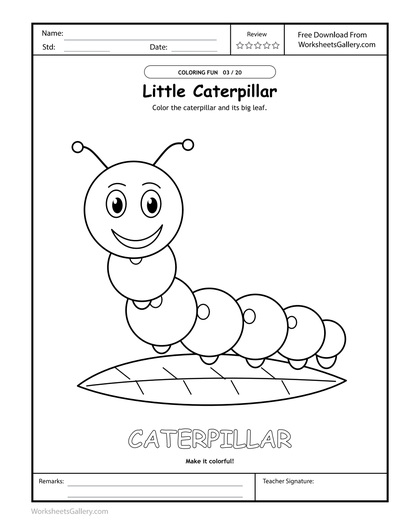
Arrange colors across round body regions. Use body segments as a child-chosen sequence; no compulsory repeating-color rule is printed.
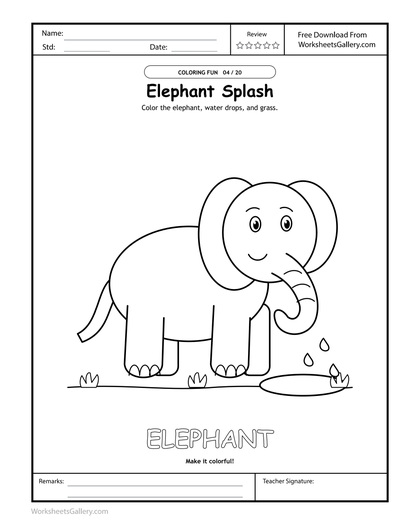
Notice a roomy elephant. Contrast a large animal area with small drops and grass, keeping water symbolism open to imagination.
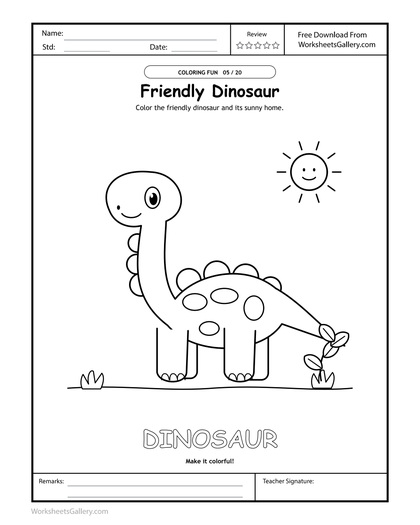
Invent a spotted creature palette. Invent a friendly creature palette and discuss spots and sunny surroundings without species claims.
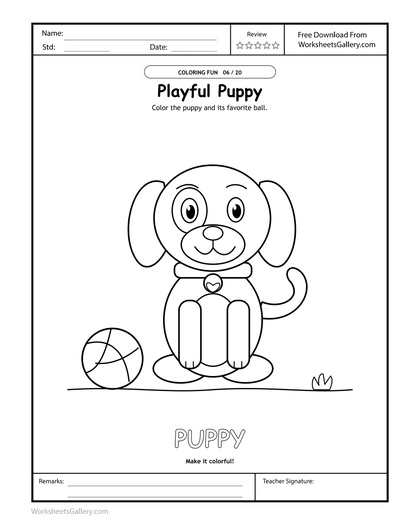
Name the puppy's three color roles. Give the puppy, collar and segmented ball distinct visual identities through personally chosen colors.
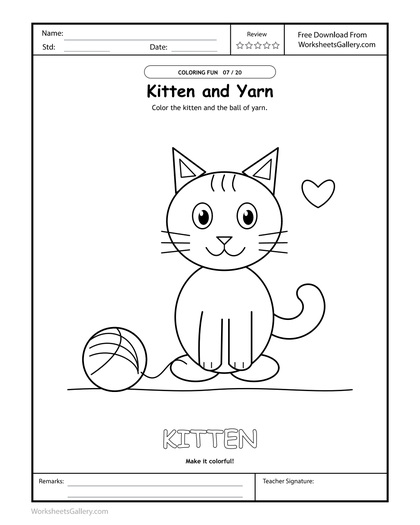
Suggest different surfaces through marks. Compare soft fur suggestions with crossing yarn lines; avoid treating yarn as a real pet toy instruction.
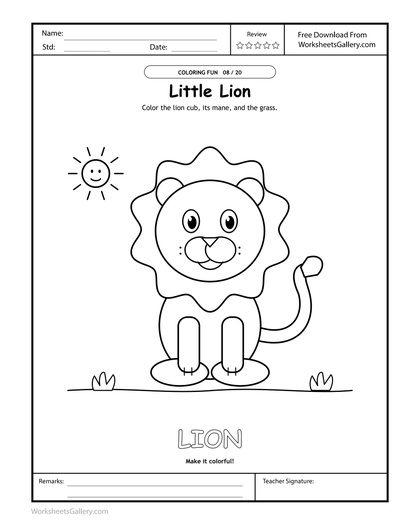
Frame a friendly face with a wavy mane. Use the wavy mane as a frame around a contrasting face; distinguish a cartoon cub from animal facts.
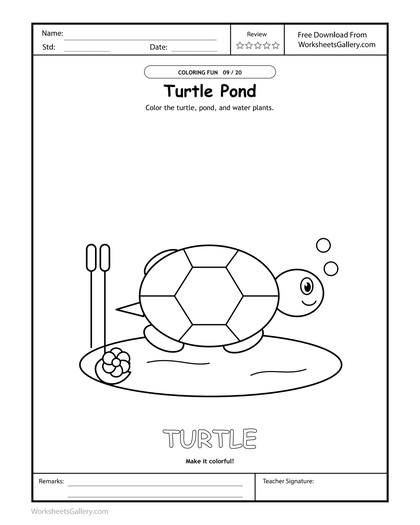
Plan relationships between shell panels. Color shell compartments as a personal mosaic and keep the water and plant setting distinct.
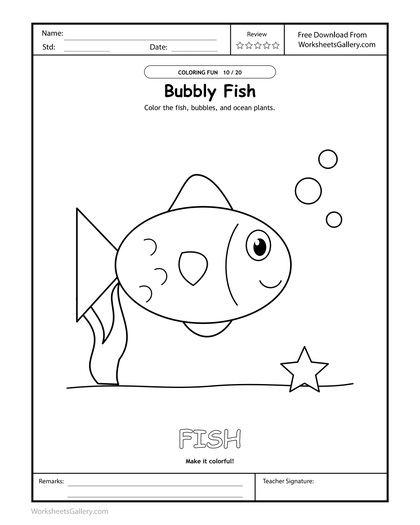
Balance a bold fish against quiet bubbles. Explore lighter bubbles beside a bolder fish without requiring blue water or identical bubble filling.
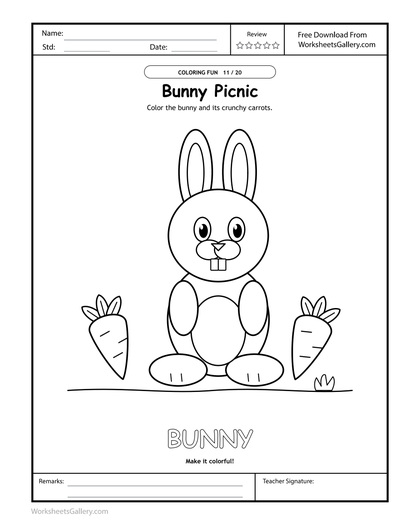
Tell a picnic story with two carrots. Tell an invented picnic story through two carrot colors and a long-eared bunny, without animal-diet advice.
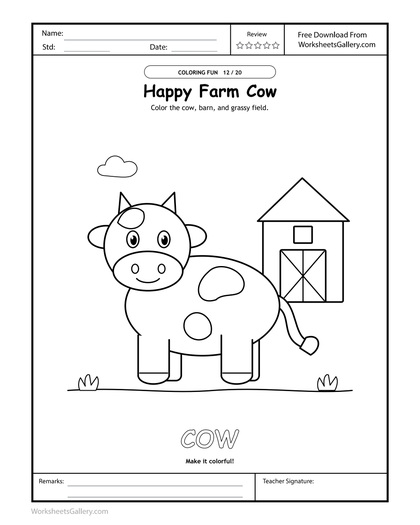
Separate body patches from the barn setting. Separate body patches, animal outline and distant barn through a planned but flexible color arrangement.
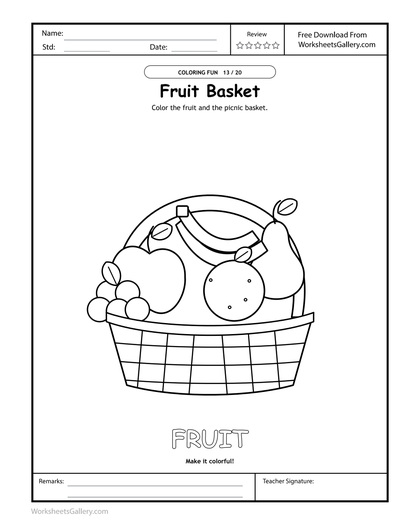
Follow each overlapping fruit boundary. Follow overlapping fruit boundaries before coloring; basket grid cells invite deliberate stroke changes.
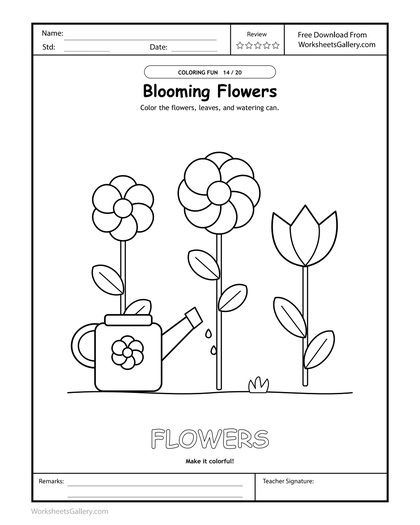
Contrast round blossoms with pointed petals. Compare two rounded blooms with a pointed tulip form; no fixed flower-color assignment is implied.
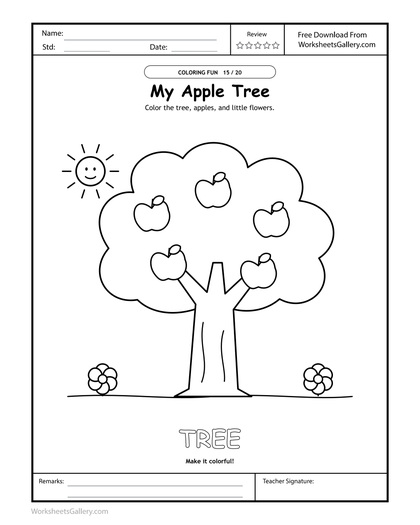
Emphasise five apples against a canopy. Make five apple outlines stand out from a broad canopy through chosen contrast, without a red-only rule.
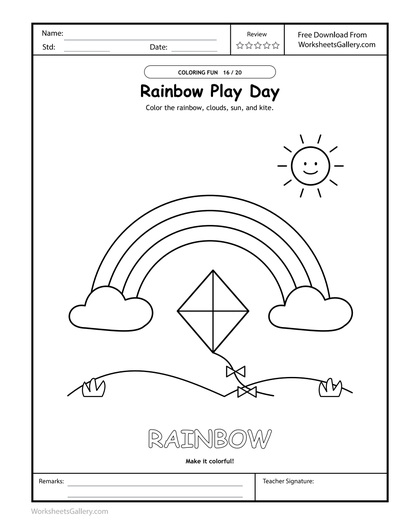
Travel through broad bands and kite sections. Use the printed broad rainbow bands as open coloring spaces; do not claim a seven-band science diagram.
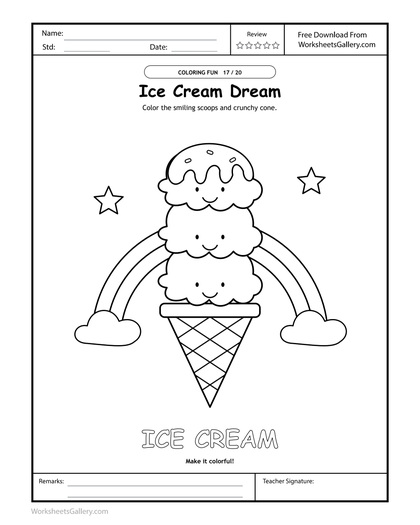
Stack three imaginary flavor colors. Give three smiling scoops invented flavor colors while treating cone lattice as a different mark surface.
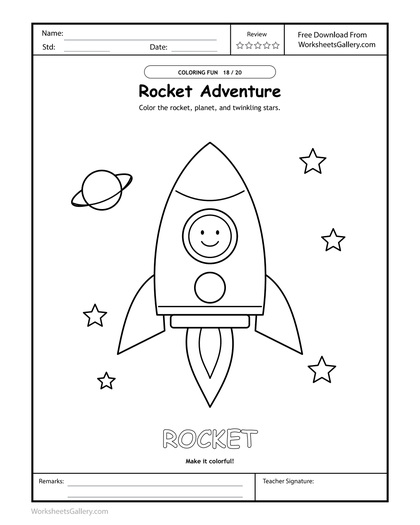
Distinguish rocket panels from their glow. Differentiate rocket panels, flame and surrounding stars; the picture is imaginative rather than a flight diagram.
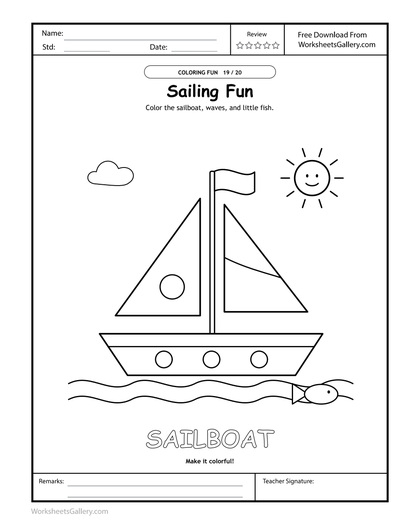
Map choices across sails and water. Distinguish separate sail areas from hull and flowing waves; keep a tiny fish visible through color emphasis.
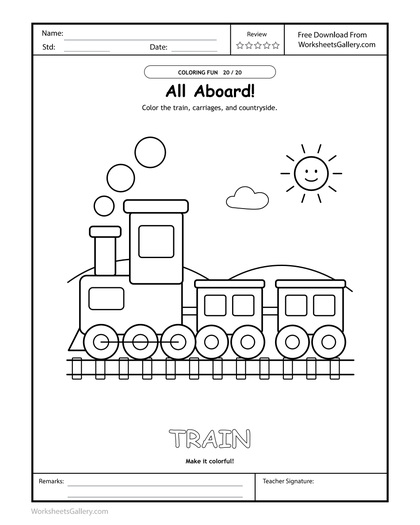
Give two carriages their own identities. Give an engine and two carriages individual color identities; wheel hubs and windows invite smaller marks.

This printable giraffe coloring worksheet helps preschool and kindergarten children learn through guided coloring. A colorful reference image shows the giraffe's natural appearance, allowing young learners to match colors while improving creativity, color recognition, fine motor skills, and hand-eye coordination.

Bring a playful joker to life with our guided coloring worksheet! This activity is a fantastic way for children to explore colors, develop fine motor skills, and express their creativity. Perfect for young artists.

Ignite your child's imagination with our "Color the Dinosaur" printable! This engaging activity is a fantastic way to develop fine motor skills, color recognition, and artistic expression. Perfect for young artists eager to bring a prehistoric friend to life with vibrant hues. Download and let the coloring adventure begin!

Engage your child with our "Color the Cow" printable! This delightful activity fosters creativity, fine motor skills, and color recognition, making learning a joyous adventure. Discover how to make the most of this free resource.