
Lion Mane Studio: 4 Powerful Face-and-Frame Ideas
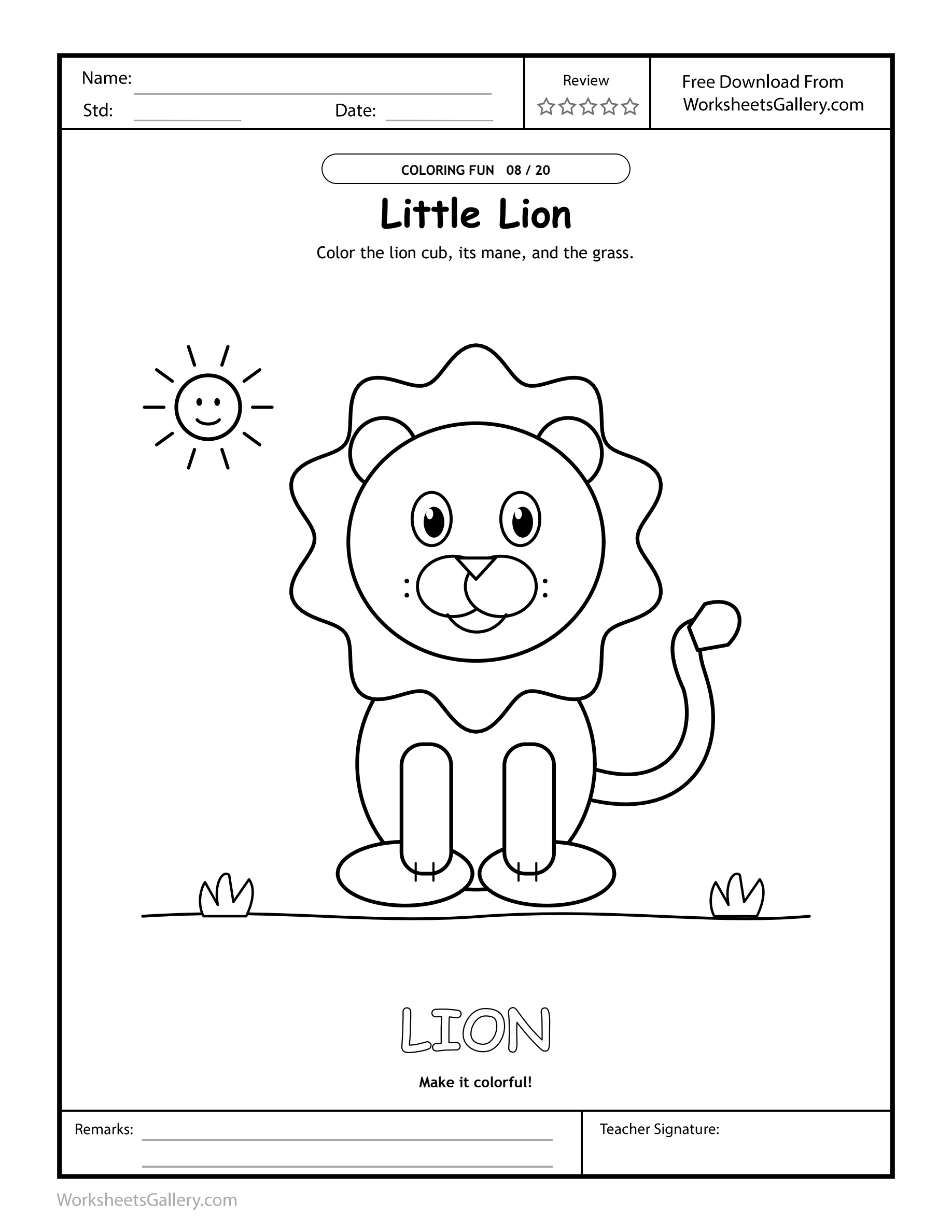
The mane can act like a picture frame around the lion's face. Lion Mane Studio explores that relationship through a friendly portrait with a wavy outer edge, small facial details, a curved tail and simple grass. The Little Lion worksheet supplies no fixed palette, leaving the artist free to decide which region should stand out. Begin by comparing the face with the surrounding mane before choosing colors. A child might make the center quiet and the frame bright, reverse that emphasis or use closely related hues. Each arrangement gives the same printed outline a different visual character.
Lion Mane Studio looks from the middle outward
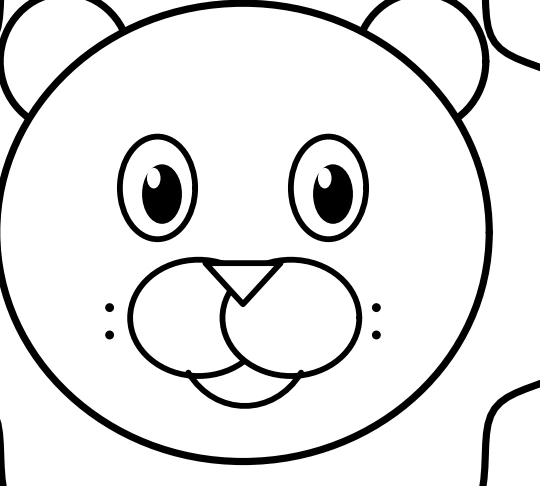
The broad face outline contains smaller eyes, muzzle and nose details. Around it, the mane forms a larger wavy boundary. Ask the child to point to the center region, then indicate the shape that surrounds it. That observation can happen before any tool touches the page.
Lion Mane Studio makes a frame relationship visible without demanding a particular yellow-and-orange scheme. A child can choose a pale mane with a strong face or create the opposite effect. The printed character is a cartoon art subject, so realistic fur colors are not the goal imposed by this activity.
Arin gives Lion Mane Studio a portrait-display problem
Arin and his father are preparing a pretend portrait wall. Arin wants the lion's smile to be easy to notice, but his first palette test uses the same strong hue across face and mane. His father asks whether he wants the two regions to blend together or appear different.
Their Lion Mane Studio conversation leads to another small test on spare paper. Arin keeps one color strong and lightens the other. He compares the pair, chooses an arrangement and points to the smile he wants a viewer to see first.
Lion Mane Studio does not need to repeat Arin's decision. A child who wants the mane to dominate has a different but equally discussable intention. Ask about the portrait's visual emphasis rather than assuming the adult already knows which part should become brightest.
Read Lion Mane Studio as a whole character scene
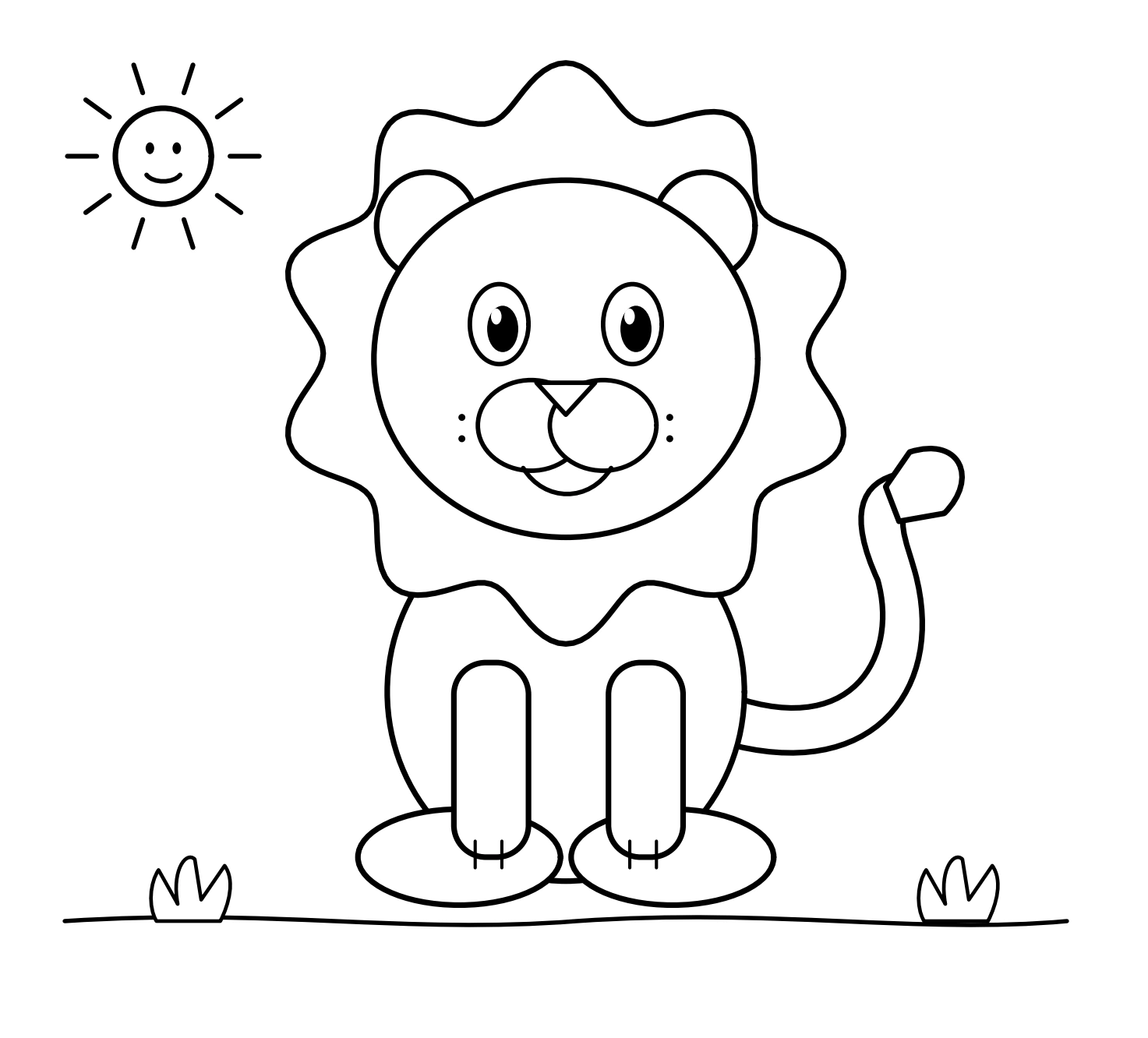
The full picture shows the seated lion, mane, curved tail, grass and a small sun. The source instruction invites coloring those outlined regions. It does not prescribe a light direction, require shading or ask the child to reproduce a finished portrait.
Lion Mane Studio also includes the outlined word LION beneath the picture. An adult can say the word while indicating the character. Naming letters, filling their interiors or writing a separate title can remain optional, because the main task is an art invitation rather than handwriting practice.
For Lion Mane Studio, completion can mean expressing one clear relationship. The maker may color only face and mane during a visit, leaving tail and scenery for later. A chosen stopping place can preserve curiosity without making full coverage the condition for sharing.
Six Lion Mane Studio observations for a portrait viewer
- Center and surround: locate a face inside its larger mane frame.
- Visual contrast: decide whether neighboring regions blend or stand apart.
- Edge inspection: notice the mane's wavy boundary beside simpler face curves.
- Mark adjustment: change between broad areas and smaller facial details.
- Descriptive language: explain mane, muzzle, inside, around, pale or strong through the picture.
- Art communication: tell a viewer which part deserves their first look.
Lion Mane Studio connects comparison and spatial thinking with language and hand coordination. These possibilities do not require a perfectly smooth portrait. An artist can explain a framing idea while needing broader paper to test a small movement comfortably.
Lion Mane Studio gives the wavy frame a purpose
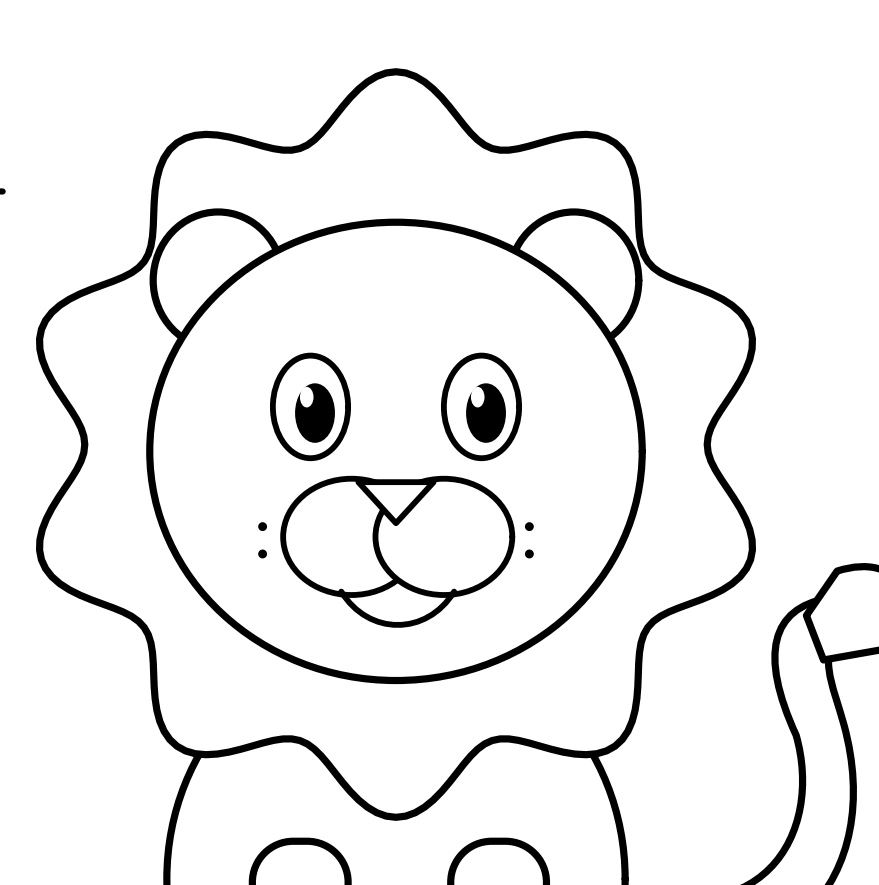
The mane's rounded outward turns surround the inner head. A child may follow those turns with short marks, use broad filling or leave a lightly colored frame. Ask which treatment fits the intended emphasis before demonstrating another technique.
Lion Mane Studio can preserve the face as a separate region even when two neighboring hues are related. Difference can come from lightness or amount of pigment as well as a completely different color name. Test the idea on spare paper instead of asking the learner to make a crowded small area accept repeated correction.
A Lion Mane Studio comparison card
| Portrait intention | A possible experiment |
|---|---|
| Notice the face first | Compare it with a quieter mane trial. |
| Celebrate the frame | Try a strong mane beside a lighter center. |
| Keep a close color family | Vary the amount of pigment between regions. |
Lion Mane Studio uses these as options, not a new color key. The child can reject all three and explain another approach. A material trial is useful because it informs a decision, not because it leads every learner toward the same adult-preferred outcome.
Four Lion Mane Studio games about faces and frames
These optional games use separate cards, simple drawings and adult-written words. Each investigates one relationship inspired by the portrait. Choose a useful question and leave other games available for another time; no extra activity needs to be completed to earn a coloring turn.
1. Lion Mane Studio opens a frame-palette desk
Draw a broad ring around a simple inner face shape on spare paper. The child tests a center color and a surrounding color, then explains which attracts attention. Lion Mane Studio desks let the relationship be inspected before applying it to the source's larger mane.
The Lion Mane Studio maker can create a second test with the choices reversed. Keep both as alternatives. Comparing two intentions is more useful than describing the first card as wrong simply because the second becomes the favorite.
2. Give Lion Mane Studio a smile-visibility check
On a large scrap, draw a simple face with a small smile. Try a pale surrounding mark and a stronger one nearby, then ask where the printed-like line remains easy to see. Lion Mane Studio checks connect pigment amount with a visible feature rather than demanding elaborate shading.
For Lion Mane Studio, the child may decide a bold face is still the intended design. The test supplies information, not a command. An adult can describe what changed and allow the artist to choose which effect belongs in the portrait.
3. Send Lion Mane Studio a gallery-title card
The learner invents a title for the lion and dictates one sentence about its frame. A viewer looks for the described feature. Lion Mane Studio title cards give the artwork a communication purpose while keeping independent writing optional.
Ask the Lion Mane Studio artist whether the viewer found what they meant. A pointing explanation can clarify the note. The exchange can end there, without requiring another fully colored lion to demonstrate the same relationship more neatly.
4. Make Lion Mane Studio a tail-accent proposal
Draw a curved tail and small tip on separate paper. The child tests whether the tip should repeat a face color, repeat a mane color or introduce a different accent. Lion Mane Studio proposals connect a compact detail with the larger portrait plan.
A Lion Mane Studio partner can suggest another option while leaving the final choice with the maker. An unused proposal remains a possible idea, not a failed answer. The small trial can be enough if the learner does not want another pencil attempt on the source.
Set up Lion Mane Studio for a comfortable home visit
Give the page a clear place within reach, with a familiar drawing material and spare paper for comparisons. Read the instruction and locate face and mane. Ask which relationship the child wants to investigate, then offer a short palette trial if useful.
During Lion Mane Studio, help with a sliding sheet or locating a boundary when requested. Broad marks may feel more manageable than fine work around the muzzle. The adult can support comfort without moving the tool through the child's fingers to secure a polished portrait.
End Lion Mane Studio by naming one intended feature. “Your bright mane makes a frame around the quiet face” connects encouragement with visible evidence. Another child may show a different emphasis, and their explanation can guide an equally specific comment.
Lion Mane Studio takes a smaller turn at the tail
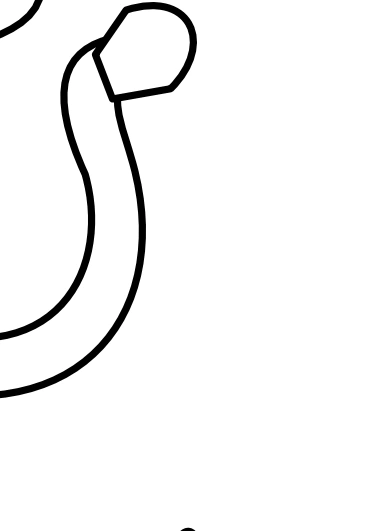
The narrow tail curve leads toward a broader tuft. Its scale differs from the mane, so a long sweeping mark may not suit every part. Invite the learner to inspect the chosen region and decide whether another mark size would fit better.
Lion Mane Studio can leave the tail for a later visit. A child who has spent time explaining the face-frame relationship need not finish every decorative detail before the activity becomes worthwhile. A fresh tail-color question offers another reason to return voluntarily.
A classroom Lion Mane Studio portrait wall
A teacher offers individual pages and two-part palette scraps. Each learner chooses a center-and-surround relationship, tests it and colors a selected region. The adult writes a brief dictated gallery note about the intended emphasis.
Lion Mane Studio partners view the portraits and find the feature named in each note. Some pictures may use matching hues; others may contrast strongly. Read labels aloud, welcome gestures and offer larger test drawings. The wall can display different ideas without ranking realism, amount filled or tool precision.
Lion Mane Studio mistakes should be interpreted through intention
A nearly single-color portrait may reflect a chosen blend rather than overlooked boundaries. Dense marks near the face may be deliberate or may have hidden details the child wanted visible. Ask which situation applies before suggesting lighter pressure or another tool.
Common Lion Mane Studio adult pitfalls include prescribing orange mane and yellow face, requiring matching palettes across a group or correcting every uneven edge. The frame relationship can stay meaningful while the drawing remains the child's own.
Lion Mane Studio can suit preschool and kindergarten art experiences, broadly in the three-to-six range, when support matches the learner's current comfort. Choosing a hue or indicating a feature can provide an entrance before a learner wants to explain a fuller plan. Stop for fatigue or frustration, and let a clear explanation serve as a reasonable ending.
Return to Lion Mane Studio with another portrait question
A later visit might reverse the emphasis, test a new material or add a tail accent. Keep one remembered observation, then give it another purpose. Repeated art time need not mean completing an identical full picture each day.
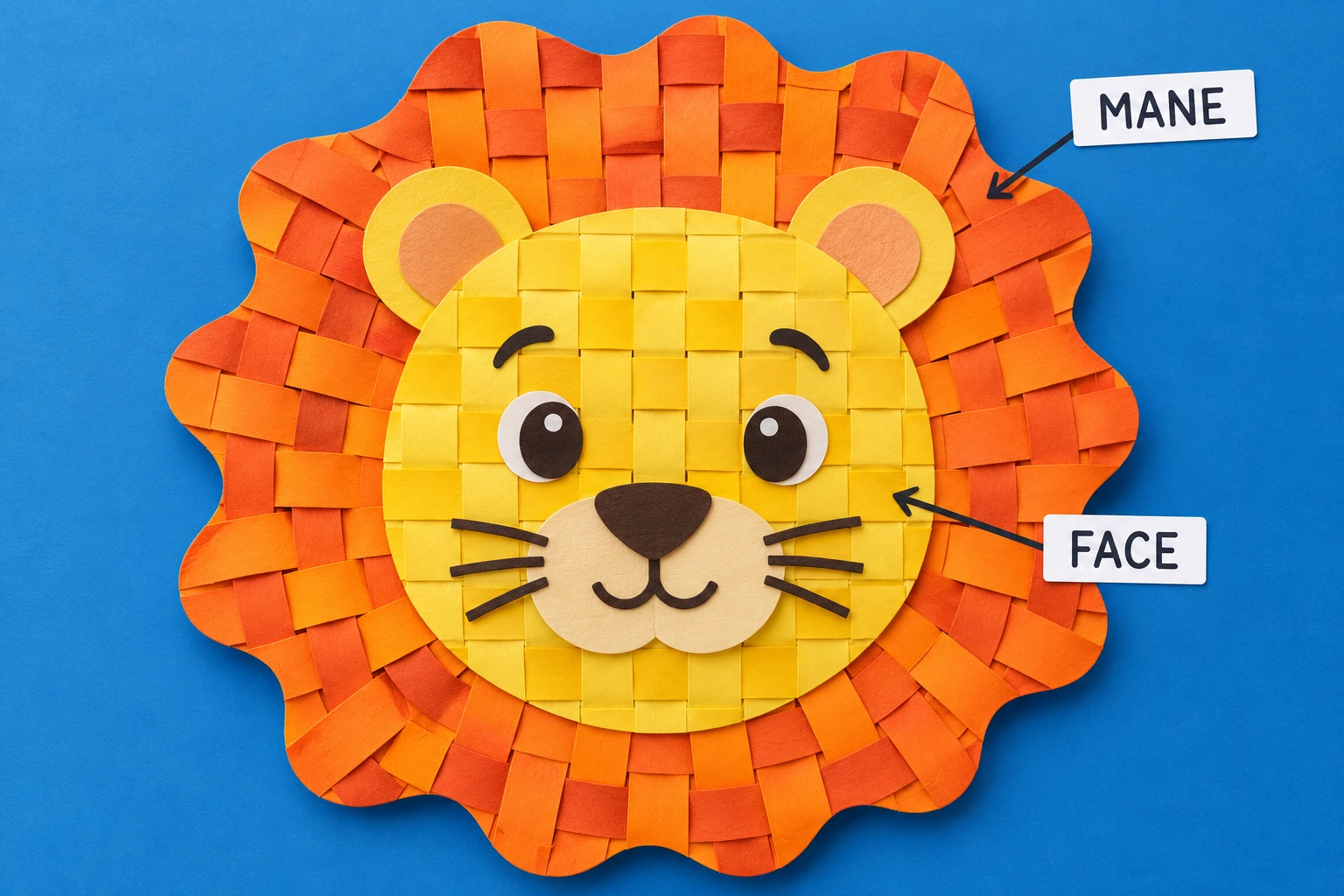
Lion Mane Studio can also be a reference for an independent animal portrait drawn elsewhere. The supplied outline offers a starting conversation, while spare paper allows the child to invent a different face and surrounding shape. The woven-paper scene demonstrates one optional arrangement and labels its parts.
Lion Mane Studio files and wider visual interests
To obtain the clean Lion Mane Studio edition, use the premium file option with a signed-in membership that currently grants access. Save this unbranded PDF as a distinct file from the original sample. The member page excludes watermark text, website-domain branding and embedded advertisements. Check the complete US Letter frame in your printer's preview before selecting scaling that preserves mane, tail and topic word. Any adverts on the webpage stay outside the printable.
For another palette structure, consider the giraffe's guided color example or the chick reference and outline. A later interest in shape boundaries can lead to straight and rounded corner comparisons. Adults can explore NAEYC's creativity resource for families and PBS Parents' wider art selection alongside independent drawing and other materials.
Popular Worksheets
Printable resources families and teachers are downloading now.
 Free
 Free
 Free
 Free