
Fruit Basket Colors: 5 Brilliant Overlap Discoveries
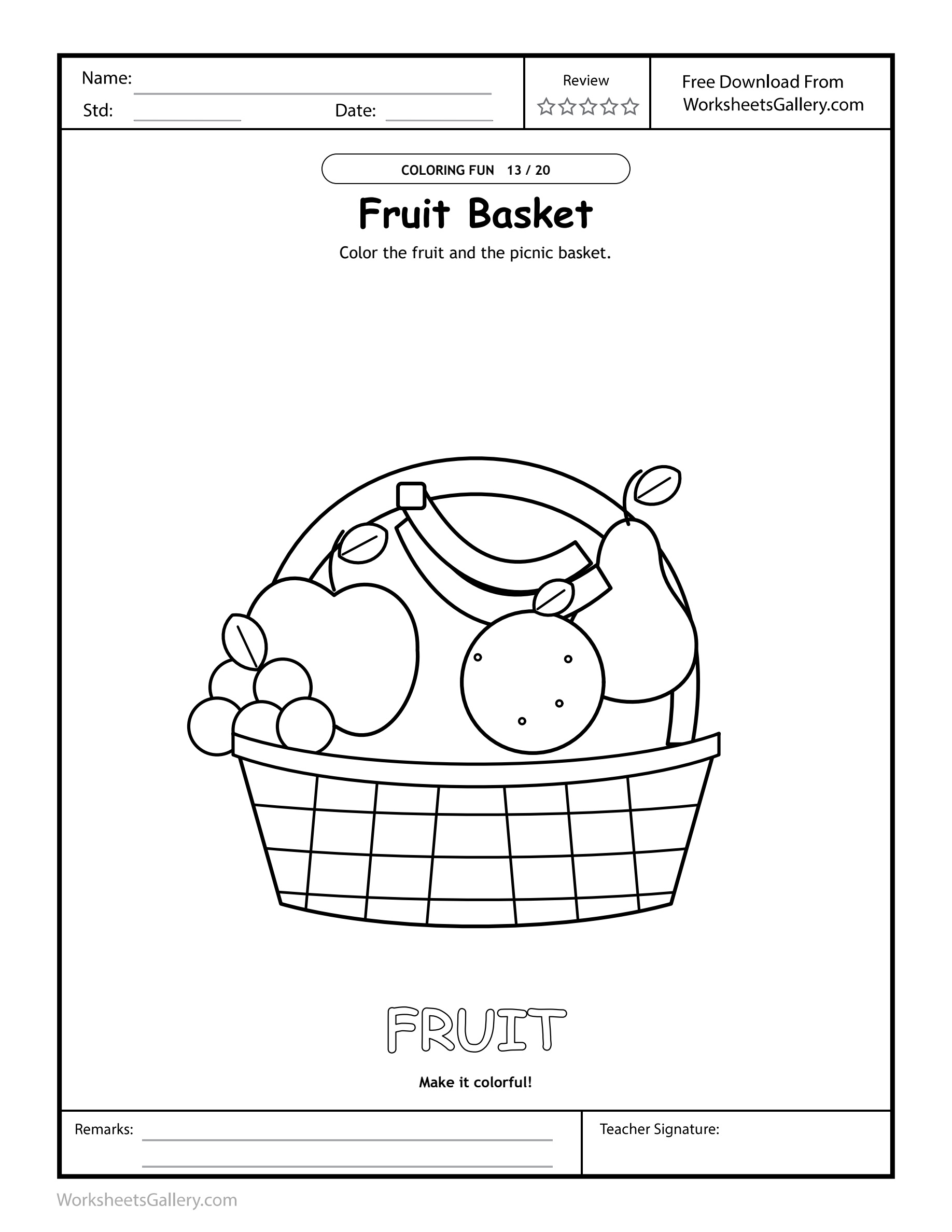
One fruit can hide part of another without making either disappear. Fruit Basket Colors invites children to notice those shared edges before choosing where their next mark belongs. The printable gathers familiar fruit above a basket with crossing weave lines, offering broad rounded regions and smaller cells in one picture. Its outlines leave the palette open. Begin with a slow look: which fruit sits nearer, and where does its edge interrupt a neighbor? The answer can come through pointing, an adult's spoken description or a child testing a boundary with one finger.
Fruit Basket Colors starts with a paper overlap
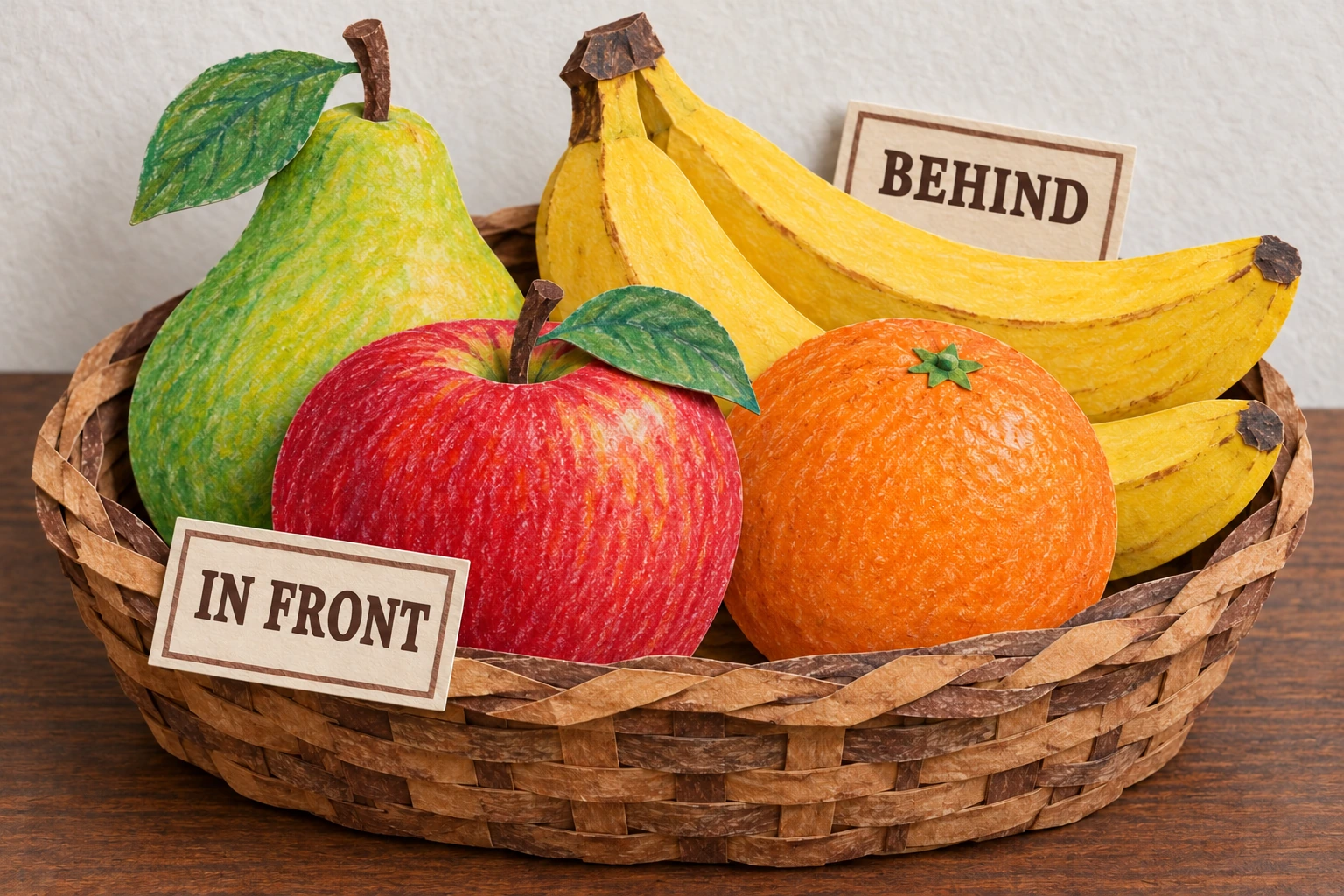
The separate collage puts an apple in front of other fruit and labels the relationship IN FRONT and BEHIND. Because the paper pieces overlap, the hidden portion is easier to imagine. The image offers a visual explanation, not a finished coloring guide for the source sheet.
Fruit Basket Colors can begin with two ordinary paper shapes placed partly across each other. An adult supplies the position words while the child changes their arrangement. There is no need to draw invisible outlines through the front object to show that a rear shape continues.
Bring Fruit Basket Colors back to the actual page by locating one interrupted edge. Ask what seems to cover it. Stay with that specific relationship; a long account of perspective is unnecessary for a learner who only needs to decide which visible region receives a chosen hue.
Sana gives Fruit Basket Colors a picnic packing problem
Sana tells her father that she cannot see all of one fruit because another is “in the way.” He places two scrap-paper circles on the table and lets her slide one behind the other. She notices that the rear circle still exists even when its lower edge is covered.
Their Fruit Basket Colors conversation returns to the basket. Sana chooses different colors for neighboring fruit so she can describe each one easily. Her father writes her dictated picnic note on another card, keeping the supplied drawing free of extra adult arrows or answer marks.
Sana's Fruit Basket Colors solution is one possibility. Closely related hues can also create a satisfying picture, and imaginary fruit colors are welcome. The purpose of the comparison is to understand a visible boundary, rather than require a standard red apple or yellow banana.
Fruit Basket Colors examines the whole arrangement
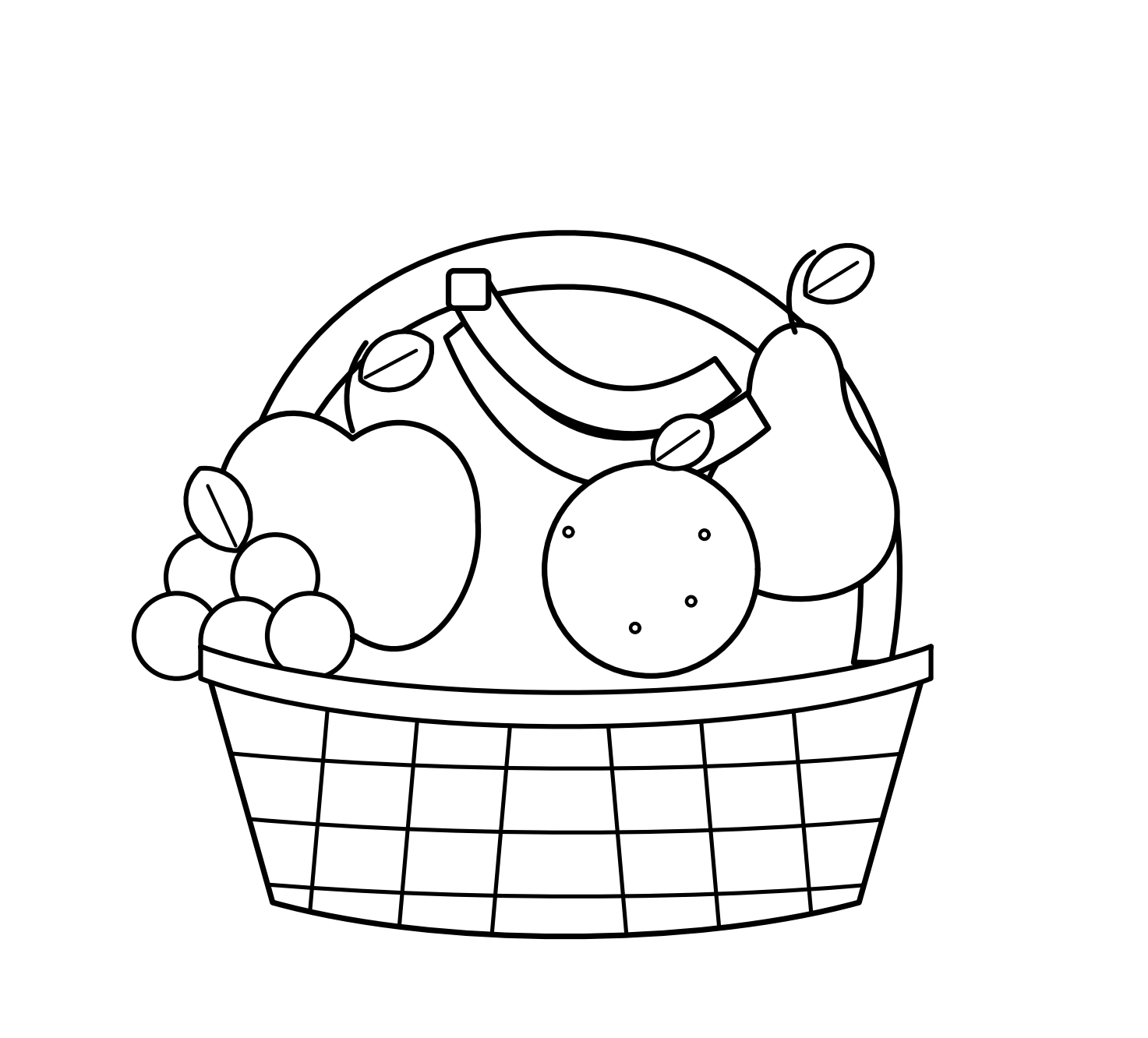
The picture includes an apple, pear, orange, curved bananas and a grape cluster above the basket. The printed direction invites coloring the fruit and picnic basket. Some broad forms share edges, while the lower container divides into many smaller spaces.
Fruit Basket Colors includes the outlined label FRUIT below the scene. Reading that word aloud is an available adult contribution. Coloring letter interiors, spelling fruit names or tracing an extra word is not needed to take part in the supplied art activity.
Five Fruit Basket Colors discoveries for curious artists
Use these extensions as separate explorations, with plenty of room on spare paper. A single comparison may be enough for one visit. The games follow visible relationships rather than requiring children to produce matching baskets.
1. Fruit Basket Colors plays the sliding-shape reveal
Place two large paper fruit shapes so one partly covers its neighbor. Ask the child to slide the front piece away and back. Fruit Basket Colors reveal play makes the difference between hidden and missing tangible before the learner returns to the flat drawing.
The Fruit Basket Colors listener can narrate the movement using in front, behind and covered. Invite the learner to point to a similar relationship in the source. Avoid asking them to reconstruct every hidden contour or treating an uncertain answer as a failure.
2. Fruit Basket Colors makes a neighbor-color trial
Draw two touching rounded areas on a scrap and let the artist place a chosen hue in each. Compare how easily the shared edge can be seen. Fruit Basket Colors trials can use contrasting or related hues, depending on the effect the maker prefers.
A Fruit Basket Colors trial is information rather than a binding plan. The child may decide to leave some paper visible between marks, swap one hue or use the original pair. Ask what changed in the appearance, not which pair an adult would choose.
3. Fruit Basket Colors opens a weave-size workshop
Create a few large crossing lines on separate paper. The learner chooses one cell, makes marks inside it and compares that movement with a broad fruit-shaped study. Fruit Basket Colors scale changes become easier to feel when the two spaces are large enough to explore comfortably.
The Fruit Basket Colors workshop does not require an alternating pattern. Selected cells, one continuous color or intentionally open spaces can all be choices. Ask whether the artist wants the basket to attract attention or quietly support the fruit above it.
4. Fruit Basket Colors tells a hidden-fruit story
Invite a short message from a fruit that is partly behind another. An adult writes the dictated line beside a child-made color patch. Fruit Basket Colors storytelling might produce “I am waiting behind the apple” or a completely fanciful picnic announcement.
Read the Fruit Basket Colors message to a willing partner, who finds the relevant region by looking and asking a question. The child can point instead of naming the fruit. Keep the task about a shared picture rather than testing spelling or food knowledge.
5. Fruit Basket Colors curates a small front-and-back display
Choose two paper-shape arrangements, draw or photograph them for private family use if desired, and compare which piece covers another. Fruit Basket Colors displays can include adult-written position labels after the learner explains the arrangement. One clear pair is sufficient.
Let the Fruit Basket Colors artist decide whether this experiment changes their coloring. A child may understand the overlap and still prefer the original palette. Conceptual noticing and decorative preference are related opportunities, not the same achievement.
Fruit Basket Colors follows an edge only as far as it shows
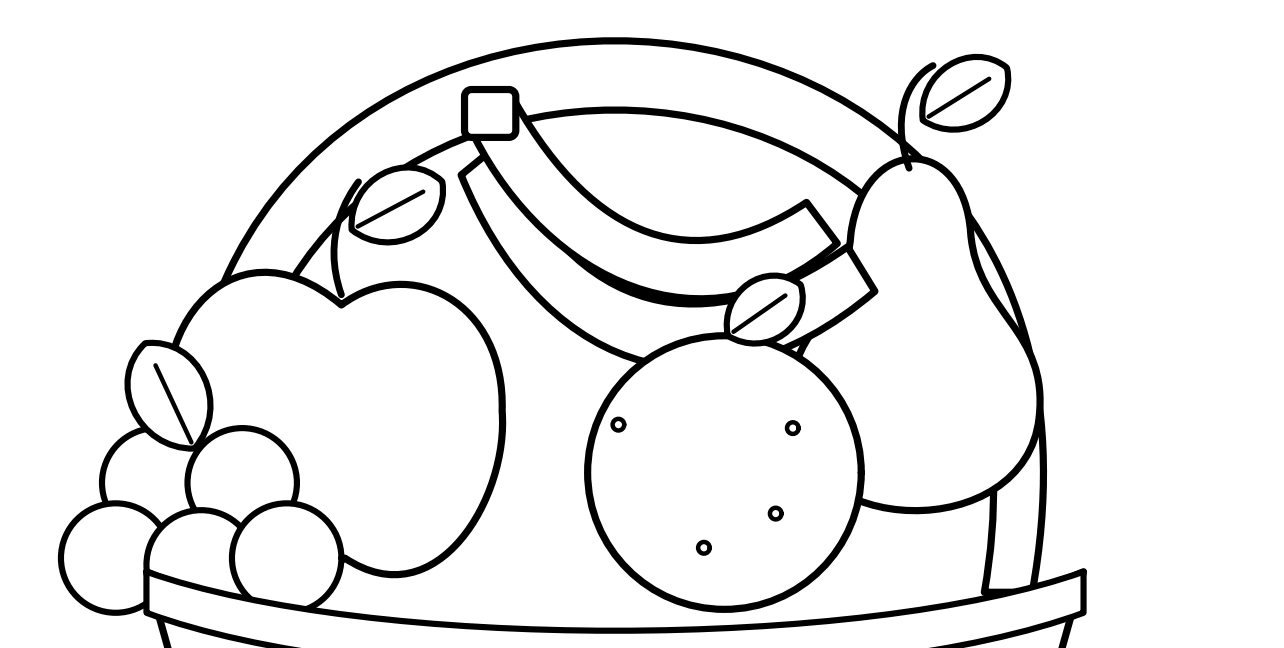
The fruit crop keeps the curved forms together so their shared boundaries remain visible. Follow a short edge with a finger and stop where another shape covers it. This encourages careful looking without adding new lines to the worksheet.
Fruit Basket Colors can use brief marks near a shared border and broader marks farther inside. Offer that adjustment only if the child wants clearer separation. Some artists enjoy blended visual areas, and an adult should ask about intention before suggesting a correction.
Six Fruit Basket Colors reasons to slow down and look
- Boundary awareness: identify the visible edge of a chosen object before placing a mark.
- Spatial language: use behind and in front to explain a relationship someone else can inspect.
- Size adjustment: compare broad fruit regions with compact basket cells and alter mark length when useful.
- Visual comparison: notice how two neighboring colors affect the clarity of a shared outline.
- Story expression: give a partially hidden character a voice through dictated picture talk.
- Independent planning: select which relationship deserves attention instead of following an imposed coloring order.
Fruit Basket Colors offers cognitive and language practice alongside coordinated hand movement. A learner may describe hidden shapes confidently while finding small cells difficult. Larger studies, adult reading and gesture-based responses preserve the interesting idea while adjusting the physical or verbal demand.
Fruit Basket Colors at a family art table
Set the sheet beside two paper shapes, a scrap for color trials and familiar coloring tools. Read the printed direction. Let the child locate a fruit and choose a comfortable region to begin, with an overlap demonstration available only when useful.
During Fruit Basket Colors, allow quiet working time. If a neighboring region accidentally receives the wrong color, ask whether the child wants to adapt the plan, continue or try a new study elsewhere. Taking over the tool to repair the boundary can obscure the learner's own solution.
End Fruit Basket Colors with a particular observation: “You followed that apple edge until the next fruit covered it.” A specific comment makes the noticed strategy visible. The picture can rest with only part of the basket colored.
A classroom Fruit Basket Colors position conversation
A teacher prepares individual sheets and a communal demonstration using oversized paper fruit. Children arrange two pieces, describe their positions through words or gestures and return to a chosen section of their own picture. They can dictate a short position note for a partner to hear.
Fruit Basket Colors partners look for the named relationship rather than comparing palettes. Offer individual demonstration time for children who need a slower view. A child who dislikes group speaking can point while the teacher reads their note quietly.
The Fruit Basket Colors discussion need not become a lesson about healthy diets, exact fruit varieties or botanical classification. Familiar names help conversation, but the main question remains visual: where can the edge be seen, and what covers it?
Fruit Basket Colors changes scale in the woven base
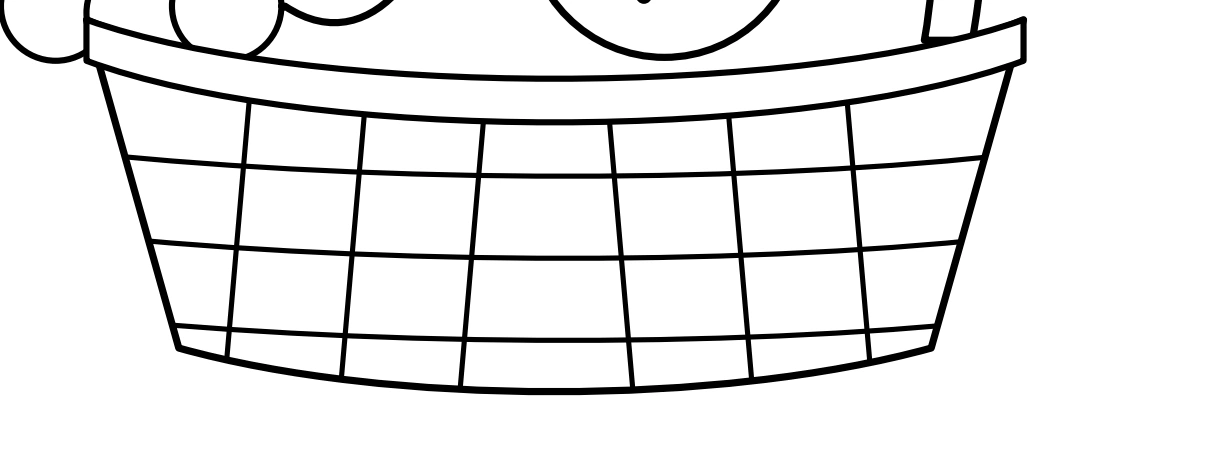
Crossing straight lines divide the basket into smaller areas than most fruit forms. This offers a natural place to pause, rotate the page if comfortable and test a shorter stroke. The many cells do not imply that every one must receive a different hue.
Fruit Basket Colors can concentrate on just one row or a small group. The child chooses the amount. A deliberate stopping point is part of managing an art task. Reserve another area for a fresh visit instead of turning numerous cells into a completion quota.
Fruit Basket Colors keeps support connected to intention
| What the child notices | A possible next step |
|---|---|
| A fruit edge seems to stop. | Try a two-piece overlap on the table. |
| Basket cells feel too tiny. | Explore a larger crossing-line study. |
| Two colors look very similar. | Ask whether blending was intended. |
Frequent Fruit Basket Colors pitfalls include drawing through a nearer fruit, insisting on realistic palettes and assigning a compulsory checkerboard basket. None is required by the source. Preserve the printed boundaries while leaving room for imaginative decisions about the areas they enclose.
Fruit Basket Colors suits short, revisitable art sessions
Preschoolers and early kindergarten learners, commonly around ages three to six, can use the picture with support suited to their experience. Broad fruit shapes may be a comfortable entrance. Precise basket-cell filling can wait or remain outside the child's chosen task.
Return to Fruit Basket Colors through a new paper overlap, another picnic message or one selected weave area. Offer a concrete invitation rather than demanding a full repeat. Stop for fatigue or frustration, and welcome a changed intention when the learner comes back.
Print Fruit Basket Colors and follow a related interest
To save the clean Fruit Basket Colors edition, use the premium attachment after signing into an eligible active membership. Retain this member edition apart from your uploaded sample. Watermarks and website/domain promotion are absent, with no ads embedded in the printable document. Before printing, view the US Letter frame and keep the fruit, basket base and lower label inside your printer's usable area. Website advertising belongs outside the document.
Try a focused carrot coloring activity for another food-themed picture, or the chick's specified palette for a different kind of color support. Shape Builders offers a separate mark-making task. Adults can find wider ideas through PBS Parents' art projects and NAEYC's creativity resource; include independent drawing opportunities alongside supplied-outline activities.
Popular Worksheets
Printable resources families and teachers are downloading now.
 Free
 Free
 Free
 Free