
Cow Patch Painting: 6 Powerful Field-and-Barn Ideas
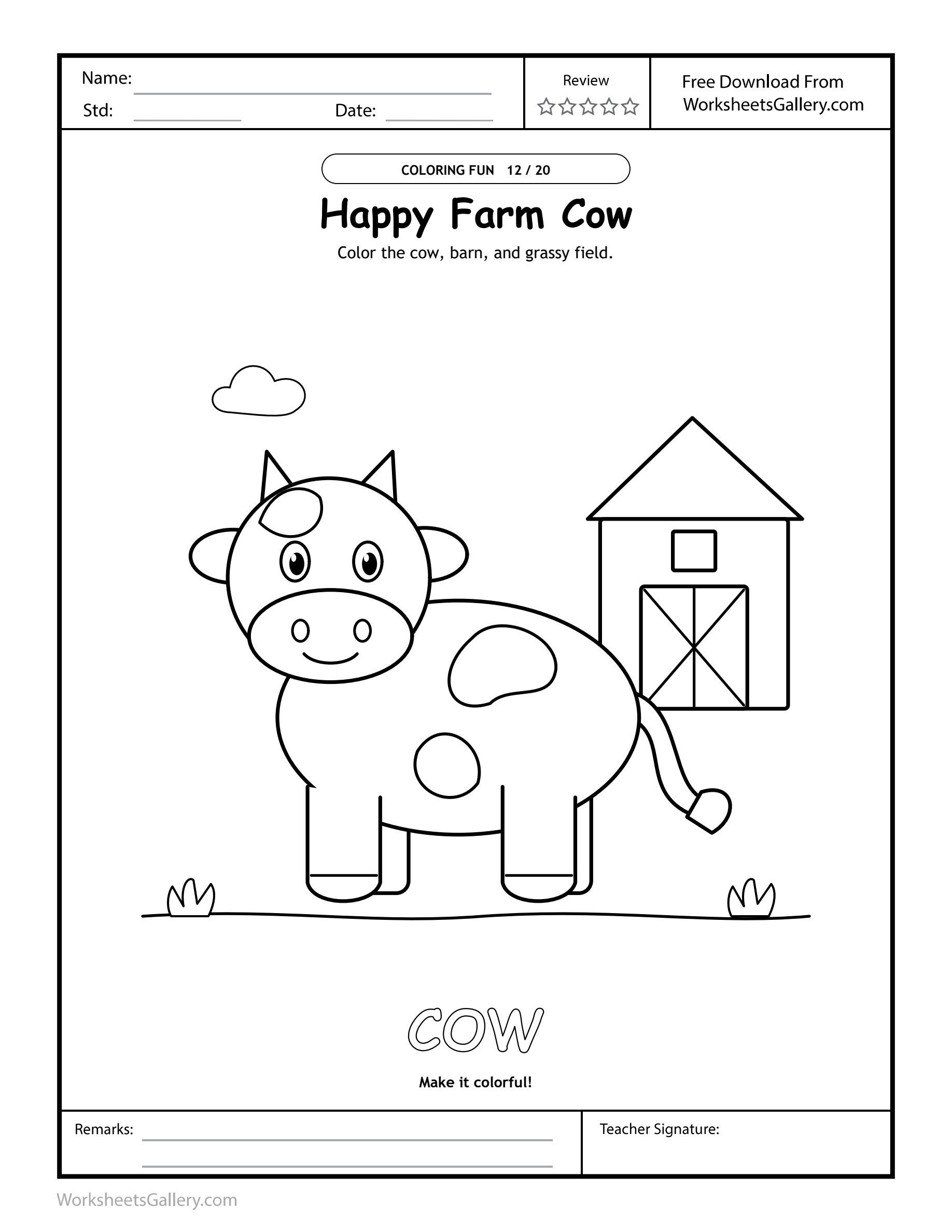
Look at a cow's patch, then look beyond the cow to the barn. Cow Patch Painting turns those different picture roles into a flexible coloring conversation. The Happy Farm Cow printable places a friendly animal in a grassy setting with a small building behind it. Its body contains outlined patches, but the sheet gives no fixed palette or breed lesson. A preschool artist can decide whether the patches blend softly, stand out strongly or tell an invented farm story. Start by finding the largest shape together, leaving the first color choice with the child.
Cow Patch Painting separates a shape from its markings
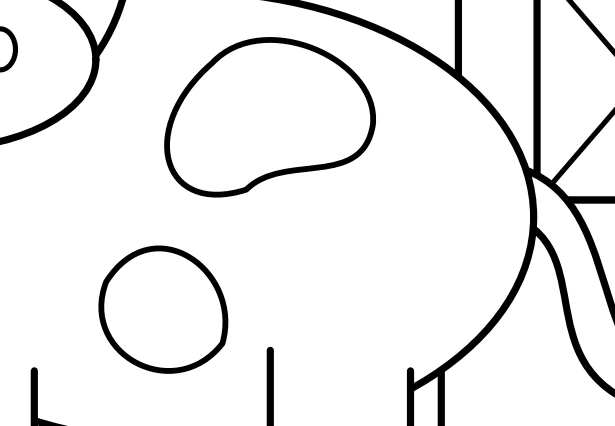
A patch is an inner shape within the animal's larger body. The two boundaries do different jobs: one describes the cow's outside edge, while another encloses a marking. Point out that distinction only as far as it helps the child's current color plan.
Cow Patch Painting can test a patch color beside a possible body color on spare paper. Ask whether the pair looks close or noticeably different. The artist might prefer either relationship; a strongly contrasting patch is an option rather than the correct solution.
Cow Patch Painting also allows the surrounding body to remain partly white. Paper itself can participate in the picture. Before suggesting more coverage, find out whether the child intended a pale body, paused for a rest or simply became interested in a different feature.
Veer makes Cow Patch Painting a farm sign
Veer wants to make a sign for his toy farm. He initially picks the same deep blue for the cow, its patches and the barn, then notices that the parts he wanted to explain are hard to distinguish. His grandfather asks which feature a visitor should recognise first.
Their Cow Patch Painting trial uses three simple marks on a spare sign: a broad body-colored area, a contrasting patch and a small barn-shaped block. Veer changes the patch to brown and keeps the building quiet. He dictates “LOOK FOR MY COW” for his grandfather to add beside the study.
The Cow Patch Painting decision belongs to Veer. Another artist might want a bright barn and a soft animal, or a wildly spotted fantasy cow. The useful learning comes from noticing a relationship and choosing whether it suits the intended message.
Cow Patch Painting considers the complete farm scene
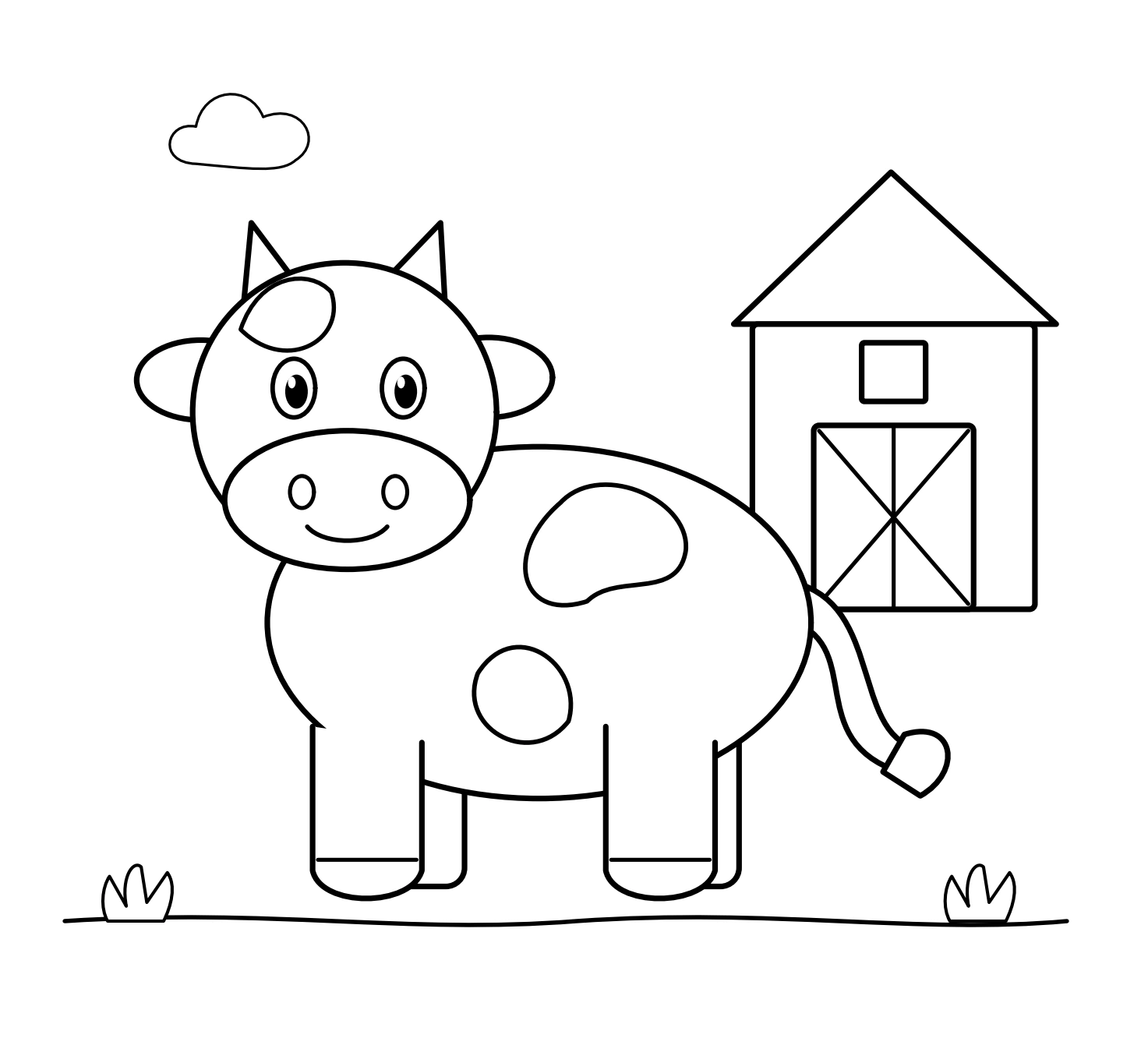
The printed instruction names the cow, barn and grassy field. The drawing therefore offers an animal and a setting, not only a collection of separate spots. Invite the learner to indicate where one picture group ends and another begins before discussing a palette.
Cow Patch Painting can begin with the character, the building or a piece of ground. The outlined COW label below may be read by an adult during conversation. There is no requirement to fill its letters, trace them or write a second label independently.
Six Cow Patch Painting investigations to choose from
These activities put color relationships on separate scraps so the main page does not become crowded with adult instructions. Select a question that follows the child's interest, and keep the other possibilities for a later occasion.
1. Cow Patch Painting opens a two-color patch test
Draw a large rounded shape and put a smaller outlined patch inside it. The child tests two chosen hues, then describes whether the inner region is easy to distinguish. Cow Patch Painting studies can compare one pair at a time instead of demanding a whole chart.
Invite the Cow Patch Painting maker to carry either color back to the worksheet if useful. A rejected pair still supplied information. The trial may reveal a preference for similar tones, a bright contrast or more open paper around the patch.
2. Cow Patch Painting builds a three-role sign
Use a scrap with three simple shapes representing body, patch and barn. Add adult-written labels after the learner makes a mark in each. Cow Patch Painting signs allow the child to explain a palette before coordinating a smaller tool movement inside the supplied picture.
Keep the Cow Patch Painting sign flexible. It records a current idea rather than a promise to use those exact colors everywhere. If a new hue appeals midway, ask which picture role it will take and let the plan change.
3. Give Cow Patch Painting a visitor's question
An adult pretends to be a farm visitor looking at the child's picture. Ask where to find a particular detail, then follow the learner's pointing. Cow Patch Painting roleplay makes terms such as body, patch, roof and ground useful without asking for a memorised definition.
A Cow Patch Painting visitor can describe a visible relationship: “The patch looks stronger than the body beside it.” The maker may agree or explain a different intention. Avoid treating the imagined visit as factual animal-care or farm-safety instruction.
4. Cow Patch Painting swaps rounded and angular studies
Offer one rounded body-like shape and a simple angular roof on fresh paper. Explore a comfortable mark in each. Cow Patch Painting comparisons can reveal that a sweeping movement suits a broad curve while a shorter stroke feels easier near a corner.
The Cow Patch Painting learner chooses how much edge control matters today. Neat filling is not needed to compare the outlines. Keep a larger version available when fine corners obstruct an otherwise interesting decision about color.
5. Cow Patch Painting designs a background whisper
Make a strong patch beside a smaller, quieter building sample. Ask what the eye notices first. Cow Patch Painting emphasis studies let the child explore a background that supports the main character, or deliberately reverse the relationship if the barn is the intended focus.
For Cow Patch Painting, “quiet” describes the visual effect rather than a compulsory pale palette. Different materials and color pairs can produce different results. Ask what appears in this particular trial instead of promising that one named hue always behaves the same way.
6. Cow Patch Painting records a revised decision
Save a first trial and invite a second pair on another scrap. The child dictates what changed and why. Cow Patch Painting comparison cards can show an actual choice over time, making revision understandable without erasing the earlier work or labelling it a mistake.
End the Cow Patch Painting investigation when the contrast becomes clear. One revised patch may be sufficient. A growing collection is optional; the activity does not need to become a daily task or a competition over how many variations were produced.
Cow Patch Painting notices the barn's straight edges
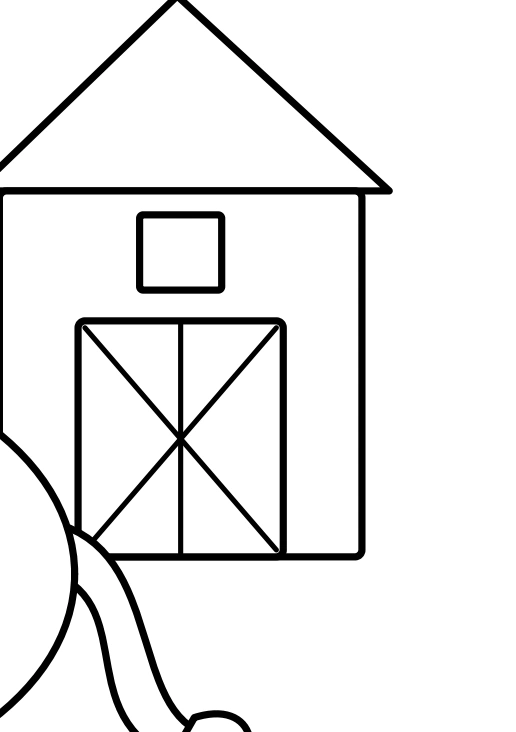
The small building contains a roof, window and crossed doorway. Its angular geometry differs from the cow's rounded silhouette. A learner may choose a separate palette for the barn simply to make those picture groups easier to talk about.
Cow Patch Painting can leave the tiny window open or mark it lightly. If a corner becomes frustrating, move to a larger roof drawing for a moment. The meaningful decision concerns the building's role, not whether every compact section receives equal coverage.
Five Cow Patch Painting skills with room to vary
- Visual grouping: distinguish an animal's whole shape from its internal markings and nearby setting.
- Comparison: test how neighboring marks appear together rather than judging each hue alone.
- Hand planning: change stroke size as the available region narrows or bends.
- Specific language: use patch, muzzle, doorway and background while indicating real picture details.
- Flexible thinking: revise an arrangement when a trial does not convey the intended emphasis.
Cow Patch Painting connects cognitive, motor and language opportunities without requiring equal performance in all three. A learner may explain an excellent plan while needing help to steady the page. Another may explore through marks and gestures before using the vocabulary aloud.
Cow Patch Painting at home begins with a useful scrap
Place the source page beside a test surface and a few familiar tools. Read its instruction and ask which role interests the child: body, patch or setting. Make a small comparison if wanted, then move to a comfortable part of the actual picture.
During Cow Patch Painting, offer practical support when asked and let the artist work without a running commentary. At the end, invite one explanation. “You kept the barn softer so your patch stands out” identifies a visible intention more clearly than a general judgement about beauty.
A classroom Cow Patch Painting gallery of choices
The teacher prepares individual sheets and small palette cards. Children test a relationship, color a selected region and dictate a brief note about what they wanted viewers to notice. Partners inspect the indicated area rather than comparing complete pictures for sameness.
Cow Patch Painting gallery responses can be spoken, pointed or adult-read. A learner who prefers private sharing may show the note to the teacher alone. Display varied intentions side by side, including artists who wanted the barn, body or patch to attract attention.
Cow Patch Painting keeps a face detail gentle
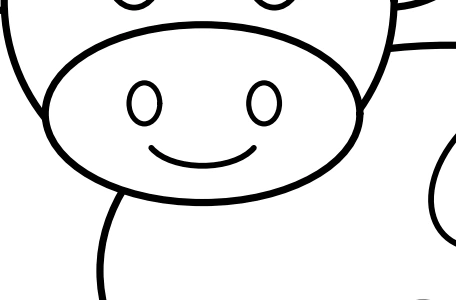
The muzzle contains smaller nostril and mouth marks within a broader nose shape. Heavy coverage might make those lines harder to see. Ask whether the child wants them visible before suggesting a lighter trial on spare paper.
Cow Patch Painting does not demand realistic shading or a particular nose color. Describe the child's intended effect before proposing a tool adjustment. An uneven edge can coexist with a clear idea, and a new attempt should respond to the maker's wishes.
Cow Patch Painting questions for a stuck moment
| What is difficult? | What could change? |
|---|---|
| The patch disappears visually. | Compare another neighboring color pair. |
| The tool fills a tiny window. | Try a larger window study. |
| Interest moves to the barn. | Let the setting become today's focus. |
Common Cow Patch Painting pitfalls include insisting on black-and-white markings, treating the picture as a lesson about breeds or requiring all grass to be green. The outline supports imaginative art. A supportive adult can distinguish invented palette choices from factual discussion about real animals.
Cow Patch Painting can remain an unfinished invitation
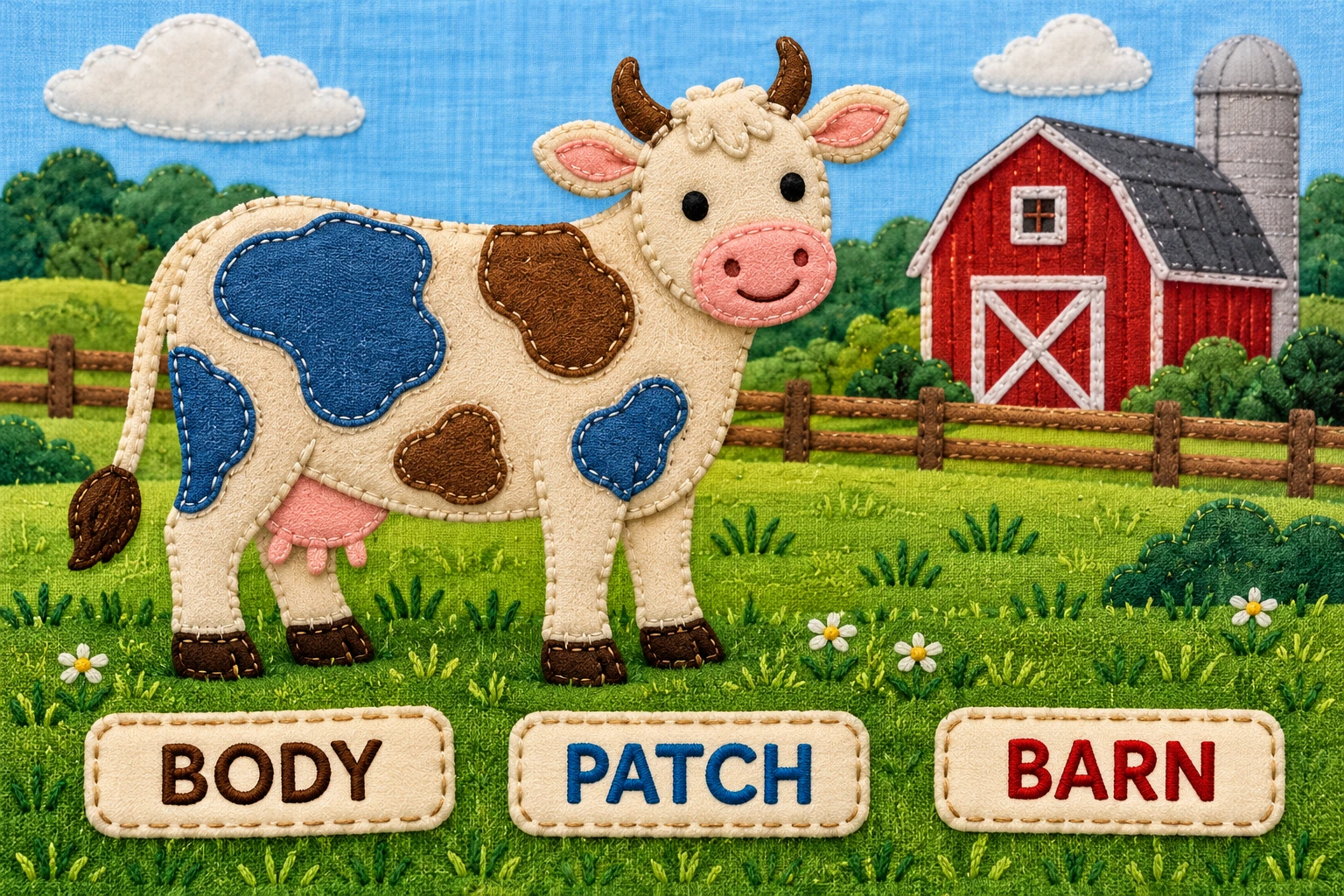
The stitched-fabric example labels BODY, PATCH and BARN beneath its scene. Its cream cow and colored patches illustrate one possible relationship using a different material. The learner need not reproduce that arrangement or finish the whole source picture in one sitting.
Cow Patch Painting often suits preschool and beginning kindergarten artists around three to six, with demands adjusted to the individual. Offer broad regions first if helpful. Revisit with a new patch test, a changed farm-sign message or one selected building detail; pause when comfort or interest fades.
Obtain Cow Patch Painting and explore another kind of color support
Access clean Cow Patch Painting through the premium download available to an account with an eligible active membership. Save that PDF apart from the uploaded sample edition. Its printable page is free of watermarks, website/domain branding and embedded advertisements. In your print settings, inspect the US Letter frame before printing, including the ground and lower word. A web advertisement does not become part of this clean document.
For a more directed palette, compare the guided giraffe activity and a chick's two-color practice. If angular routes become a separate interest, use robot-step corner practice. Find broader adult ideas in NAEYC's creative-art guidance and PBS Parents' art selection, with additional time for drawing a farm entirely from the child's imagination.
Popular Worksheets
Printable resources families and teachers are downloading now.
 Free
 Free
 Free
 Free