
Puppy Palette Play: 6 Wonderful Ball-and-Collar Ideas
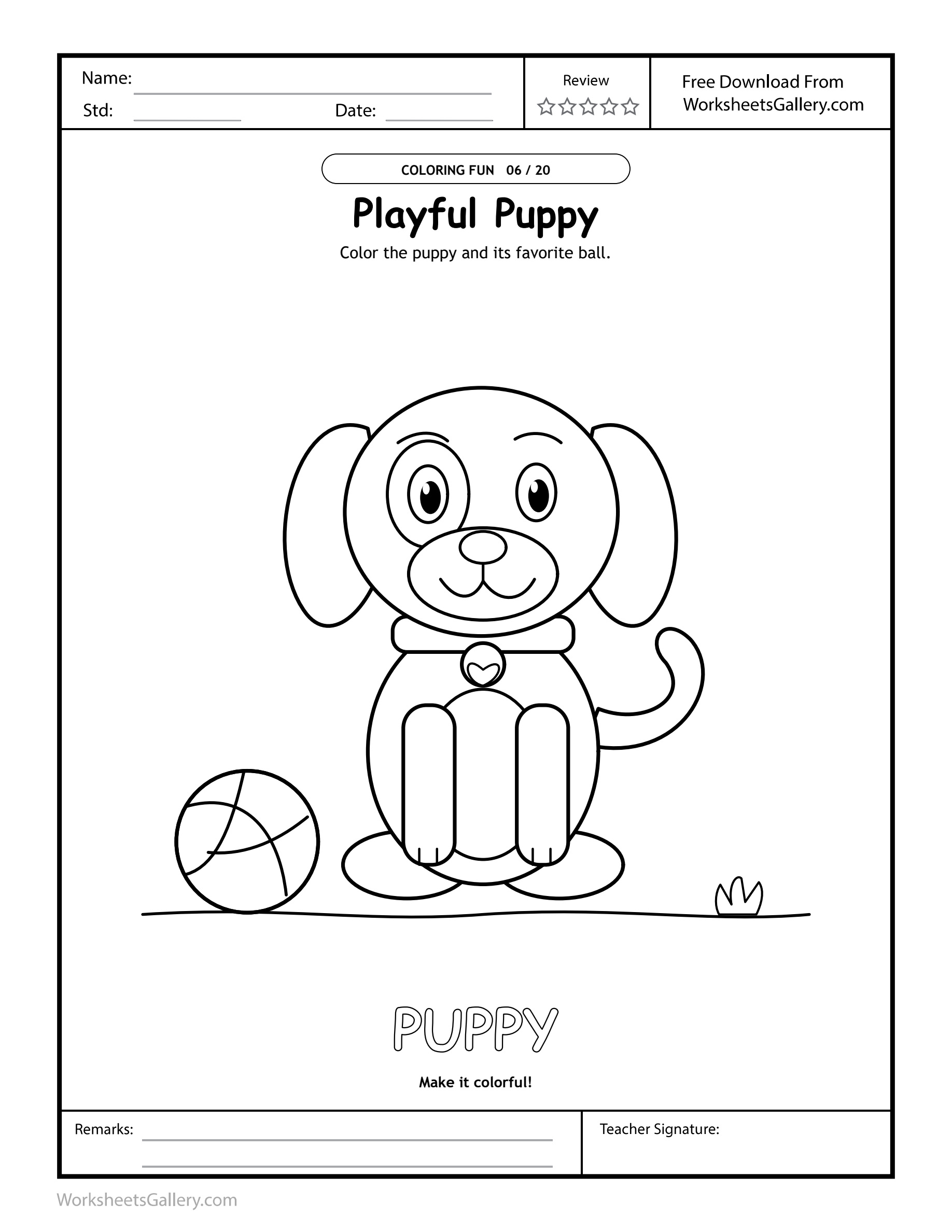
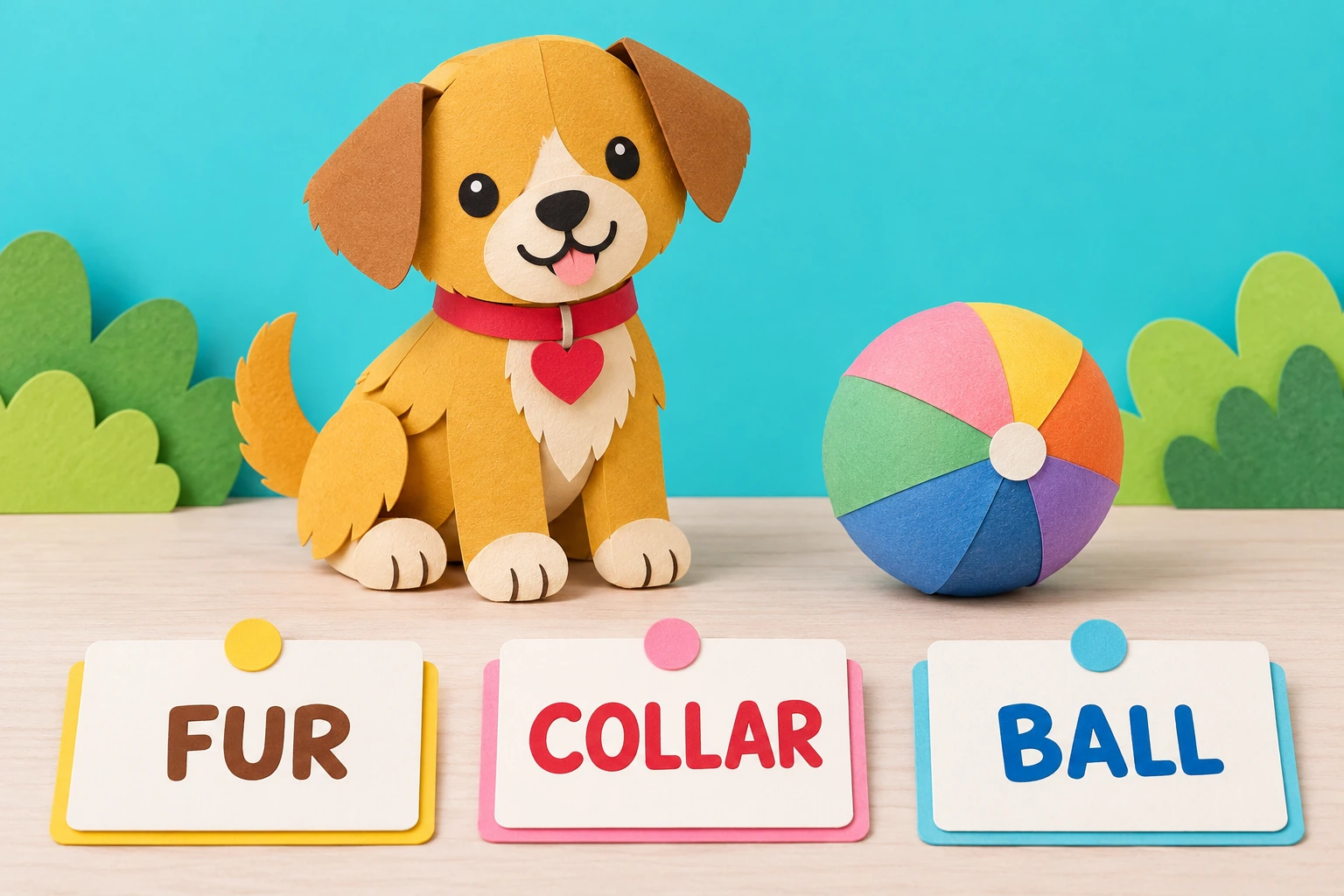
A tiny heart tag can be the brightest part of a puppy picture. Puppy Palette Play gives that choice a place alongside a broad fur outline and a divided ball. The Playful Puppy worksheet has no finished palette to reproduce, so a child can decide how the three visual roles relate. Begin by pointing to the puppy, collar and ball before selecting colors. The learner might connect them with one repeated hue, separate them through contrast or reserve a small accent for the tag. A plan can be brief and still give the first mark a clear purpose.
Puppy Palette Play gives each part a design job
Fur, collar and ball belong to one scene but need not share a treatment. The fur outline provides broad spaces. The collar and heart tag offer narrower accents. Curved lines divide the ball into several visible regions, allowing a small color arrangement within the larger picture.
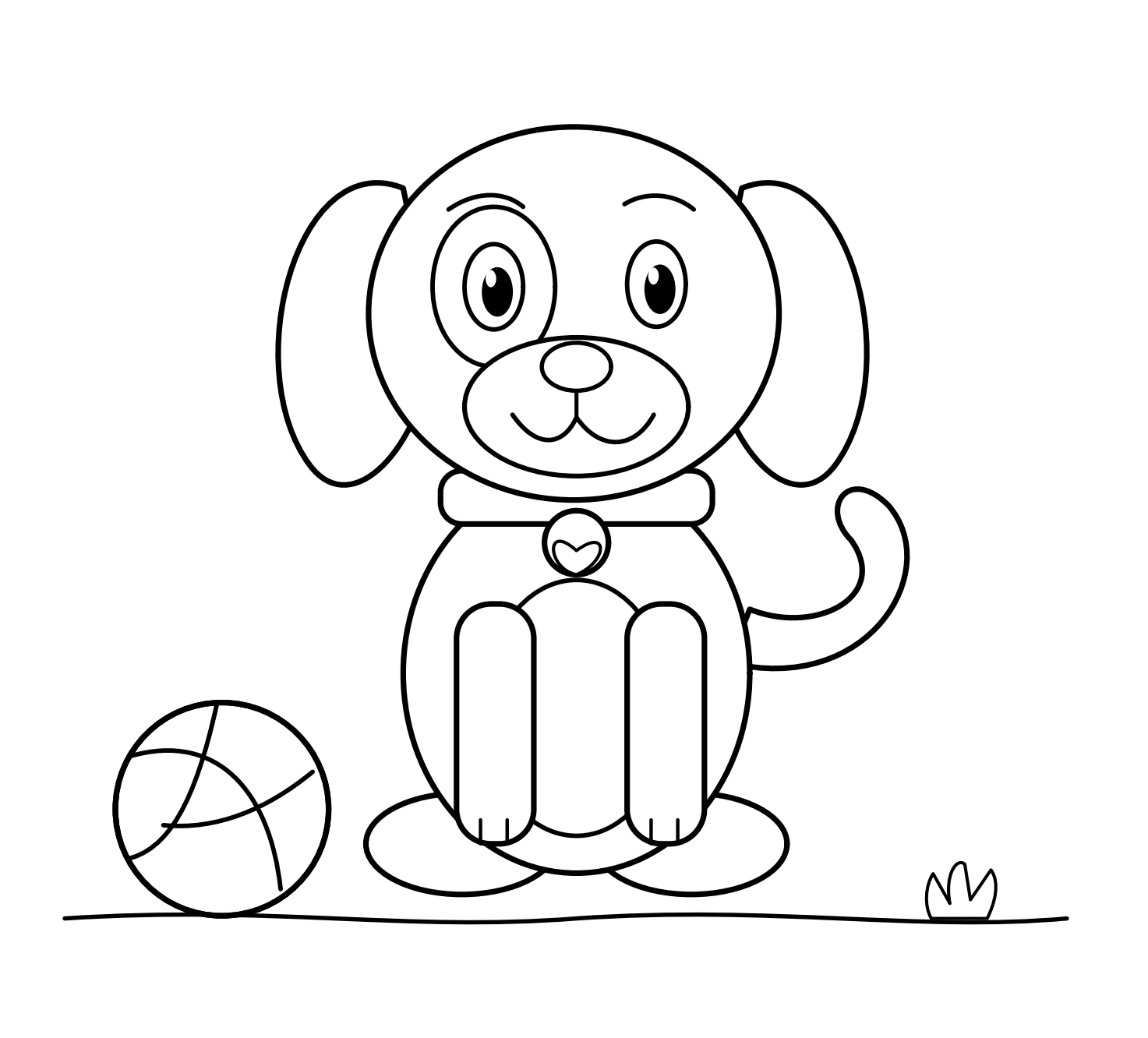
Puppy Palette Play can begin by asking what each part should do for the artist's design. Perhaps the puppy stays quiet while the ball looks lively. Perhaps the collar repeats a favorite color from the fur. These are art choices, not printed rules or claims about how a real pet should look.
Six Puppy Palette Play jobs for a pretend design shop
Use spare drawing paper and meaningful labels for these optional jobs. They investigate a palette decision rather than adding more required filling to the worksheet. Pick a job that connects with the learner's current intention, and let the maker decide when its question has been answered.
1. Puppy Palette Play takes a three-part color order
Offer a card with room for three filled swatches. The child chooses possible marks for fur, collar and ball, while an adult writes those names beside them. Puppy Palette Play orders make a broad plan visible without asking the artist to hold several decisions in memory at once.
The Puppy Palette Play swatches are proposals rather than promises. A child can change a color after seeing it beside another. Keep that earlier card as a record of experimenting instead of a contract the final puppy must obey.
2. Give Puppy Palette Play a heart-tag commission
Draw a large heart on a fresh scrap and ask which hue would make a small tag noticeable. Test the choice beside a possible collar color. Puppy Palette Play commissions connect an accent with its surrounding region before the learner tries the compact source shape.
For Puppy Palette Play, the large trial is a support option, not a separate task to earn access to the worksheet. A child who already has a clear idea may prefer to point to the real tag and begin there.
3. Puppy Palette Play opens a divided-ball studio
Draw a round ball with several curved dividing lines on separate paper. The learner chooses which regions should match and which should differ. Puppy Palette Play ball studios use visible boundaries as places for a chosen change, without requiring every division to receive a unique hue.
A Puppy Palette Play partner can ask the artist to identify the first region they planned. The maker may explain a repeated pair or a single favorite color. The conversation follows the child's rule rather than introducing an alternating pattern after the work is done.
4. Send Puppy Palette Play a toy-shop label
The learner dictates a name for the pictured puppy's imaginary ball. An adult records it beside a separate ball drawing or display card. Puppy Palette Play labels give the color arrangement a pretend recipient who can recognise the chosen design.
Ask the Puppy Palette Play maker which detail belongs to the name. A “sunny ball” might contain yellow, or the child may explain another connection. Welcome that explanation without turning the picture story into advice about real animal toys or care.
5. Puppy Palette Play compares quiet and lively palettes
Prepare two scrap-paper combinations, one using related pale marks and another using stronger contrasts. The artist chooses whether either suits the puppy, collar or ball. Puppy Palette Play comparisons make visual emphasis a decision that can be inspected, rather than a demand for more coloring.
The Puppy Palette Play learner can invent a third combination if both proposals feel uninteresting. An adult's sample is a conversational resource, not the answer to copy. Keep the printable available while allowing an independent idea to develop on other paper.
6. Make Puppy Palette Play a portrait-and-message exchange
Partners each make a small animal portrait and dictate one sentence about a palette choice. Exchange the pictures and look for the named feature. Puppy Palette Play exchanges create a reason for a viewer to attend to a specific decision instead of offering only a general compliment.
For Puppy Palette Play, a gesture can replace the dictated sentence when words are difficult. The artist can point to a heart or ball division. Sharing should remain an invitation, with no requirement for a public performance or a second completed worksheet.
Ira asks Puppy Palette Play to make the ball easy to find
Ira and her uncle are designing a pretend pet-shop display. She chooses light marks for the puppy, then wonders how the ball can stand out. Her uncle asks her to compare two swatches beside the fur color before deciding.
Their Puppy Palette Play visit stays with that contrast. Ira chooses a brighter ball region and repeats a little of its hue in the heart tag. Her uncle describes the connection she made. He does not change the other ball regions to create a more regular pattern.
Puppy Palette Play at home can also begin with a collar story or an invented portrait name. Ira's example shows one possible purpose. Another learner may choose dark fur and a quiet ball, explaining the opposite emphasis just as clearly.
Puppy Palette Play follows the ball's actual divisions
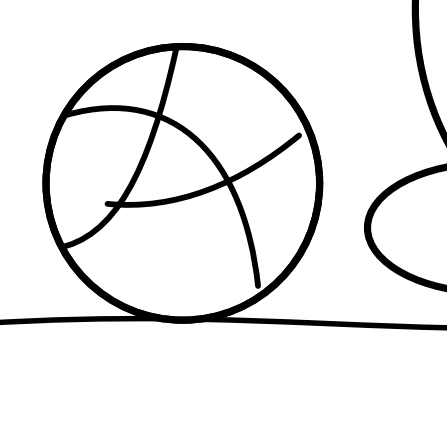
The ball contains curved crossing lines inside a round outline. Locate one region before coloring if the learner wants changes to follow those lines. A broad mark may otherwise travel across several divisions before the child has made a separate decision about them.
Puppy Palette Play can preserve a single-color ball when that is intentional. The presence of divisions does not impose a multicolor answer. Ask the artist about their plan before assuming a shared hue means the lines were overlooked.
A Puppy Palette Play decision card for adults
| Design role | A useful question |
|---|---|
| Broad fur | How strong should the main portrait look? |
| Collar and tag | Will this repeat a color or add an accent? |
| Divided ball | Which boundaries matter to your plan? |
Puppy Palette Play uses questions at moments of choice. Repeatedly interrupting each mark to ask what comes next can make planning feel like a quiz. Leave quiet working time when the child is comfortable and the current intention is clear.
Six Puppy Palette Play opportunities to notice
- Part identification: distinguish the animal, its collar and the nearby ball.
- Palette relationships: decide where a color repeats or contrasts.
- Boundary looking: locate a ball division or the heart's small edge.
- Tool coordination: use the drawing hand while the other helps stabilise the sheet.
- Descriptive language: connect fur, tag, curved, pale and bright with visible examples.
- Art communication: give a viewer a feature to look for in the portrait.
Puppy Palette Play joins visual thought, planning and language with physical mark making. These are possibilities for shared exploration, not outcomes proved by filling every region. A child can describe contrast before managing an even compact accent with a small pencil point.
Set up Puppy Palette Play around one manageable choice
At home, give the child a comfortable work area and a familiar tool, with scrap paper for palette tests. Read the short instruction and identify the three parts. Invite one first decision: perhaps a fur hue, a collar echo or a ball accent.
During Puppy Palette Play, an adult can help with page position, material selection or reading the outlined PUPPY word. The source does not request letter tracing. Coloring the word or discussing its letters can stay optional, alongside the main picture activity.
Close Puppy Palette Play by looking for the chosen relationship. “The heart repeats the ball's bright color” describes a visible decision. The child may decide the portrait is ready to share while some regions remain open, and that can be a reasonable ending.
Puppy Palette Play can give the heart its own time
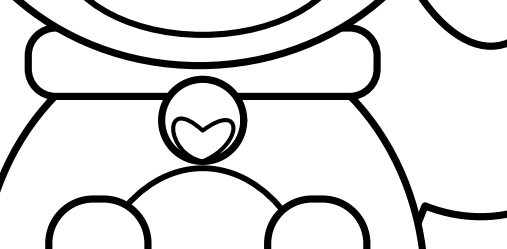
The tag is much smaller than the main body. If the learner wants a precise accent there, test a short mark on a larger drawn heart first. A dense crayon can cover the region quickly, so a different tool or lighter touch may suit the intended effect.
Puppy Palette Play does not require returning over the tag repeatedly until every white patch disappears. Keep small printed lines visible if that matters to the maker's plan. A lightly marked heart can carry a clear chosen color without a polished shading effect.
Puppy Palette Play becomes a classroom toy-design shelf
A teacher offers individual pages and optional three-swatch cards. Each child chooses a relationship among fur, collar and ball, tests a combination and makes a short coloring attempt. The adult records a dictated design note for a shared shelf display.
Puppy Palette Play partners look for the feature named in the note. One may use a collar accent, another a matching ball and another an intentionally quiet toy. Accept gestures, read labels aloud and provide larger trials. Avoid comparing pictures by how realistic their puppy colors appear or how many regions are filled.
Keep Puppy Palette Play comfortable enough to revisit
Children roughly three to six years old may enjoy this puppy picture during preschool or beginning kindergarten, with adult support shaped by their current drawing experience. A child who prefers broad marks can begin with fur; one interested in detail may choose a tag. Neither preference needs to become an age-based score.
Common Puppy Palette Play pitfalls include assigning brown fur automatically, insisting every ball section differ or correcting all marks that pass an edge. Let the intended design guide the next support. Ask whether a difference was deliberate before treating it as an error.
Regular Puppy Palette Play visits can return through a new toy label, another swatch proposal or a fresh starting part. Pause for fatigue or frustration. A short explanation of one meaningful color link can be a worthwhile art encounter without finishing the entire animal scene.
Puppy Palette Play print choices and broader invitations
The clean Puppy Palette Play member file uses the premium download available to a signed-in account with current eligible access. The uploaded original remains a distinct sample. After saving the clean PDF, inspect the US Letter sheet through your printer's preview controls and choose scaling that retains the ball, ears and bottom word. This member printable excludes watermarks, website-name promotion and advertisements inside the file; site ads are separate.
Other art tasks can include a chick with a provided palette or guided giraffe colors. A separate round-mark interest may lead to circles that return to their starting region. Adults can explore PBS Parents' art activity range and NAEYC's discussion of childhood creativity, keeping independent drawing and other materials available beyond this outlined portrait.
Popular Worksheets
Printable resources families and teachers are downloading now.
 Free
 Free
 Free
 Free