
Color the Joker: 7 Triumphant Steps for Creative Play!

A Whimsical Character Awaits Your Child's Palette
Color the joker gives learners focused practice. The world of early childhood education is rich with opportunities to spark imagination and build essential skills. Among the most engaging tools for this is the humble coloring worksheet. Today, we're diving into a particularly delightful one: a guide to color the joker. This printable offers a vibrant character, ready to be transformed by a child's unique artistic vision. It's more than just a coloring page; it's an invitation to a world of color, creativity, and developmental growth. Let's explore how this simple activity can become a powerful learning experience for your little ones.
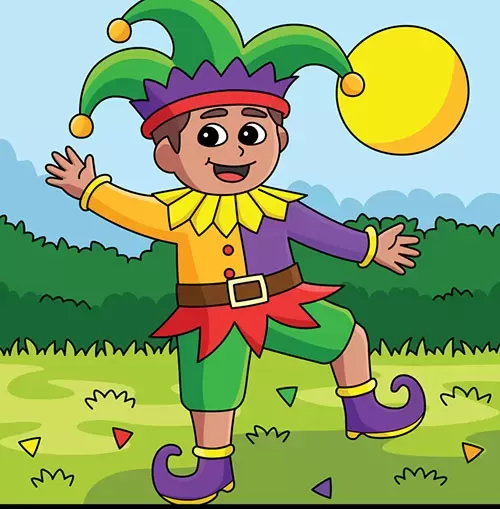
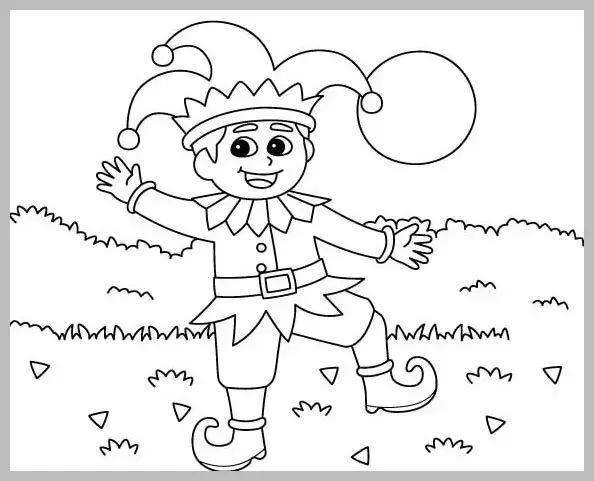
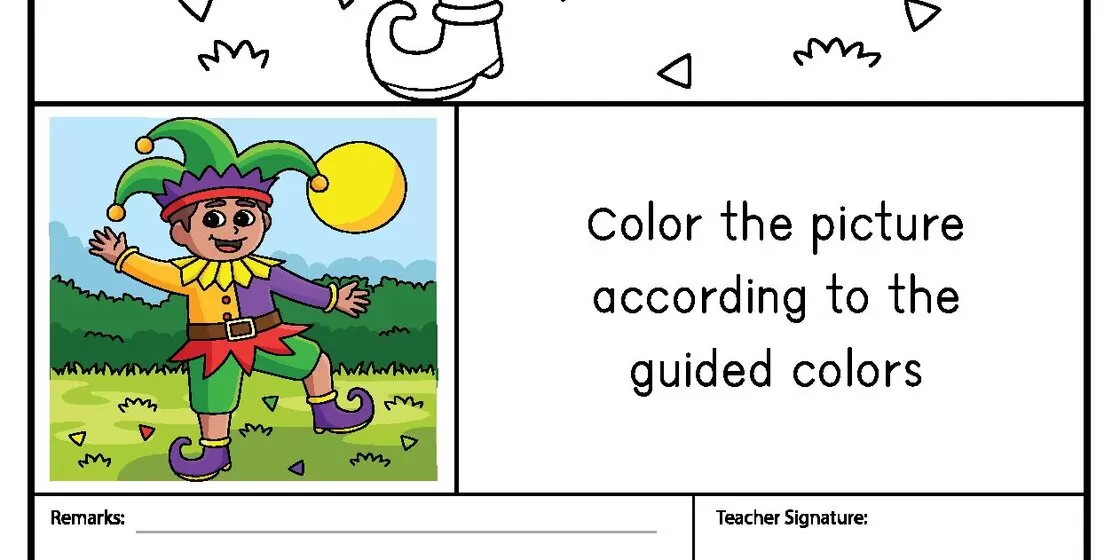
Color the joker gives learners focused practice. This worksheet features a jovial joker character in a playful pose, surrounded by simple geometric shapes that add an element of fun and visual interest. Below the main coloring area, a smaller, pre-colored example serves as a guide, demonstrating how the character can be brought to life with a thoughtful selection of hues. This dual approach—offering both a blank canvas and a visual reference—caters to different learning styles and encourages independent thinking while providing helpful direction.
The Joy of Guided Coloring
Color the joker gives learners focused practice. Coloring activities are a cornerstone of early learning for many good reasons. They provide a low-pressure environment for children to experiment with different colors, understand color mixing concepts, and develop a sense of aesthetic preference. For this specific joker worksheet, the guided example offers a gentle nudge, showing how contrasting colors can be used effectively to make the character pop. It’s a subtle way to introduce color theory without formal instruction, allowing children to absorb these concepts through play.
Color the joker gives learners focused practice. The act of holding a crayon or marker and carefully staying within the lines, or intentionally going outside them, is a fundamental exercise in fine motor control. This worksheet, with its clear outlines and distinct areas for coloring, is perfectly suited for developing these crucial pre-writing skills. As children meticulously fill in the joker's costume, hat, and facial features, they are strengthening the small muscles in their hands and fingers, which will later be essential for writing and other daily tasks.
Why This Joker Activity Stands Out
Color the joker gives learners focused practice. What makes this particular worksheet so effective? It's the combination of a captivating subject—a cheerful joker—and a well-structured design. The joker is a character often associated with fun, performance, and a bit of playful mischief, making it an inherently engaging subject for children. The worksheet doesn't just present a static image; it captures a sense of movement and personality, inviting children to imagine stories and scenarios involving the character.
Color the joker gives learners focused practice. The inclusion of a smaller, colored example is a stroke of genius. It provides a visual anchor, demonstrating how the provided colors can be applied. This is particularly helpful for younger children who might feel overwhelmed by a large, blank space. It offers a clear path forward, allowing them to replicate the example or use it as inspiration for their own unique color choices. This balance between guidance and freedom is key to fostering confidence and creativity.
Developing Essential Skills Through Play
Color the joker gives learners focused practice. Engaging with this joker coloring worksheet offers a multitude of developmental benefits that extend far beyond simply filling in colors. These activities are carefully designed to nurture a child's growing abilities in several key areas.
Cognitive Growth and Color Recognition
Color the joker gives learners focused practice. As children color the joker, they are actively engaged in cognitive processes. They must observe the example, decide which colors to use for different parts of the drawing, and plan their approach. This involves problem-solving: "Where does the red go? Should the hat be yellow or blue?" The worksheet also provides an excellent opportunity to reinforce color names and their associations. Discussing the colors used in the example, or asking children to identify specific colors they are using, strengthens their vocabulary and color recognition skills.
Color the joker gives learners focused practice. This process of decision-making and execution helps children develop focus and concentration. They learn to pay attention to detail, follow instructions (even if they are visual), and see a task through from beginning to end. This sustained attention is a vital precursor to success in more complex academic tasks later on.
Fine Motor Skill Enhancement
Color the joker gives learners focused practice. The physical act of coloring is a fantastic workout for a child's developing hands. Holding crayons, markers, or colored pencils requires a precise pincer grasp, which is essential for tasks like writing, buttoning clothes, and using utensils. The worksheet's clear lines and defined areas encourage controlled movements, helping children refine their hand-eye coordination. They learn to control the pressure they apply, the speed at which they color, and the accuracy of their strokes.
Language and Communication Development
Coloring isn't just a visual and physical activity; it's also a rich opportunity for language development. As children work, you can engage them in conversation about their choices. Ask open-ended questions like, "Why did you choose that color for the hat?" or "What do you think the joker is doing?" This encourages them to articulate their thoughts and feelings, expanding their vocabulary and sentence structure.
Describing the colors, the character, or the scene they are creating helps children develop narrative skills. They might tell a story about the joker's day or explain the meaning behind their color choices. This verbalization strengthens their ability to communicate ideas clearly and confidently. You can also use this activity to introduce new vocabulary related to clothing, emotions, or circus themes.
Creativity and Self-Expression
While the worksheet provides a guide, it ultimately serves as a springboard for creativity. Children are encouraged to interpret the character and the colors in their own way. They might decide to give the joker a rainbow-colored suit or a bright green face, deviating entirely from the example. This freedom to experiment and express their individuality is crucial for fostering a sense of self and developing imaginative thinking.
The process of choosing colors and applying them allows children to express their emotions and preferences visually. A child might choose bright, cheerful colors on a good day and perhaps more muted tones if they are feeling a bit down. This visual self-expression is a valuable outlet for their feelings and a way for them to explore their own unique perspective on the world.
Emotional and Social Benefits
Completing a coloring page, especially one with a fun character like a joker, provides a sense of accomplishment. Successfully finishing the task, whether by following the example or creating something entirely new, builds confidence and self-esteem. This positive reinforcement encourages them to tackle new challenges.
When done in a group setting, coloring can also foster social skills. Children can share crayons, discuss their artwork, and learn to appreciate the different approaches of their peers. This collaborative environment encourages turn-taking, communication, and mutual respect, laying the groundwork for positive social interactions.
Practical Application: Home and Classroom
This joker coloring worksheet is incredibly versatile, lending itself well to both structured learning environments and relaxed home activities. Its simplicity makes it accessible, while its potential for engagement is boundless.
At Home: A Creative Afternoon Project
Imagine a rainy afternoon. You've just downloaded this printable worksheet. Lay out a variety of crayons, markers, or colored pencils on a table. Introduce the worksheet to your child, pointing out the main picture and the smaller example. You might say, "Look, here's a funny joker! He's all ready for us to give him some wonderful colors. See how they colored his hat in the picture? What color do you want to use for this one?"
Allow your child to lead the process. Resist the urge to dictate every color choice. Instead, offer gentle prompts: "That's a bright yellow! What color could we use for his shoes?" You can also use this as an opportunity to discuss the character: "What do you think this joker does? Does he make people laugh?" This conversation turns a simple coloring task into a rich interaction, fostering bonding and language skills simultaneously. For a fun extension, you could even color a related scene together, perhaps a circus tent or a stage.
In the Classroom: A Versatile Learning Tool
For teachers, this worksheet can be integrated into various lesson plans. It can serve as a quiet activity during centers time, a reward for completing other tasks, or an introduction to a unit on performing arts, jesters, or even shapes (due to the geometric elements). Provide a range of coloring materials and let the children explore.
Consider using it as a starting point for a storytelling session. After the children have colored their jokers, ask them to share their artwork and tell a short story about their character. This not only reinforces their creativity but also builds public speaking confidence. This worksheet can also be a great complement to other creative activities, such as learning to color a dinosaur or practicing early math skills with number tracing worksheets. The varied nature of educational materials ensures a well-rounded learning experience.
Age Appropriateness and Skill Focus
This worksheet is ideally suited for children in the 3-6 age range. Younger children (3-4) will benefit from the basic coloring and color recognition, focusing on staying within larger areas and practicing their grasp on crayons. They might need more guidance with the smaller details.
Older children within this range (5-6) can engage more deeply with the nuances of color blending, shading (if using pencils), and creating more intricate patterns within the joker's costume. They can also be encouraged to use the example as a base and then add their own unique elements, fostering more advanced creative expression and problem-solving. The skills practiced are primarily fine motor control, hand-eye coordination, color identification, and creative expression.
Common Pitfalls and Encouragement Strategies
While coloring is generally a positive experience, parents and educators can help navigate potential challenges and maximize the benefits.
Common Mistakes to Watch For
- Excessive Pressure: Young children may press too hard with crayons, leading to broken tips or torn paper. Gentle reminders to "color lightly" can help.
- Staying Within Lines: For very young children, staying perfectly within the lines can be frustrating. It’s important to celebrate effort and progress rather than demanding perfection.
- Coloring Over the Example: Some children might try to color directly over the smaller example image. Gently redirecting them to the larger picture is helpful.
- Frustration with Detail: Small areas can be challenging. If a child becomes frustrated, suggest they use a different tool (like a fine-tip marker if available) or skip that area for now and come back later.
- Lack of Engagement: If a child seems uninterested, ensure the colors and tools are appealing and that the activity is presented in a fun, engaging way, perhaps by coloring a friendly animal first to build enthusiasm.
Ways to Encourage Continued Practice
- Positive Reinforcement: Offer specific praise, such as "I love how you used blue for the pants!" or "You stayed so carefully inside the lines on his hat." Avoid generic praise like "Good job."
- Display Their Work: Hang the finished joker artwork on the fridge or a dedicated 'gallery wall'. This shows children their efforts are valued and provides a sense of pride.
- Connect to Stories: Read books about jesters, circuses, or characters who wear colorful costumes. This adds context and sparks imaginative play related to the artwork.
- Offer Variety: While this joker worksheet is great, offer a range of coloring pages featuring different themes and characters. This keeps the activity fresh and exciting. Explore other fun printables in our free worksheet library.
- Make it a Routine: Incorporate coloring time into the weekly schedule. Predictability can help children feel more comfortable and eager to participate.
Extending the Fun: Beyond the Coloring Page
The learning doesn't have to stop once the last crayon is put down. Here are a few ideas to extend the engagement and learning from this joker coloring worksheet:
1. Joker Storytelling and Role-Play
Encourage children to create a story about their colored joker. What is his name? Where does he live? What is his favorite joke? You can act out the story together, with the child taking on the role of the joker and you playing another character. This imaginative play enhances narrative skills, creativity, and social-emotional understanding.
2. Create a Jester's Hat Craft
Using construction paper, scissors, glue, and the child's colored joker as inspiration, help them create their own jester's hat. They can use the same color combinations or come up with entirely new designs. This hands-on craft activity further develops fine motor skills and reinforces the visual elements of the worksheet.
3. Shape Hunt Inspired by the Worksheet
The joker in the worksheet is surrounded by geometric shapes. Turn this into a game by having children identify the shapes they see (triangles, perhaps implied squares or rectangles in the costume). Then, go on a 'shape hunt' around the house or classroom, finding objects that match those shapes. This reinforces shape recognition and observational skills.
4. Color Mixing Exploration
If using paints or even just water and colored paper, explore color mixing based on the joker's costume. "What happens if we mix the blue you used for his pants with some yellow?" This provides a hands-on way to understand basic color theory and its practical application.
5. Design a Joker's Costume
Provide plain paper and ask children to design a completely new costume for the joker. They can draw it, cut out shapes from colored paper to glue on, or even use fabric scraps if available. This encourages open-ended creativity and design thinking, moving beyond simply filling in pre-drawn lines.
Download and Print with Ease
Getting started with this engaging activity is straightforward. This printable worksheet is designed for easy access and use. Simply click the download button, and you will receive a high-quality PDF file. This file is optimized for printing on standard letter-sized paper (8.5" x 11"). The best part? It comes with no watermarks and no distracting advertisements, ensuring a clean and focused experience for your child. Just print, gather your coloring supplies, and let the colorful fun begin!
Popular Worksheets
Printable resources families and teachers are downloading now.
 Free
Free
 Free
Free
 Free
Free
 Free
Free