
Apple Tree Palette: 6 Brilliant Fruit-Focus Games
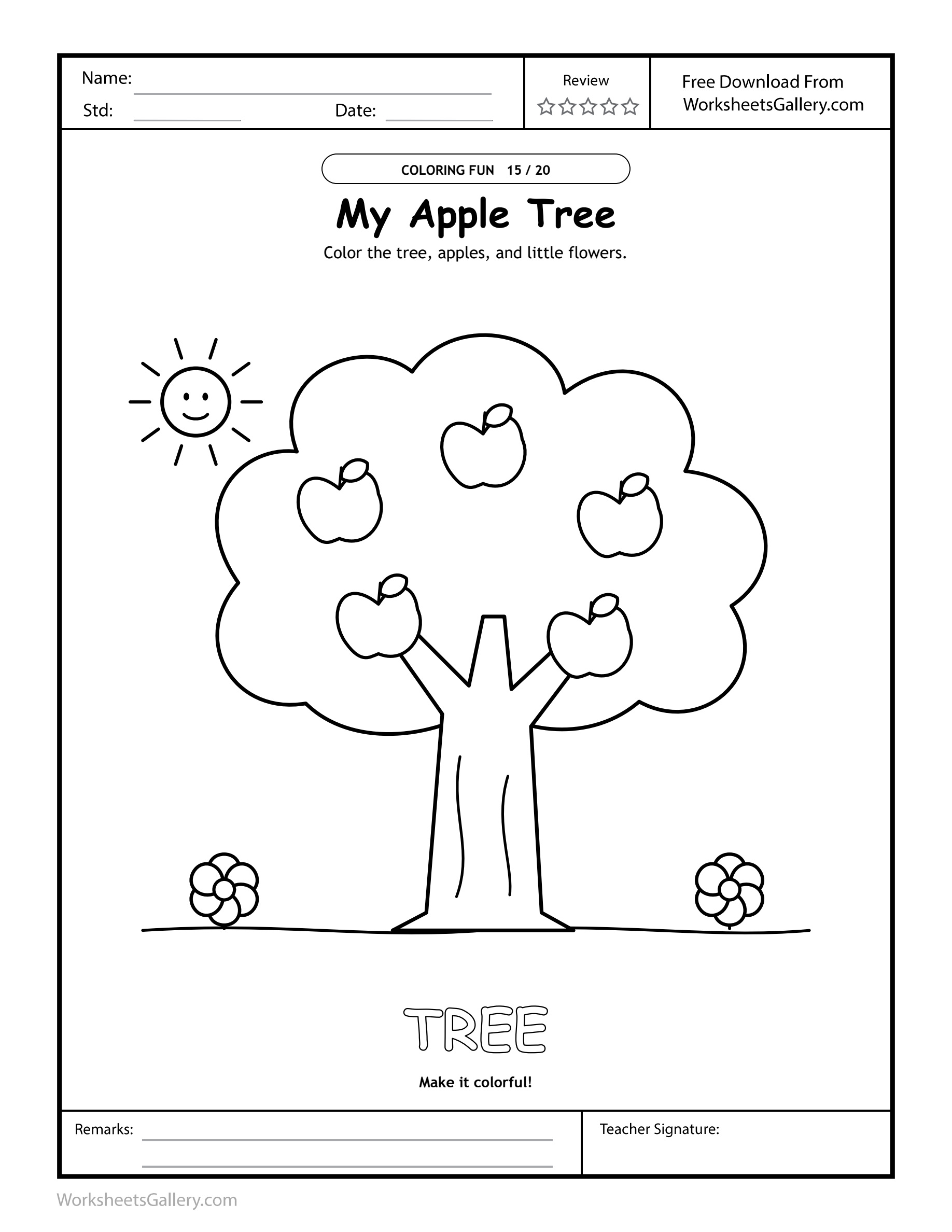
Five small apples share one broad canopy, so a color decision can change what a viewer notices first. Apple Tree Palette explores that relationship without assigning red fruit or green leaves as compulsory answers. The My Apple Tree printable includes fruit, branching wood and little ground-level flowers, all ready for a child's chosen marks. Begin with a simple invitation: make one apple easy to find, or let it blend if that is the picture you want. A test patch beside another patch can reveal more than a long explanation about how colors ought to behave.
Apple Tree Palette looks for the intended focus
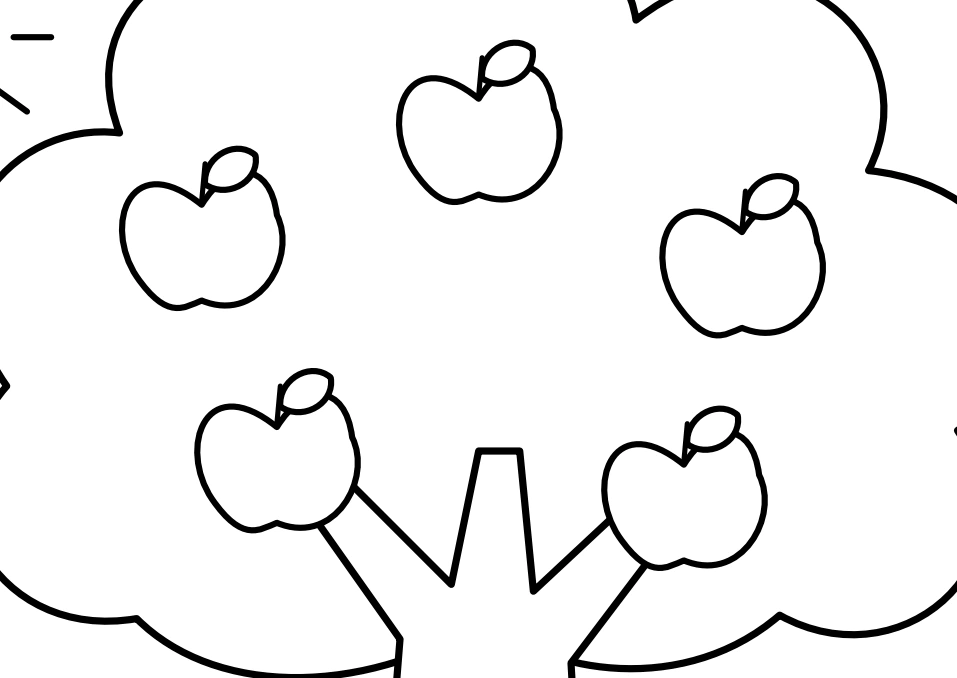
The five apple outlines occupy smaller regions within the foliage. Their visibility depends partly on the marks around them, not only the hue selected for each fruit. Ask which apple the learner wants to notice first, if any, before proposing a contrast.
Apple Tree Palette can compare a fruit-colored patch beside a possible canopy color on scrap paper. Some pairs will appear more distinct than others. The child decides which effect suits their intention; blending is a legitimate artistic choice as well as standing out.
Apple Tree Palette does not ask the learner to count, number or match the apples. Their number is a visible picture fact, not an additional assessment. Keep the main activity focused on coloring unless the child independently invites a counting conversation.
Six Apple Tree Palette games about fruit and its surroundings
These investigations make a small visual relationship easier to explore. They do not require six finished worksheets. A child can select one, keep its useful trial or return to a different question during another visit.
1. Apple Tree Palette compares a fruit-and-leaf pair
Make one small fruit-shaped patch beside a larger foliage-colored area. Ask whether the smaller mark is easy to distinguish. Apple Tree Palette pair tests can use familiar pencils or crayons, with no need for special art materials or formal color names.
The Apple Tree Palette maker chooses whether to keep the pair, adjust one hue or leave more open paper nearby. Compare the effect that actually appears. Avoid promising that a named color always stands out, regardless of the material or neighboring mark.
2. Apple Tree Palette tries a quiet canopy
Draw a large cloud-like outline around a small apple shape on fresh paper. Explore gentle surrounding marks and a stronger fruit mark. Apple Tree Palette trials can show how a broad region supports a smaller feature without receiving dense coverage everywhere.
Let Apple Tree Palette reverse that arrangement if the learner prefers. A bright canopy with subtle fruit has a different purpose. The useful conversation concerns the chosen emphasis, not a rule that the smallest shape must always attract the eye.
3. Apple Tree Palette gives one apple a message
Invite the child to choose a fruit and dictate a short imagined announcement from it. An adult records the line on a separate card. Apple Tree Palette messages might ask a pretend garden visitor to find a golden apple or admire a purple one.
The Apple Tree Palette listener finds the relevant fruit through the message and the learner's pointing. They can ask which surrounding mark makes it easier to see. Keep the exchange about the invented picture rather than making claims about real apple varieties.
4. Apple Tree Palette explores a trunk direction
On spare paper, create a broad upright trunk-like shape with a branching section. Test how the same tool moves along the long region and near the junction. Apple Tree Palette direction studies offer a physical comparison alongside the page's color decisions.
The Apple Tree Palette artist can use short marks, broad strokes or a mixed texture. There is no requirement to imitate bark. Return to a small source branch only when the learner wants that detail and the movement feels comfortable.
5. Apple Tree Palette invents a garden sign
Choose a color sample and dictate a brief invitation for an imaginary tree display. The adult writes the text next to the filled swatch. Apple Tree Palette signs give a viewer a particular feature to look for without adding lettering requirements to the source sheet.
Read the Apple Tree Palette sign aloud and check that it expresses the maker's intention. The child may revise a word or swap a color. A changed plan can be recorded on another scrap, preserving the first experiment as part of the exploration.
6. Apple Tree Palette makes a second-view comparison
Save a first fruit-and-canopy trial and create a different pair later. Put them beside each other and ask which relationship the learner now prefers. Apple Tree Palette comparisons support talking about a visible change rather than assuming that the newest attempt must be better.
A second Apple Tree Palette visit can finish after that decision. It need not produce another complete tree. One understandable comparison, especially when the child can indicate what changed, is a worthwhile outcome on its own.
Zoya makes Apple Tree Palette a surprising garden
Zoya imagines a night-time garden whose fruit glows gold. Her uncle offers two scraps so she can test gold beside a dark canopy and beside a pale one. She points to the relationship she prefers and explains that visitors should spot the fruit immediately.
Their Apple Tree Palette session changes when Zoya decides one apple should be quiet instead. Her uncle asks which location she means and helps find that outline. He keeps her color decision intact while offering practical support for the small space.
Apple Tree Palette storytelling can be entirely different for another learner. A child might prefer a familiar-looking tree or no story at all. The example shows ownership of a plan, not a required fantasy theme or a model finished page.
Apple Tree Palette considers the whole tree before the details
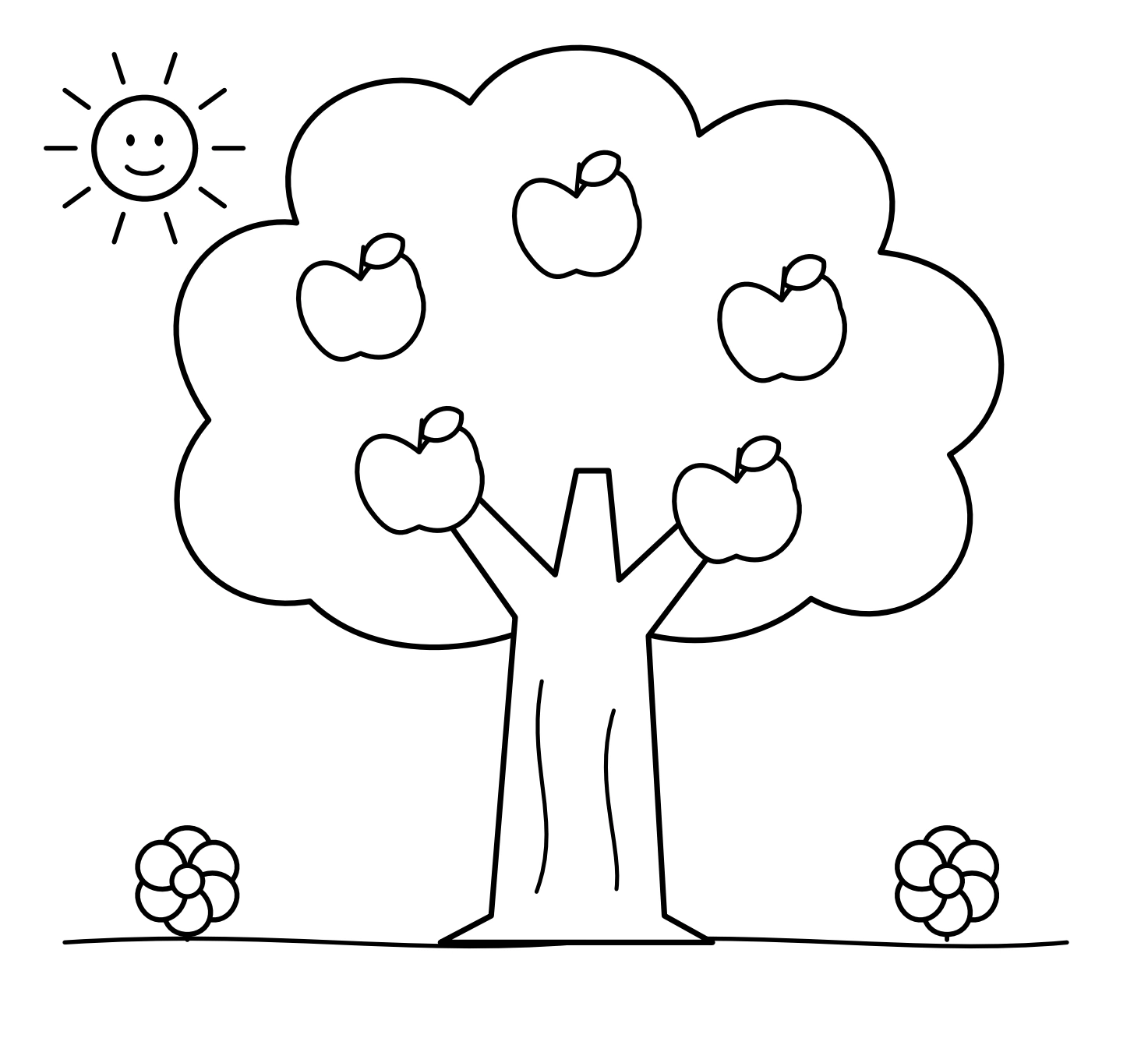
The source direction names the tree, apples and little flowers. The broad canopy sits above a trunk that divides into branches, with smaller details near the ground. Its outlined TREE label can be read aloud by an adult if it contributes to the conversation.
Apple Tree Palette remains a coloring activity. Filling letter interiors, tracing a name or writing a new caption independently is optional. A learner can begin with the large foliage region and leave the compact flowers for another visit.
Five Apple Tree Palette benefits tied to visible choices
- Relationship noticing: compare a small fruit mark with the larger region beside it.
- Flexible planning: change one part of a palette when the initial effect does not match the intended picture.
- Movement control: adjust stroke direction between broad foliage, upright trunk and narrow branches.
- Purposeful language: explain which fruit should stand out, blend or carry an imagined message.
- Decision confidence: choose an unexpected palette and explain it without needing an adult's model.
Apple Tree Palette joins cognition, coordinated movement and communication while allowing different entry points. An articulate plan can accompany loose marks. A child who does not want to speak may demonstrate the same intention by selecting a trial and pointing to a fruit.
Apple Tree Palette changes movement at the branching wood
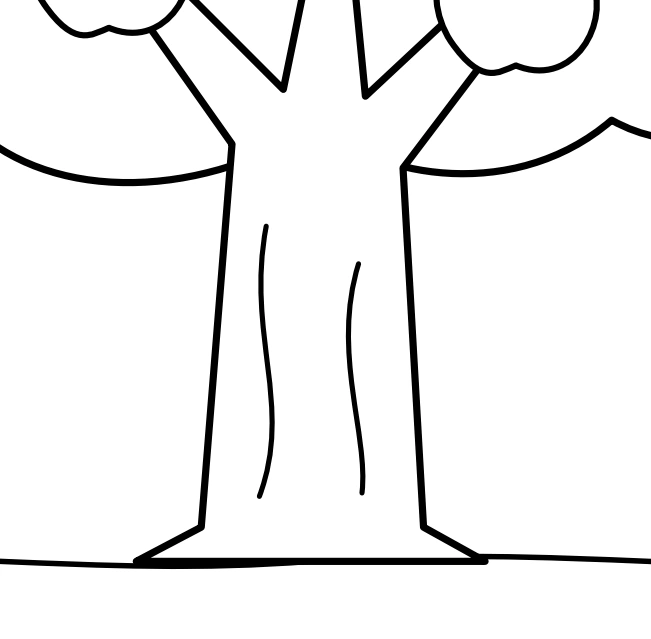
The trunk's long upright region meets branching sections beneath the canopy. Following a chosen direction with a mark may feel different from sweeping across the foliage. Let the child inspect the junction before suggesting a shorter stroke near it.
Apple Tree Palette can give the trunk an invented color or a texture made from several kinds of mark. If fine control becomes tiring, enlarge the branch on another sheet. Preserve the learner's intended effect while changing the scale of the task.
Apple Tree Palette at home follows a small plan
Arrange the printable beside a test scrap and a few familiar coloring tools. Read the instruction, find a comfortable region and ask whether the child has a fruit-and-canopy relationship in mind. Offer one trial rather than a whole set of adult demonstrations.
During Apple Tree Palette, respond to requests for help with the paper, tool or location of a feature. Allow quiet concentration between conversations. When the learner pauses, ask what they wanted viewers to notice rather than immediately recommending another area to fill.
End Apple Tree Palette by describing a visible decision: “That small gold shape is easy to find beside your darker marks.” The comment recognises the relationship. It does not assume that full coverage, realism or a large number of colors is the goal.
A classroom Apple Tree Palette search-note display
A teacher gives children individual sheets and small trial cards. Each learner selects a color relationship, works on a chosen region and dictates a brief search note. Partners hear the note and locate the intended apple, with adult reading or pointing support as needed.
Apple Tree Palette displays can include quiet fruit, bright fruit and deliberately similar hues. Invite descriptive responses rather than rankings. A learner may prefer a private conversation with the teacher, and a partial picture can communicate a complete idea.
For Apple Tree Palette, one practical classroom question is enough: can the viewer find the feature the artist named? If not, the maker may strengthen a contrast, change the note or explain the location. Several reasonable solutions preserve authorship.
Apple Tree Palette uses a filled study as one example
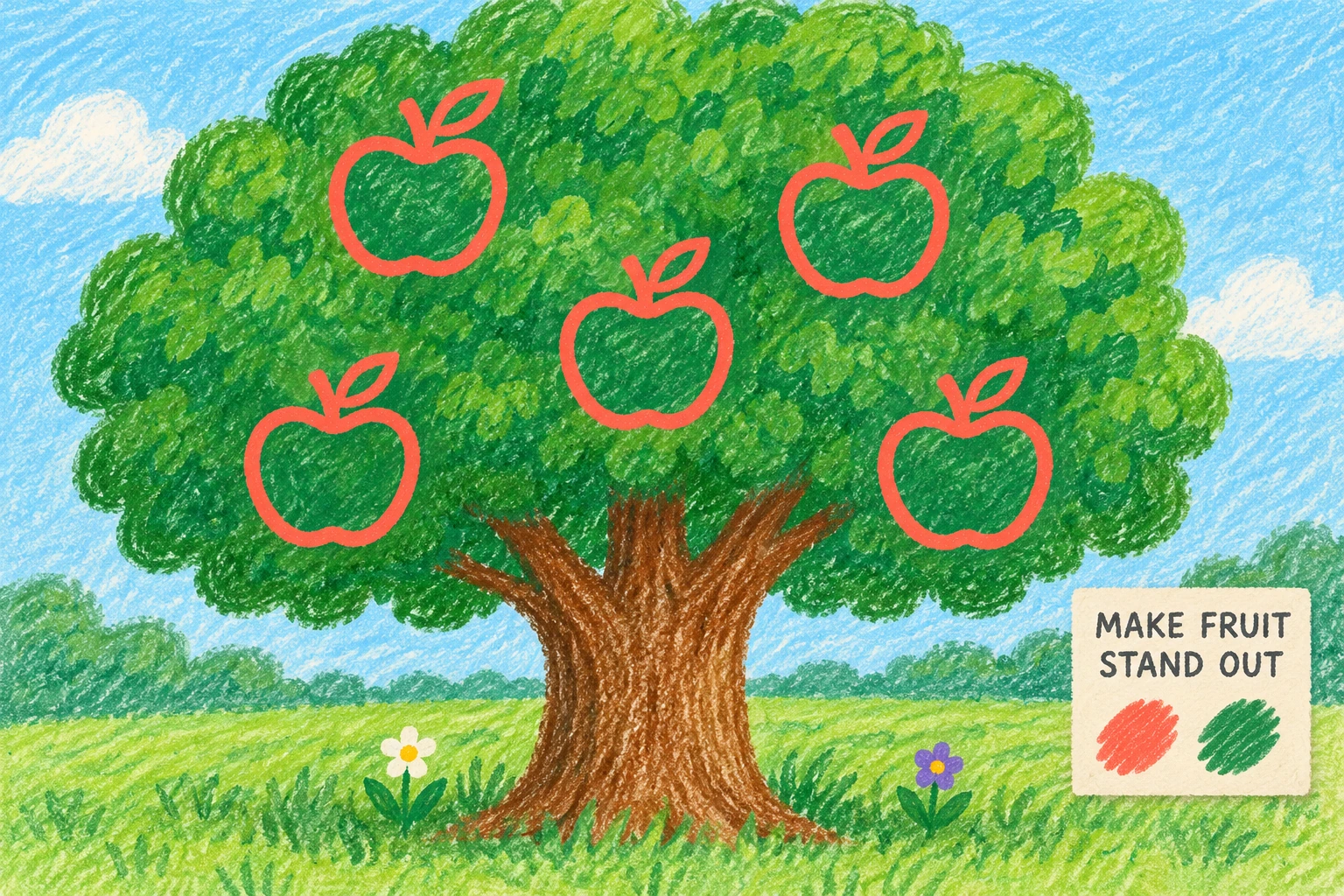
The crayon-and-paper illustration pairs five coral apples with cool green foliage. Its small filled card reads MAKE FRUIT STAND OUT. This is an optional contrast example in another medium, not a prescribed coloring solution or a scientific account of apple colors.
Apple Tree Palette may depart completely from that study. A palette can be deliberate even when it looks unfamiliar. Ask about intention before praising a “correct” fruit color or requiring the surrounding leaves to follow an adult expectation.
Apple Tree Palette adjustments for common sticking points
| The learner's concern | A manageable response |
|---|---|
| The apple is hard to see. | Test another neighboring color. |
| The branch is too narrow. | Try a larger branch study. |
| The canopy takes too long. | Choose a smaller area or stop. |
Common Apple Tree Palette errors in adult support include demanding red apples, treating open foliage as unfinished or requiring every detail before a pause. The source supplies outlines rather than a compulsory plan. A chosen region can be enough for one comfortable session.
Apple Tree Palette can grow through revisits
The picture often suits preschool and early kindergarten learners around three to six years old, with adult help matched to experience. Broad regions, color selection and pointing can precede work on small fruit outlines. No exact age guarantees a particular level of tool control.
Bring Apple Tree Palette back with one fresh question: another fruit contrast, a trunk texture or a different garden sign. Short willing visits can support regular practice. Rest when hands tire or interest changes instead of using the five apples as a fixed completion quota.
Download Apple Tree Palette and choose a neighboring activity
For clean Apple Tree Palette printing, sign in to a membership account whose active plan includes the premium file, then select that attachment. Save this edition apart from the original sample. The clean PDF removes watermarks and website/domain marks and includes no embedded ads. Use your print preview to check the entire US Letter composition, keeping the canopy and bottom word inside the available print area. Ads surrounding a website download are outside the printable document.
For assigned-color practice, compare the guided chick palette task or a giraffe color-reference page. Water the Flowers tracing routes offers a separate pencil-movement invitation. Adults can browse NAEYC's art-and-creativity article and PBS Parents' family art ideas, alongside independent drawings whose shapes children invent themselves.
Popular Worksheets
Printable resources families and teachers are downloading now.
 Free
 Free
 Free
 Free