
Color the house: 5 Amazing Steps for Creative Learning!

Welcome to a World of Color: Guiding Little Artists
Color the gives learners focused practice. This worksheet gives learners focused practice. Welcome, parents and educators, to a wonderful opportunity to engage young minds with a simple yet profoundly beneficial activity. This printable worksheet invites children to color the house, transforming a black-and-white outline into a vibrant masterpiece. It’s more than just coloring; it’s a journey into developing essential skills, fostering creativity, and building confidence, one crayon stroke at a time. Let’s explore how this seemingly basic task can lay a strong foundation for future learning and artistic expression.
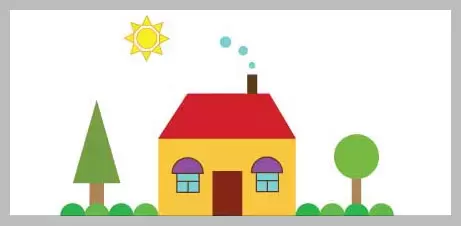
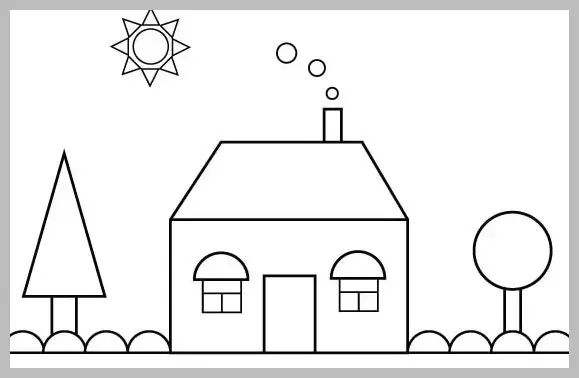
Color the gives learners focused practice. The worksheet presents a clear, inviting image of a house, complete with surrounding elements like trees and a sun. Below this, a completed, colored version serves as a guide, demonstrating how to apply colors to specific shapes. This dual-page approach offers both a challenge and a reference, catering to different learning styles and abilities. It’s an accessible entry point for even the youngest learners to explore the magic of color and form.
Why This Worksheet Shines
- Guided Learning: The presence of a completed example provides clear direction without stifling creativity.
- Skill Development: It targets crucial areas like fine motor skills, hand-eye coordination, and color recognition.
- Focus and Concentration: The activity encourages sustained attention, a vital skill for academic success.
- Visual-Spatial Reasoning: Children learn to associate colors with specific shapes and areas.
- Creative Expression: While guided, there's still ample room for personal choice and imaginative flair.
- Sense of Accomplishment: Completing the picture provides a tangible reward and boosts self-esteem.
The Power of Guided Coloring: A Deeper Look
Color the gives learners focused practice. This worksheet is thoughtfully designed to offer a balanced learning experience. The top portion presents an outline for children to color, while the bottom showcases a finished example. This visual comparison is incredibly effective. It allows children to color the house by referencing the provided color scheme, which helps them understand how different colors can be used to define shapes and create a complete scene. This guided approach is particularly beneficial for children who are just beginning their artistic journey or those who benefit from clear instructions.
Color the gives learners focused practice. Furthermore, the act of coloring itself is a fundamental building block for many developmental milestones. When a child grips a crayon or marker, they are engaging their small hand muscles. Repeatedly moving the crayon to fill in spaces refines these muscles, improving dexterity. This preparation is crucial for later tasks like writing, buttoning clothes, or using utensils. The visual tracking required to stay within the lines also sharpens their eye-hand coordination, a skill that underpins everything from sports to reading.
Key Learning Benefits
Color the gives learners focused practice. Engaging with this worksheet offers a rich tapestry of developmental advantages:
- Fine Motor Skill Refinement: Holding and manipulating coloring tools strengthens finger and hand muscles.
- Color Recognition and Association: Children learn to identify and name colors, and understand how they appear in the real world.
- Hand-Eye Coordination: Translating visual information (the example) into physical action (coloring) improves this vital connection.
- Focus and Attention Span: Completing the picture requires sustained concentration, building a foundation for longer tasks.
- Problem-Solving: Deciding which color goes where, especially if they deviate slightly from the example, involves simple decision-making.
- Creativity and Imagination: Even with a guide, children can interpret colors and add their personal touch.
- Pre-Writing Skills: The controlled movements and grip practice are direct precursors to forming letters and numbers.
Making it Happen: Home and Classroom Use
This printable is incredibly versatile, fitting seamlessly into both home learning environments and busy classrooms. At home, it can be a quiet activity during a rainy afternoon or a fun project to complete together after school. Imagine sitting with your child, offering gentle encouragement as they select their favorite red for the roof or a bright yellow for the sun. This shared experience not only reinforces the learning but also strengthens your bond.
In a classroom setting, this worksheet serves as an excellent independent activity during centers time or as a whole-group introduction to color concepts. Teachers can use the example as a basis for discussion: “What color is the roof in the picture? What color will you choose for your roof?” This prompts verbal interaction and reinforces learning through auditory and visual cues. It’s also a fantastic tool for substitute teachers or for quick, engaging lessons when time is limited. For more creative art activities, explore our Joyful Dinosaur Coloring or Color the Cow worksheets.
Practical Application Scenarios
Home Scenario: The Weekend Art Project
It’s Saturday morning, and the kids are looking for something engaging to do. You print out the “Color This Picture Using Guided Colors” worksheet. You sit down with your youngest child, who is 4 years old. You point to the example picture and say, “Look, this house has a red roof and a yellow door. What color would you like to make your house?” Your child excitedly grabs a red crayon and begins coloring the roof. You offer gentle praise, “That’s a lovely red roof!” As they continue, you might ask, “What color should we make the grass?” This interactive approach makes learning fun and reinforces color choices.
Classroom Scenario: Art Center Rotation
In a preschool classroom, this worksheet is a popular station during art center time. Children can choose to follow the example closely or use it as inspiration for their own unique color combinations. The teacher might prepare a basket of crayons and markers. As children complete their pictures, they can proudly display them on a bulletin board titled “Our Colorful Houses.” This fosters a sense of community and shared achievement. For a similar visual-motor challenge, consider the Vibrant Carrot Coloring worksheet.
Developing Essential Skills Through Play
The benefits of this coloring activity extend far beyond simply filling in spaces. It’s a multi-faceted developmental tool:
Cognitive Skill Development
- Color Identification: Children learn to recognize and name a spectrum of colors.
- Following Instructions: The guided example teaches them to interpret and follow visual directions.
- Visual Discrimination: They learn to differentiate between various shapes within the drawing (e.g., roof, windows, door).
- Memory Recall: Remembering which colors were used in the example strengthens short-term memory.
Fine Motor and Perceptual Skill Development
- Pincer Grasp: Holding crayons correctly develops the essential pincer grasp used for writing.
- Bilateral Coordination: Using one hand to hold the paper steady while the other colors enhances coordination.
- Control and Precision: Learning to color within lines improves control over movements.
- Spatial Awareness: Understanding how colors fill shapes and relate to each other in a scene.
Language and Social-Emotional Skill Development
- Vocabulary Expansion: Discussing colors, shapes, and the scene introduces new words.
- Following Directions: Verbal cues from adults or the visual example enhance listening skills.
- Self-Expression: Choosing colors and adding personal touches allows for creative expression.
- Patience and Persistence: Completing the picture requires focus and the ability to see a task through.
- Sense of Pride: Finishing the artwork and receiving positive feedback builds self-confidence.
Beyond color the house Worksheet: Extending the Fun
Once the coloring is complete, the learning doesn't have to stop! Here are some ways to extend the activity:
Creative Extensions
- Storytelling: Ask your child to tell a story about the house they colored. Who lives there? What happens inside?
- Color Hunt: After coloring, go on a “color hunt” around the house or classroom, finding objects that match the colors used in the picture.
- Build a House: Use building blocks or craft supplies to construct a real-life model of the house they just colored.
- Shape Recognition Game: Point to different shapes in the picture (square windows, rectangular door, triangular roof) and ask your child to identify them.
- Color Mixing Exploration: If you have paints or playdough, explore how mixing the colors used in the worksheet can create new shades.
- Role-Playing: Pretend to be the people who live in the colored house. What are their daily activities?
Why Children Adore Coloring Activities
Children are naturally drawn to coloring. It offers a sense of control and freedom in a world where many things are decided for them. The simple act of choosing a color and applying it to paper is empowering. It’s a low-pressure way to be creative, and the vibrant results are immediately gratifying. Furthermore, coloring is often associated with quiet, enjoyable moments, making it a comforting and engaging pastime. The visual appeal of transforming a black-and-white image into something colorful is inherently satisfying for young eyes.
Common Pitfalls and How to Navigate Them
While coloring is generally straightforward, a few common challenges might arise:
- Pressing Too Hard: Young children might press very hard, potentially tearing the paper or breaking crayons. Gently guide them to use lighter pressure.
- Coloring Outside the Lines: This is normal! Instead of correcting, praise their effort and focus on the colors they choose. For more tracing practice, consider resources like Master 10 Stellar Steps for Number 10 Tracing.
- Frustration: If a child becomes frustrated, take a break. Revisit the activity later or switch to a simpler task.
- Lack of Color Choice: Some children might stick to only one or two colors. Encourage them to explore other colors by asking questions like, “What other color could we use for the windows?”
Encouraging Consistent Practice
To maximize the benefits, encourage regular engagement with coloring activities. Make coloring supplies readily accessible. Display completed artwork proudly to show appreciation for their efforts. Frame their creations or create a dedicated “art gallery” wall. Celebrate small victories, like staying within the lines for a short period or using a new color. Consistency, even in short bursts, builds skill and confidence over time. Remember, the goal is progress, not perfection.
Download Your Free Printable Today!
Ready to bring this colorful house to life? Downloading this worksheet is simple and completely free. You’ll receive a high-quality, printable PDF file with no watermarks or distracting ads. It’s designed for easy printing at home or in the classroom, ensuring a smooth and enjoyable experience for both you and the child. Simply click the download link below to get started on this rewarding creative journey. Explore more free resources in our Free Worksheet Library.
Download the "Color This Picture Using Guided Colors" Worksheet
Download NowAge Recommendation: This worksheet is ideally suited for children aged 4-6 years old. At this age, children are developing the fine motor control and color recognition skills necessary to benefit most from this guided coloring activity.
Popular Worksheets
Printable resources families and teachers are downloading now.
 Free
Free
 Free
Free
 Free
Free
 Free
Free