
Turtle Shell Colors: 6 Brilliant Pond-Mosaic Games
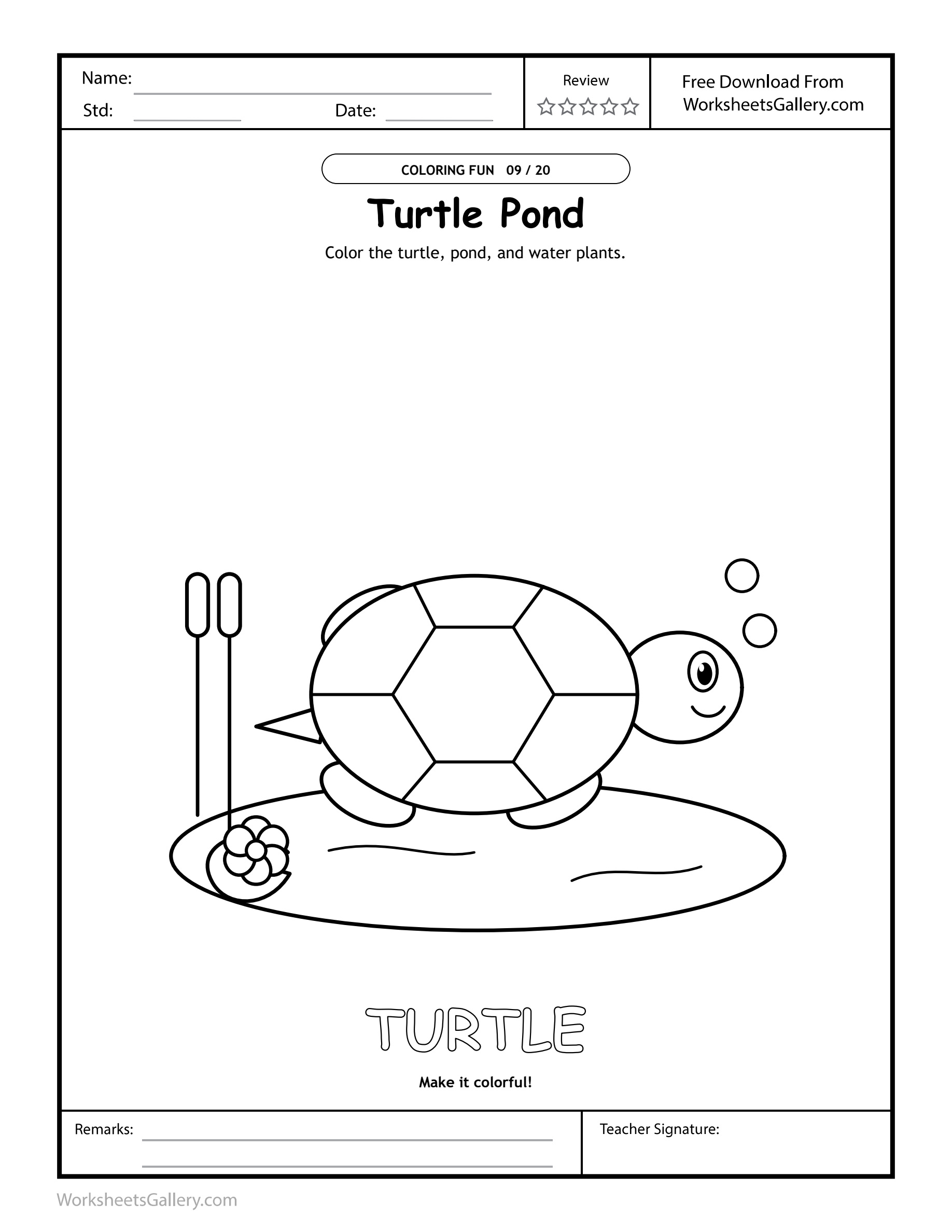
One shell can contain many neighboring color decisions. Turtle Shell Colors invites a learner to treat its divided outline as a personal mosaic, then consider how that mosaic belongs beside the pond and plants. The Turtle Pond worksheet offers a central animal, water details and an outlined topic word without assigning colors to particular panels. Start by finding one shell compartment and its neighbor. The child may repeat a hue, make a contrast or choose another rule entirely. Looking at a boundary before filling it gives the first color change a reason the artist can explain.
Turtle Shell Colors begins inside one panel
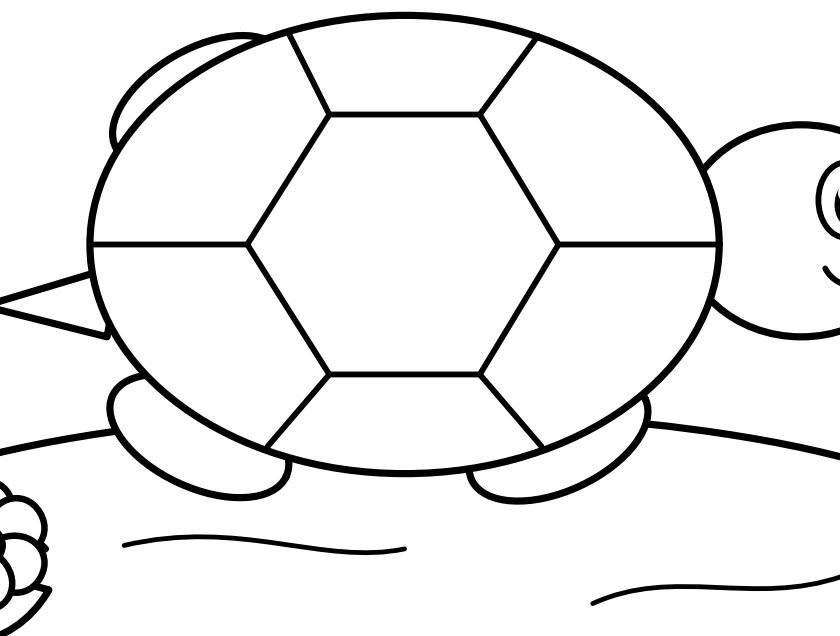
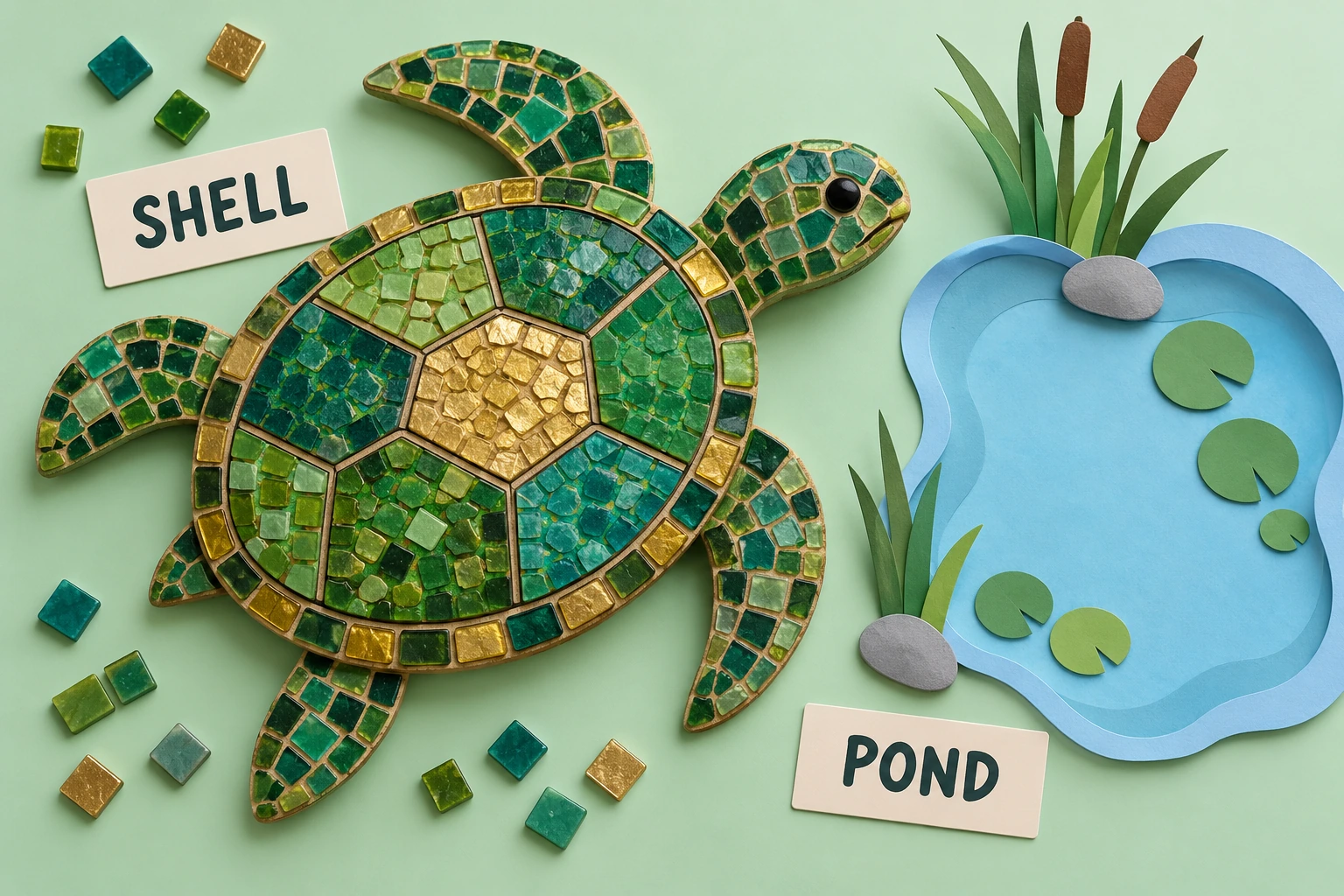
The shell contains a central polygonal region surrounded by other compartments. Their shared lines make color relationships easy to inspect. Ask which panel the learner would like to choose first, then look at the region beside it before reaching for a second crayon.
Turtle Shell Colors does not require alternating hues, matching every opposite panel or reproducing a natural shell pattern. Those are possible personal rules only if the artist selects them. Distinguish a chosen mosaic from an adult-imposed sequence that was never stated in the worksheet.
Diya gives Turtle Shell Colors a mosaic-display idea
Diya and her mother are making a pretend pond-art display. Diya wants the shell's middle to be the brightest part. Her mother asks how the neighboring panels might help that choice become visible, and they compare two filled swatches beside a larger one.
Their Turtle Shell Colors visit focuses on that relationship. Diya chooses a strong center and quieter surrounding colors. Her mother writes her dictated description on a separate display card, then points to the feature Diya meant the viewer to notice.
Turtle Shell Colors at home can follow another intention too. A child might repeat one favorite hue across the shell or make each panel different. The maker's explanation matters more than the adult's expectation that a mosaic must follow a predictable pattern.
A Turtle Shell Colors map of the whole setting
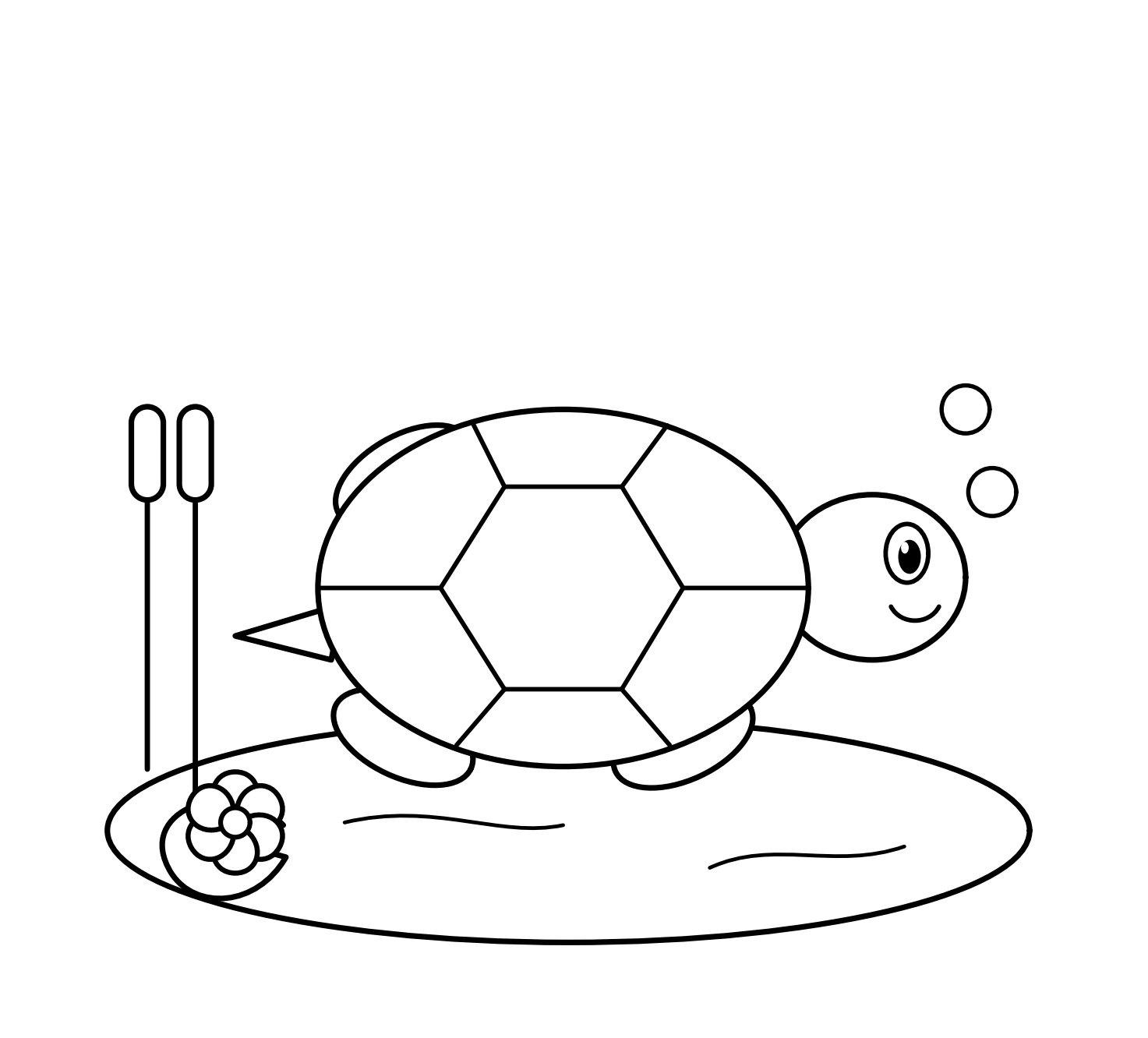
The scene includes the turtle, oval water area, tall plants, a small flower and decorative circles nearby. The uploaded instruction asks for the turtle, pond and water plants to be colored. The picture is not a counting exercise or an animal-identification diagram.
Turtle Shell Colors provides several kinds of space: broader shell panels, a rounded head, smaller feet and narrow plant lines. A mark that feels comfortable in one region may need adjustment in another. Inspect the current boundary rather than continuing one broad motion everywhere.
The outlined word TURTLE belongs beneath the scene. An adult can read it while indicating the animal. Turtle Shell Colors leaves letter naming, word copying and coloring narrow letter interiors as optional interests rather than required parts of the art task.
Six Turtle Shell Colors mosaic games on separate paper
Choose an optional game that develops the learner's current idea. Use broad drawn panels, filled swatch cards and adult-written labels where helpful. The purpose is to make a relationship visible, not to add another complete shell that must be finished after the worksheet.
1. Turtle Shell Colors opens a neighboring-panel desk
Draw two adjoining regions on a spare card. The child selects a color for each and explains whether the neighbors should blend or contrast. Turtle Shell Colors desks make a local decision manageable before it becomes part of a larger mosaic.
The Turtle Shell Colors learner may test another pair without rejecting the first as wrong. Keep alternatives visible if useful. An adult can ask which pairing belongs to today's intention, allowing the child to choose based on the effect they see.
2. Give Turtle Shell Colors a center-emphasis request
Sketch a large central shape with several outer regions around it. Pretend a display needs its middle to be easy to find. Turtle Shell Colors requests connect a palette relationship with a clear viewing purpose, without prescribing one particular hue as the answer.
For Turtle Shell Colors, a strong center can be supported by pale neighbors, different hues or another child-chosen approach. Ask the maker to point to the effect rather than requiring technical vocabulary about contrast.
3. Turtle Shell Colors starts a shared-hue experiment
Offer a card divided into several panels and invite one favorite color across all of them. Compare the result with a differently colored version. Turtle Shell Colors experiments show that a divided outline remains divided even when its regions share a hue.
The Turtle Shell Colors comparison can lead to a personal decision about which boundary should stay most noticeable. It should not turn into a demand that one approach replace the other. Both cards can record useful possibilities.
4. Send Turtle Shell Colors a pond-palette proposal
Make a broad water-shaped region on scrap paper and place possible shell swatches nearby. The learner chooses a relationship between animal and setting. Turtle Shell Colors proposals move the conversation beyond individual panels while keeping the main design question small enough to inspect.
A Turtle Shell Colors partner can ask which group attracts attention first. The maker may choose quiet water, bold water or closely related hues. Blue is available as an option, not supplied as the worksheet's hidden correct answer.
5. Turtle Shell Colors creates a narrow-plant mark card
Draw a tall stem and a broader panel on a large card. Invite marks that feel comfortable in each space. Turtle Shell Colors cards compare tool movement through actual region size, rather than asking the learner to obey a general instruction to be neater.
The Turtle Shell Colors artist can keep the same tool or choose another familiar one. Describe which motion fits their intended effect. A supported practical choice is useful even when the fine plant lines remain uneven.
6. Make Turtle Shell Colors a mosaic-title exchange
The learner invents a title for a separate panel design and dictates one sentence about its color rule. A viewer looks for that relationship. Turtle Shell Colors exchanges invite a listener to look closely at the maker's decisions instead of comparing finished pictures by neatness.
Ask the Turtle Shell Colors maker whether the viewer found the intended feature. They can point to clarify or revise the description. Sharing can end with an explanation, without requiring another full worksheet to demonstrate the rule again.
A Turtle Shell Colors comparison table
| Relationship | Question for the artist |
|---|---|
| Panel beside panel | Do these neighbors share a hue? |
| Center beside outer regions | Which part should be noticed first? |
| Shell beside pond | How will the setting support the animal? |
Turtle Shell Colors questions are most useful when a genuine decision appears. Asking about every mark can interrupt concentration. Listen to the explanation, offer a relevant comparison and allow quiet working time when the learner already has a clear plan.
Seven Turtle Shell Colors possibilities for learning
- Part-and-whole looking: see one compartment within the larger shell.
- Neighbor comparison: inspect a shared boundary before changing color.
- Rule choice: decide whether any palette pattern is wanted.
- Visual emphasis: make a center, outer panel or water area more noticeable.
- Mark adjustment: compare broad regions with thin plant details.
- Descriptive language: use panel, beside, center, pond and repeat for visible features.
- Communication: explain a color rule or title to a viewer.
Turtle Shell Colors joins cognitive comparison and visual attention with language and coordinated hand movement. These are opportunities for exploration, not achievements guaranteed by completing a picture. A child may describe a clear rule while needing larger trial panels to carry it out comfortably.
Bring Turtle Shell Colors to a home mosaic table
Prepare the page with room for the child's arms, a familiar drawing material and a little spare paper. Read the instruction and identify the shell. Invite one starting panel, then look at its neighbor before choosing whether another hue is needed.
During Turtle Shell Colors, support a sliding sheet or help locate a line if requested. Avoid taking the crayon through the child's hand to secure an even boundary. A broader separate panel can clarify the intended mark without replacing the learner's movement.
Finish Turtle Shell Colors by looking for one stated relationship. “You kept the middle strong and its neighbors quiet” describes visible evidence. Another artist may explain the opposite arrangement, and their intention can support a different equally specific observation.
Turtle Shell Colors can let the pond remain quiet
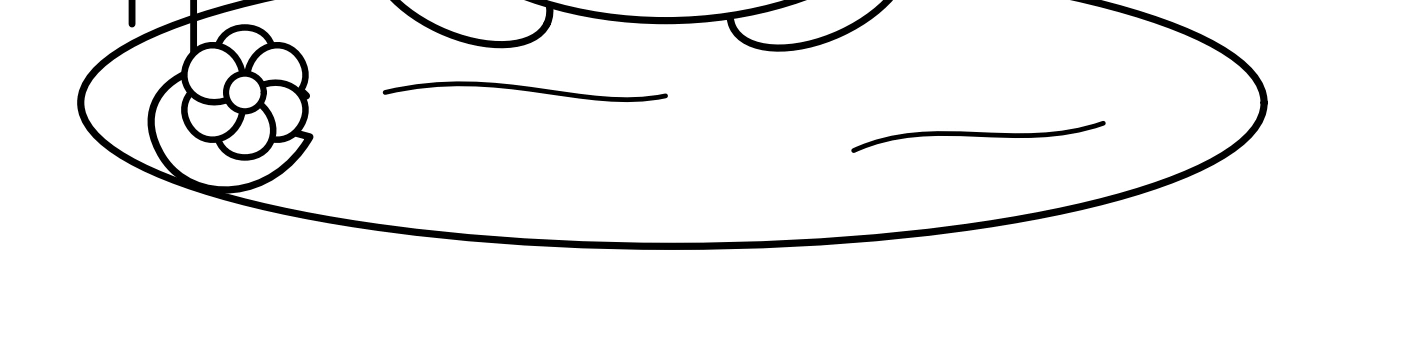
The oval water region sits below and around parts of the turtle. Its open spaces can receive pale marks, selected waves or another treatment chosen by the learner. There is no requirement to fill all surrounding paper simply because the shell has received color.
Turtle Shell Colors may return to the setting later. A new visit could investigate one tall plant or the little flower, preserving an earlier shell decision. Fresh small purposes can support regular art time without requiring the same whole scene to be colored repeatedly.
Turtle Shell Colors in a classroom pond exhibition
A teacher offers individual sheets and optional neighboring-panel test cards. First, children choose a shell relationship. Next, they try a palette and make a short coloring attempt. The adult writes a dictated note before partners view the resulting designs.
Turtle Shell Colors partners look for the rule described in each note. Some shells may be irregular mosaics; others may repeat one hue. Read notes aloud, accept pointing and provide larger trials. The exhibition can keep those choices distinct without ranking realistic colors, amount completed or precision.
Keep Turtle Shell Colors responsive when a plan changes
A child may begin with alternating hues and then choose an unexpected panel color. Ask whether the new choice changes the rule intentionally. If the learner wanted the original order but lost track, point through their selected sequence on a test card before another attempt.
Common Turtle Shell Colors pitfalls include imposing alternation after the picture is underway, requiring green throughout or treating every open region as unfinished work. A personal mosaic needs an understood intention, not an adult's unstated code. Help with the actual drawing problem rather than changing the palette by preference.
Turtle Shell Colors can fit different art experiences
The page can be offered during preschool or early kindergarten coloring, broadly for children aged three to six, with support shaped by current comfort. Read labels aloud and welcome a pointing explanation. A large panel trial may be more inviting than compact filling on a day when hands tire easily.
Regular Turtle Shell Colors visits can return through a new title, another neighbor pairing or a water-palette proposal. Pause for frustration or fatigue. A clear explanation of one relationship is a useful ending even when other shell panels remain uncolored.
Turtle Shell Colors files and further art choices
To save the clean Turtle Shell Colors PDF, open the member-only file option from an account holding eligible, currently active access. The original sample remains its own file. The clean printable omits website branding, domain promotion and watermark text, with no ads embedded in its page. Preview the US Letter layout before printing and choose scaling that keeps the pond edge, plants and outlined topic word visible. Webpage advertising is outside the downloaded file.
For another palette structure, compare guided colors on a giraffe or a chick's color-reference picture. A separate shape interest can lead to builder outlines with different corners. Adults can explore PBS Parents' collection of art ideas and NAEYC's family resource on creative experiences, making space for independent drawing beside this supplied scene.
Popular Worksheets
Printable resources families and teachers are downloading now.
 Free
 Free
 Free
 Free