
Fish Bubble Art: 5 Wonderful Light-and-Bold Ideas
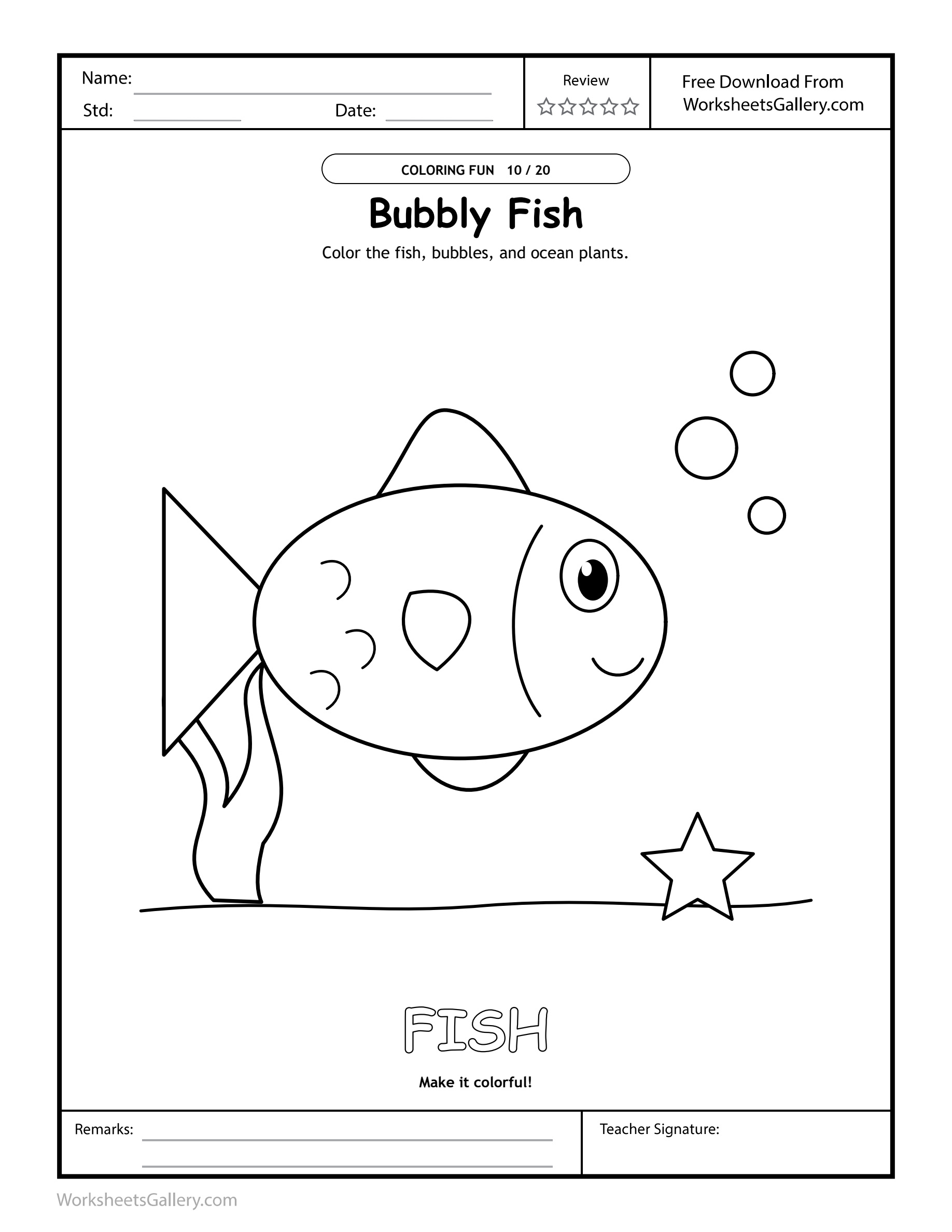
White paper can be part of a color plan. Fish Bubble Art explores a bold main character beside smaller circles that might stay pale, lightly marked or open. The Bubbly Fish worksheet includes a smiling fish, three bubbles, wavy plant shapes and a star-shaped detail near the seabed. It provides outlines without a finished palette. Begin by asking which part should feel strongest in the picture. The learner can test a dense mark beside a light one, then decide whether either effect belongs in the fish, its bubbles or the surrounding scene.
Fish Bubble Art compares how much color a mark carries
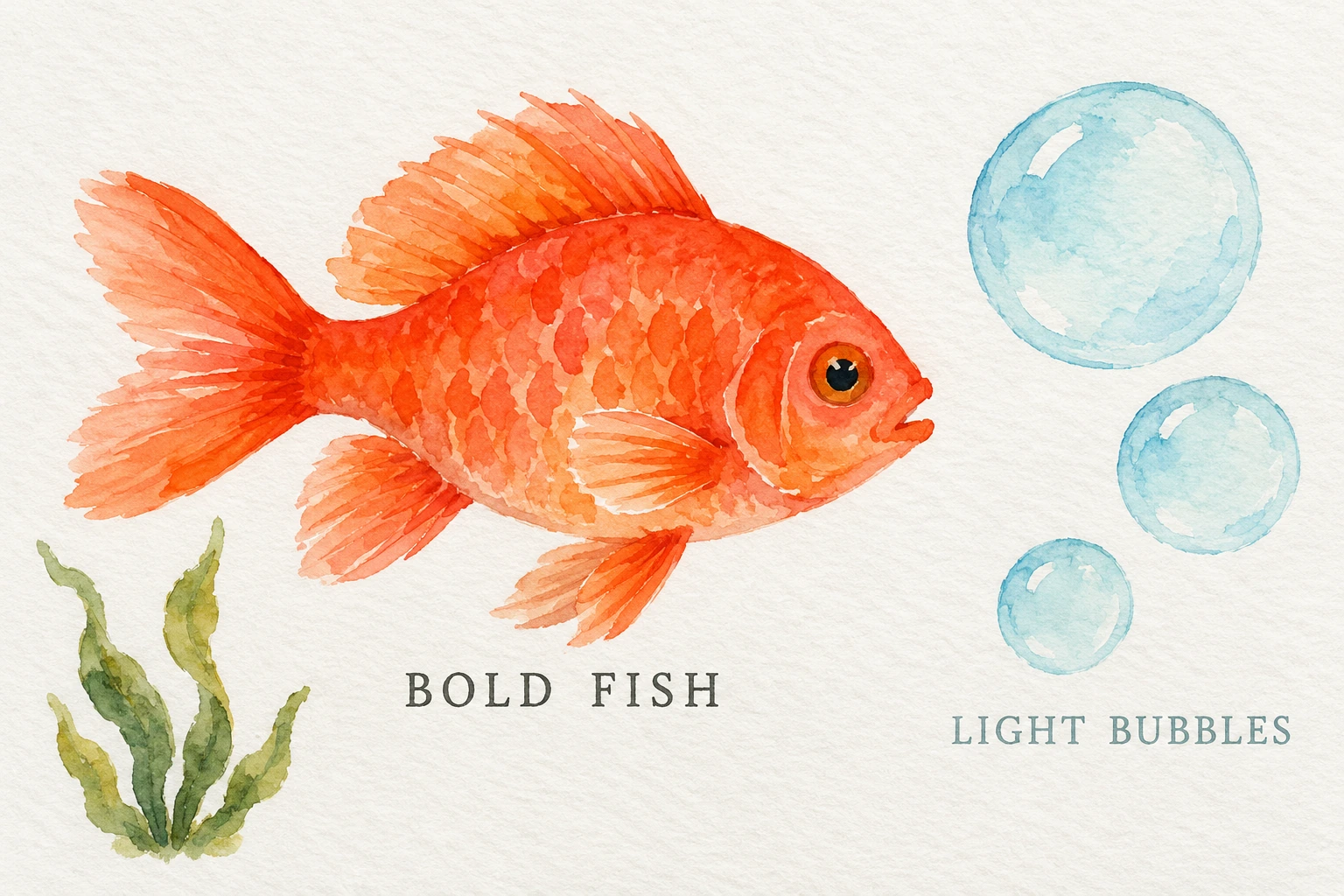
The separate watercolor study labels a coral character BOLD FISH and its pale circles LIGHT BUBBLES. The example shows one possible emphasis. Its colors are not an answer key for the worksheet, and the learner need not use paint to investigate the relationship.
Fish Bubble Art can compare pigment effects with familiar crayons or pencils on spare paper. A light trial may leave the paper visible between marks; a denser one may appear stronger. Ask which effect fits the artist's intention before suggesting more filling.
Rohan gives Fish Bubble Art an aquarium-ticket story
Rohan and his sister are designing a pretend ticket for an imaginary fish show. He wants the fish to be easy to spot, but initially fills every surrounding circle just as strongly. His sister asks what he wants a viewer to notice first and offers a test scrap.
Their Fish Bubble Art visit explores two small trials. Rohan places a strong fish-colored patch beside pale bubble marks, then chooses that contrast for another part of his picture. His sister records his dictated ticket message separately, giving the art a reader without adding required writing to the source.
Fish Bubble Art can follow a different intention. An artist might prefer a quiet fish and bright bubbles or invent a multicolored sea. The useful question concerns the chosen emphasis, rather than an adult's expectation that all fish pictures use one arrangement.
Fish Bubble Art looks at the whole underwater picture
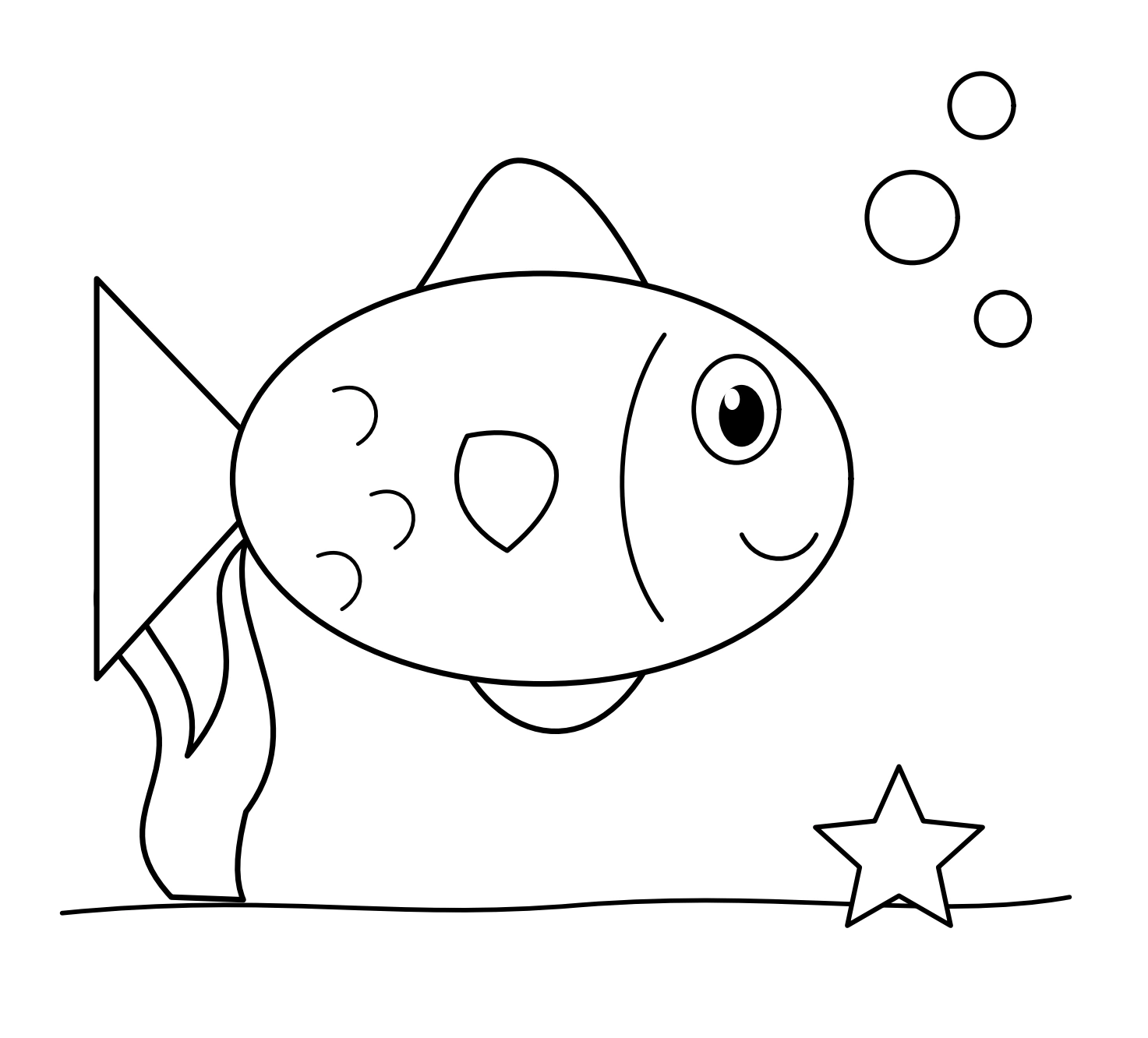
The source instruction invites coloring the fish, bubbles and ocean plants. Its main rounded body contrasts with angular fins and tail, small circular bubbles and a pointed seabed star. A few printed curves suggest details without dividing every possible color region.
Fish Bubble Art also contains the outlined word FISH. An adult may name the printed word and point toward its pictured character. Letter work, filling tiny letter interiors or writing a new caption independently are optional interests; the supplied activity is coloring, not a tracing task.
Six Fish Bubble Art possibilities worth noticing
- Visual emphasis: choose a main region for stronger attention.
- Material comparison: inspect pale and dense marks before using them.
- Open-paper awareness: recognise that a region may remain intentionally light.
- Shape observation: compare rounded bubbles with pointed tail and star details.
- Mark control: adjust a movement to the size and effect currently wanted.
- Descriptive talk: explain bold, light, bubble, fin or background through the picture.
Fish Bubble Art joins visual planning, language and coordinated movement without making full coverage a goal. A child can explain lightness while still finding gentle pressure difficult to reproduce. A different familiar tool or larger trial may support that intention.
Fish Bubble Art gives the three bubbles room to stay light
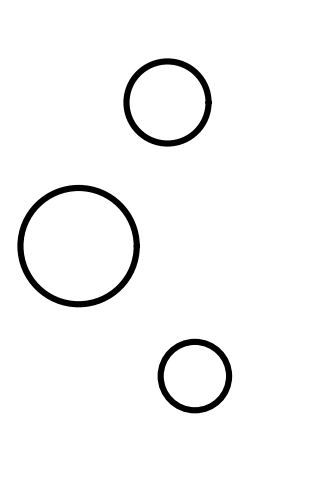
The circles occupy a smaller part of the scene than the main fish. Their printed edges remain visible even when the interiors receive little pigment. The learner can point to a bubble and decide whether its role is an accent, a quiet neighbor or another focus.
Fish Bubble Art can preserve open regions intentionally. Ask whether the child wanted the paper to show rather than automatically calling an unfilled circle unfinished. If a pale effect was intended but the tool feels too strong, try that effect elsewhere before working repeatedly over the compact source circle.
Five Fish Bubble Art experiments with strong and quiet marks
The experiments use spare cards and familiar materials. They make an intended effect easier to inspect without prescribing a completed underwater picture. Select one question that interests the learner and leave the others available for another art visit.
1. Fish Bubble Art opens a lightness sampler
Invite two marks using one chosen hue: a lighter patch and a stronger patch. Compare their appearance without ranking one as better. Fish Bubble Art samplers can reveal how much paper remains visible and which effect suits the imagined picture role.
The Fish Bubble Art maker decides where either trial belongs. An adult may label the filled studies LIGHT and BOLD. Reading the labels can remain an adult contribution while the child supplies the visual comparison.
2. Give Fish Bubble Art a bubble-window card
Draw a large circle on a fresh card. The child tries a few pale marks while leaving part of the paper open, then describes the result. Fish Bubble Art windows give a compact source region a larger testing space before the fine coloring demand is introduced.
For Fish Bubble Art, the larger trial need not be copied exactly. It supplies information about an effect. A learner may decide that their worksheet bubbles should be strong instead, keeping the artistic choice separate from the material experiment.
3. Fish Bubble Art plans one seabed accent
On spare paper, draw a simple star beside a quieter water-shaped patch. Ask whether the small star should attract attention or remain subtle. Fish Bubble Art accents make a background detail part of the plan rather than a region filled automatically after the fish is done.
A Fish Bubble Art viewer can point to the place their eye noticed first. Let the maker explain whether that response fits the intention. The conversation can stop after one relationship becomes clear; another full underwater scene is unnecessary.
4. Send Fish Bubble Art a short picture message
The learner dictates a sentence from the imagined fish and chooses one color effect connected with the story. An adult writes the message on a separate display card. Fish Bubble Art messages give another person a specific reason to inspect the character or bubbles.
Keep Fish Bubble Art stories imaginative rather than presenting them as animal-care facts. A receiver can ask about the chosen mark without turning the scene into a lesson about real fish breathing, feeding or habitat needs.
5. Make Fish Bubble Art a material-viewing exchange
Partners each create a small pale-and-bold sample with familiar tools, then exchange cards and describe a difference they see. Fish Bubble Art exchanges let the child take an explaining role while the adult listens or points to the relevant marks.
The Fish Bubble Art maker may choose another tool after the comparison, or keep the comfortable one already in use. A practical material choice is valuable even if it does not produce the most delicate effect available to an adult hand.
A Fish Bubble Art guide to effect and intention
| What appears | Ask before changing it |
|---|---|
| A pale bubble | Did you want the paper to show? |
| A strong background | Should this region be the main focus? |
| A nearly hidden line | Did you want that detail to stay visible? |
Fish Bubble Art feedback follows the maker's answer. The same visual result can be deliberate in one picture and frustrating in another. An adult can support a desired change without assuming that every pale area needs filling or every strong area needs correction.
Fish Bubble Art changes shape at the tail
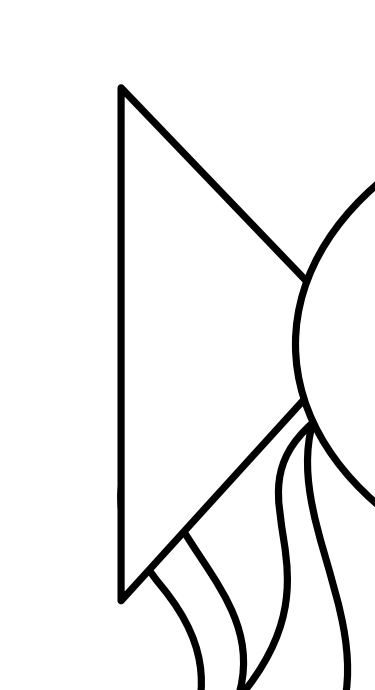
The tail's pointed silhouette differs from the broad rounded body. If the learner wants to preserve its edge carefully, inspect the narrowing space before making a long mark. Another mark length or tool angle may suit that region better.
Fish Bubble Art does not require exact corner control to make the picture meaningful. Ask what part the child chose, offer a larger test when needed and recognise the intended color relationship even when a small edge remains uneven.
Use Fish Bubble Art at home with one effect in mind
Arrange the page within easy reach and offer a familiar tool with a test scrap. Read the instruction, locate the main fish and ask whether the learner has a strong or quiet region in mind. Compare one material effect before trying a comfortable amount of coloring.
During Fish Bubble Art, help with a sliding page or locating a small outline when asked. Avoid taking over the tool to produce an adult-level pale finish. A learner can keep their plan while changing material, scale or the amount attempted during the visit.
Finish Fish Bubble Art by noticing a chosen effect. “The circles stay light beside that stronger body” describes evidence. Another artist may choose the opposite relationship, and their explanation can guide a different comment.
Fish Bubble Art can revisit a narrow plant
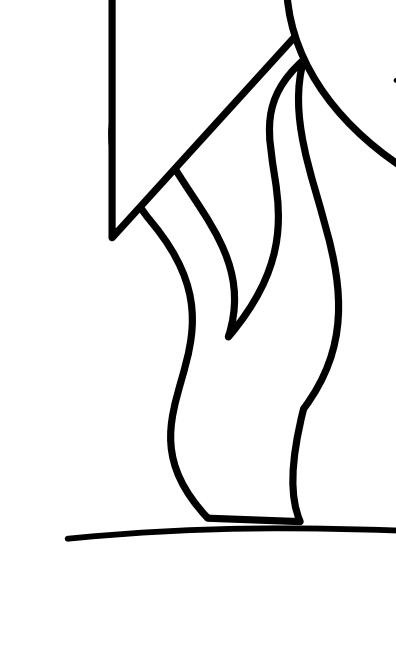
The wavy upright plant creates a narrower space than the body. A short test mark can reveal whether the learner's chosen tool fits that region comfortably. The curve does not need the same density or movement as every other area in the scene.
Fish Bubble Art can leave plant details for another day. A new visit might begin there with a quieter hue, preserving the earlier fish emphasis. A fresh local question can encourage return without requiring the whole picture to be repeated on a fixed schedule.
A classroom Fish Bubble Art emphasis wall
A teacher prepares individual pages with spare sampler cards. Each child chooses an effect to investigate, compares a pale and strong trial and colors a selected region. The adult records a short dictated note about the intended emphasis before partners view the designs.
Fish Bubble Art partners find the relationship named in a note and ask one interested question. Read labels aloud, welcome gestures and provide larger studies. The wall can display different intentions without ranking realism, full coverage or the number of colors used.
A small Fish Bubble Art star can have a deliberate role
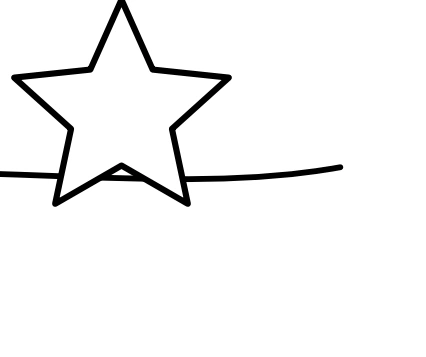
The five-point detail near the seabed introduces another angular outline. Its small size does not make it unimportant. A bright accent can make it noticeable; a pale choice can let it support the larger fish quietly.
Common Fish Bubble Art pitfalls include filling every region densely, requiring blue throughout the setting or assuming open paper reflects inattention. Look for the intended emphasis before offering a correction. Ask about one feature at a time rather than changing the whole palette.
Keep Fish Bubble Art within a comfortable art visit
Preschool and beginning kindergarten learners, often approximately three to six years old, may explore this page with adult help matched to their tool experience. Pointing, selecting a hue and making a broad trial can precede compact bubble coloring.
Fish Bubble Art can support regular art time through a new sampler, picture message or background question. Pause when hands tire or frustration replaces interest. One understandable comparison is a useful stopping point, even with several regions left available for another visit.
Fish Bubble Art printable editions and wider interests
To obtain clean Fish Bubble Art, choose the premium attachment after signing into an account whose active membership includes this download. Keep its PDF distinct from the original sample. The member page contains no watermark or domain promotion, and its file has no embedded ads. Preview the US Letter layout with your print controls, retaining the tail, bubbles, seabed line and bottom word when choosing scaling. Web advertising is outside the printable.
For another type of color support, compare the guided chick palette or a reference-colored giraffe. When smooth routes interest the learner, ocean wave tracing provides a separate movement activity. Adults can explore PBS Parents' art resources and NAEYC's explanation of creative art experiences alongside opportunities for independent drawings of the child's own.
Popular Worksheets
Printable resources families and teachers are downloading now.
 Free
 Free
 Free
 Free