
Bird Color Choices: 5 Brilliant Branch-and-Wing Ideas
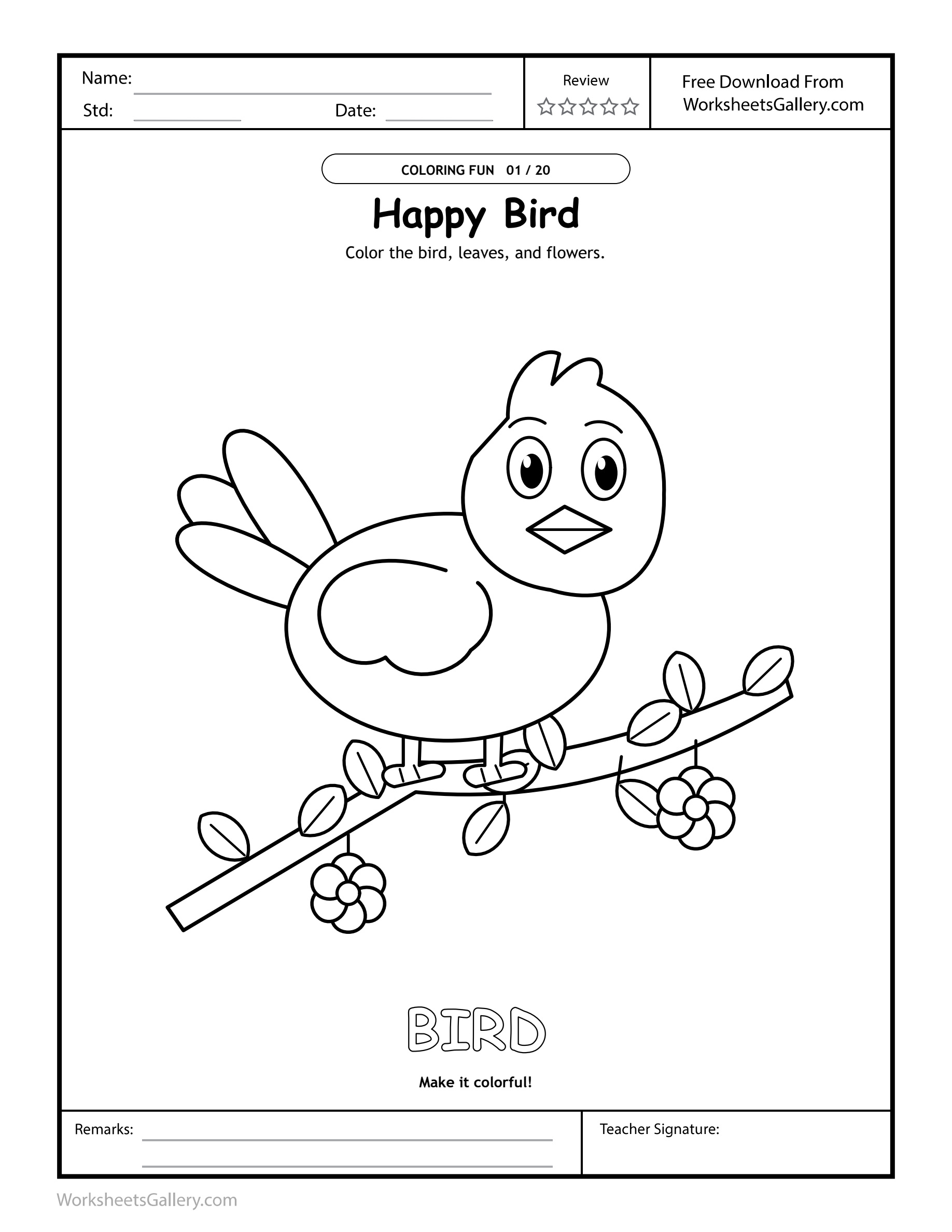
A teal wing, a purple leaf or a pale gold flower can begin a picture worth talking about. Bird Color Choices gives a child an outlined bird on a flowering branch, with enough variation to explore broad coloring and smaller details. The Happy Bird worksheet has no finished color guide to copy. Its invitation is to choose, try a mark and decide what belongs next. Start with one region the learner finds interesting. An adult can name the wing or branch while leaving the palette, pace and amount of filling in the artist's hands.
Bird Color Choices opens with a palette question
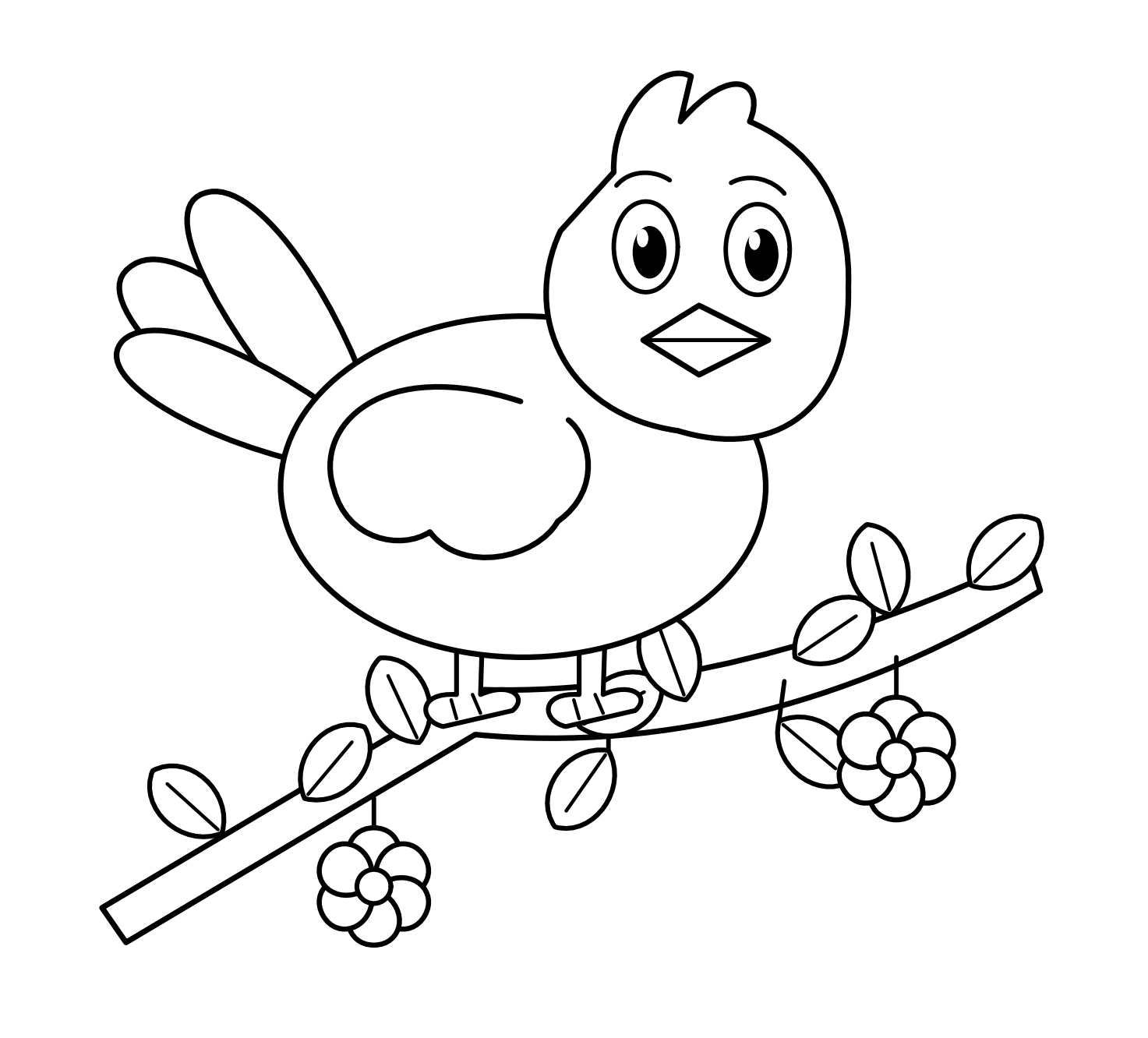
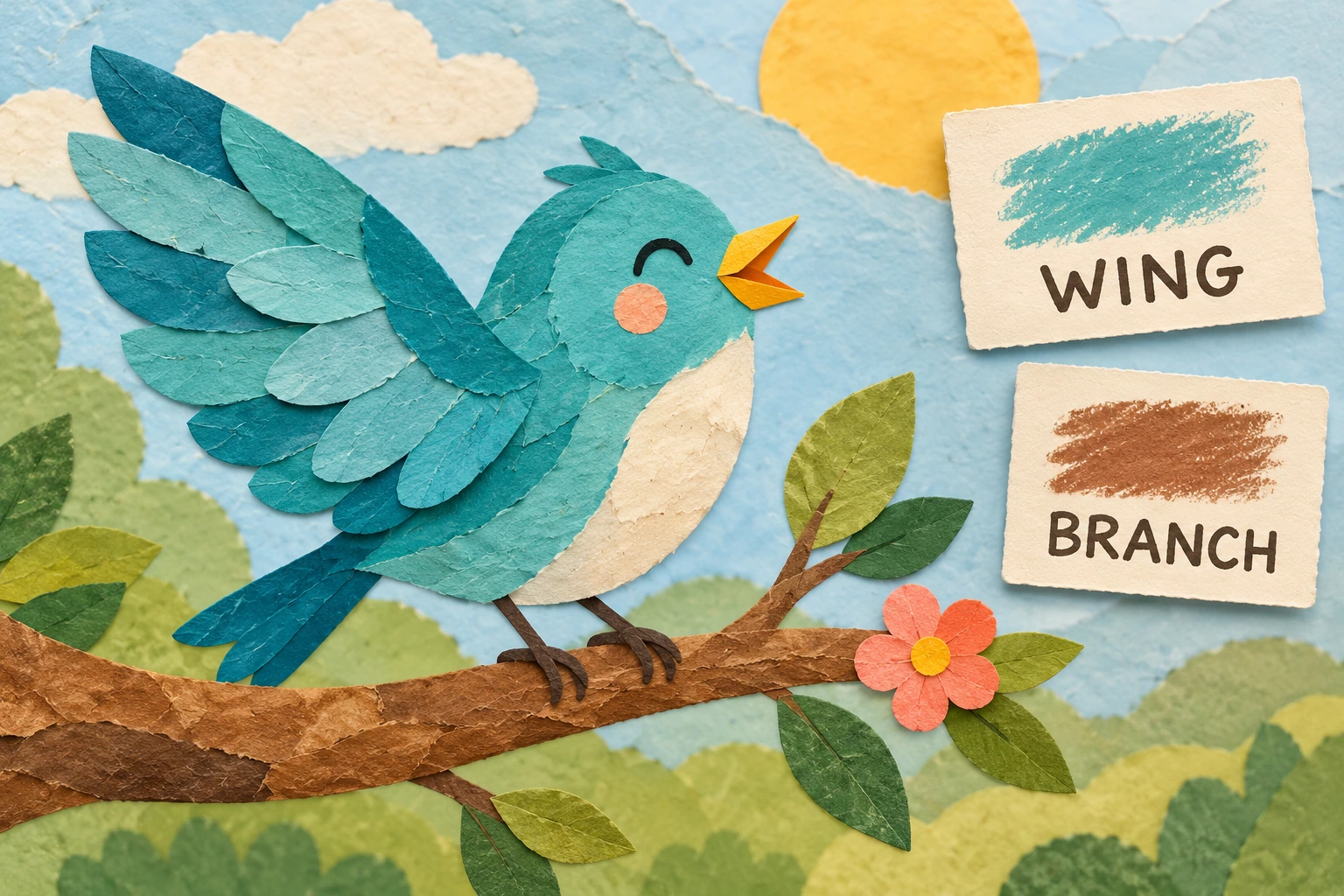
For Bird Color Choices, ask which part should catch the eye first. The Bird Color Choices bird's broad body, curved wing and small flowers can each become the focus. A child may choose a bright wing against a quiet body, or use related shades across both. Neither arrangement is the printed answer, because the sheet supplies outlines rather than a color key.
Bird Color Choices makes that freedom explicit. Offer a few familiar materials and let the learner test one on spare paper. The Bird Color Choices test can answer a practical question: does this crayon make a broad pale mark or a narrow strong one? Its result informs the picture instead of being another exercise to finish.
Avi gives Bird Color Choices a family-message purpose
Avi wants to send his mother a picture of a “morning bird.” He chooses a blue-green crayon for its wing, then hesitates over the body. His mother asks whether the wing should blend into the body or be easy to spot. He tests two marks on a scrap and chooses a lighter body color.
Their Bird Color Choices conversation stays with that relationship. His mother does not introduce a photograph for him to match or replace the unusual leaf colors he selects later. She writes his dictated message beside a separate display card, giving the picture a reader without adding required handwriting to the worksheet.
Bird Color Choices at home can grow from a personal description like Avi's. Morning, rainy, celebration and sleepy are possible story words, not a teacher's secret palette. The Bird Color Choices artist explains the connection through speech, pointing or an invented name for the bird.
Three Bird Color Choices picture regions deserve different attention
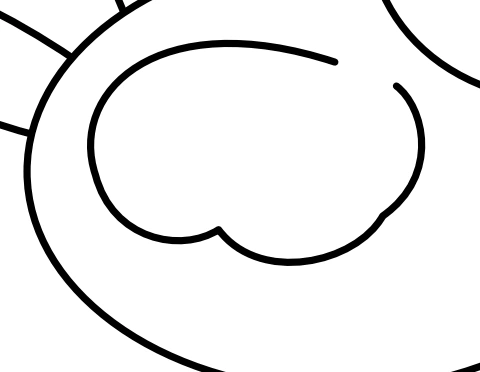
The broad Bird Color Choices wing outline offers room for a comfortable sweeping mark. Its boundary sits within the bird's body, so a learner can decide whether those two neighboring regions share a color. Look at that inner line before coloring automatically across it.
For Bird Color Choices, the branch offers a different problem. It is long and slanted, with leaves and flowers attached around it. Smaller spaces may suit shorter marks or a change of tool position. They need not receive the same stroke used across the body simply because both belong to one picture.
The outlined BIRD word at the bottom adds another optional region. An adult can read it aloud and connect the word with the picture. Bird Color Choices does not require the child to trace letters, write the word or color every narrow letter interior before the artwork is complete.
A Bird Color Choices table for choosing a next move
| Region | Try asking |
|---|---|
| Wing and body | Should these look alike or stand apart? |
| Leaves | Would shorter marks fit here? |
| Flowers | Which small detail should attract attention? |
Bird Color Choices questions should follow the child's current work. Asking all three after every mark can interrupt a useful period of concentration. Choose a question when a real decision appears, then allow quiet working time or a change of mind.
Six Bird Color Choices possibilities beyond neat filling
- Artistic agency: choose a palette without searching for an adult-approved bird color.
- Boundary observation: notice the separate wing inside the broader body outline.
- Scale adjustment: compare a roomy area with a narrow leaf or foot detail.
- Tool exploration: inspect a material's mark before deciding where to use it.
- Descriptive language: explain a wing, perch, leaf, flower or color relationship.
- Communication: give a picture a title, message or imagined recipient.
Bird Color Choices combines looking, planning, language and hand coordination in a manageable art invitation. These are possibilities for shared exploration. One completed picture does not measure all fine-motor development, and accurate naming of colors is not a requirement for making an expressive choice.
Set up Bird Color Choices without taking over the palette
At the table, make space for the sheet and a small test scrap. Offer familiar crayons or pencils that leave a visible mark comfortably. Read the instruction together, then invite the learner to point to their chosen starting area rather than assigning the entire bird first.
During Bird Color Choices work, the supporting hand may steady the paper while the other draws. Help with the page position if requested. An adult need not move the tool through the child's fingers to achieve a smooth edge; a larger mark test can clarify an idea without replacing the artist's movement.
Finish a Bird Color Choices visit by asking which decision the child wants someone else to notice. They may show a bright flower, a lightly marked wing or a leaf left white. Leaving paper visible can be intentional. Completion need not mean that every enclosed area has become dense with color.
Five Bird Color Choices invitations after the first picture
The following extensions use separate materials and keep the printable itself open to the learner. Select one that gives the child's current idea a new purpose. Their value comes from a decision or conversation, not from adding a long list of compulsory art tasks.
1. Bird Color Choices makes a wing-and-body swatch pair
Invite the learner to place two marks beside each other on a scrap. Ask whether they would like those marks to represent wing and body. Bird Color Choices swatches allow comparison before a large region is filled, and they leave room for a fresh pair if the first combination feels uninteresting.
An adult can write WING and BODY beside the chosen marks. The labels describe the intended use rather than testing independent reading. Keep both versions if the child changes their mind, so experimenting does not require declaring the earlier palette wrong.
2. Give Bird Color Choices a tiny-flower spotlight
On a separate card, draw a simple flower for the child to color with a chosen accent. Place it near the picture without covering any outlines. Bird Color Choices spotlights ask whether a small bright region can attract attention even when the bird occupies much more space.
The Bird Color Choices artist can point to the detail that catches their eye. They need not use the same accent on every flower. A single deliberate choice can supply enough evidence for the conversation.
3. Send Bird Color Choices a postcard story
The learner invents a short message from the pictured bird and dictates it to an adult on spare paper. Bird Color Choices postcards might describe a favorite branch or an imaginary place to fly next. Keep the story separate from claims about real bird behavior or diet.
Ask which picture color belongs to the message. The explanation can be surprising, and a gesture is welcome. A Bird Color Choices recipient gives the artwork a reason to be shared beyond a general request to show how neatly it was colored.
4. Bird Color Choices compares two kinds of marks
Make a broad crayon patch and several short narrow strokes on a test card. The child chooses which might suit a wing and which might suit a leaf. Bird Color Choices comparisons focus on the mark's fit to a region rather than requiring a particular adult demonstration to be copied.
Let the learner invent another mark if neither feels suitable. That new choice can remain on the test card, with no obligation to put every experiment into the final bird picture.
5. Open a Bird Color Choices mini exhibition
Give the picture an artist-chosen title and display a small dictated note about one decision. A family member or classmate looks for the described feature. Bird Color Choices exhibitions make explanation part of the art encounter, even when the picture still contains open white regions.
The viewer asks one interested question instead of ranking the artwork. The child may point, add to the story or decide the note already says enough. Sharing can end without requesting another finished page.
Bird Color Choices visits the classroom branch gallery
A teacher offers individual copies at an art area, along with spare palette cards. Each child chooses one relationship to explore: wing against body, flower against leaf or a broad region beside a narrow one. The adult records a short explanation on a separate gallery label.
Bird Color Choices classroom viewing can include children whose palettes are very different. A partner locates the chosen feature and listens to its maker. Avoid arranging the display as a contest for realistic colors, full coverage or tidy edges; the useful information is the decision each artist meant to express.
Bird Color Choices can slow down for the branch
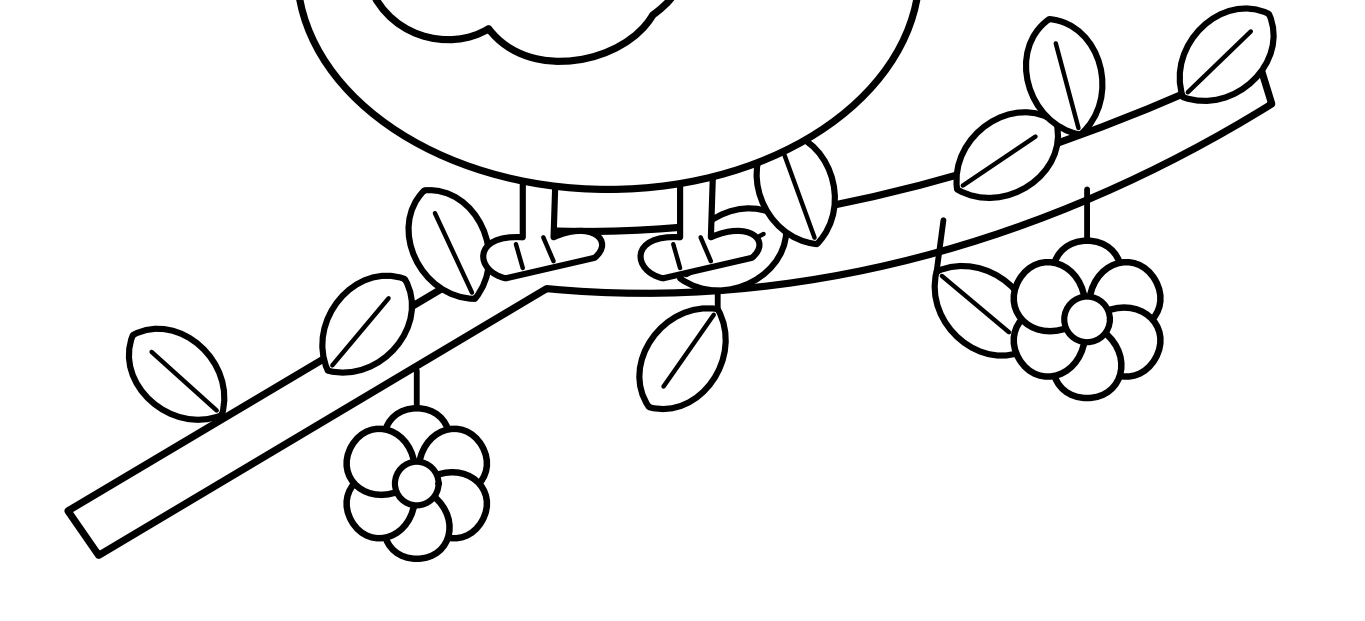
After working broadly, a child may carry the same long movement into a tiny leaf. Point to its boundary and ask whether another mark would fit. This does not mean every mark crossing a line must be corrected. Choose a response according to what the learner intended to do.
Common Bird Color Choices difficulties include filling so densely that small details disappear, using a tool that feels uncomfortable or assuming all regions must be finished immediately. Offer a lighter test, a familiar alternative tool or a smaller stopping goal. Keep the chosen picture idea while adjusting the practical demand.
Bird Color Choices stays inviting across different ages
Children from roughly three to six may enjoy this supported preschool or kindergarten art activity, with expectations matched to their experience. Some prefer broad marks and a short story; others spend time comparing wing and leaf details. Neither response needs to become a fixed age standard.
Bird Color Choices encouragement can name evidence: “That flower uses the color you saved for an accent.” Return on another day through a new message, another tool or a different starting region. Pause for fatigue or frustration. A meaningful short visit is a better invitation to return than a demand to finish every detail before leaving.
Bird Color Choices resources and printable editions
For a different kind of color invitation, compare the chick's supplied color reference or guided giraffe coloring. Those references differ from this open palette. A later mark-making interest can also lead to rain lines with a chosen stopping place. Adults can browse NAEYC's discussion of creative art experiences and PBS Parents' art collection for broader opportunities beyond a printed outline.
To save unbranded Bird Color Choices, sign in and select the premium attachment through a currently eligible membership. The original sample remains separate. The clean member PDF is printable without watermark, domain promotion or embedded advertisements; website ads are outside the saved page. Inspect the complete US Letter layout in print preview, choosing scaling that retains the frame and topic word. Offer the page as a place for the learner's colors, with no additional answer key required.
Popular Worksheets
Printable resources families and teachers are downloading now.
 Free
 Free
 Free
 Free