
Butterfly Wing Colors: 4 Wonderful Pairing Games
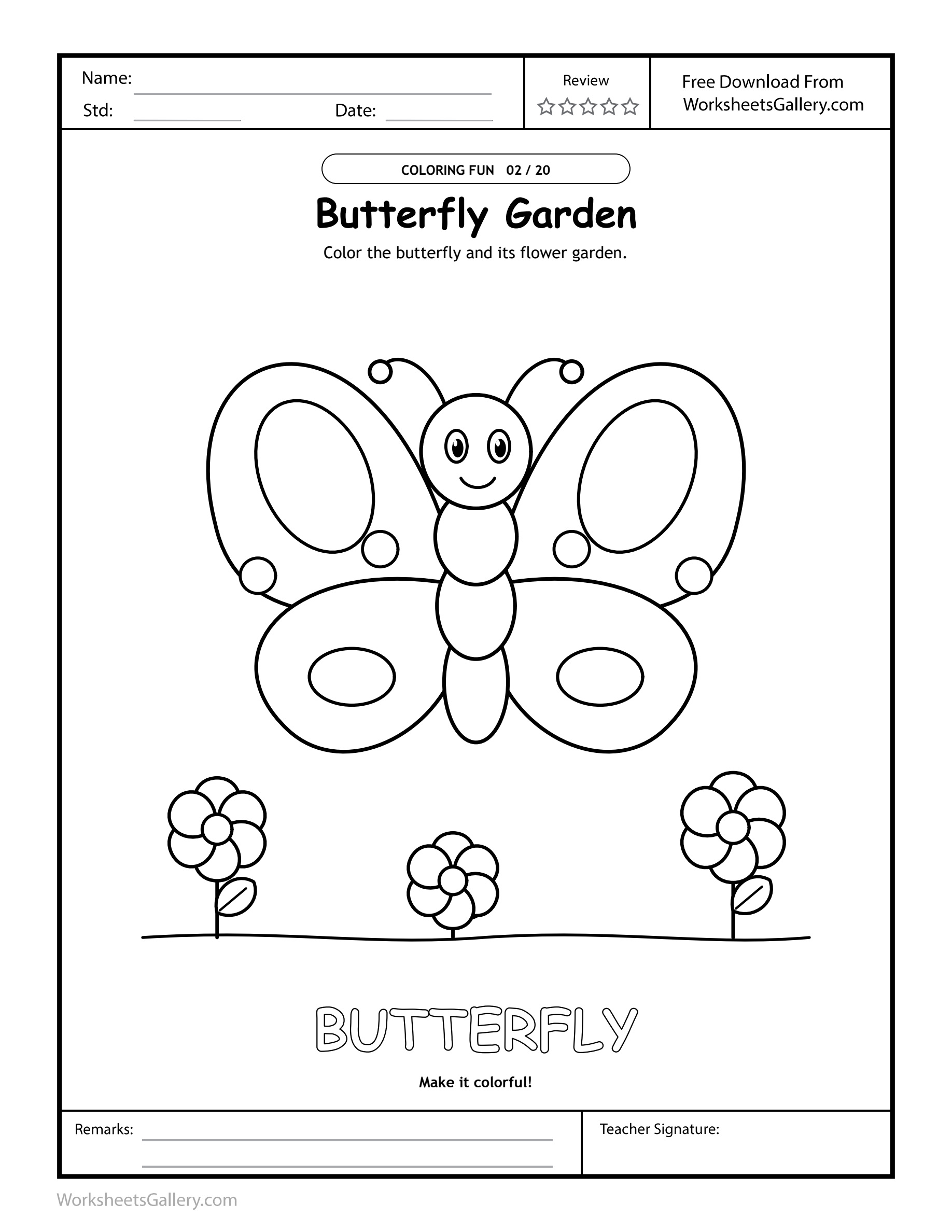
Two sides can look related without wearing the same colors. Butterfly Wing Colors invites children to inspect paired wing regions, choose a palette and decide which relationships they want to show. The Butterfly Garden sheet places a large butterfly above three flowers, with outlined patterns inside its wings and an outlined topic word below. There is no colored model or instruction requiring a symmetrical result. Begin by finding two shapes that look like partners. The learner can then choose to connect them through color, contrast them deliberately or explore one side before deciding about the other.
Butterfly Wing Colors begins with a comparison
The Butterfly Wing Colors body divides four broad wing lobes into left and right groups. Interior ovals and round details create smaller regions within those wings. An adult can ask the child to point across the body to a similar shape, leaving the crayons aside for the first inspection.
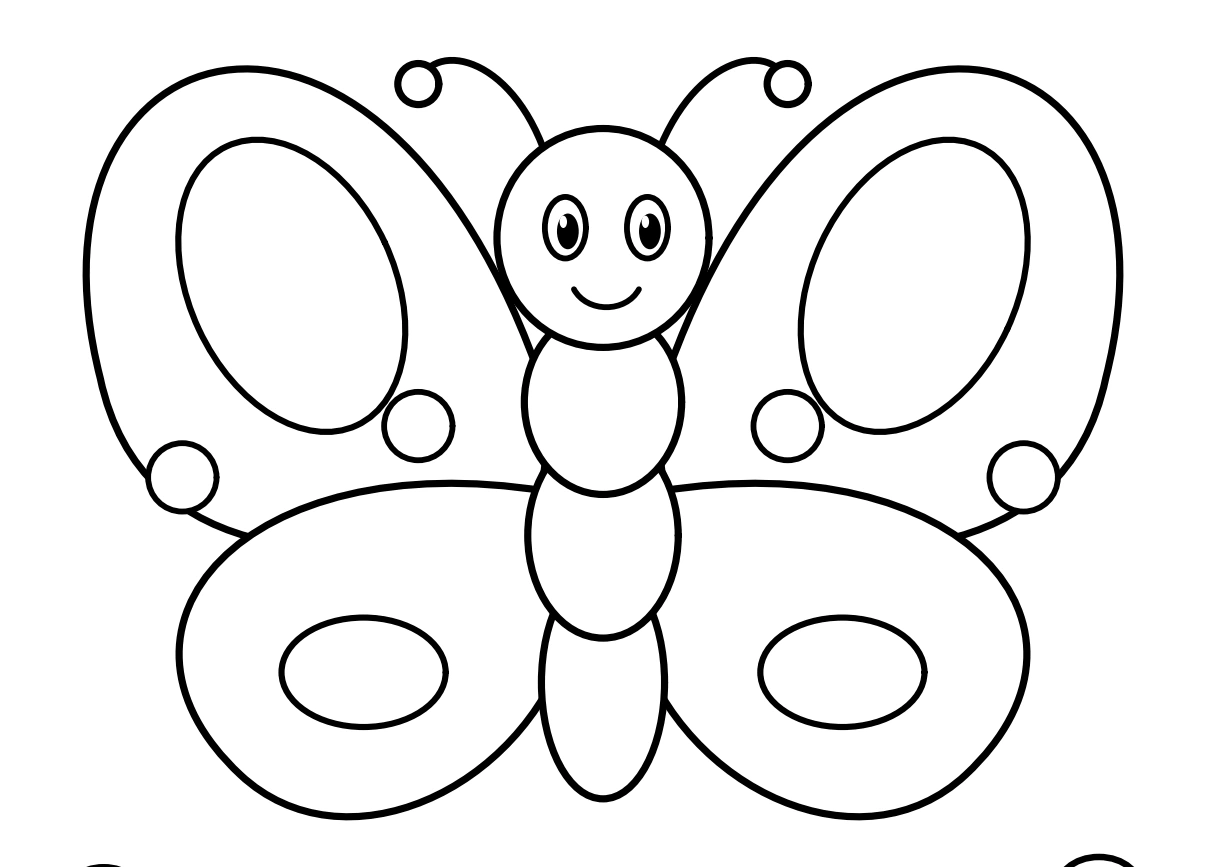
Butterfly Wing Colors makes pairing a looking task before it becomes a coloring choice. Finding a similar outlined region does not oblige the child to fill it identically. Distinguish the observation, “These shapes look like partners,” from the artistic decision, “I want these two to be purple.”
Four Butterfly Wing Colors experiments with partner shapes
These optional Butterfly Wing Colors experiments belong on spare cards or drawing paper. They give a comparison a small purpose without changing the supplied exercise. Select the experiment that fits the child's interest, rather than treating all four as a required second lesson after coloring.
1. Butterfly Wing Colors opens a partner-finder desk
Draw two large oval regions on separate cards, then add a round shape on another. The child identifies the two similar outlines and describes what makes them partners. Butterfly Wing Colors partner finding can be answered through pointing, with no requirement to name an oval formally.
Offer colors afterward. The learner decides whether the pair should match. Keeping identification separate from coloring shows that a visible relationship can be noticed even when the final palette is deliberately varied.
2. Give Butterfly Wing Colors a same-shape color exchange
Partners each receive a similar outline on separate paper and select a color privately. Place the results together and discuss whether the shapes still look related. Butterfly Wing Colors exchanges make room for two independent decisions rather than requiring one artist to copy the other's preference.
The adult can choose a surprising hue too. Talk about the visible difference without ranking one version as more believable. The printed butterfly is a cartoon art invitation, not a specimen that must reproduce natural wing markings.
3. Butterfly Wing Colors creates a flower-and-wing echo
On a scrap, test one wing color beside a possible flower color. Ask whether the artist wants a hue to appear in both places. Butterfly Wing Colors echoes connect distant picture regions through a chosen relationship, while leaving room for another flower to introduce something new.
An adult can write WING and FLOWER beside the filled marks. Butterfly Wing Colors labels describe a proposed use; reading those labels can remain the adult's role. Keep unchosen trials as experiments rather than evidence of a wrong palette.
4. Send Butterfly Wing Colors a two-sided postcard
The child designs a simple paired-wing picture on a fresh card and dictates a short message about its colors. A receiver looks for the relationship the maker describes. Butterfly Wing Colors postcards turn explanation into communication with a reader, rather than an adult's general judgment of neatness.
If the receiver sees a different relationship, invite the artist to point it out. The conversation can stop after that explanation. A second full butterfly drawing is unnecessary when one small comparison has already served the purpose.
Meera gives Butterfly Wing Colors a garden-invitation story
Meera and her father are making a pretend invitation to a garden party. She chooses pink for one wing and blue for the opposite one. Her father asks whether those are meant to match. She explains that they are “two guests coming together,” then finds a similar oval on each side.
Their Butterfly Wing Colors conversation recognises both observations. Meera noticed a paired outline and intentionally gave its partners different hues. Her father writes her story on a separate card instead of changing the second wing to make an adult-preferred symmetrical picture.
Butterfly Wing Colors at home can support an explanation like Meera's without demanding a long story from every child. Another learner might simply point to two green spots. A short gesture or phrase can communicate a meaningful relationship.
Read Butterfly Wing Colors as a whole garden scene
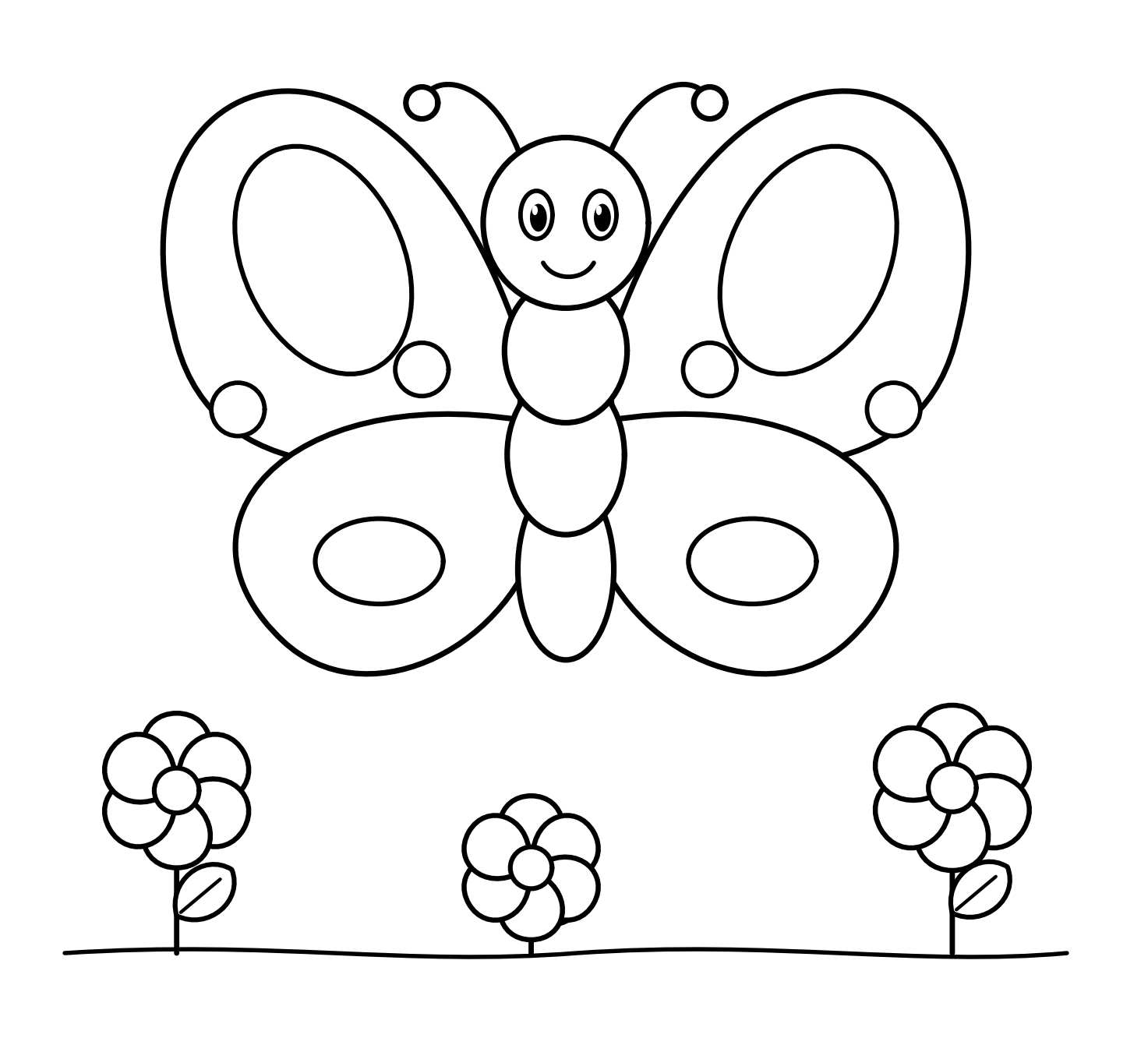
The source instruction asks for the butterfly and its flower garden to be colored. The butterfly occupies the upper picture space, while three blooms form a lower group. Antennae, body sections and smaller wing details create narrow regions beside broad lobes.
Butterfly Wing Colors also includes the outlined word BUTTERFLY. An adult may read it and point back to the character. The word is not a tracing row, and the learner is not required to copy its letters as a condition of joining the art activity.
For Butterfly Wing Colors, a partly filled scene can still show a clear plan. The learner may focus on one wing pair or one bloom and leave the rest for another visit. Avoid equating complete paper coverage with complete understanding of the comparison.
Seven Butterfly Wing Colors decisions worth noticing
- Paired observation: find two similarly placed regions across the body.
- Independent palette: choose whether similar shapes receive matching colors.
- Nested boundaries: distinguish an inner oval from the larger surrounding wing.
- Mark scale: adjust between broad lobes and small round details.
- Spatial language: describe left, right, inside, opposite or beneath through a visible example.
- Visual connection: repeat a hue between a wing and a flower deliberately.
- Art explanation: tell a viewer which relationship belongs to the design.
Butterfly Wing Colors combines comparison, attention and language with coordinated tool use. These possibilities do not turn one worksheet into a developmental assessment. A child may explain a partner shape clearly while preferring large crayon marks to compact detail coloring.
A Butterfly Wing Colors viewing guide for adults
| Look at | Ask about | Leave open |
|---|---|---|
| Opposite ovals | Their similar placement | Whether colors match |
| Small spots | The mark size that fits | How many to fill |
| Garden blooms | A possible color echo | The final palette |
Butterfly Wing Colors questions work best at a real decision point. A constant Butterfly Wing Colors commentary about symmetry can interrupt the child's own plan. Allow quiet time and accept a changed decision when a tested combination inspires another idea.
Butterfly Wing Colors can inspect one nested wing region
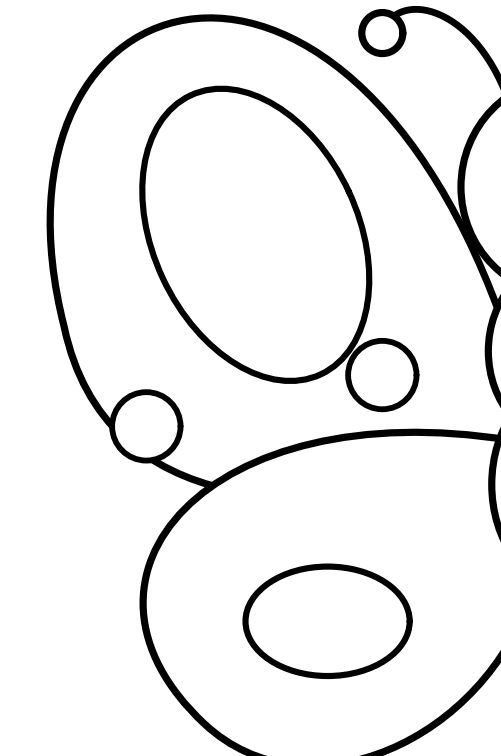
One wing contains a large oval and smaller round details inside its broad outer shape. Before coloring, invite the learner to follow the particular boundary they chose. An internal line may be overlooked when a long sweeping mark continues automatically across several regions.
Butterfly Wing Colors support can then be practical: try a shorter mark on scrap, use a familiar tool or focus on a larger part first. A line crossing an edge is not automatically a mistake that must be erased. Ask what the child intended before deciding whether help is needed.
Set up Butterfly Wing Colors for a manageable home visit
Find a place where the page lies comfortably within reach and prepare a small selection of materials. Read the instruction, inspect a partner pair and invite the child to choose a starting region. Keep spare paper nearby for testing hue, pressure or mark width.
During Butterfly Wing Colors, offer help with stabilising the sheet or locating an outline when requested. Avoid moving the crayon through the learner's hand to achieve matching shapes. The artistic plan can remain theirs while the physical task becomes more comfortable.
End Butterfly Wing Colors with a chosen observation: perhaps two related spots or a deliberately different pair. The child can show that feature to a family member. A meaningful stopping place protects the pleasure of the activity better than insisting every wing be finished first.
The Butterfly Wing Colors garden can keep a separate palette
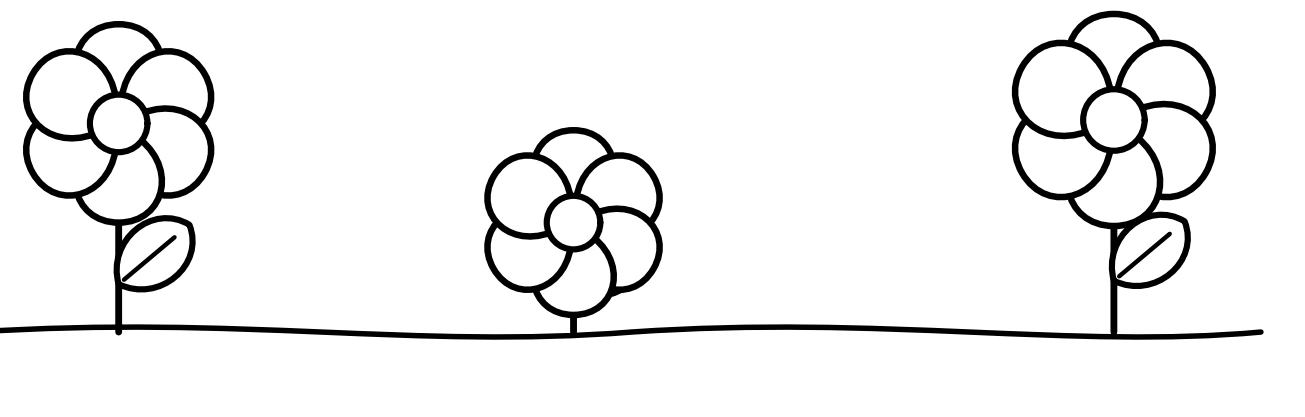
Three flowers below the butterfly offer another picture group. A child may repeat a wing color there, introduce a new hue or leave a bloom lightly marked. Compare those choices without assuming that every petal must follow a repeated sequence.
Butterfly Wing Colors can return to the garden on another day. Ask which bloom the artist wants to explore next, rather than requesting the whole page again. Small fresh decisions can make regular art time feel purposeful without imposing a fixed completion schedule.
Butterfly Wing Colors in a classroom partner gallery
A teacher supplies individual pages and optional swatch cards. Each child identifies one pair of wing regions, then chooses how its colors relate. The teacher writes a brief dictated label about that choice on a separate gallery card.
Butterfly Wing Colors partners view the pictures and look for the described relationship. One artist might match an oval pair; another might contrast it. Offer pointing, label reading and larger mark samples as needed. The display can value those differences without ranking realistic palettes, speed or edge control.
Butterfly Wing Colors keeps comparison separate from correction
Common difficulties include assuming a color match is compulsory, overlooking a nested outline or selecting a tool whose point feels awkward in small spots. Address the actual difficulty rather than making every picture more uniform. A paired shape is an observation, not a compulsory palette rule.
An adult-supported Butterfly Wing Colors visit can fit preschool or early kindergarten art, broadly ages three through six, with help shaped by the learner's experience. Fine movements, attention and spoken explanations vary. Read labels aloud, welcome gestures and pause when fatigue or frustration makes another mark unhelpful.
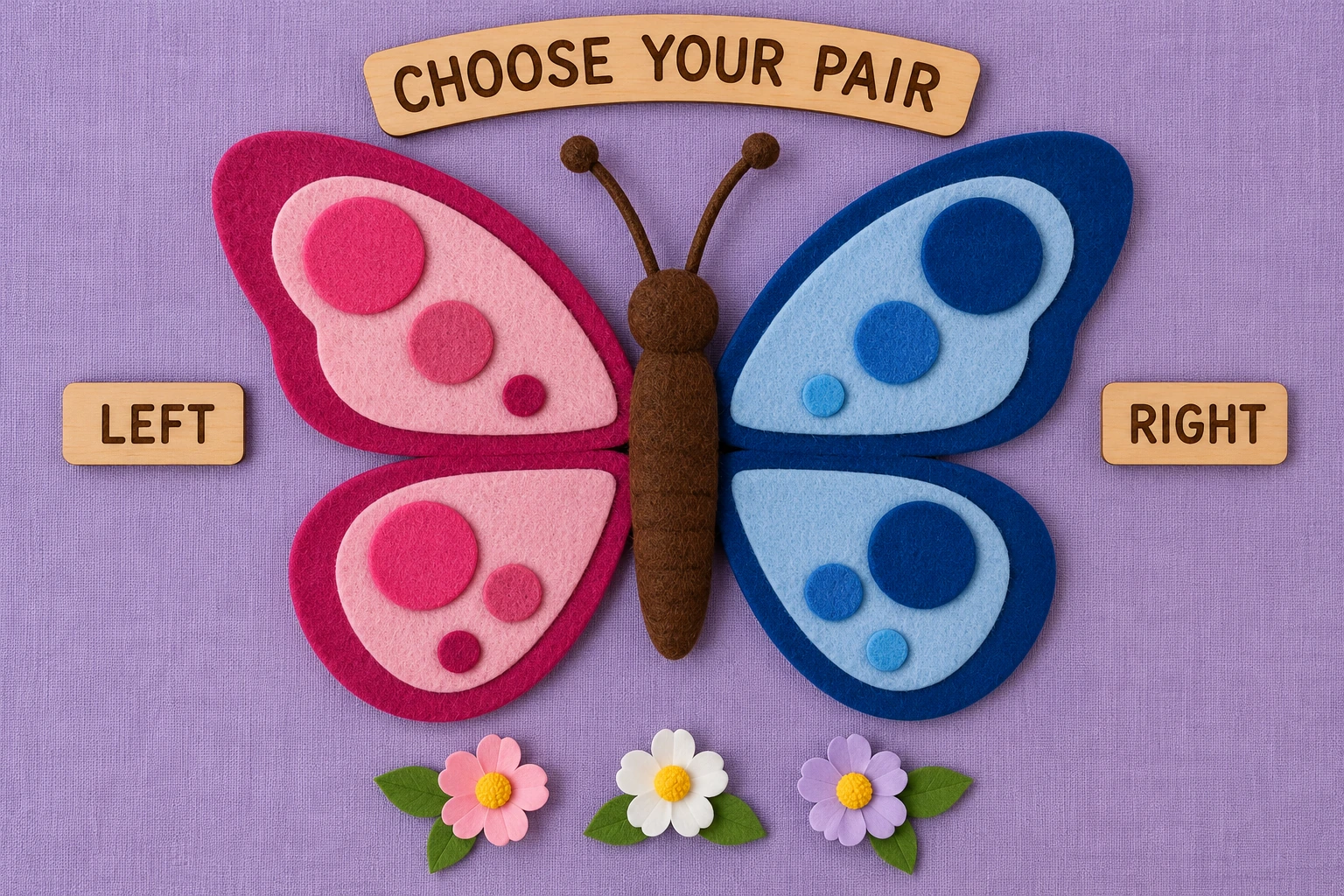
An encouraging Butterfly Wing Colors comment can be specific: “You found an oval on each side and chose different colors for them.” The separate felt scene offers another example of paired shapes with contrasting hues, while leaving the learner's decision open.
Butterfly Wing Colors print access and wider art interests
The clean Butterfly Wing Colors member PDF is available through the premium option after signing in with an active eligible plan. Save it separately from the original sample. The unbranded printable has no watermark, website domain or embedded ads; web advertising stays outside the file. Check this US Letter sheet through your print-preview controls, retaining its full frame and bottom word when selecting scaling.
For another comparison, explore the giraffe's supplied palette, guided chick colors or different flower and heart contours. Adults can find wider drawing opportunities in PBS Parents' creative collection and NAEYC's creativity discussion. A printed outline can be one art choice among many, alongside independent drawings on separate paper.
Popular Worksheets
Printable resources families and teachers are downloading now.
 Free
 Free
 Free
 Free