
Essential Number 1 Tracing: A Fantastic Start for Early Learners

Learning to recognize and write numbers is a cornerstone of early education, and the number one is often the very first step in this exciting journey. Our "Let's Learn the Number One" worksheet provides a comprehensive and engaging approach to number 1 tracing, designed specifically for young learners. This printable resource helps children not only practice writing the numeral but also understand its value through fun, interactive activities. It's a fantastic tool for parents and teachers aiming to build a strong foundation in numeracy.
This worksheet combines several key learning methods: visual tracing, independent writing practice, counting, and number identification. By integrating these elements, children develop a deeper understanding of what the number one represents, both symbolically and quantitatively. The clear, guided instructions make it easy for even the youngest learners to follow along, fostering a sense of accomplishment as they master each section.
Understanding the Number One Concept
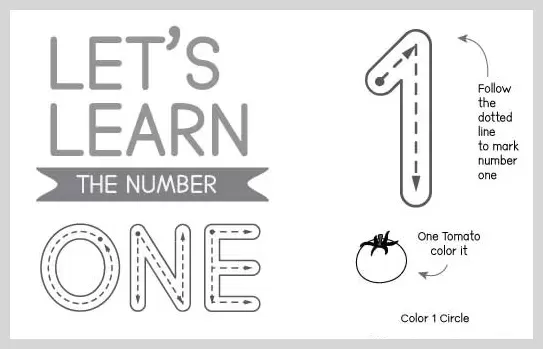
Before children can confidently write the number one, they need to grasp its meaning. The worksheet cleverly introduces this concept by associating the numeral with a single object – a tomato. This visual connection is crucial for young minds to link the abstract symbol '1' with the concrete idea of 'one item'.
The exercise of coloring one tomato and then coloring one circle reinforces this one-to-one correspondence. It's not just about coloring; it's about making a deliberate choice to count and select a single item, which is a fundamental pre-math skill. This hands-on approach makes learning tangible and memorable, moving beyond rote memorization to genuine comprehension.
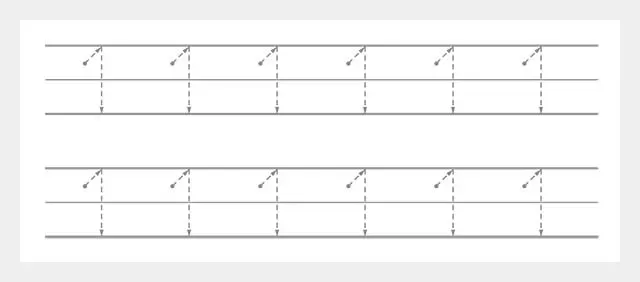
Furthermore, the tracing sections are meticulously designed. The large, dotted '1' with directional arrows guides children through the correct stroke order, preventing the development of incorrect writing habits. This controlled practice is essential for developing muscle memory and fine motor control, which are vital for future handwriting success.
Key Benefits of Number 1 Tracing Practice
- Develops Fine Motor Skills: Holding a pencil and carefully following the lines strengthens the small muscles in the hand and wrist, preparing children for more complex writing tasks.
- Enhances Hand-Eye Coordination: The act of watching the line and guiding the pencil requires precise coordination between vision and motor control.
- Boosts Number Recognition: Repeated exposure to the numeral '1' in various contexts helps children quickly identify it among other numbers.
- Fosters Early Counting Skills: Activities like coloring one object or one circle directly support the understanding of quantity.
- Builds Concentration and Focus: Completing tracing and identification tasks requires sustained attention, improving a child's ability to concentrate.
- Promotes Confidence: Successfully completing the worksheet provides a sense of achievement, encouraging children to tackle new learning challenges.
- Establishes Correct Stroke Order: The guided arrows ensure children learn the proper way to form the number one from the beginning, which is crucial for legible handwriting.
Using the Worksheet at Home and in the Classroom
For Home Learning: A Gentle Introduction
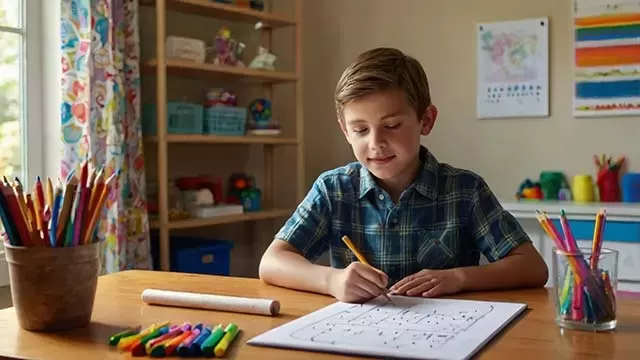
At home, this worksheet can be a wonderful, low-pressure activity. Choose a quiet time when your child is well-rested and receptive. Sit with them and explain each section clearly. For instance, when you get to the "Color 1 Circle" section, you might say, "Look, we have many circles here, but we only need to color one. Can you find just one and make it bright?" This turns a simple instruction into a mini-discovery.
Encourage them to trace the large number one first, emphasizing the top-to-bottom stroke. You can even trace it with your finger in the air together. As they move to the rows of smaller tracing, remind them it's okay if it's not perfect. The goal is practice and effort. Celebrate every completed line and every correctly identified '1'. This positive reinforcement is key to maintaining their enthusiasm for learning.
In the Classroom: Structured and Engaging
In a classroom setting, this worksheet can be incorporated into a math center, used as a morning work activity, or as part of a dedicated number recognition lesson. Teachers can start with a group discussion about the number one, asking students to identify one object in the classroom or show one finger. Then, introduce the worksheet, going through each section together as a class before allowing independent work.
For the "Circle all of the number 1s" activity, consider making it a game. "Who can be a number detective and find all the secret ones hidden in this grid?" This adds an element of fun and challenge. Observing students as they complete this section can also provide valuable insights into their number recognition abilities, helping identify those who might need extra support. This worksheet also pairs well with other math worksheets to create a comprehensive learning block.
Teacher Tip:
Laminate a few copies of the worksheet for repeated use with dry-erase markers, especially for the tracing sections. This saves paper and allows for continuous practice.
Skills Developed Through This Activity
- Cognitive Skills: Children develop logical thinking through counting and matching quantities. They also enhance problem-solving skills when identifying the number one among distractors.
- Motor Skills: The tracing exercises are excellent for refining fine motor skills, crucial for writing. The controlled movements required to draw lines and curves improve dexterity and hand strength.
- Language Skills: Discussing the number one, counting objects, and articulating what they are doing helps expand vocabulary and descriptive language. Asking questions like, "How many tomatoes do you see?" or "Can you tell me where the number one is?" encourages verbal engagement.
- Visual Discrimination: The activity where children circle all the number 1s specifically targets visual discrimination, helping them distinguish the target numeral from other similar-looking numbers.
Why Children Enjoy This Worksheet
Children are naturally curious and enjoy activities that feel like a game. Number 1 tracing worksheet, with its clear sections and varied tasks, keeps their interest piqued. The simple act of coloring a tomato or a circle provides a creative outlet, while the tracing feels like a satisfying challenge. The grid of numbers to circle transforms into a 'find the hidden treasure' game, making the learning process engaging rather than tedious.
The immediate feedback of completing a line or finding a number provides a sense of accomplishment, which is a powerful motivator for young learners. They feel capable and successful, building their confidence to tackle more numbers in the future. The visual simplicity and clear instructions prevent frustration, allowing them to focus on the joy of discovery and mastery.
Common Mistakes and How to Address Them
When children are first learning number 1 tracing, a few common issues might arise:
- Incorrect Stroke Order: Some children might draw the '1' from bottom to top or add extra strokes. Gently guide their hand to follow the arrows on the worksheet, reinforcing the correct top-to-bottom motion.
- Poor Pencil Grip: A weak or incorrect grip can lead to fatigue and messy writing. Offer a pencil grip aid or demonstrate the correct tripod grip. Consistent practice will help strengthen their hand muscles.
- Skipping Numbers in the Grid: In the number identification section, children might miss some '1's or circle other numbers. Encourage them to go row by row, slowly, and point to each number before deciding if it's a '1'.
- Lack of Focus: Young children have short attention spans. If they lose interest, take a break. Return to the worksheet later or break it into smaller segments.
Patience and positive encouragement are your best tools. Frame mistakes as learning opportunities and focus on effort rather than perfection. You can find more helpful resources for early writing development, like our pre-writing worksheets, to support these foundational skills.
Encouraging Regular Number Practice
Consistency is key when learning new skills. To encourage regular practice without it feeling like a chore, integrate numbers into daily life. Count stairs as you walk up, point out the number one on clocks or signs, or ask your child to get "one" apple from the fruit bowl. These real-world applications make numbers relevant and meaningful.
You can also create a "Number of the Week" theme, focusing on one number at a time. This worksheet would be perfect for the "Number 1 tracing." Use stickers or a small reward system for completing sections or the entire worksheet. Remember, short, frequent practice sessions are more effective than long, infrequent ones. Make it a fun routine, not a rigid task.
Another idea is to combine this with other creative activities. For example, after completing the tracing, challenge your child to draw one of their favorite things. This links the numerical concept with personal expression, making the learning experience richer and more enjoyable. Explore our collection of counting worksheets for more ideas to extend number learning.
Extended Activities for the Number 1 Tracing
- Number One Scavenger Hunt: Ask your child to find one of various items around the house or classroom (e.g., "Find one red block," "Find one book").
- Playdough Number One: Have children roll playdough into a long snake and then shape it into the number one. This is excellent for sensory and fine motor development.
- One-Object Storytelling: Give your child one toy or object and ask them to tell a short story about it. This encourages creativity and verbal skills while reinforcing the concept of 'one'.
- "One" Song or Rhyme: Sing simple songs or recite rhymes that feature the number one, like "One Little Finger" or "One, Two, Buckle My Shoe."
- Drawing One Item: After tracing, encourage them to draw one of their favorite animals, fruits, or toys. This integrates art with number recognition.
Perfect Age Group for This Worksheet
This "Let's Learn the Number 1 Tracing" worksheet is ideally suited for children aged 3-5 years old. At this stage, children are typically developing their pre-writing skills, number recognition, and basic counting abilities. The large tracing guides and simple, clear activities are perfect for their developmental level, providing a gentle yet effective introduction to numerical literacy. Younger children might benefit from more hand-over-hand guidance, while older children in this range might complete it more independently.
The combination of tracing, coloring, and identification tasks caters to different learning styles within this age group, ensuring that most children will find aspects of the worksheet engaging and beneficial. It's a foundational resource that supports their readiness for more complex math concepts as they progress.
Downloading Your Free Number 1 Tracing Worksheet
Getting this valuable learning tool is simple and straightforward. You can download this "Let's Learn the Number One" worksheet for free, without any watermarks or annoying advertisements. It's provided in a convenient, printable PDF format, ensuring high-quality printing every time.
Simply click the download button on this page, and the PDF will open in your browser or download directly to your device. From there, you can print as many copies as you need for personal or classroom use. Enjoy hassle-free access to educational resources that truly support your child's learning journey!
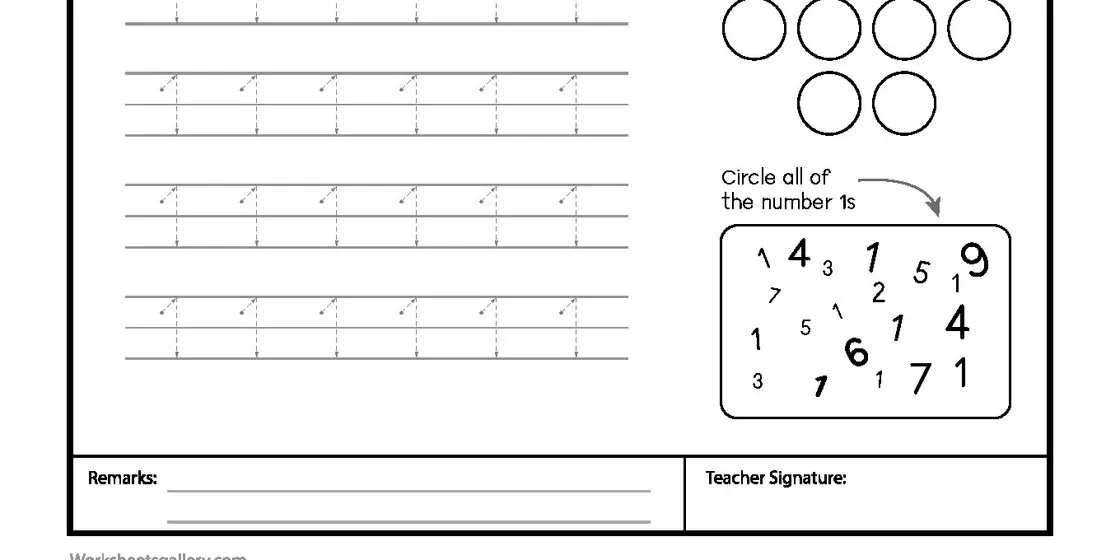
The image above highlights the crucial number identification section where children must circle all the number 1s from a mixed grid. This exercise is vital for developing visual discrimination skills and solidifying number recognition beyond just tracing. It challenges learners to actively seek out the target numeral, reinforcing their understanding in a fun, game-like format. This section often reveals how well a child can differentiate the number one from other similar-looking digits, making it a key assessment point for parents and teachers.
Popular Worksheets
Printable resources families and teachers are downloading now.
 Free
Free
 Free
Free
 Free
Free
 Free
Free