
free
Picnic Picture Addition: 5 Brilliant Three-Panel Games
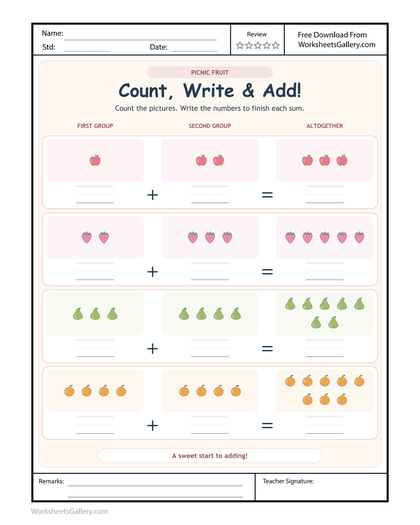
Read three fruit panels as two starting parts and one represented whole, keeping the total from becoming an extra addend.
Read three fruit panels as two starting parts and one represented whole, keeping the total from becoming an extra addend.
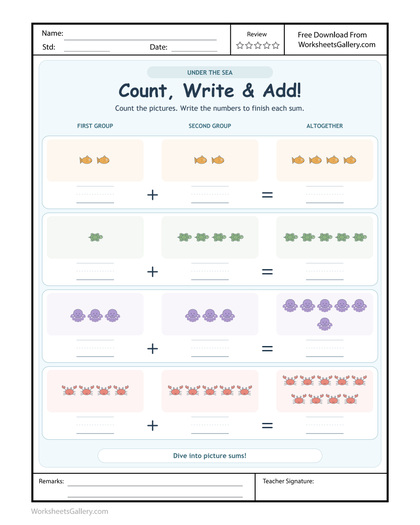
A sea-picture equation gives equals a meaning: two counted groups and the shown whole describe the same quantity.
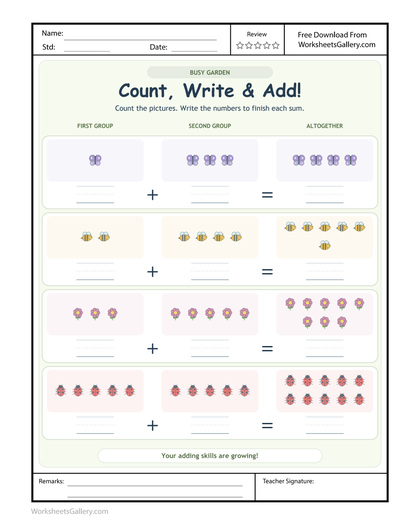
Give every written numeral a specific picture panel, separating a counted value from the hand movement that records it.
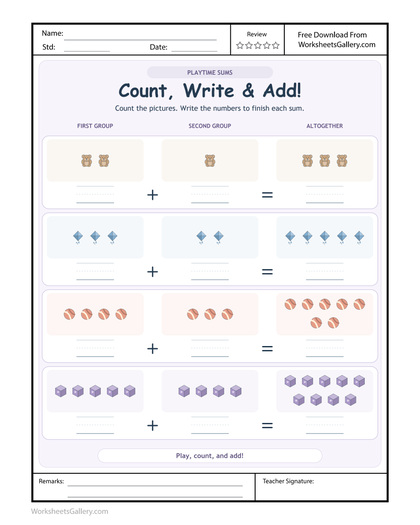
Keep a known toy quantity while counting the new arrivals, with a full picture recount available whenever it is useful.
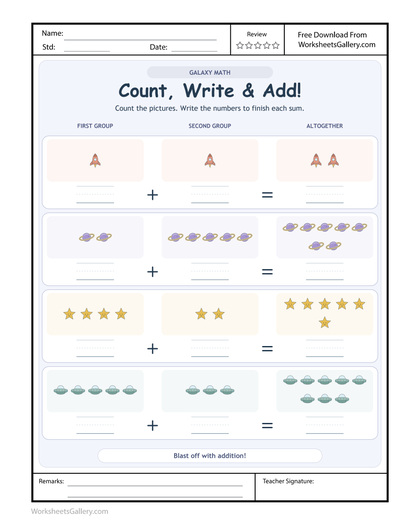
A mission report needs two checks: combine the starting space groups, then compare that quantity with the pictured result.
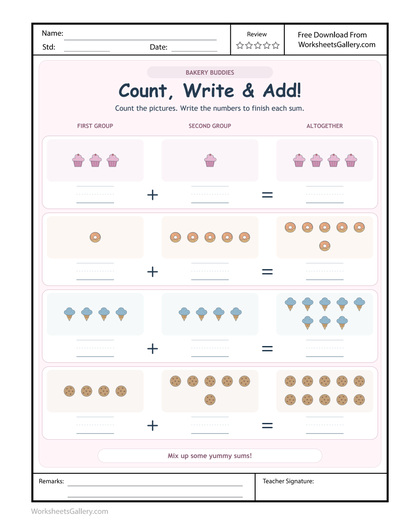
Compare two equal cone batches with unequal cupcake, doughnut and cookie groups before recording each pictured equation.
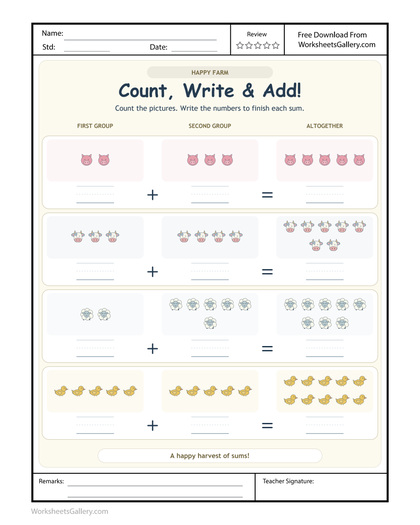
Turn a static farm equation into a before, more and now story, then map each quantity back to its pictured group.
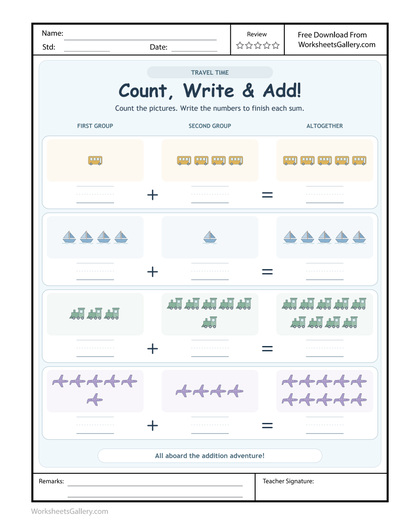
One plus four buses and four plus one boats reach the same amount while the written parts keep their pictured order.
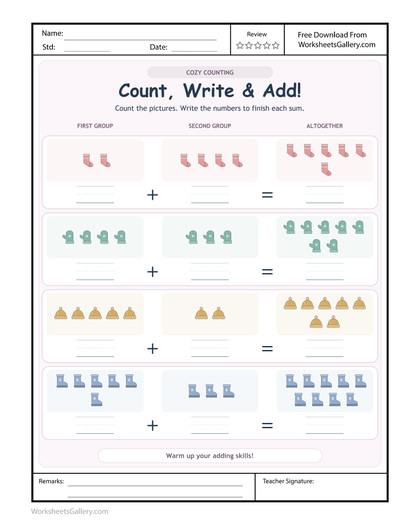
State individual socks, mittens, hats or boots as the unit so that a useful pairing habit does not change the addition question.
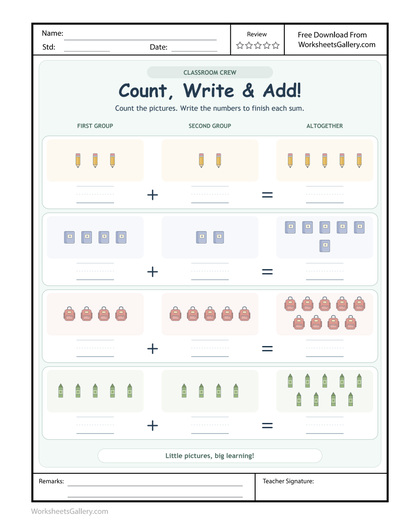
Check why backpacks and crayons both total nine instead of assuming every new row must have a larger answer.
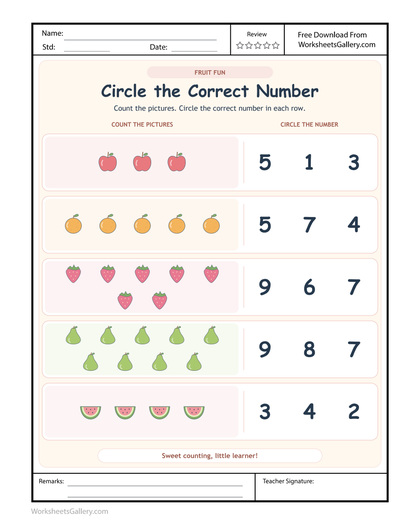
Start with the fruit itself, then carry its total across to a numeral instead of letting a choice lead the count.
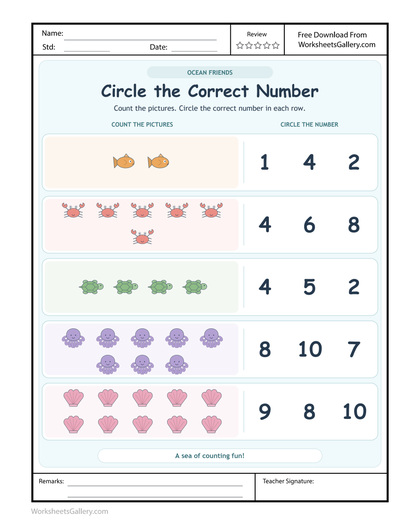
Keep the final spoken count available while moving from an ocean group to the matching numeral.
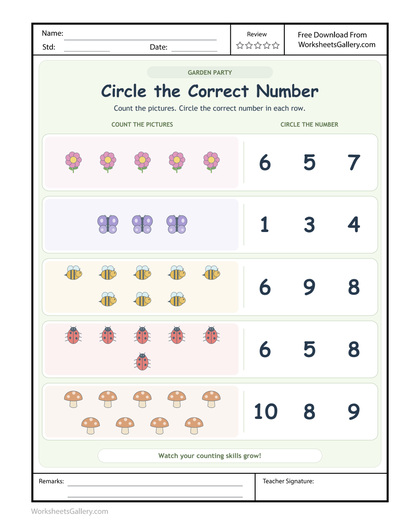
Name the whole garden object being counted before petals, wings and spots compete for attention.
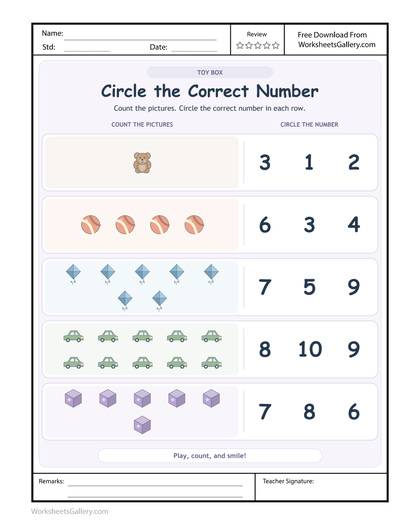
A large teddy can still be one toy; count separate objects rather than the space a picture fills.
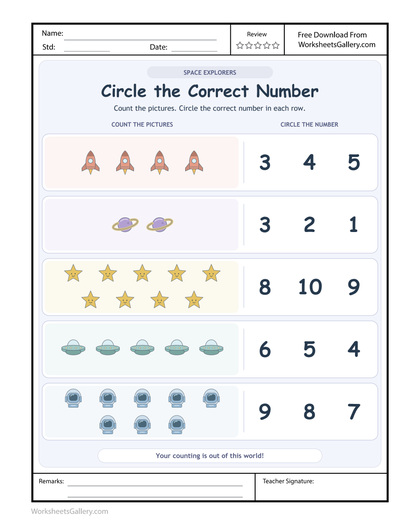
Let a counted space group decide the response, even when several nearby answers happen to share a position.
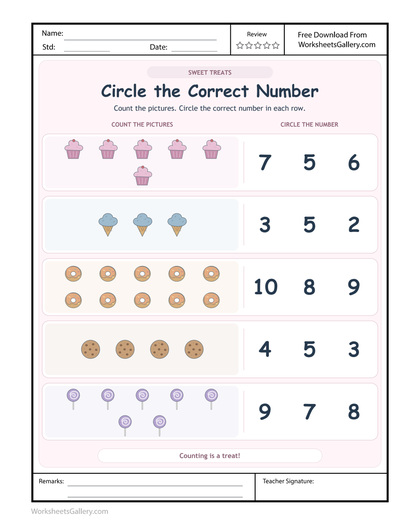
Keep each treat as one counting unit when chips, frosting and swirls invite extra taps.
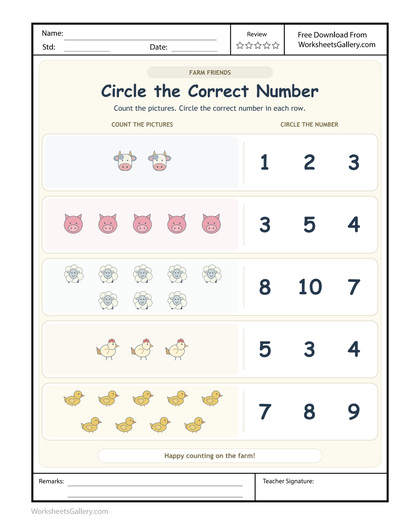
Agree on one animal picture per count, then compare partners’ routes when their totals differ.
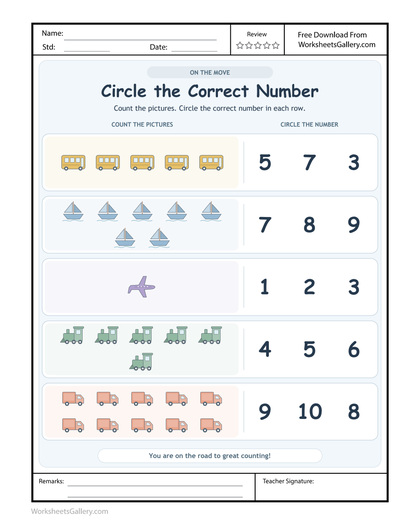
Travel through staggered vehicle groups without turning wheels, windows or sails into extra vehicles.
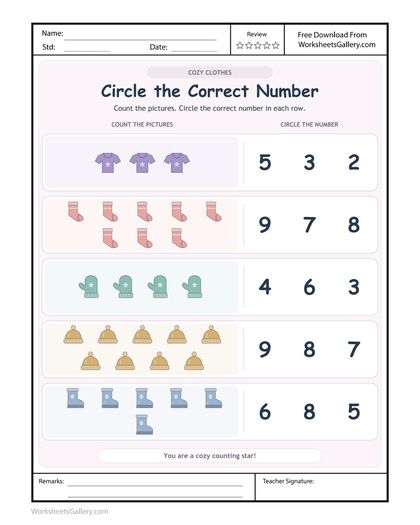
Count the individual garments shown, keeping a pair of socks distinct from two separate socks.
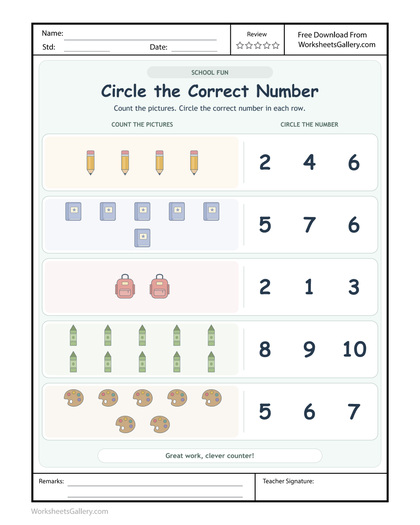
Make a small supply inventory by counting complete school items, including each palette rather than its paint spots.

This 'Learning the Number Eight Worksheet' offers engaging activities for children to practice tracing the numeral 8, counting, and identifying quantities up to eight. Perfect for early math development.

This 'Learning the Number Six Worksheet' offers engaging activities for children to practice tracing, counting, and identifying the number 6. Perfect for early learners focusing on numeracy. This Trace Number 6 worksheet helps build foundational math skills.

This 'Find the Sum Worksheet with Fruits' provides a visual and fun way for young learners to practice basic addition. Count the fruits in each group and write the total.

This 'Learning the Number Five Worksheet' offers engaging activities for children to practice recognizing, tracing, and counting the number five. Perfect for early learners developing foundational math skills.

Introduce children to the foundational number one with our engaging tracing worksheet. This free printable offers guided practice, counting activities, and number recognition exercises, perfect for building early math and fine motor skills.