10 Powerful Worksheet Ideas for Creative Modern Classrooms
Watch a strategy, connect pictures with objects and give a child’s marks an audience. Ten practical teaching uses turn selected printables into purposeful exchanges.
🧭 Give the page a job in the lesson
“Show me how you decided” can change what happens around a worksheet. One child moves counters, another points to a model, and a teacher notices which explanation needs another example. In modern classrooms, printables can support these exchanges when their purpose is specific and their demands are manageable. The ten ideas here are written for early-years teachers working with roughly ages three to six, with adaptations guided by the children in front of you. Three existing Worksheets Gallery pages provide practical starting points. Use them selectively, alongside talk, play and materials, to make children’s thinking easier to notice.
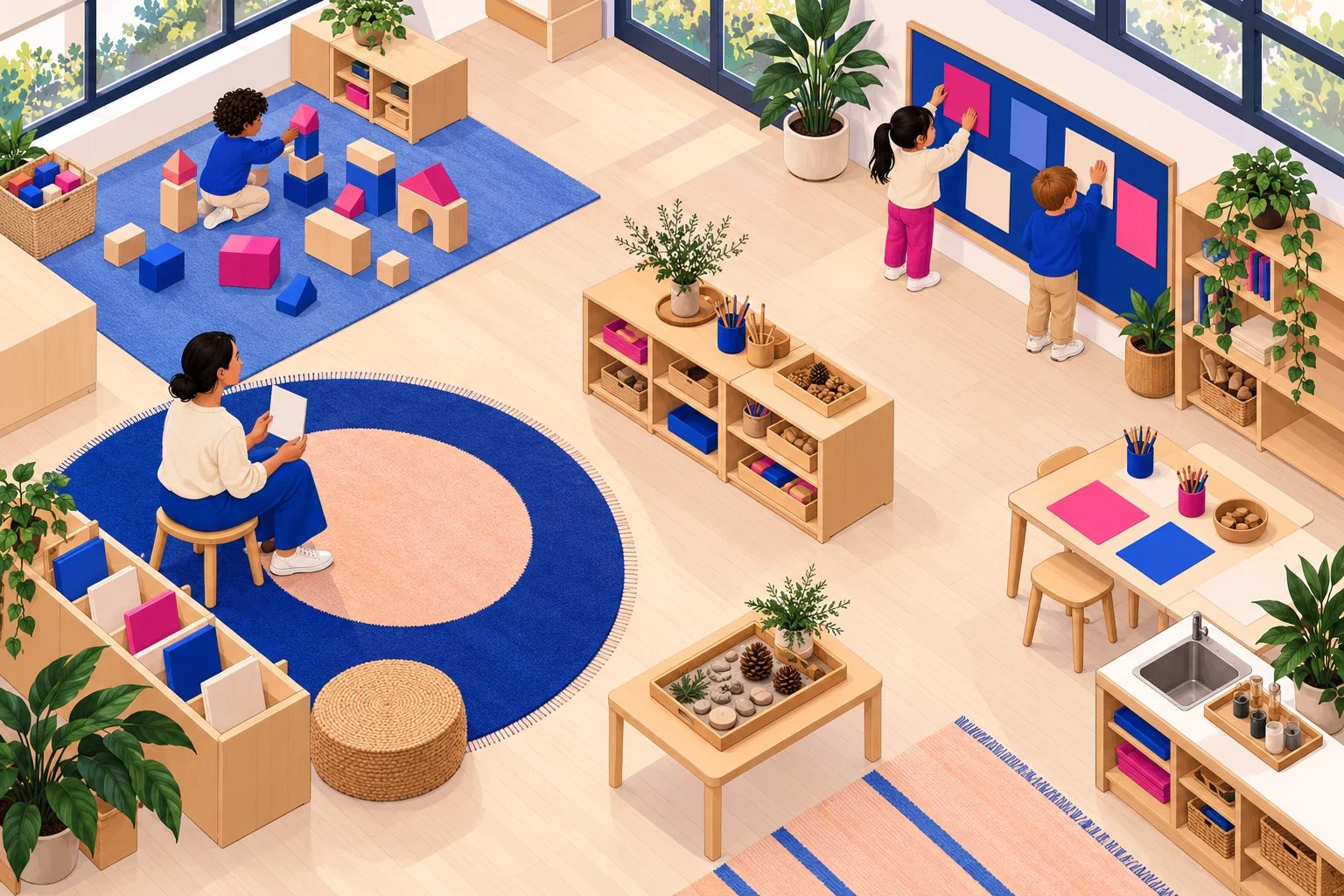
The separated activity locations show different ways to participate without grouping everyone around one worksheet.
Start with the question classrooms need answered
Before selecting paper, complete this sentence: “I want to notice whether children can…” Finish it with an observable action, such as matching one object to each picture. “Finish the sheet” does not identify the understanding you want to teach.
The NAEYC guidance on observing and assessing development and learning supports purposeful observation in familiar activities, with attention to language and context. A single marked page cannot represent everything a young child knows. In classrooms, combine paper with what children show through actions and conversation.
These ten approaches are teaching suggestions, not a validated assessment package.
Select resources for classrooms by their purpose
| Existing printable | Useful teaching opportunity | Detail to check first |
|---|---|---|
| Number 5 Worksheet: 6 Brilliant Turtle Trail Wins | Match or rearrange a selected group of five | Keep the top turtle collection separate from other exercises |
| Ll Worksheet: 4 Powerful Lion Corner Learning Wins | Model and compare uppercase L with lowercase l | Distinguish tracing, copying and recalling a form |
| Color the house: 5 Amazing Steps for Creative Learning! | Discuss a house before planning a small construction | This is a colouring page, not a building specification |
All three pages currently provide free watermarked, one-page PDF samples. The number and letter resources also list clean-file membership access. Preview the task and download panel before preparing copies for classrooms. The activities below require ordinary additional materials and some adult-made blank cards; those props are not extra downloads hidden inside the PDFs.
1. Open with a strategy reveal in classrooms
Choose the top five turtles on the number page. Ask a child to show how they would find the quantity before demonstrating your preferred approach. They might touch each picture, count mentally or lose track and begin again. Give time to complete the attempt.
Record the action, not just the answer: “Touched one picture twice” suggests a different next step from “Said five without showing a method.” Classrooms gain useful information when the teacher knows what happened between the question and the answer.
Respond to strategies children show in classrooms
If tracking is difficult, offer a large counter to move beside each selected picture. If the child counts securely, rearrange a separate set of five objects and ask what they notice. In classrooms, the next invitation should follow the observed need.
2. Connect objects and pictures in classrooms
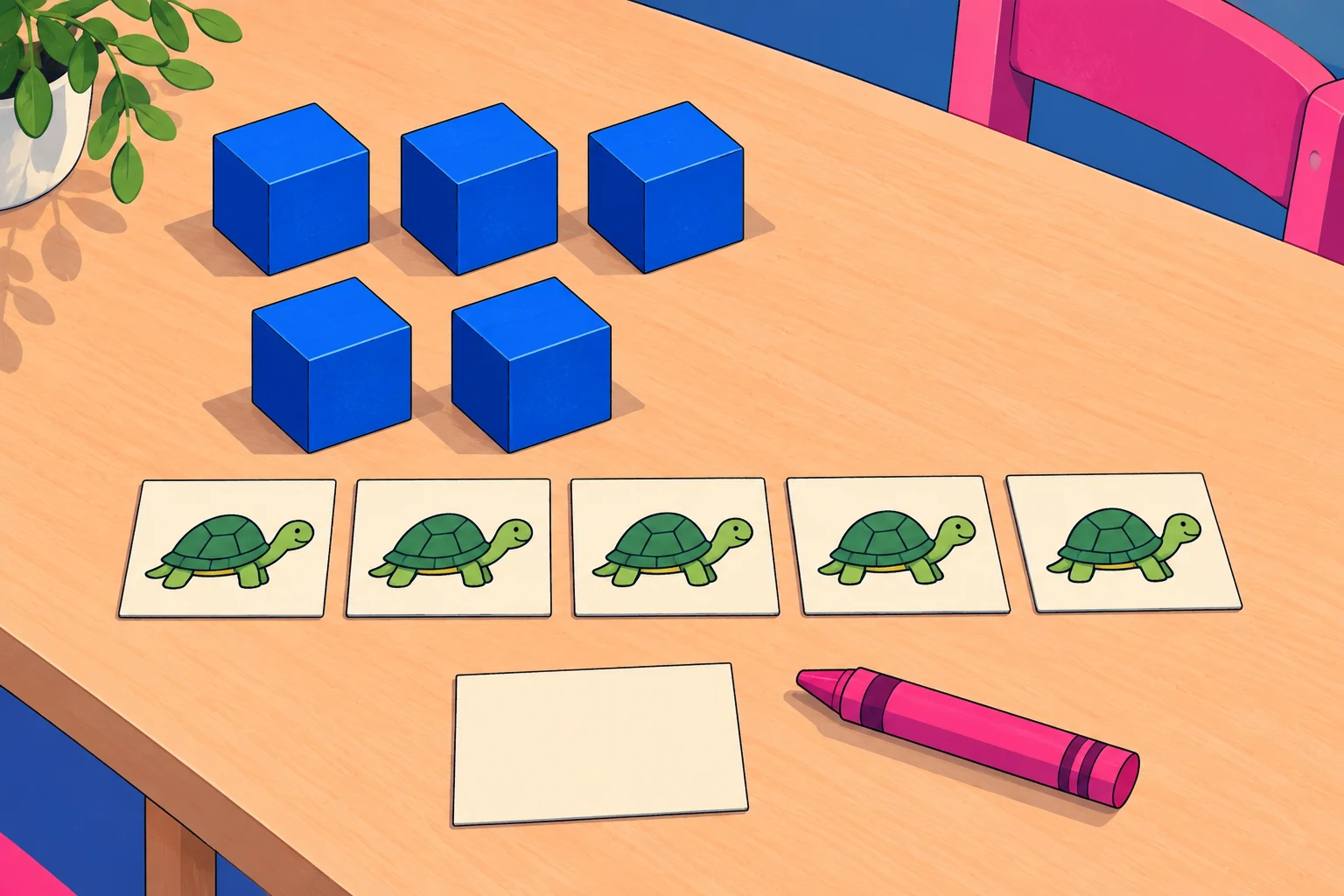
The generic props show five objects and five pictures; they are separate from the linked printable’s actual layout.
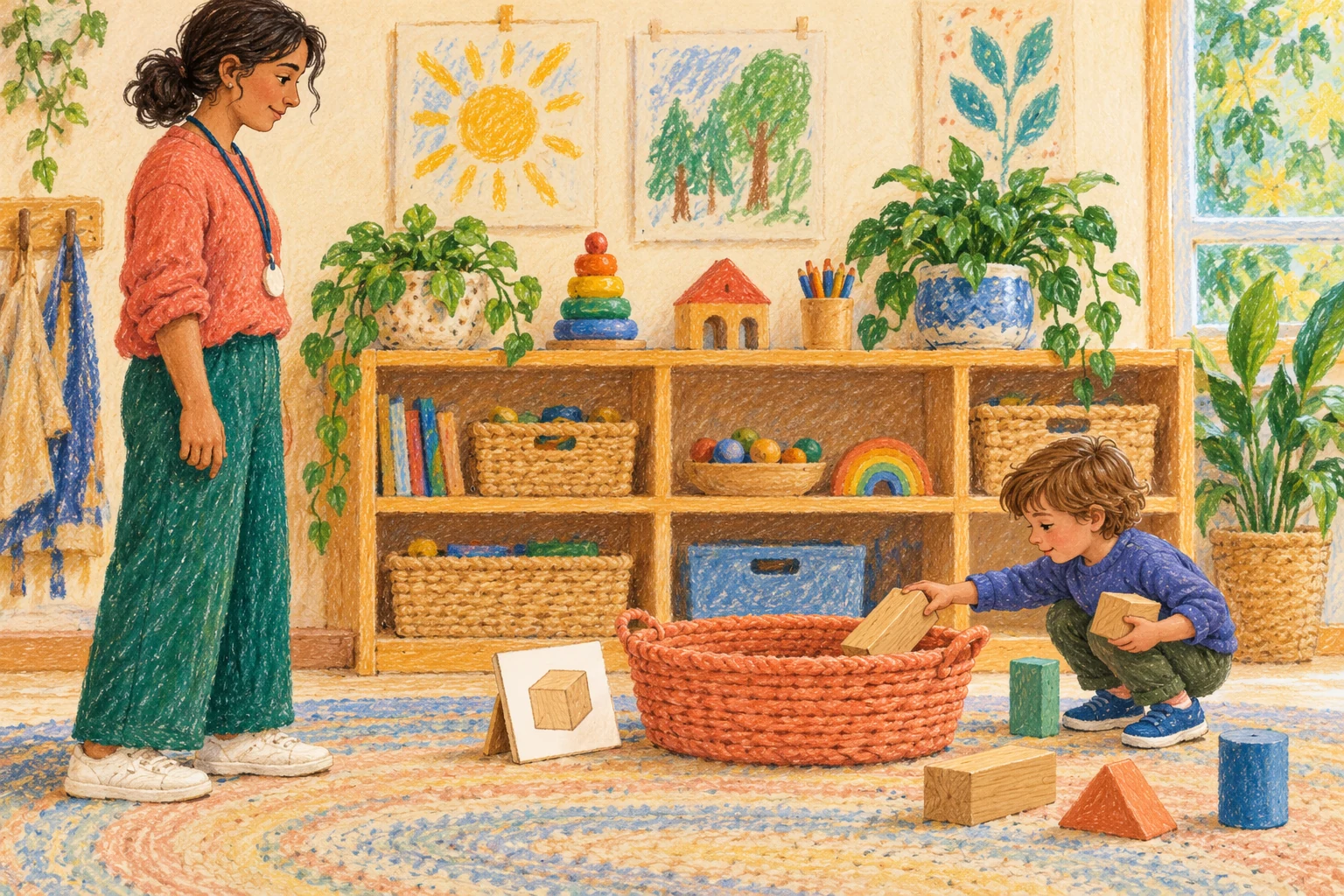
Set out five large counters or blocks. Match one to each selected turtle picture, then move the objects to a clear mat. Ask the child to rebuild the same quantity in another arrangement. Keep the printable nearby as a reference rather than taking it away as soon as the child begins.
Classrooms can use this bridge to distinguish recognising a numeral from understanding a collection. The illustration shows five cubes and five generic turtle cards; the linked worksheet has its own layout.
Invite visible connections in classrooms
“Which object goes with this picture?” invites pointing or moving. “Explain one-to-one correspondence” demands language unrelated to the immediate task. In inclusive classrooms, choose a response that reveals the concept without adding unnecessary speaking or writing requirements.
3. Think aloud beside a model in classrooms
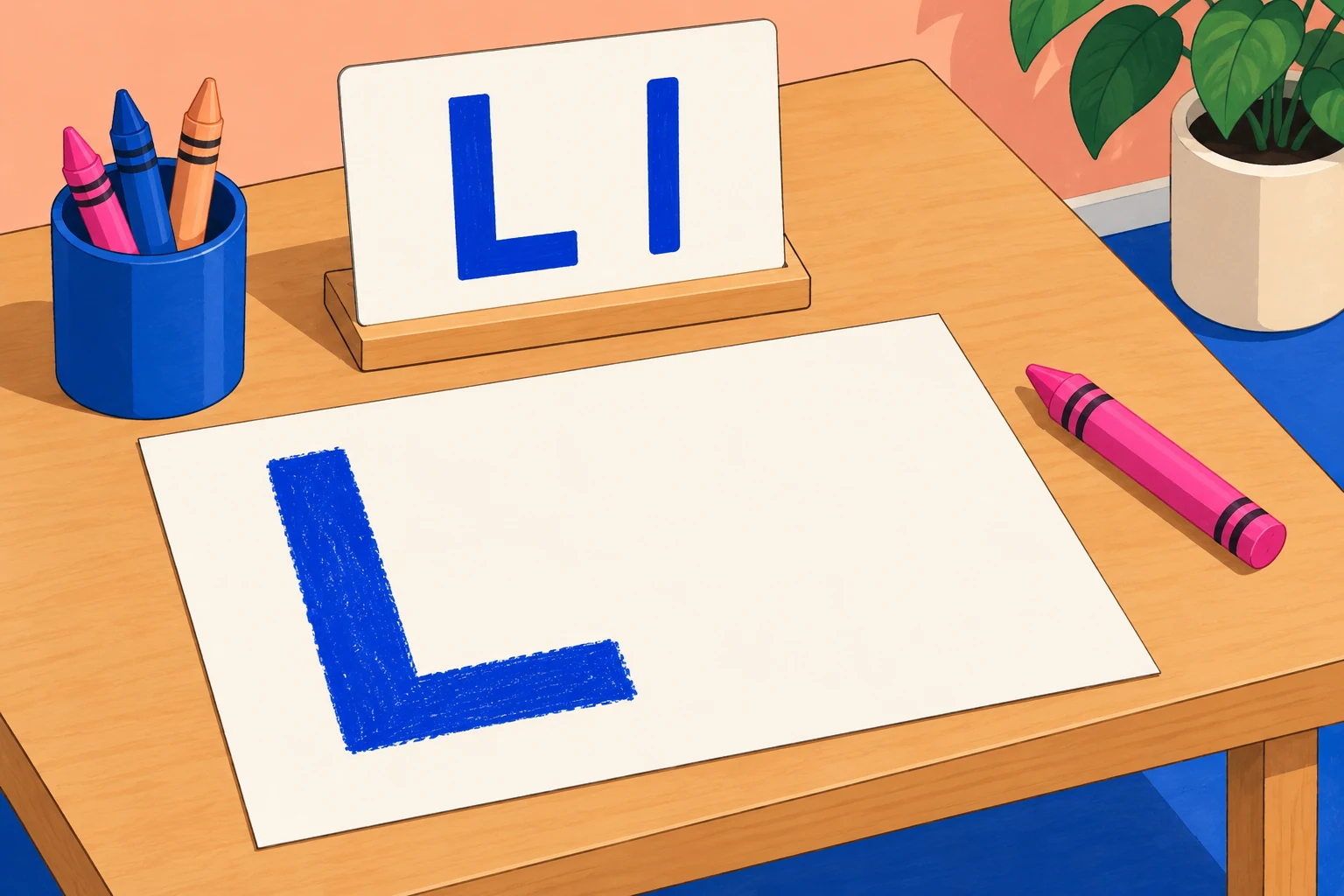
The card shows an uppercase corner and a straight lowercase l, leaving blank paper for another attempt.
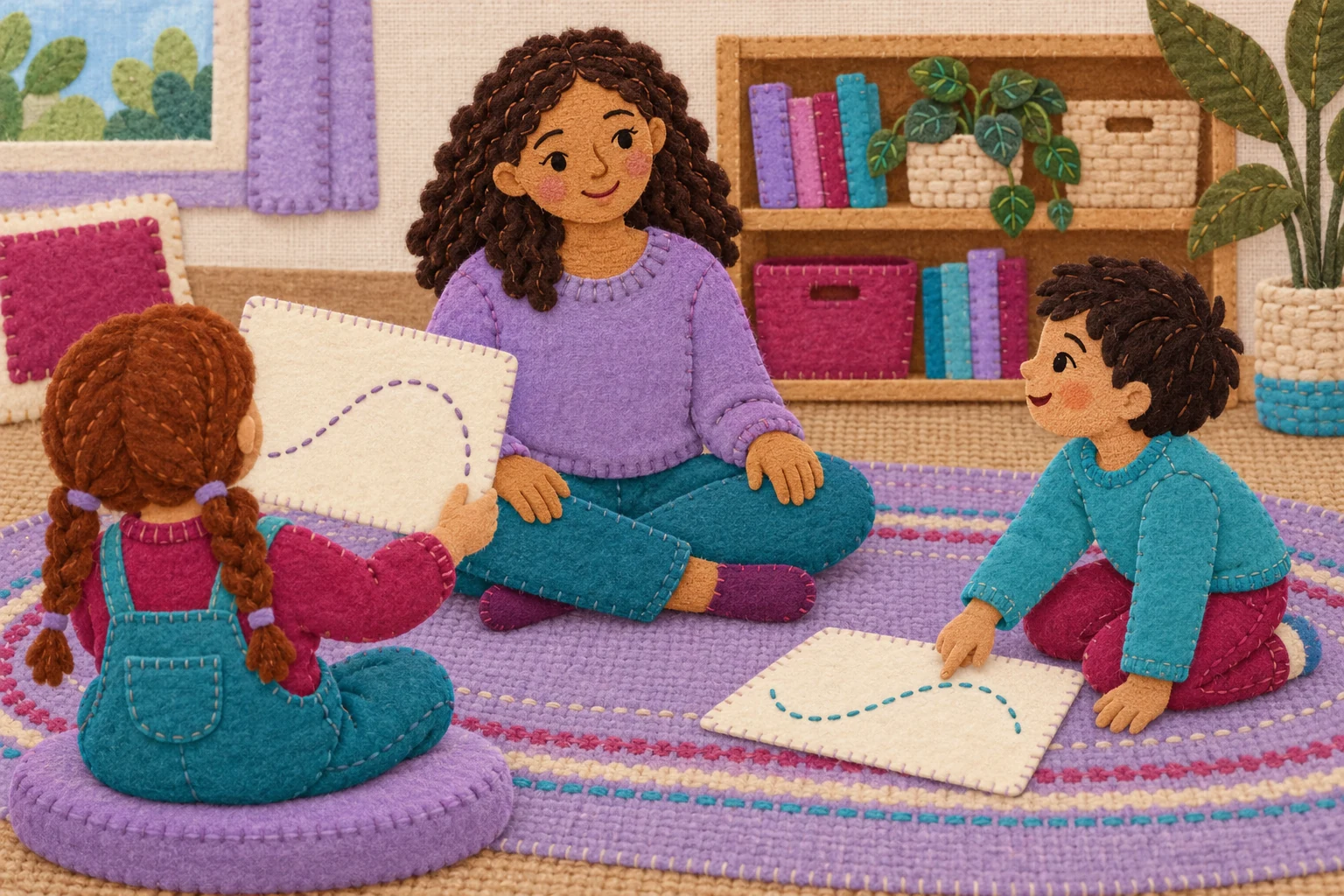
Use the Ll resource with children who are currently learning those forms. Model one uppercase L slowly and describe the taught movement in plain language. Leave the model visible while the child copies; copying with a reference and writing from memory are different tasks.
The Education Endowment Foundation’s metacognition guidance, published in its second edition in November 2025, discusses teaching strategies within specific subject content. Its school guidance informs the idea of making a strategy visible. It does not establish that this particular preschool activity produces the effects reported for wider approaches.
Keep spoken models short in classrooms
Classrooms full of early writers need an action they can watch, not a long lecture about thinking. Demonstrate the chosen route, pause and let a child try. In classrooms, supporting access to the movement is more useful than repeating the same verbal instruction louder.
4. Compare teacher examples in classrooms
Prepare two adult-made examples on blank paper: a count where each picture is touched once and another where one is counted twice. Demonstrate both openly as teacher examples, then ask which method keeps track more clearly. Do not disguise a real child’s difficulty as anonymous entertainment.
This approach lets classrooms discuss a decision without labelling a learner. Children can select, point or demonstrate another method. The intended conclusion concerns tracking objects; differences in handwriting or colouring are irrelevant to that question.
Return disagreements to materials in classrooms
If two children choose different methods, use the objects to test both. Ask what the count includes and whether any item was missed. Classrooms can practise checking an idea together while the adult remains responsible for clarifying the concept. Discussion should not leave an avoidable misconception unaddressed.
5. Rehearse partner explanations in classrooms
Give partners one selected picture group and a small object collection. One child demonstrates a count; the other describes, points to or checks one part of the method. Switch roles with appropriate adult support. Keep the mathematical task familiar enough that the exchange is manageable.
In classrooms with varied language experience, offer a short optional frame such as “I moved this because…” alongside gesture and familiar-language responses.
Listen for useful connections in classrooms
Notice whether the listener can connect an object with a picture, rather than rewarding the longest sentence. Ask a brief follow-up only where it resolves uncertainty. Classrooms can then return to independent play or another task; paired explanation need not fill an entire lesson or produce a written transcript.
6. Launch a design brief in classrooms
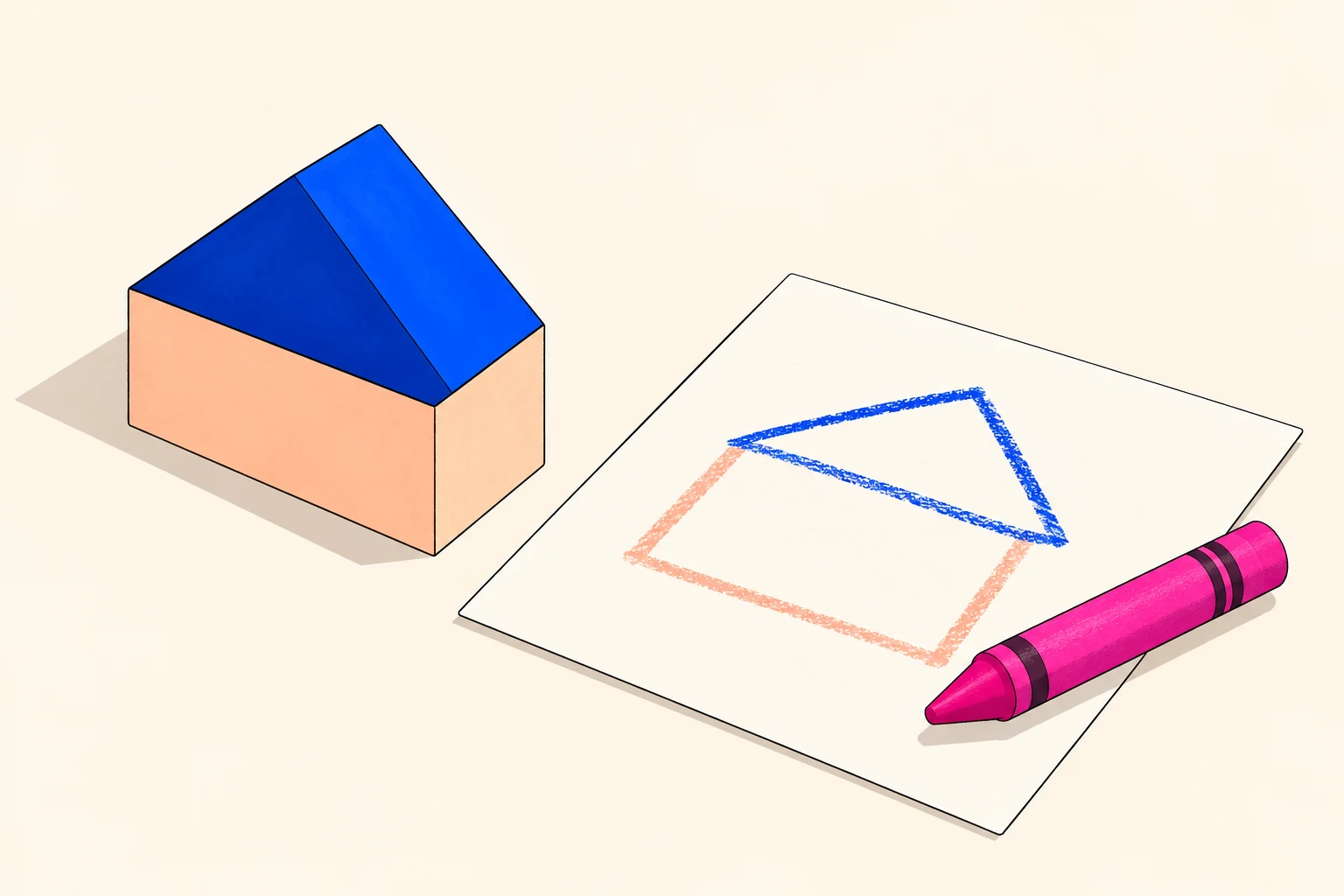
The small construction illustrates a separate design brief prompted by the house colouring page.
Show the house colouring page and discuss the roof and main shape. Set a separate practical brief: build a low house-shaped structure from large blocks. Invite a sketch on blank paper, then compare the sketch with the construction.
The printable provides a visual prompt, not architectural instructions. Classrooms should make that distinction clear so children can choose a workable arrangement instead of struggling to reproduce a drawing exactly.
Explain design revisions in classrooms
Ask what needed changing: perhaps a roof piece did not fit the base. Record that reason in the child’s own words if they want. In classrooms, a revised sketch can preserve a useful decision without making the adult’s preferred model the target. This is a separate activity from simply colouring the house neatly.
7. Give marks an audience in classrooms
Use a familiar letter from the Ll page in a practical classroom message where it belongs, perhaps as part of a child’s name or a dictated label. If L is irrelevant to the intended message, select a more suitable taught form instead. Meaning comes before forcing a specific character into every task.
Classrooms can pair a child’s contribution with adult-written words and a drawing. Make clear which part the child wrote and which part was scribed. Do not treat an adult-completed sentence as evidence of independent child writing.
Let authors choose their message in classrooms
Ask, “What would you like someone to know?” Then support the chosen message. A child may contribute a single letter or other meaningful marks. In classrooms, an audience gives writing a reason while leaving plenty of room for developing control, spelling and letter knowledge.
8. Adjust access to concepts in classrooms
If the purpose is counting five, a larger selected group, movable counters or an oral response may keep the mathematical demand intact. If the purpose is forming L, removing the marking action changes what can be observed. Name the actual goal before deciding which adaptation makes sense.
Classrooms can reduce visual clutter by covering unrelated sections temporarily, using a separate blank response area or working with one group at a time. Offer support that fits the individual child rather than assigning permanent “easy” and “hard” identities.
Document useful support in classrooms
Write “matched five with objects placed beside pictures” rather than implying the child worked without materials. Honest notes make future planning clearer. In classrooms, a support can remain useful for as long as the child needs it; taking it away is not automatically evidence of progress.
9. Revisit a small idea in classrooms
On another day, return to a familiar quantity or taught letter before showing the earlier attempt. Ask the child to show what they remember using appropriate materials. Then offer the model or original page to compare, keeping recall separate from copying with a visible guide.
Classrooms should keep this brief and low-pressure. An unfamiliar setting, changed instruction or tiredness can affect the response. A single recall attempt is not a reason to label a child or abandon a previously helpful support.
Choose the next demonstration for classrooms
If a child remembers the L shape but not the taught route, model that movement again. If the quantity is secure, connect it with a new familiar context. Classrooms benefit when a revisit leads to an instructional decision rather than another mark added to a score sheet.
10. Send a conversation home with the chosen sample
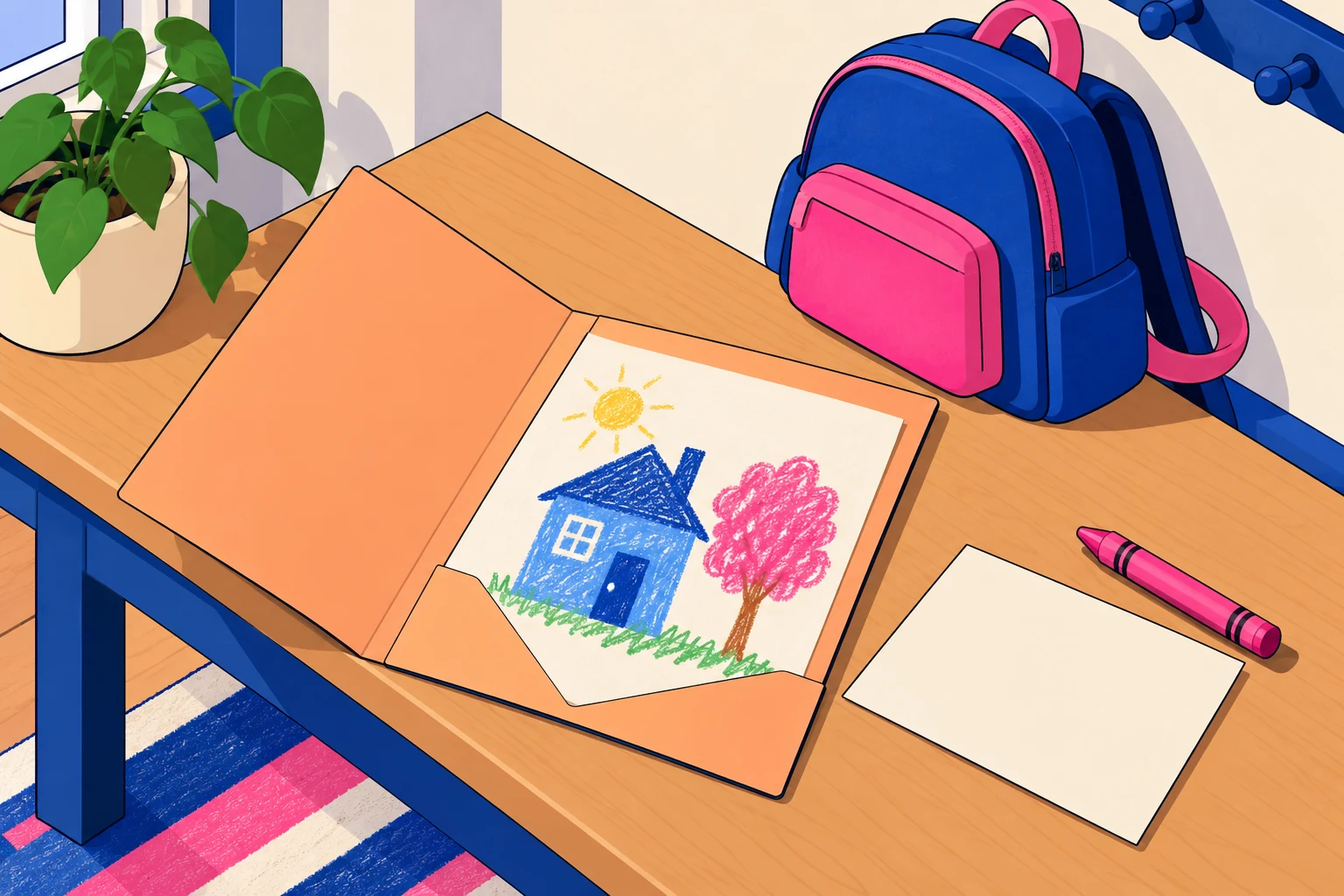
The folder study leaves the message blank and contains no names or personal information.
Select one relevant piece, with the child involved where possible, and add a plain-language invitation: “Ask which change made the roof fit.” A family can discuss the idea without printing extra pages or recreating the school’s equipment.
Classrooms can invite a brief response in the family’s preferred available language or format. A parent’s note that the child used different words at home can enrich your understanding without becoming another assignment to grade.
Tell families what the sample does and does not show
Explain the teaching focus and any adult support. Invite relevant observations rather than asking families to certify mastery. In classrooms, this keeps a worksheet connected with a shared conversation and avoids making paper completion the only visible evidence of a worthwhile day.
A five-step planning check for classrooms
- Name the concept and the action that could reveal it. Keep the objective narrow enough to observe.
- Inspect the page, its examples and the current access details. Select only the part that serves the lesson.
- Prepare the needed objects, models and response options, including appropriate access support.
- Decide which observation will lead you to demonstrate, extend, simplify the presentation or stop.
- Keep one useful note and connect it with a next teaching decision. Avoid recording every movement merely because paper makes it possible.
Six gains worth looking for in classrooms
- Visible strategies: actions around the page reveal how a child approached the question.
- Clearer representations: real objects and pictures can refer to the same selected quantity.
- Purposeful language: a partner exchange has a concrete idea to explain or check.
- Usable models: a brief demonstration makes a taught movement available for another attempt.
- Meaningful authorship: children contribute marks to messages with an actual audience.
- Informed teaching: one contextual observation helps choose what to offer next.
These are aims for instruction in classrooms, not promised results from particular PDFs. Look for them across play, conversations and practical activity as well as paper.
Two hypothetical lessons, two different next steps
A classroom count becomes easier to track
Imagine a teacher watching a child count the top five turtles. The answer changes on each attempt because the child returns to one picture twice. The teacher offers movable counters and demonstrates marking each selected item once. Afterwards, the child matches the collection successfully. The note records the support and suggests another small matching opportunity, rather than a page of harder numerals.
A home drawing adds context to school work
In this hypothetical home example, a child explains a changed roof sketch to a parent. The parent writes the explanation in a familiar language and returns it through the school’s usual channel. The teacher uses that information during the next construction conversation. Classrooms gain a fuller account of the idea while the family avoids having to repeat the original lesson.
Four extensions for classrooms with another question to pursue
Create a method gallery with adult-made representations of the same small quantity. Children match, compare and explain without displaying named learners’ errors.
Try a builder interview. One child describes a practical design change while another points to the relevant part of a model or sketch.
Make a message delivery game using chosen drawings and familiar written forms. Ask whether the recipient can understand the intended message, then add support where needed.
Offer a teacher’s mystery mistake within a familiar task. Children show a way to check it with objects or a model, and the adult explicitly confirms the useful strategy.
Keep the child’s idea larger than the page
Classrooms can make excellent use of a modest printable when it opens a specific conversation and informs what happens next. Stop when the useful work is done, even if blank spaces remain. Offer encouragement that names the thinking: “You checked each turtle once so we could follow your count.” The value lies in that connection between action, explanation and teaching, with the worksheet serving a clear part of the lesson.