
Ll Worksheet: 4 Powerful Lion Corner Learning Wins
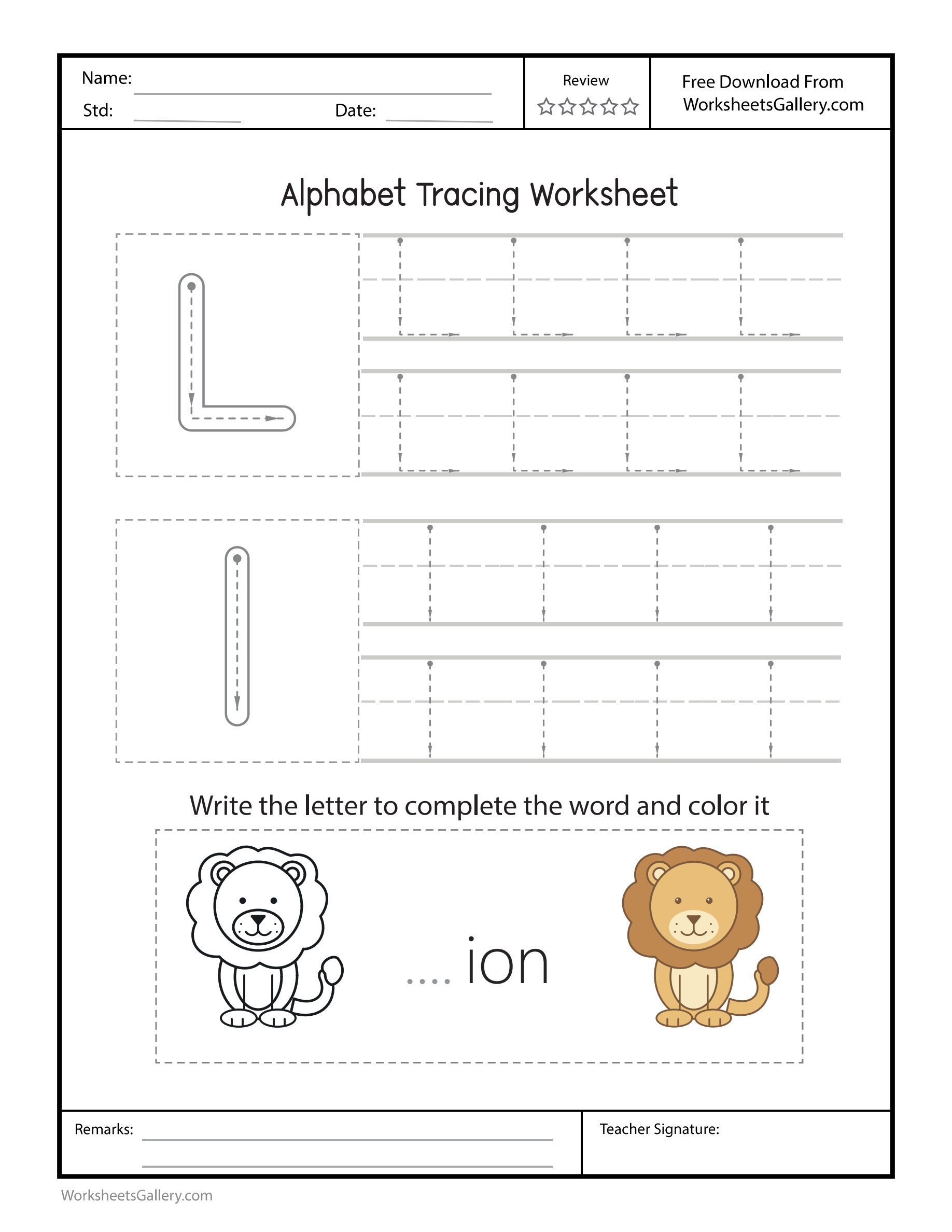
The Ll lion activity belongs to the complete A–Z letter-pair collection. One $4 purchase supplies all 26 clean tracing pages in a single alphabetically ordered PDF, including this lion corner card lesson.
A lion may roar in a story, but the word lion begins with a spoken letter sound rather than an animal noise. The Ll Worksheet invites that distinction while giving a child a small writing job: add l to the unfinished picture word. Capital L introduces a clear corner, and its lowercase partner follows a much simpler tall route. Learners aged three to six can explore both through looking, movement and conversation. A pretend lion reading corner supplies the purpose, while the actual printed guides keep the letter shapes separate from the picture's mane and tail.
What belongs at the Ll Worksheet reading corner?
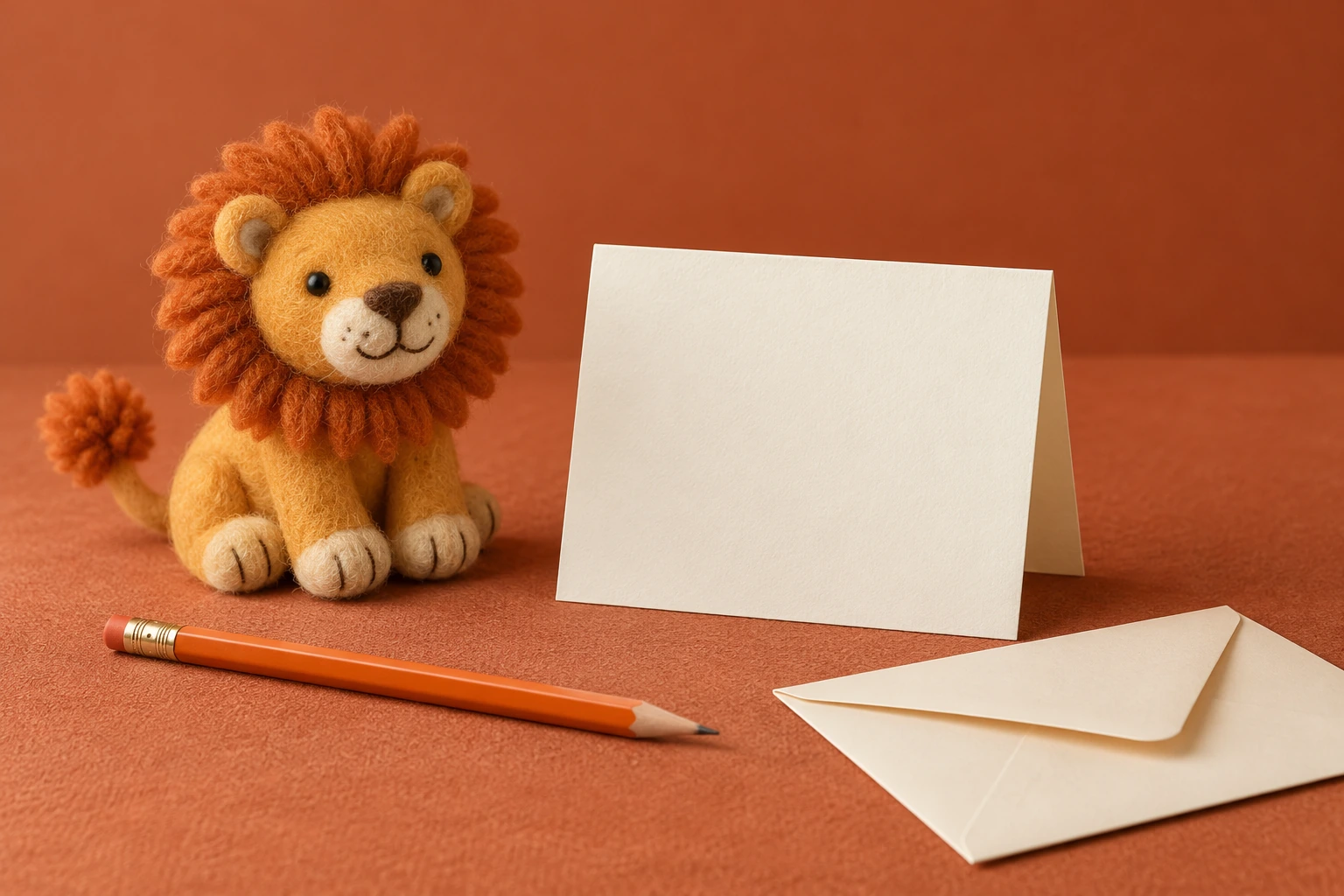
Theo and his older sister give a felt lion a place beside a blank folded card. Their Ll Worksheet story begins as a quiet reading-corner game. Theo supplies a playful roar, then his sister asks what the animal is called when they speak its name. They say lion normally and look at the initial space in the picture word before choosing the small letter that belongs there.
The Ll Worksheet lets them separate three kinds of meaning: the animal picture, the spoken word lion and the written l. A roar can be part of pretending, but it does not identify the word's initial letter. His sister reads the completed label aloud after Theo contributes its beginning. The card can then announce the pretend lion corner without requiring him to independently write a whole sign.
At home, an Ll Worksheet visit can stay as simple as that exchange. Name the picture, notice its beginning and choose a model to inspect. A learner who is not ready for small writing may point to l or trace the large guide with a finger. Keep a blank card nearby for a broader movement, then decide together whether the word gap or coloring is a welcome next action.
The Ll Worksheet capital turns a corner
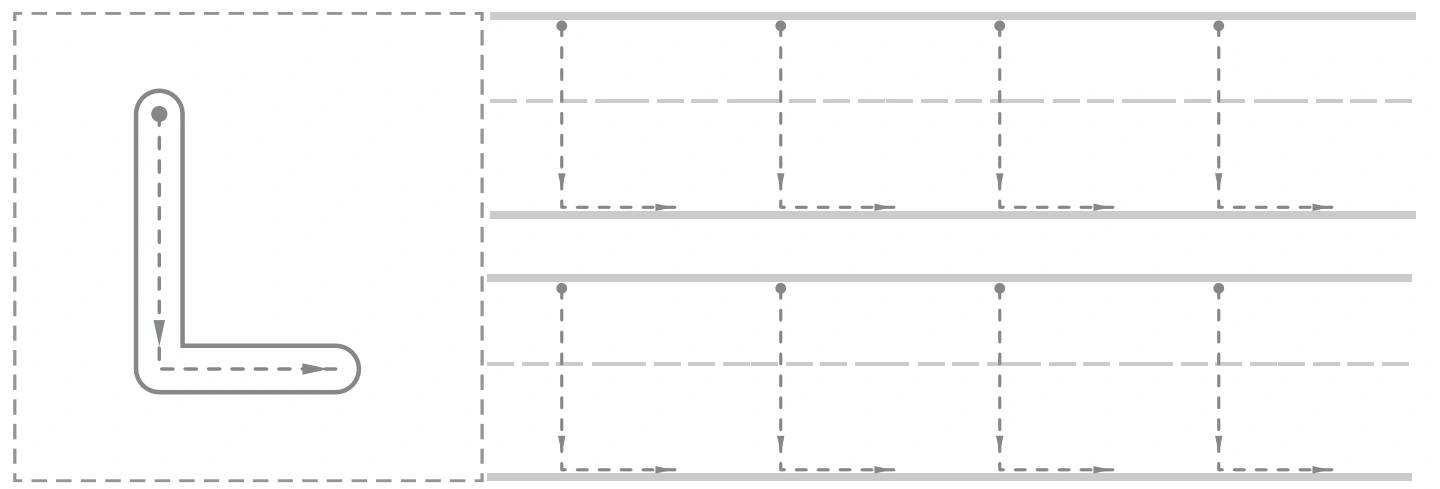
Capital L on the Ll Worksheet has a long upright and a lower horizontal portion. Follow the printed starting cue and inspect the point where the direction changes. A child can show the corner by pausing a finger there before continuing across. The pause gives the transition a purpose; it is not a demand to stop and discuss every small pencil wobble.
The Ll Worksheet capital rows contain eight small guided forms. Try one and compare its corner with the large example. If the lower portion travels away from the source direction, return to the model and rehearse a broad movement. A neat-looking letter that faces differently still deserves a specific orientation comparison, rather than an instruction to make every mark more careful.
An Ll Worksheet corner does not need the elaborate outline of a lion's leg or tail. The picture supplies the word, while the letter model supplies the path. Let a child name the mane, paws or whiskers during conversation without bringing those features into the writing space. The distinction preserves both the imaginative story and the small task that the printed initial requires.
A tall small-letter partner on the Ll Worksheet
Look at the lowercase model on the complete Ll Worksheet. Its long, simple form differs from capital L's extended corner. Compare the actual small guide with its own line space before following a row. Another font may make l resemble other narrow symbols, so keep the source's case pair visible and name the letter in this word context.
Two lowercase rows offer eight more Ll Worksheet opportunities. A learner can choose a single tall route after looking at the large example. If the whole task feels too slight to discuss, ask where it starts and where it finishes on the guide. Deliberate placement and controlled stopping are useful observations even when the letter does not contain a complicated collection of parts.
Read the Ll Worksheet initial inside its word
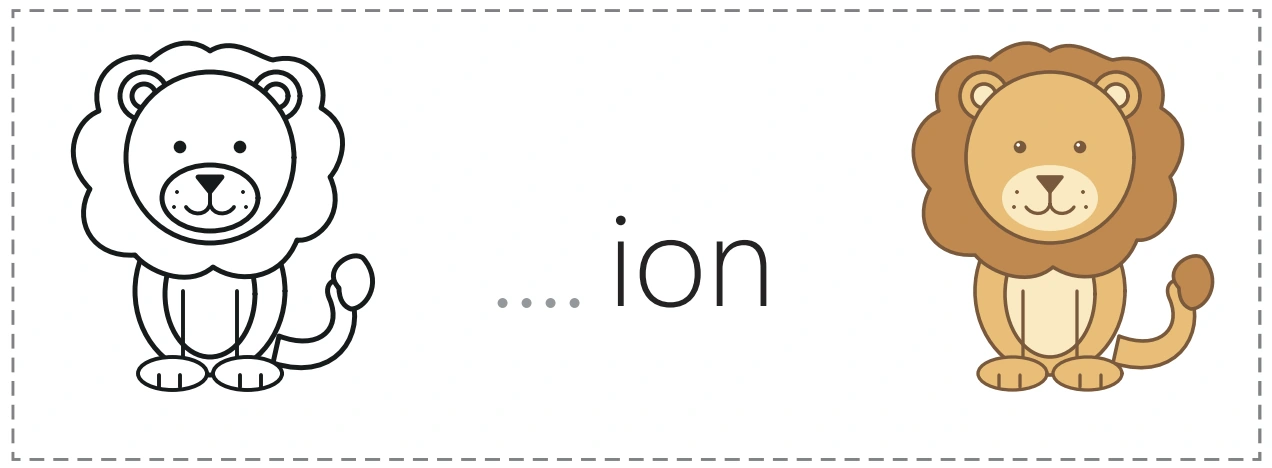
The Ll Worksheet prints ion between two lion pictures, leaving l as the initial contribution. An adult reads lion as one complete word after that beginning is supplied. The spelling left on the page is not a separate reading exercise. A child can recognize the animal and choose l with support while still relying on an adult to read the full label.
For Ll Worksheet sound talk, listen to the beginning of the spoken word lion. Name L when discussing the letter identity, then distinguish that name from the word's beginning sound. The animal's roar can return when the pretend story continues. Keeping those activities separate makes the request clear without removing the child's enjoyment of the lion character.
Five Ll Worksheet observations beyond a finished row
An Ll Worksheet corner changes movement direction
The capital's lower turn gives an adult a visible place to compare with an attempt. Ask a learner to show the direction change using a finger. Broad understanding may be clearer than a small pencil corner, helping the adult choose an appropriate next step rather than simply adding repetitions.
Ll Worksheet partners connect two forms
The Ll Worksheet capital corner and simple small route belong to one letter name. Recognition can be shown through a point or a short spoken answer. Separating that task from handwriting keeps a child's successful visual understanding visible when fine movement still needs support.
Ll Worksheet words differ from picture noises
Lion names the pictured animal; a roar acts out what it may do in a story. Comparing those spoken purposes keeps the initial-letter discussion honest. A playful response can be welcomed first, then redirected to the actual word the adult is reading.
A small Ll Worksheet contribution can carry meaning
One l turns the unfinished picture label into its intended word. Adult reading connects the mark with the lion corner. The child does not have to independently spell a longer sentence for that contribution to become part of a shared written message.
Ll Worksheet stopping points can guide later practice
Notice whether a learner controls where a tall stroke ends or remembers the capital's lower turn. Save that observation for a future visit. Specific features provide more useful direction than treating all filled rows as equivalent evidence of understanding or progress.
Four lion-corner investigations after the Ll Worksheet
1. Ll Worksheet voices: a name or a noise?
Take turns acting a lion noise and speaking its name. State which kind of response is wanted, then point to the written initial when lion is named. The source can help connect that spoken word with l. The game works without a pencil, leaving attention free to notice the difference between pretend sound play and a letter discussion.
2. Walk the Ll Worksheet corner with a finger
Place a long paper strip and a short strip on a table to resemble the capital's route. A child moves a finger down to the meeting place and across in the source direction. Rearrange the short strip and compare it with the guide. The learner can test orientation by moving pieces before making a permanent mark on a card.
3. A brief Ll Worksheet look, then a check
Look together at one large case model, then turn a blank card toward the learner for a broad attempt. Bring the reference back immediately afterward and compare one feature. There is no timed memory test and no requirement for an exact copy. The point is noticing which part was remembered and which part would benefit from another look.
4. A visitor finds the Ll Worksheet lion corner
An adult places the completed lion label beside a toy and another clearly different picture label elsewhere. Read both aloud and ask a child to show the lion destination, pointing out its initial. Exchange the visitor role afterward. This gives the small written l a place in a pretend environment without implying that a beginner has independently read every word on display.
A shared Ll Worksheet turn in the classroom
At a classroom Ll Worksheet corner, one child can describe the capital's turn while another makes a broad route with a finger. Swap those actions before a short pencil choice. Another learner may prefer to identify the lowercase initial in lion. The roles keep attention on the actual letter while accommodating different levels of writing confidence and motor control.
| A response to inspect | A helpful comparison |
|---|---|
| The capital turns away from its model. | Follow the guide through its lower corner. |
| A roar answers a letter-sound question. | Name the animal as lion before listening to its beginning. |
| A narrow symbol is copied without its context. | Find lowercase l beside L and inside the lion word. |
An Ll Worksheet correction can remain friendly by naming a feature rather than judging the whole performance. One clear corner or deliberate stop is worth noticing. A child from three to six may need a wide crayon route, a finger turn or help holding the paper steady. Offer that support without making the easier participation feel like a lesser way to learn.
Return to the Ll Worksheet with another visitor
The next Ll Worksheet session can begin with the voice game or a pretend reader arriving at the lion corner. Let the child choose a small task and stop when it has a meaningful finish. Coloring the outlined lion can provide a different kind of engagement afterward. A quiet written label and a playful roar can both have their own turn.
Regular Ll Worksheet practice need not repeat the same route through the page. One visit might compare cases, another might focus on the lower corner, and a third might involve the word initial. Pause when the pencil becomes tense or attention drifts toward merely filling spaces. An adult's note about the successful cue can help the next short visit begin with something familiar.
Choose an Ll Worksheet copy and keep its guides readable
The Ll Worksheet original remains available as the free sample. Eligible active membership unlocks a separate clean premium PDF that removes the printed website and domain branding, including watermark text. That clean file contains no embedded advertising. The related $4 alphabet collection offers all 26 clean tracing sheets in one purchased PDF, providing a distinct full-set download option.
Inspect Ll Worksheet printing in portrait US Letter format, preserving the outside frame and light tracing paths. A trial sheet is useful before a class set. Keep a blank card for enlarged corners and enough space to color the lion outline. Companion tasks include a short introduction to pencil directions, more varied changes of route and a number-and-picture naming task. Adults can explore PBS KIDS for Parents' ideas for playful literacy and Reading Rockets' alphabet-knowledge articles.
Popular Worksheets
Printable resources families and teachers are downloading now.
 Free
 Free
 Free
 Free