
Qq Worksheet: 6 Brilliant Quilt Tag Discoveries
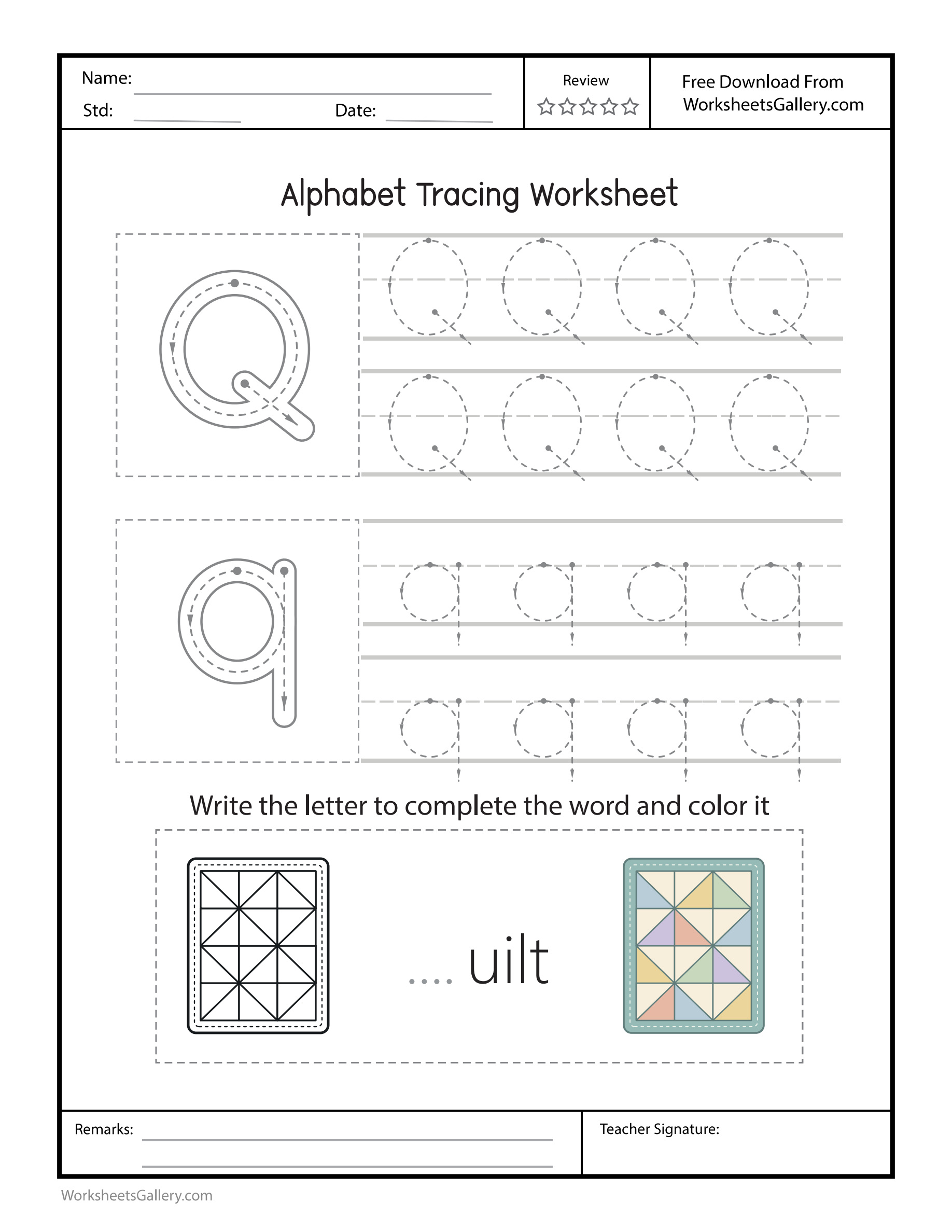
The Qq quilt activity belongs to the complete A–Z letter-pair collection. One $4 purchase supplies all 26 clean tracing pages in a single alphabetically ordered PDF, including this quilt tail tag lesson.
The quilt tag has already done part of the spelling work: its u is waiting on the page. The Qq Worksheet asks a child to supply q before those printed letters, not to squeeze a second u into the same gap. Capital Q adds a short tail to a rounded form, while lowercase q carries a longer continuation below its body. Those differences give learners aged three to six a clear reason to inspect both models. A pretend patchwork-tag workshop brings together careful looking, guided movement and one small written contribution to the word quilt.
Read what the Qq Worksheet already supplies
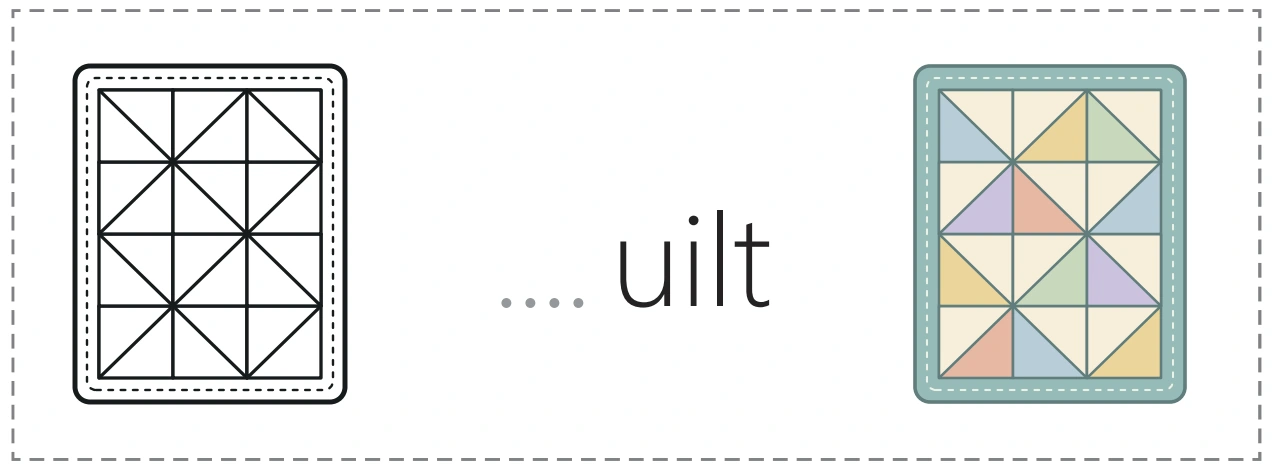
Name the quilt pictures on the Qq Worksheet and look at the unfinished word between them. The first q is absent, while uilt is already printed. Point to that existing u before choosing the missing initial. A learner can place or write one lowercase q, then hear an adult read quilt as a complete word. Independent spelling of the remaining letters is not part of the task.
The Qq Worksheet gives an opportunity to notice a specific written partnership. In quilt, q stands beside u at the beginning, and that qu spelling is heard together as /kw/. The picture-word job still asks for only q because u is present. Avoid teaching that the name Q and the whole beginning sound are the same spoken answer; state which one is being discussed.
The Qq Worksheet quilt illustration contains patches and triangles, but those shapes do not create extra letter spaces. Let them support vocabulary such as patch, edge and pattern while the written response stays focused on its missing beginning. Coloring the outline can use the child's own palette, with the colored partner serving as a recognition aid rather than a required design to duplicate.
Inspect the Qq Worksheet capital tail
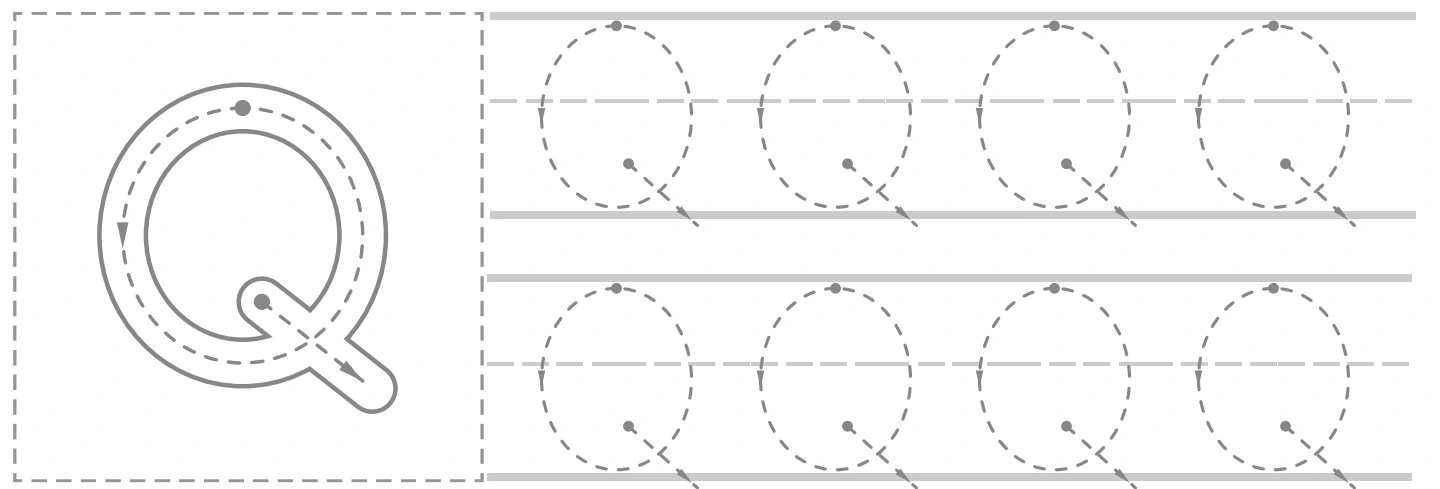
Capital Q on the Qq Worksheet includes a rounded body and a short lower tail. Locate the tail on the large source before tracing a small example. A learner who makes a closed oval has completed an important part of the form; the next comparison can concern the additional feature rather than treating the whole attempt as unusable.
Follow the Qq Worksheet printed direction cues and inspect where the tail belongs. Adding a random line elsewhere would not reproduce the source relationship. A broad spare-paper model can make that position easier to see. Compare one chosen feature at a time, leaving fine differences in the oval's width or smoothness for a later visit if they are not the current obstacle.
The small Qq Worksheet form has a longer continuation
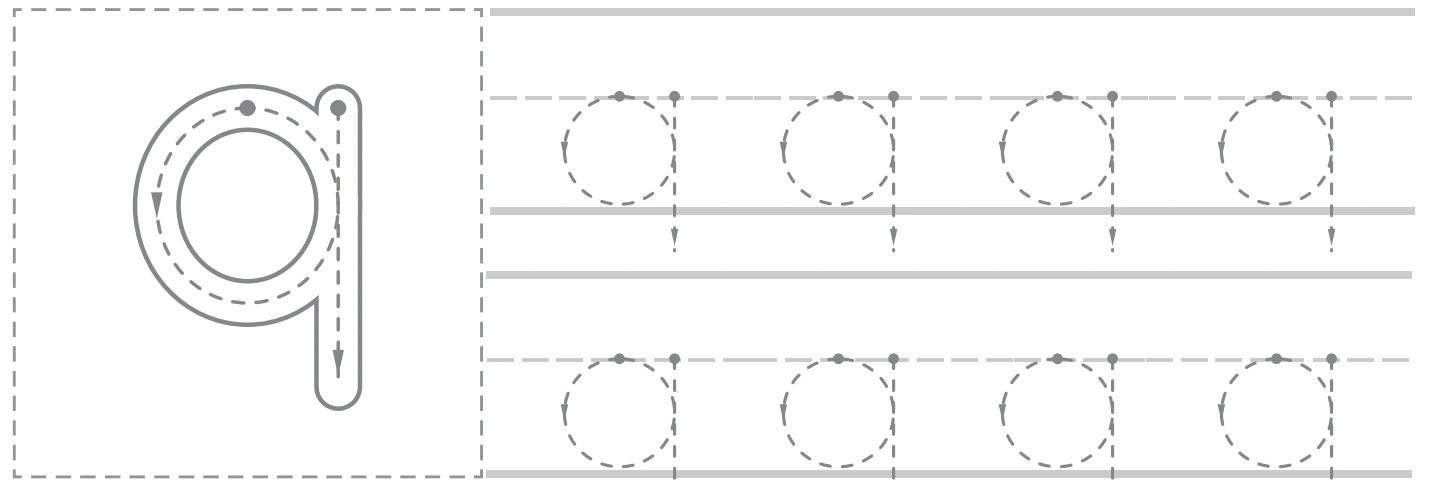
Lowercase q on the Qq Worksheet joins a rounded body with a long right-side continuation. Look at where that continuation travels below the writing line. It belongs to the letter and should not disappear just because the body is small. Rehearse the route with a finger before asking the learner to manage it at the size of the printed row.
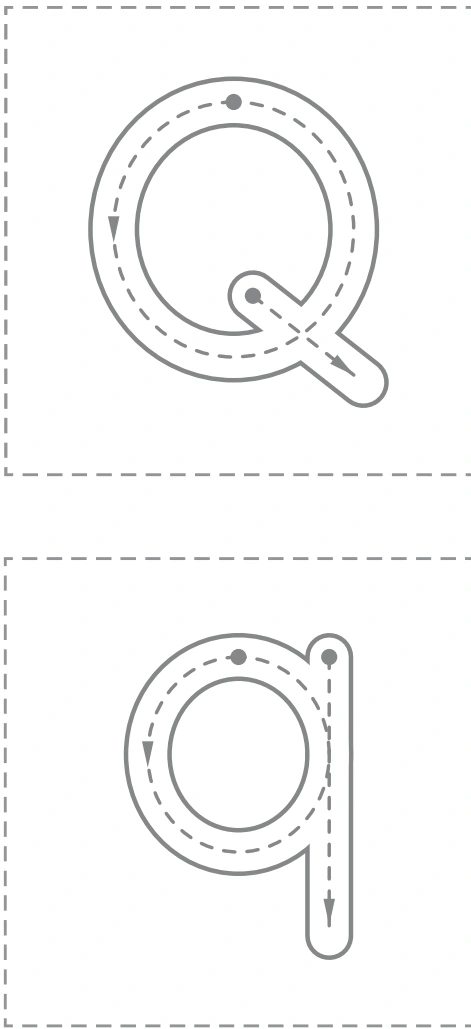
The two large Qq Worksheet guides show why the capital tail and lowercase continuation should not be treated as interchangeable finishing marks. They share a letter name while placing their lower features differently. A pointing comparison can reveal recognition before the hand is comfortable producing both forms. Keep the supplied font visible when another remembered version causes uncertainty.
Two rows per case give the Qq Worksheet sixteen small practice examples altogether. Choose a few according to the learner's attention. If a child consistently omits the lower continuation, inspect that feature on a large model rather than adding an entire new row without a different cue. A broad card, movable strip or later return may be more useful than immediately repeating the same small demand.
Amal prepares a Qq Worksheet patchwork tag
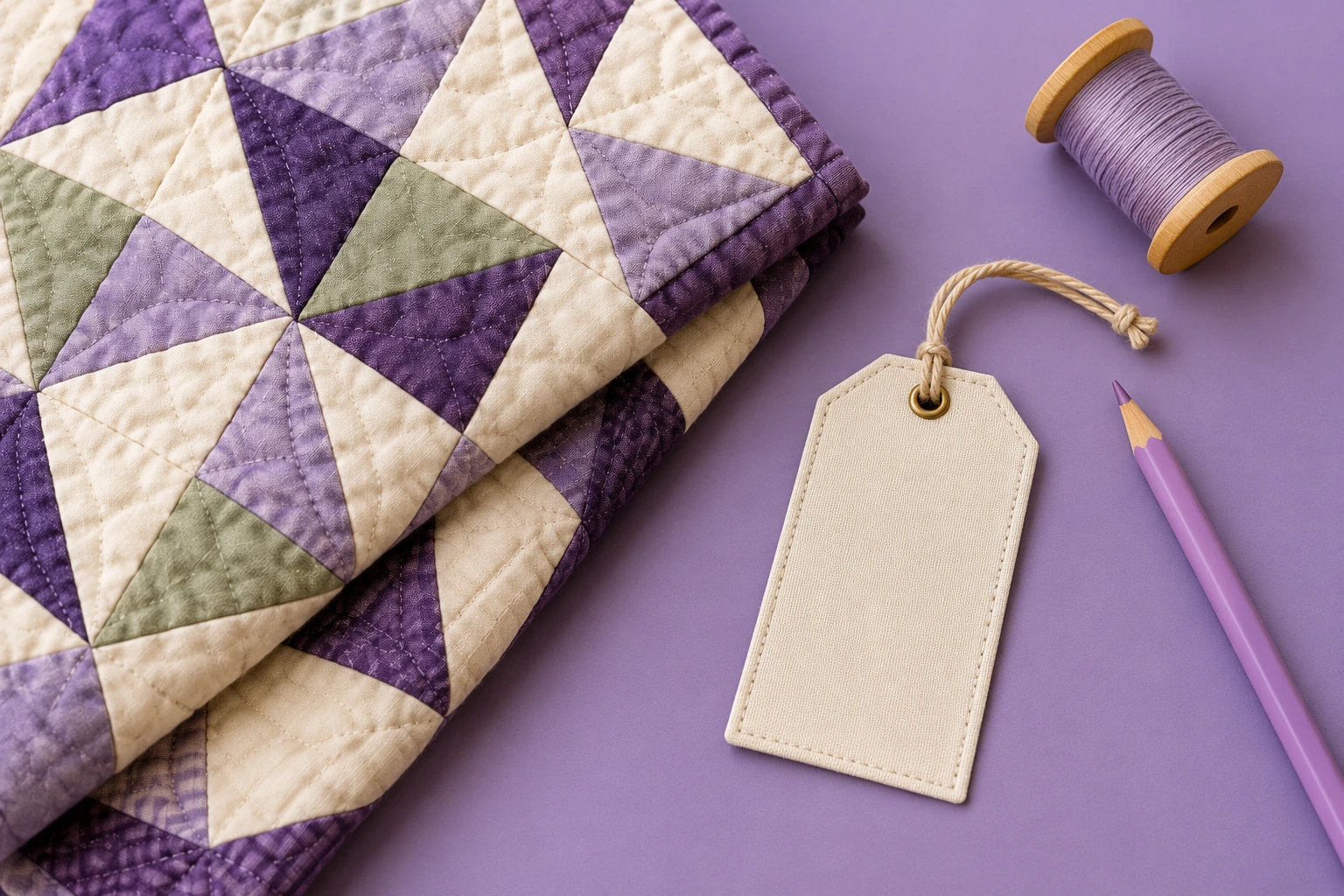
Amal and her grandmother place a folded quilt beside an unprinted tag for Qq Worksheet play. Her grandmother shows how the source word already contains u and the rest of the spelling. Amal points to the gap, chooses small q and tries its low continuation on a large card. Then they read the completed quilt label together and decide where the pretend tag should sit.
When Amal offers to add qu, the Qq Worksheet supplies a visible reason to pause. Her grandmother points to the u that is already doing its job and asks what remains missing. Amal chooses q alone. The conversation values her awareness of the letter partnership while bringing attention back to the actual information on this particular page.
For a home Qq Worksheet turn, a fabric scrap or paper quilt picture is enough context. Name the object, inspect the supplied spelling and choose one model route. A child may complete the initial through a card choice before writing it. Longer descriptions of the patchwork can be spoken or adult-recorded, keeping the learner's small writing responsibility clear and manageable.
Five Qq Worksheet observations for a tag-maker's notes
Qq Worksheet information changes the missing-letter job
The existing Qq Worksheet u matters when deciding what to add. Looking at what is already printed supports a more precise response than acting only on a remembered qu association. A child can show that reasoning by pointing, even before explaining it in a full sentence.
A Qq Worksheet tail changes a rounded form
The capital's small additional feature helps identify the intended letter. Locate it on the model and compare one attempt with it. The Qq Worksheet tail cue lets an adult focus on that missing feature while preserving the recognizable oval already made.
Qq Worksheet lower space belongs to the route
The small form continues below its rounded body on the right. A learner can inspect that relationship through a broad finger movement. The next Qq Worksheet support can address either remembering that route or managing its scale; those are different observations.
Qq Worksheet names and word sounds serve different purposes
Naming Q identifies the letter; reading quilt models a complete word whose initial spelling includes qu. Keeping those requests explicit helps a child understand what answer is wanted. The learner need not independently decode the remaining word to participate meaningfully in the initial task.
Qq Worksheet comparison can guide a specific revision
An omitted tail, missing low continuation or duplicated u calls for a different cue. Notice which feature actually needs another look. The next attempt can then test a clear idea rather than becoming one more repetition of an undiagnosed difficulty.
Six quilt-tag investigations after the Qq Worksheet
1. Add a Qq Worksheet capital's tail
Prepare a broad rounded form and a separate short strip on blank paper. A child checks the source and places the tail where it belongs in the supplied capital. Move it to another position and compare again. The experiment makes location visible and reversible before another small pencil example is requested.
2. Give the Qq Worksheet small form its low space
Use a large round paper body and a long strip to explore the lowercase model. Locate the right-side continuation and its lower area. The learner can move the parts while keeping the guide visible, then choose a broad drawing if interested. This construction supports a relationship without claiming that paper pieces are a substitute for every actual formation movement.
3. The Qq Worksheet u is already delivered
Write the incomplete quilt label on a loose card with u present. Offer a q card and a qu card as a discussion choice, reading the intended word aloud. Ask which contribution avoids repeating the printed u. Keep the example adult-supported, using the source as evidence rather than turning the choice into a surprise spelling quiz.
4. A patch pattern beside the Qq Worksheet
Let a child arrange colored paper patches on a separate quilt drawing and choose an optional q for its tag. The pattern can differ from the printed illustration. Read the word label alongside the artwork so the initial has a communication role. The patches are creative materials, not extra places where a learner must produce letters.
5. Name Q or read the Qq Worksheet word
Take turns explicitly asking for the letter name or an adult-supported reading of quilt. Show the relevant model or word before the response. The child may ask the adult to answer on another turn. Making the request visible helps separate identifying a letter from speaking the beginning of a word with a two-letter spelling pattern.
6. Two Qq Worksheet forms on a display tag
An adult prepares a capital Q heading on a loose card while the source label keeps its lowercase initial. Name and compare the partners before placing the cards beside the pretend quilt. This provides a context for both forms without requiring a beginner to independently read the whole display or learn a complete capitalization rule in one visit.
The Qq Worksheet workshop in a classroom
Partners can take turns locating the supplied u and inspecting a case model during Qq Worksheet work. One child may choose the capital tail while another practices a broad lowercase continuation. Record the feature being explored and the cue that helped. Different tasks can be equally useful even when they do not produce the same number of finished small examples.
| A detail needs checking | A visible reference |
|---|---|
| The capital remains a plain oval. | Find Q's short tail on the source. |
| The small form loses its lower part. | Follow q's right-side continuation. |
| A second u is added to the word. | The Qq Worksheet label already contains that letter. |
Keep Qq Worksheet feedback small enough to use. Check what is already present before adding more. Learners from three to six can participate through a point, movable pieces or an enlarged route before small handwriting is comfortable. If the hand becomes tense, leave the writing tool aside and continue through picture vocabulary or a later tag-making visit.
Return to the Qq Worksheet with a fresh patch design, a different tail comparison or the same tag read in a new pretend display. Notice one remembered feature and offer a choice about another attempt. The quilt can receive its label in a short, thoughtful turn. Regular use need not require copying every available model before the child can enjoy the picture task.
Choose a Qq Worksheet printable edition
The Qq Worksheet offers an unchanged original sample at no charge. Members with eligible active access can download the clean premium edition: page branding, the domain and watermark text have been removed, with no adverts embedded in the PDF. The $4 A–Z package combines 26 clean sheets into a single purchased collection; its link is available through this page’s related package card.
Inspect Qq Worksheet printing on portrait US Letter paper and keep the outer frame plus faint tracing routes visible on a test copy. Keep a blank tag nearby for a larger q. Companion options include basic routes for an easier pencil visit, more changes between line directions and a picture-related numeral label. For additional adult support, explore Reading Rockets' alphabet teaching resources and NAEYC's writing ideas for family routines.
Popular Worksheets
Printable resources families and teachers are downloading now.
 Free
 Free
 Free
 Free