
Oo Worksheet: 4 Brilliant Owl Loop Adventures
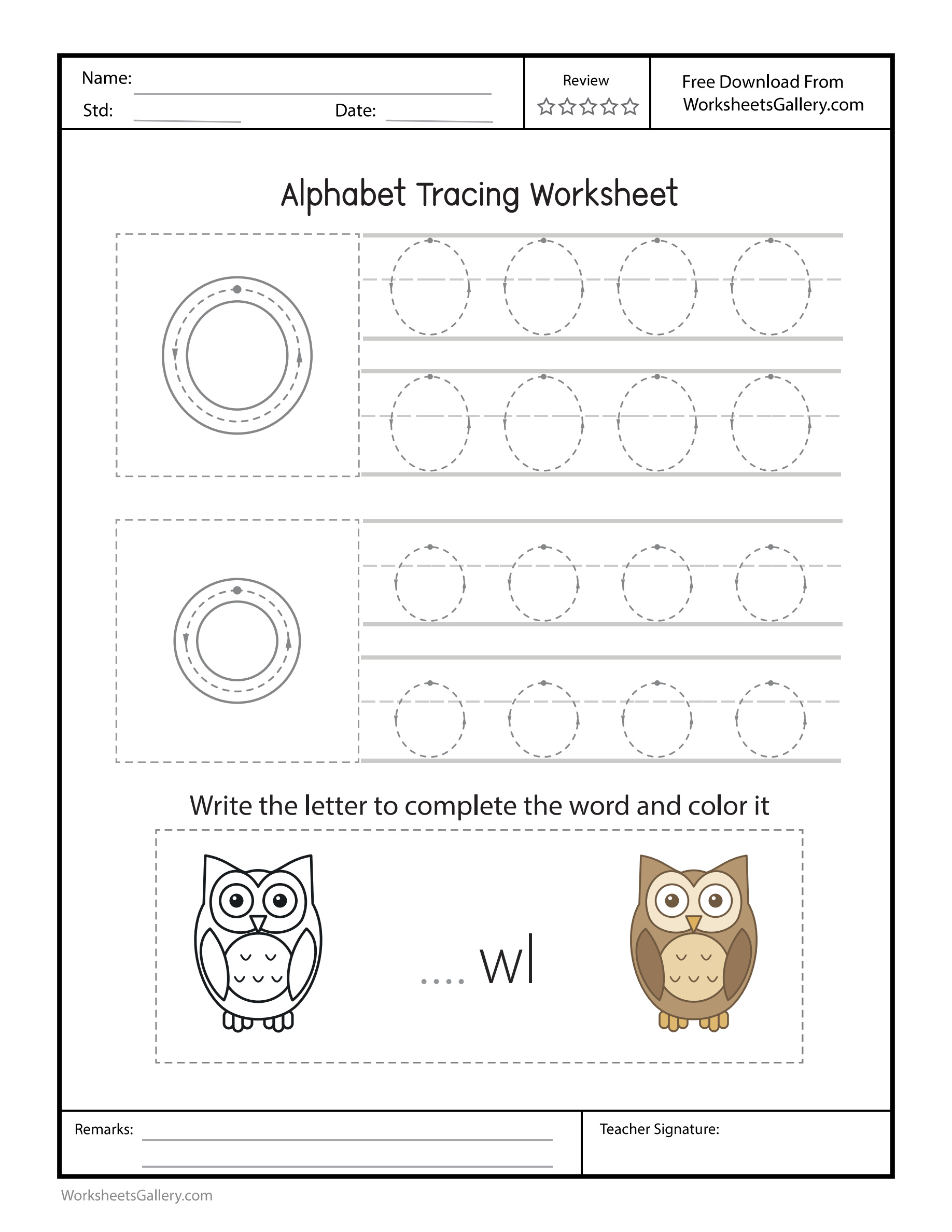
The Oo owl activity belongs to the complete A–Z letter-pair collection. One $4 purchase supplies all 26 clean tracing pages in a single alphabetically ordered PDF, including this owl closed loop watch lesson.
The owl label has room for one beginning, and its letter needs a closed loop rather than an extra tail. The Oo Worksheet brings that simple-looking shape into focus through capital O, lowercase o and a picture word awaiting its initial. Children compare the models, follow selected guides and connect their mark with owl. Learners aged three to six can begin with a finger route or a spoken observation before a pencil attempt. A pretend woodland lookout gives the loop a purpose, while an adult keeps the picture word's spelling and sound conversation accurate.
Read the Oo Worksheet word as owl
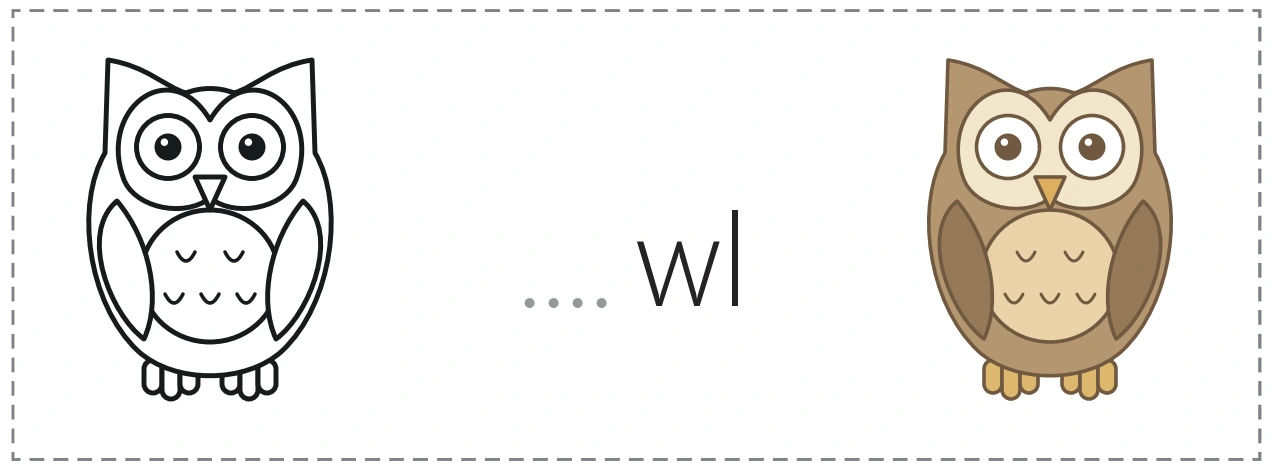
The Oo Worksheet already prints wl, leaving the first o for the learner to supply. Name the owl picture and read the whole word after its initial is added. The remaining letters do not need to become a separate reading assignment. An adult can support the complete label while a child focuses on producing or choosing the particular small letter the space requires.

Owl begins with the written letter o on the Oo Worksheet, but its vowel sound belongs to the ow pattern. It is not an ordinary short-o example. Keep letter identification and detailed sound teaching separate here: a learner can correctly find the first written o without being asked to pronounce owl as though it began with the vowel in a different short-o word.
The Oo Worksheet pictures can support vocabulary such as owl, wing, eye and feather. The two large eyes in the Oo Worksheet illustration are picture details, not two initials to write in the gap. A single lowercase o completes the intended beginning. The colored example helps identify the subject while leaving the outline available for the child's own coloring choices.
Compare the Oo Worksheet models without adding a tail
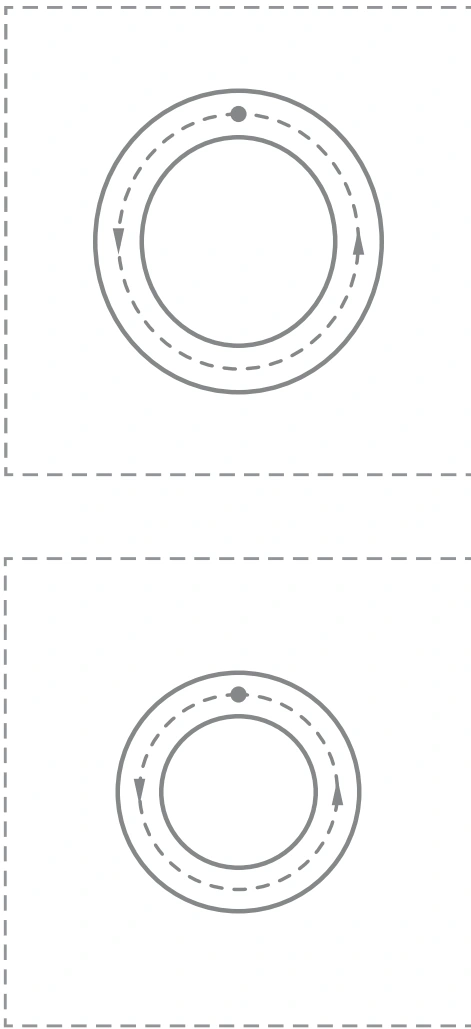
Capital and lowercase Oo Worksheet forms share a rounded closed shape, but they occupy different heights on the page. Point to each case after naming the pair, then compare the ruled spaces around them. The actual font supplies the reference. A child who has seen another O style can acknowledge that example while returning to these printed guides for the current movement task.
The Oo Worksheet loop should return to its intended joining area without growing an unnecessary finishing line. Follow the starting dot and arrows rather than drawing an arbitrary circle as fast as possible. A slightly uneven rounded shape can still show the intended letter; the initial comparison can focus on whether the loop closes and whether an unrelated extra stroke was added.
Capital Oo Worksheet space is taller
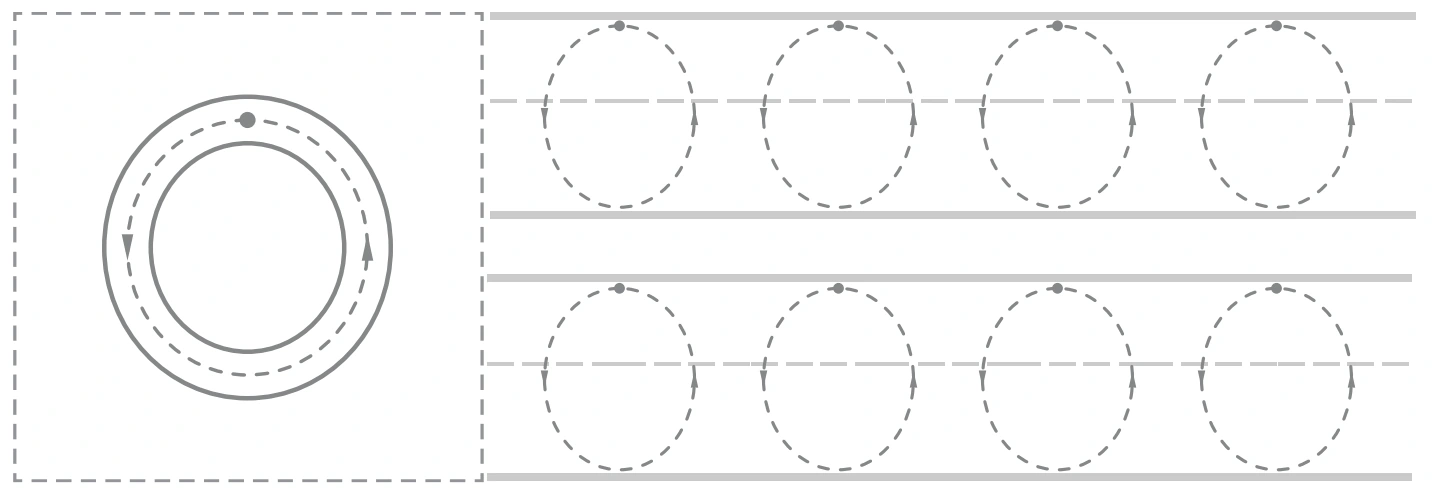
The Oo Worksheet upper rows contain eight small capital guides, four in each row. Rehearse the large route with a finger, then choose one small model to inspect. Look at its return to the joining place before deciding on another. A broad crayon version on spare paper may make the closing movement easier to discuss when the printed size feels demanding.
Capital O on the Oo Worksheet does not need a dot inside it or a line across its body. Those additions may come from another familiar symbol, but the model gives a clear comparison. Ask a learner to show which part differs rather than calling the whole result careless. One visible feature can guide a useful revision without requiring every uneven edge to be corrected.
The small Oo Worksheet loop follows its own line space
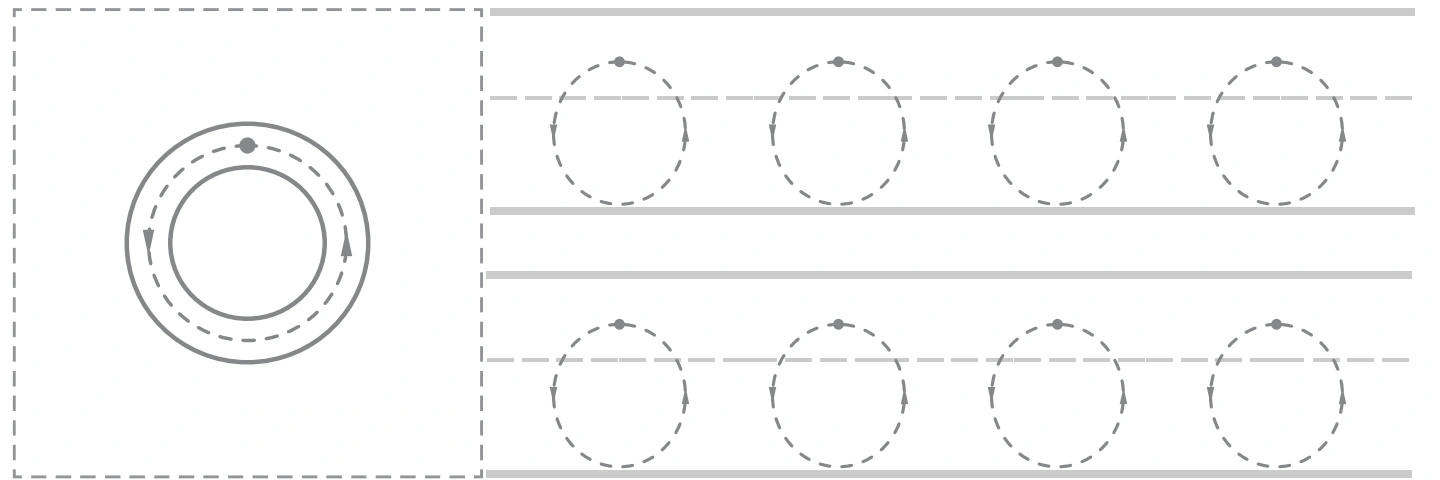
Lowercase o on the Oo Worksheet uses a smaller ruled area. Compare that height with the capital, keeping their shared identity visible. A child may recognize both immediately while still needing support to control their different sizes. Recognition can be shown through pointing or selecting a case model, leaving the finer movement task for a separate short turn.
Two lower rows provide eight more Oo Worksheet examples. A learner can stop after one deliberate closure and return later to another. If the pencil circles around repeatedly, pause and locate the source ending together. The point is a completed loop with an intentional finish, not a dark oval created by repeatedly going over the same area until the paper is worn.
Zara keeps an Oo Worksheet lookout card
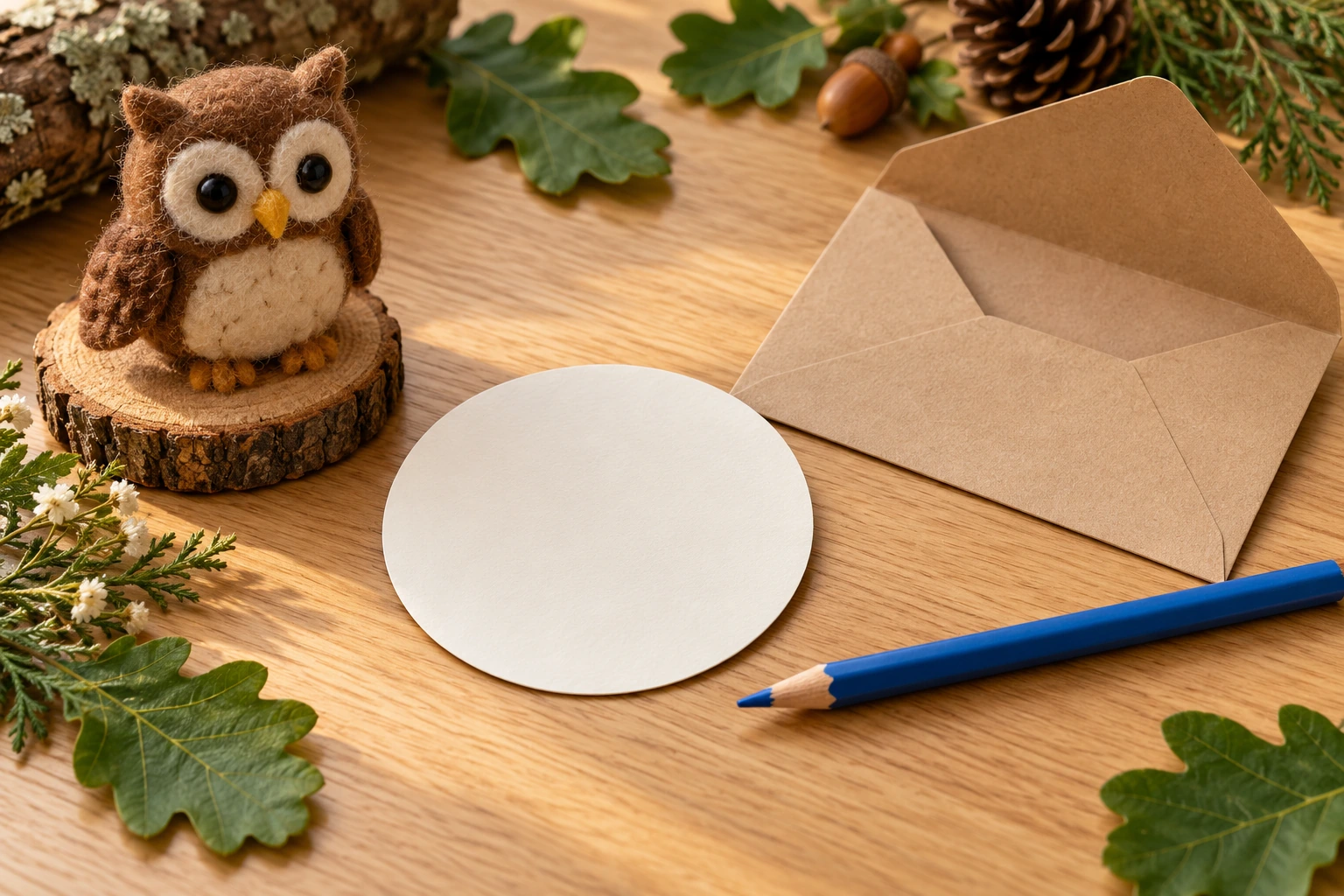
Zara and her aunt place a small felt owl beside a blank observation card for Oo Worksheet play. The card will name their pretend woodland lookout. Zara points to the unfinished picture word and chooses the small model to help with its beginning. Her aunt reads owl naturally while Zara makes a broad closed loop on another card before trying the smaller initial space.
When Zara leaves the loop open, the Oo Worksheet gives them a visible joining place to find. Her aunt asks where the route returns, then lets Zara show it with a finger. They compare a fresh loose-paper attempt rather than repeatedly tracing over an unsatisfying small mark. The observation is about closure, not whether the loop has a perfectly even outline.
At home, Oo Worksheet exploration can begin with that one card and a picture conversation. A longer lookout story may be spoken or dictated to an adult. The learner can contribute an o without independently spelling a whole report. A child may also choose coloring after one model comparison, giving the session a manageable end while interest remains with the owl theme.
Five Oo Worksheet details worth watching
Oo Worksheet closure is an observable event
The route returns toward its starting area to make a closed form. A learner can show where that happens before producing it consistently with a fine point. That explanation helps an adult decide whether the next support concerns the idea of closure or the physical size of the attempt.
Oo Worksheet cases share shape but change height
The two models make a useful comparison without pretending that every capital-small partnership behaves the same way. Identify the pair, then inspect its actual ruled spaces. A correct match can remain a meaningful success while the hand is learning to adjust the size of a rounded route.
An Oo Worksheet ending can prevent extra circling
Stopping after the intended loop is part of the movement plan. Notice a deliberate finish rather than encouraging a child to darken the same shape repeatedly. The page offers several models if another attempt is useful, so one route need not be overwritten again and again.
Oo Worksheet picture words need spelling honesty
Owl supplies a written initial o without serving as a simple short-o sound example. Keeping that distinction clear respects what a learner hears. The picture can support naming and letter recognition while an adult carries the more detailed explanation of the complete word.
Oo Worksheet writing can name a pretend destination
The small initial finishes a lookout label that an adult reads aloud. A beginning writer therefore contributes to a meaningful message without being expected to record every word independently. Spoken storytelling and an optional dictated report can extend the same destination at a suitable level.
Four loop-watch games after the Oo Worksheet
1. An open or closed Oo Worksheet-style path
An adult draws two broad rounded routes beside the Oo Worksheet, leaving one unfinished. A child compares them with the small source guide and explains which has the needed closure. Use a finger to show the missing joining area, then inspect another completed example. The decision should depend on the actual path, not an assumption that every adult drawing needs repair.
2. Follow an Oo Worksheet route with a loose cord
Arrange a broad cord loop on a table and compare its meeting place with the large guide. The learner can bring the ends closer or move them apart while describing what changes. Keep the cord experiment separate from the printed answer. Its reversible shape offers another way to inspect closure before a pencil makes a small permanent mark.
3. Find the Oo Worksheet initial in an adult-read label
Write owl on a loose lookout card and read it naturally while pointing across the whole word. Ask a child to show its beginning o and compare that form with the small model. This is a letter-location task within an adult-read message, not evidence that the learner independently decoded owl from its picture or first character.
4. A pretend Oo Worksheet woodland report
Invite a child to describe or draw an imagined lookout scene beside the toy owl. Add an optional o near an adult-read owl label, or let an adult record a dictated observation. Make clear when the scene is pretend. The letter gains a communication role while the child can use imagination without being tested on bird facts or independent sentence writing.
An Oo Worksheet loop-watch station in class
Partners can alternate between locating a joining place and making a broad or small route during Oo Worksheet work. A model-finder describes what is visible, then the writer decides whether to try another example. An adult notes whether closure, size or stopping needed support. That information is more useful for a later visit than simply recording how many oval shapes were produced.
| A route to inspect | What the guide shows |
|---|---|
| The loop remains open. | The path returns to make a closed letter. |
| An extra tail or inner mark is added. | The supplied O and o keep their simple rounded forms. |
| The small form uses the full capital height. | The Oo Worksheet lower guide has its own smaller space. |
Oo Worksheet feedback can focus on a single changed feature. A clear closure and a deliberate stop are enough to discuss. Children aged three to six may use a large card, a finger route or an adult-held page before a small pencil model is comfortable. Offer that support and pause when repeated movement is becoming tense rather than more thoughtful.
A later Oo Worksheet visit can reopen the lookout card with a new picture description or begin with a cord loop. Choose a short job and notice what the learner remembered. The woodland watch can continue in another small visit. Regular Oo Worksheet visits can begin with what interested the learner last time. A child who remembers closing a loop might next compare its height, while another may prefer the initial label.
Print a readable Oo Worksheet copy
The Oo Worksheet original sample is the free option. Eligible active membership gives access to its separate clean premium PDF, with the printed website identity, watermark text and domain branding removed; it contains no embedded advertisements. The related alphabet package is priced at $4 and provides one purchased PDF holding the complete 26-page clean collection, alongside the individual download option.
Review Oo Worksheet output on portrait US Letter paper before preparing more copies. Keep its border and pale loop paths visible on the test sheet. Additional practice may include early routes with careful stopping points, more varied pencil-direction work and a number label connected to pictures. Adult resources include Reading Rockets' information about letter knowledge and PBS KIDS for Parents' playful reading resources.
Popular Worksheets
Printable resources families and teachers are downloading now.
 Free
 Free
 Free
 Free