
Vv Worksheet: 5 Wonderful Vase Point Missions
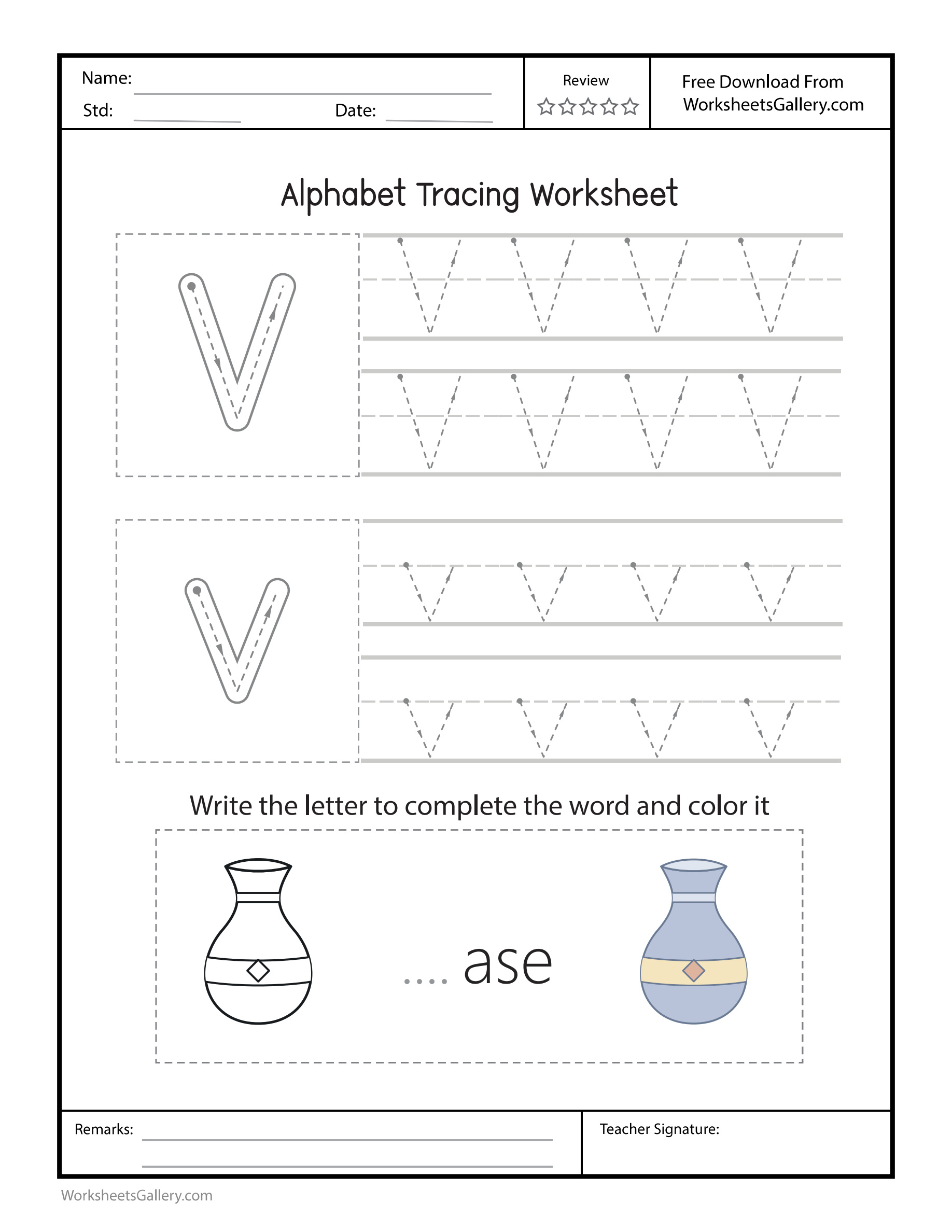
The Vv vase activity belongs to the complete A–Z letter-pair collection. One $4 purchase supplies all 26 clean tracing pages in a single alphabetically ordered PDF, including this vase point label lesson.
A vase label gives two sloping strokes somewhere to meet. The Vv Worksheet places that pointed meeting beside a picture word with its beginning missing. Suri and her father can study the large guides, choose a small tracing form and contribute v to their pretend flower display. Both cases share a recognizable shape, yet their heights need separate attention. A broad card leaves room to inspect the low point before trying a narrow writing space. The activity can finish with a useful initial, a spoken explanation or a chosen bit of coloring.
A Vv Worksheet label for the vase display
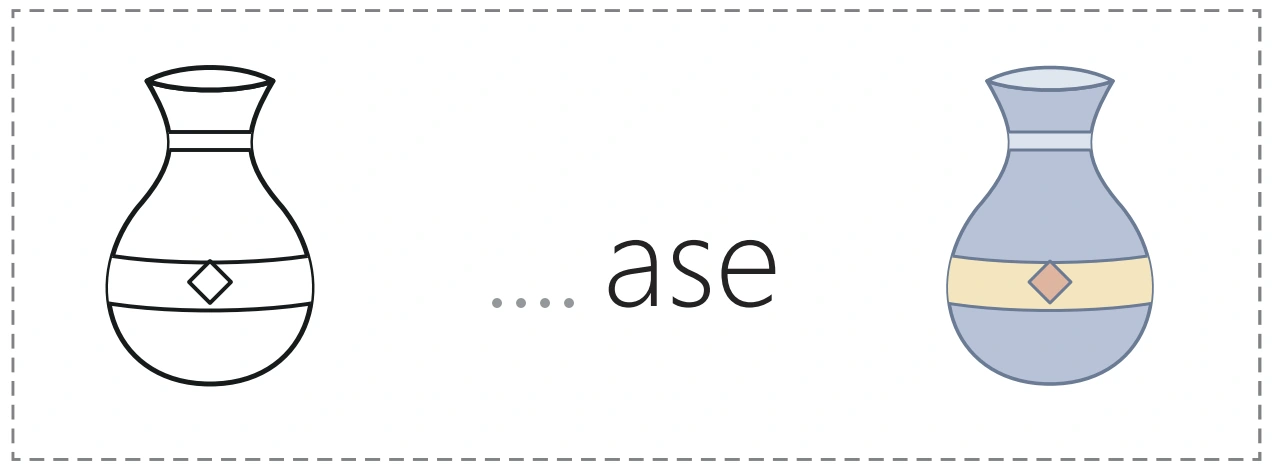
The Vv Worksheet picture pair shows an outline vase and a colored partner. Find the missing initial before the already written ase. Supplying lowercase v completes that label. Read vase aloud with the child afterward, making clear how the small contribution identifies the pictured object. The adult can provide the complete reading while the beginner handles only the intended single-letter writing task.
Vase can be pronounced with different vowel sounds in different English varieties. Its initial /v/ still supplies the Vv Worksheet listening connection. Say the word naturally in the family's pronunciation, then distinguish the spoken beginning from naming the letter V. There is no need to replace a familiar home pronunciation to explore this written initial accurately.
Let the Vv Worksheet vase outline hold any imagined decoration the learner chooses. Coloring is a companion activity, not a requirement to copy the colored reference exactly. A learner who has carefully located the initial might choose picture work next. Keeping the writing space recognizable preserves the label's purpose while allowing the art to become personal.
Locate the Vv Worksheet point and rising side
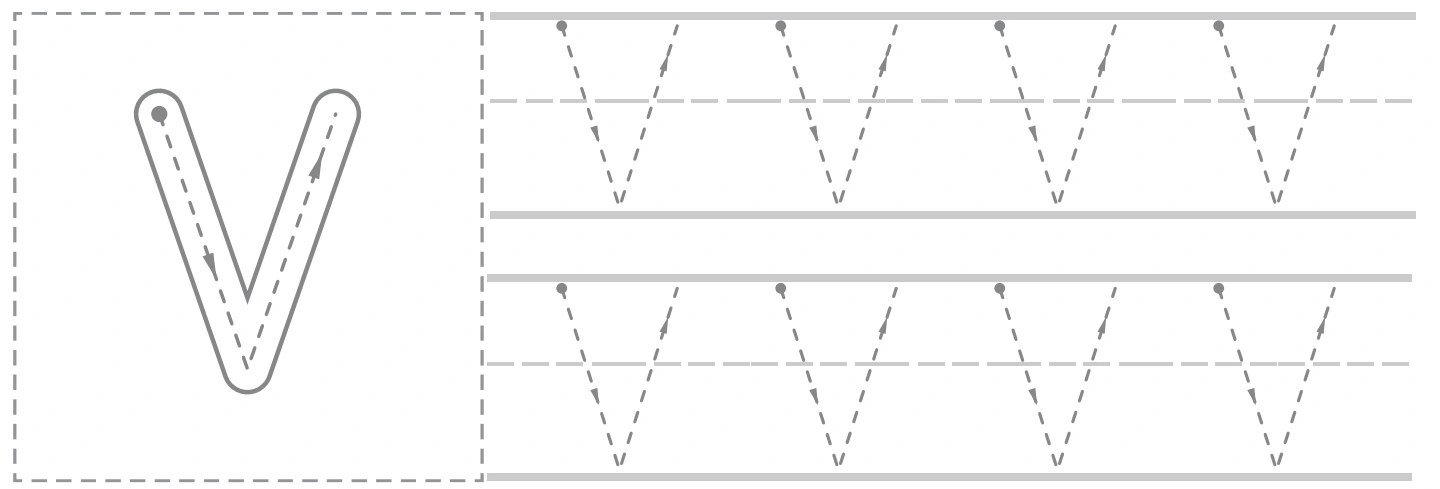
Capital V on the Vv Worksheet joins two diagonal sides at a low point. Inspect the source's starting dot and direction arrows before making a broad finger route. The change at the bottom is pointed rather than rounded. An adult can gesture to that exact location, giving the learner a concrete feature to inspect instead of asking generally for straighter or tidier work.
Eight small capital guides appear across the Vv Worksheet upper rows. Choose one and compare its meeting point with the large model. If a curve develops at the base, take a fresh broad card and explore where the descending route turns upward. There is room to inspect an attempt without filling every remaining guide or repeatedly darkening the same uncertain vertex.
Two Vv Worksheet cases share a plan at different heights
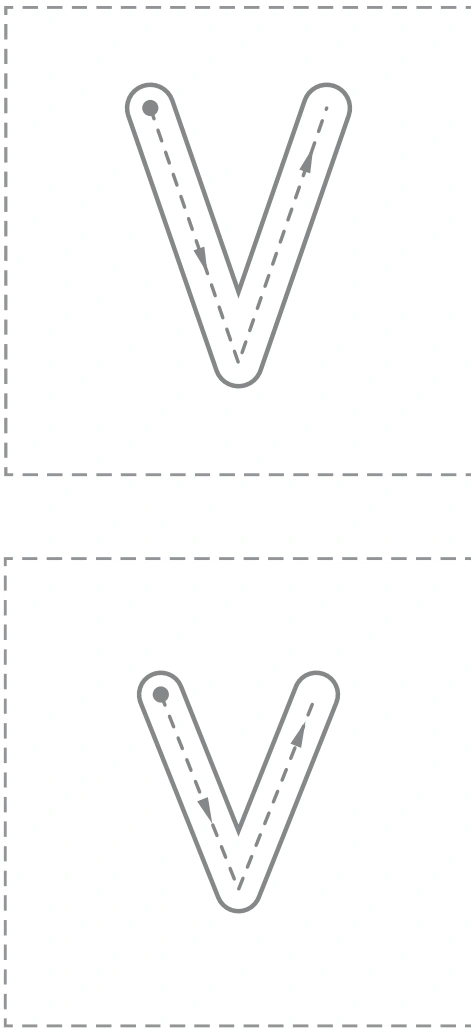
The large V and v guides on the Vv Worksheet make their family resemblance visible. Their shared plan does not mean the child must immediately control both sizes equally. Match the cases first, then point to their writing spaces. A successful identification can be acknowledged separately from a small tracing attempt that still needs more room for its diagonals.
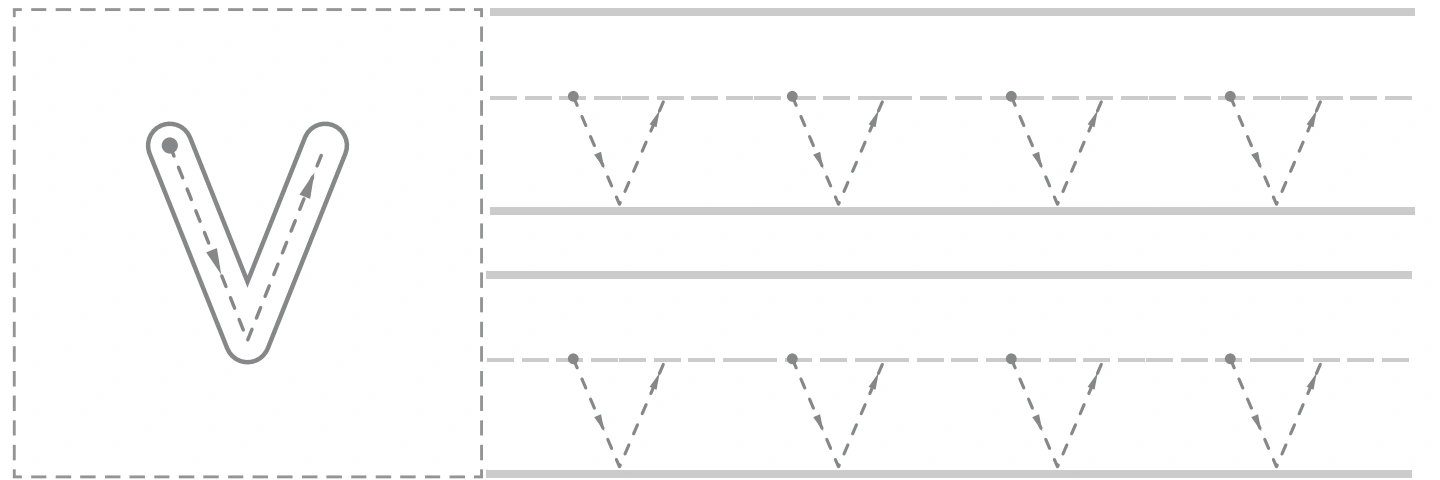
The lower Vv Worksheet rows provide eight little v forms. Examine their height and the place where the two slopes meet. If the small form fills the taller capital space, compare it with its own large lowercase guide. The useful cue concerns the available ruled area, not an assumption that the learner has forgotten which letter the form represents.
A broad Vv Worksheet rehearsal can use a finger or pencil on blank paper with the model still visible. Describe one downward slope, its low meeting and the upward return in language the learner understands. Preserve the source direction rather than inventing a conflicting stroke sequence. One clear route can be revisited later if a narrow form feels demanding today.
Suri gives the Vv Worksheet a flower-shop purpose
Suri puts a pretend vase beside a blank display tag. Her father reads the Vv Worksheet label and asks which part Suri wants to contribute. She chooses a broad v before trying the small missing initial. He records her longer description of the imagined display on a separate note, allowing her single letter to remain a visible part of their shared writing.
At home, Vv Worksheet play can begin with a drawn vase instead of fragile glass. Suri can decide what flowers it might hold and where its paper label belongs. The adult reads complete Vv Worksheet labels and leaves one manageable beginning for her to add. The story offers a reason to communicate even when only one small mark is written independently.
If Suri rounds the bottom, her father places the Vv Worksheet beside a fresh wide card. They compare the source point with the curve and let her describe the difference. Another written attempt is optional. She may explain the planned corner with a gesture and move to coloring, carrying a useful observation into the next short visit.
Six Vv Worksheet skills visible in a label task
The Vv Worksheet separates corners from curves
The low vertex provides a specific place to examine. A learner can distinguish a point from a rounded bottom through gesture before the pencil consistently makes one. That observation clarifies the movement being practiced instead of reducing feedback to a judgment about overall appearance.
Vv Worksheet matching links the two cases
Capital V and lowercase v use related diagonal plans. Match them while their models remain visible, then discuss the difference in height. Knowledge of the partners and control of their physical size can be observed independently during the same brief activity.
A Vv Worksheet label supports meaningful writing
The missing v completes an adult-read vase word. A beginner contributes a recognizable part of a message without writing every letter. Reading the result back shows what the mark does and connects the tracing route with an object outside the practice rows.
Vv Worksheet talk can describe a junction
Down, point and rise can accompany a finger following the model. Choose words that match the visible route and the child's understanding. A gesture can carry the explanation when a long spoken description would distract from coordinating the intended movement.
Vv Worksheet picture work leaves room for choice
An outline invites a personal color or pattern after a selected writing task. The learner can stay involved with the subject while changing the hand's activity. Artwork remains a separate choice, so a carefully noticed letter feature does not depend on copying a display perfectly.
Vv Worksheet returns can compare one remembered point
Save a large attempt and note the cue that helped its meeting place become clearer. On a later visit, compare that feature with the guide. A specific remembered decision gives regular practice direction without treating every finished row as the same kind of achievement.
Five vase-label games extending the Vv Worksheet
1. Build a Vv Worksheet point from two strips
Place two broad paper strips into a V beside the capital guide. Let the learner adjust their meeting and show why the bottom is pointed. An adult can move one strip away and invite a repair. The reversible pieces make the junction easy to inspect before a pencil needs to coordinate the entire route at a smaller scale.
2. Vv Worksheet tags at two heights
Prepare an adult-written V tag and v tag, then ask the child to choose a named case. Compare their shared point and different heights. Move the tags between turns so the answer follows the letter rather than a remembered table position. The child can point instead of writing when the current aim is recognition.
3. A Vv Worksheet message for an imagined vase
Let a learner draw a vase and dictate a short description for an adult to record. Invite an optional small v beside a correctly written label. Read the longer message back and identify the child's contribution. The activity values the idea and its written beginning without expecting independent spelling of unfamiliar flower names or complete sentences.
4. Vv Worksheet listening at the display desk
Say vase and van with adult support, listening to their shared initial /v/. Add a spoken word with a different beginning, such as sun, and invite a pointing response. Use the family's ordinary vase pronunciation. The listening purpose concerns the initial, so its vowel variation need not become a correction or an obstacle to participation.
5. Review a Vv Worksheet point with a partner
One person follows a broad finger route while the other observes where the slopes meet. Swap roles and use the source to support a specific comment. A new small tracing attempt is optional afterward. The shared inspection allows the learner to explain a clear plan even if fine control still makes the narrow printed version less distinct.
Organize a Vv Worksheet display station in class
Children approximately three to six can take different jobs around a pretend vase display. One names a case, another locates its point and another contributes an initial to a picture label. Rotate the Vv Worksheet observing and making roles. The Vv Worksheet can support a gesture, spoken explanation or selected trace without turning equal row completion into the requirement for joining the group.
| A feature on the new tag | A helpful comparison |
|---|---|
| The base turns into a round bowl. | Locate the Vv Worksheet pointed meeting. |
| The two sides never join. | Inspect the source vertex on a wide card. |
| Small v takes the full capital height. | Compare the lower model's ruled space. |
Comment on the meeting place that became clearer. Vv Worksheet feedback can name a specific diagonal or height choice. If a child tightens their grip or becomes discouraged, move to a larger card, a finger route or picture conversation. One understood point gives another visit a useful beginning. A longer session is unnecessary when the current decision has already been explored thoughtfully.
For recurring Vv Worksheet use, record a brief adult observation beside a saved broad attempt. Notice whether the learner remembers the point, the case or the label's initial on the next day. Let that evidence shape the next selected task. A short, purposeful return can remain inviting while repetition without a clear goal becomes less useful.
Get the Vv Worksheet edition for your next label
The original Vv Worksheet is available as a free download. Eligible active membership unlocks its separate clean premium file, removing the worksheet's website name, domain markings and watermark branding; the PDF pages contain no embedded advertisements. The related $4 alphabet bundle brings all 26 clean sheets together in a single purchased PDF for families or classrooms choosing a longer sequence.
Print the Vv Worksheet in portrait on US Letter paper, and inspect its border and faint tracing routes before confirming the print. Other starting points include simple paths for controlled early pencil movements, a varied direction-change tracing selection and five as a traceable pictured number. For adult support, visit NAEYC's family-focused writing suggestions or PBS KIDS for Parents on playful literacy. A vase label can carry a small writer's well-observed point.
Popular Worksheets
Printable resources families and teachers are downloading now.
 Free
 Free
 Free
 Free