
Alphabet Tracing Bundle: 26 Brilliant Letter Journeys
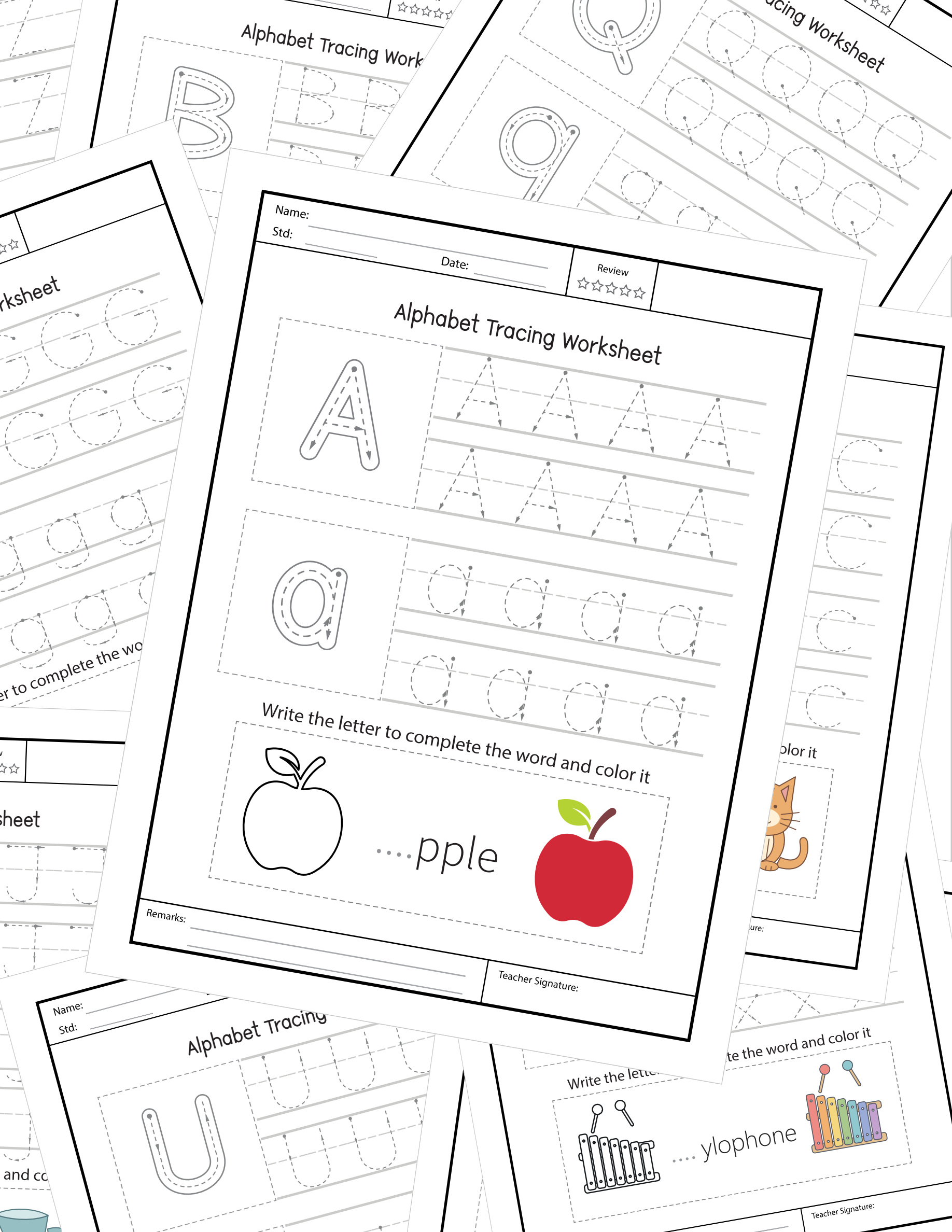
An alphabet can be explored like a collection of places rather than a queue of tests. The Alphabet Tracing Bundle gathers twenty-six letter-pair worksheets into one printable PDF, giving each uppercase and lowercase partnership its own destination. Children follow formation guides, supply a missing initial and color a familiar picture before choosing another visit. For families and early-years classrooms working with ages three to six, the collection offers a practical way to connect seeing, saying and writing. The complete clean edition costs $4, with pages arranged from A through Z.
Unfold the Alphabet Tracing Bundle map
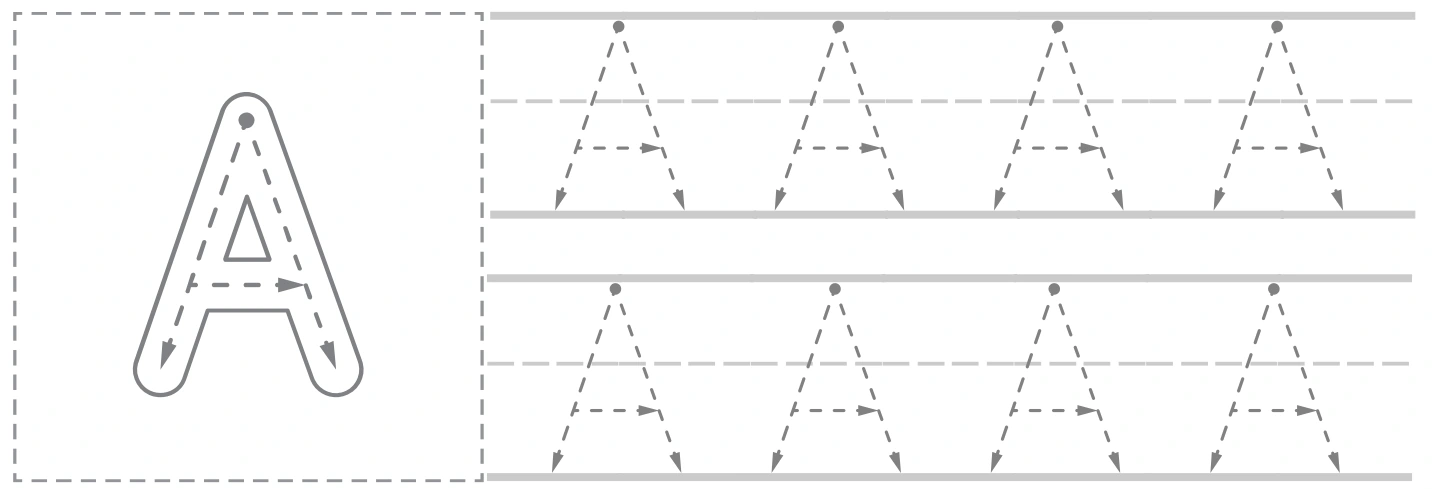
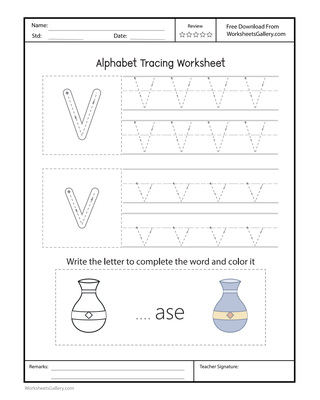
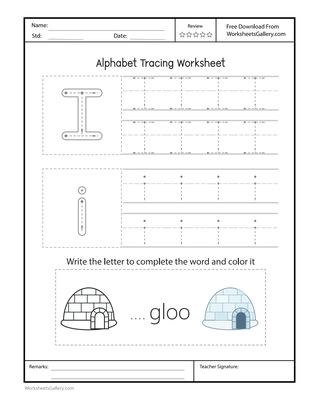
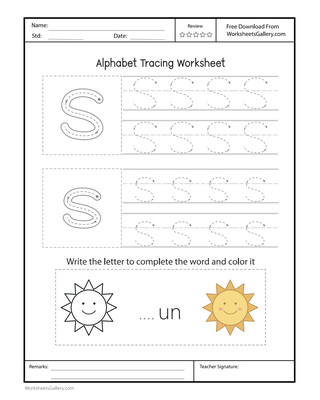
Each Alphabet Tracing Bundle page has a large capital model, a large small-letter model and four shorter practice rows. Two rows belong to each case, with four small tracing examples per row. Those sixteen examples are available choices, not a demand for sixteen perfect performances. The bottom activity provides a picture word whose first written letter has been left out.
The Alphabet Tracing Bundle begins with apple and ends with zebra. Between them are ball, cat, dog, elephant, frog, grapes, house, igloo, jug, key, lion, moon, nest, owl, penguin, quilt, rabbit, sun, tree, umbrella, vase, whale, xylophone and yo-yo. An outline picture invites coloring while its colored partner supports recognition. The Alphabet Tracing Bundle has twenty-six separate worksheets, not twenty-six copies of the same letter task.
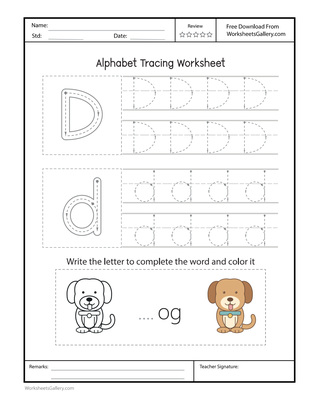
Use the Alphabet Tracing Bundle collage as a glimpse of the actual materials. A complete Aa page appears in front of angled companion sheets, while the Alphabet Tracing Bundle download contains every letter in alphabetical order. The preview is a paper arrangement, so rear pages overlap intentionally. Individual worksheet pages retain their own complete source-sheet JPG previews, making the small activities easier to inspect before a lesson.
Choose an Alphabet Tracing Bundle route for a reason
At a kitchen table, a child may choose the moon page because tonight's window view is interesting. Another family might begin the Alphabet Tracing Bundle with the first letter of a familiar name. Both routes are sensible. Alphabetical file order makes a page easy to find; it does not prescribe a compulsory teaching order or imply that every child should master A before seeing M.
A simple home Alphabet Tracing Bundle visit can begin with a picture conversation. Name what is shown, locate its written initial, follow a large guide with a finger and try one short pencil row. Finish by supplying the missing letter if the child is ready. Keep a second sheet nearby for larger marks, especially when the printed writing space feels small for a developing hand.
In a classroom Alphabet Tracing Bundle station, place two selected pages beside a small route card. A learner chooses a destination, explains a visible feature and completes a manageable part. A partner can listen for the letter name or point out its lowercase companion. The teacher records the support that was useful, such as finding a starting dot, instead of ranking children by how many pages they finished.
Alphabet Tracing Bundle partners can take different paths
Some Alphabet Tracing Bundle partners resemble one another closely, including Cc, Oo and Ss. Others, such as Aa, Ee and Rr, ask the eye to recognize quite different shapes as versions of one letter. Let children point out what stays recognizable before expecting them to explain every difference. Both forms can share a name even when one shape cannot be made by simply shrinking the other.
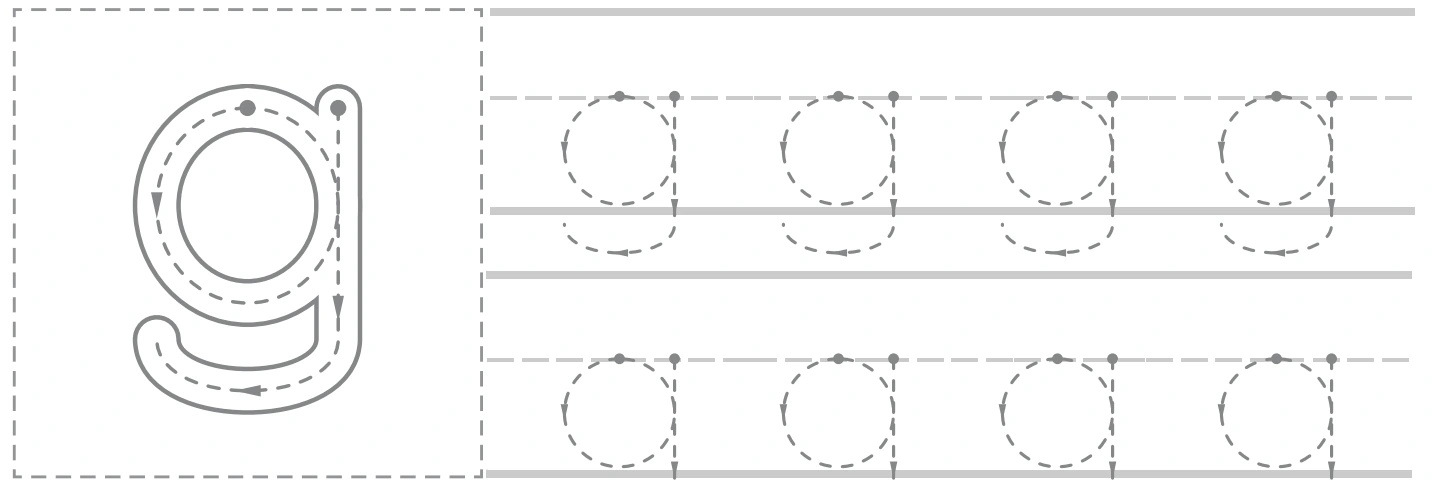
The Alphabet Tracing Bundle supplies a single-storey lowercase g. Its round portion and descending continuation should be compared with the actual model, rather than with a different g style remembered from another book. Printed fonts vary. An adult can acknowledge that another form belongs to the same letter without replacing the formation path that this Alphabet Tracing Bundle worksheet asks a child to follow.
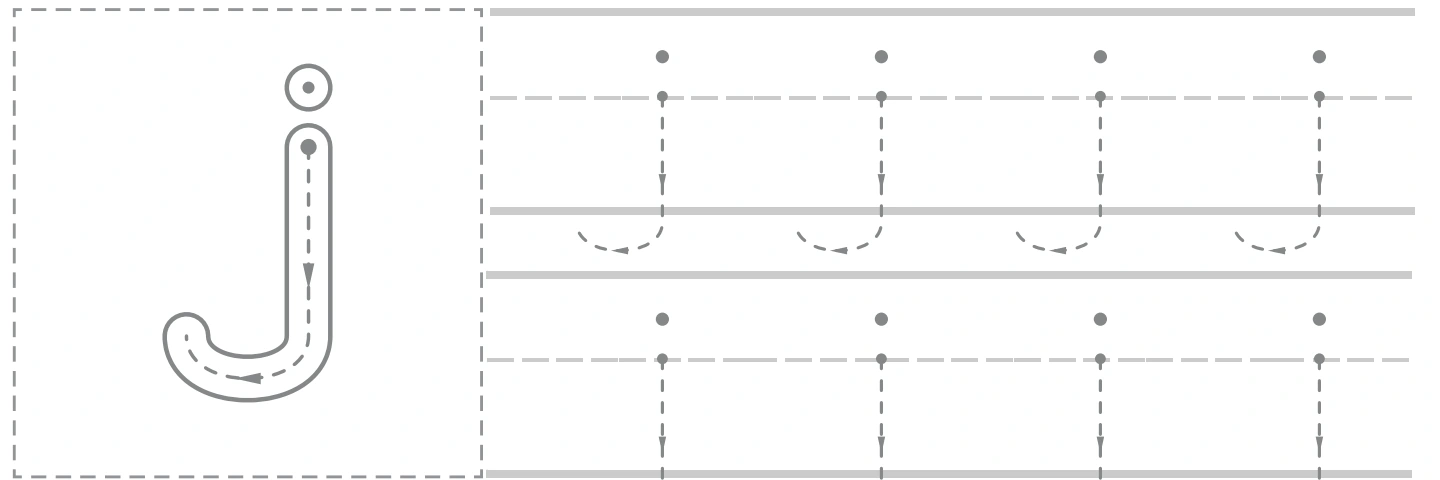
Notice the Alphabet Tracing Bundle j dot as a separate mark above a descending stroke. A missing dot may signal that attention stayed with the hook, not that the child failed to recognize the letter. Look at where the writer paused. Choosing one feature to revisit is more useful than demanding that a whole row be erased and restarted after a small omission.
| Letter feature | Useful observation |
|---|---|
| G and g | The grape guide uses a single-storey lowercase shape. |
| J and j | The jug guide preserves a separate dot and a low continuation. |
| Q and q | The quilt word already supplies the following u. |
Keep Alphabet Tracing Bundle sound conversations honest
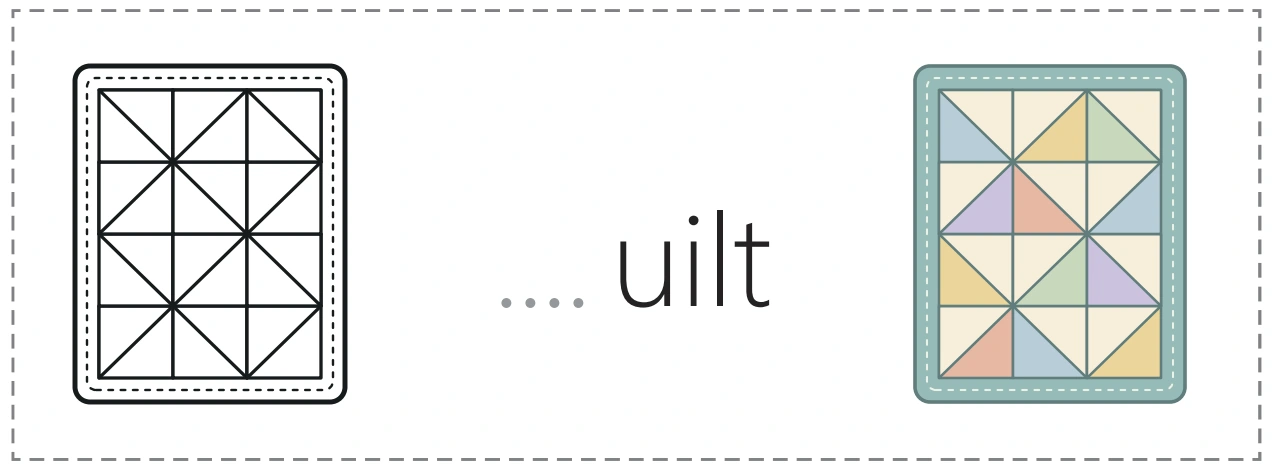
The Alphabet Tracing Bundle quilt page leaves q missing while the following u is already printed. Supplying both letters would duplicate the u. Read the completed word together and explain that q and u work beside one another here. The aim is a meaningful initial-letter completion, not a test of independent spelling or a claim that the entire word can be sounded out from a single character.
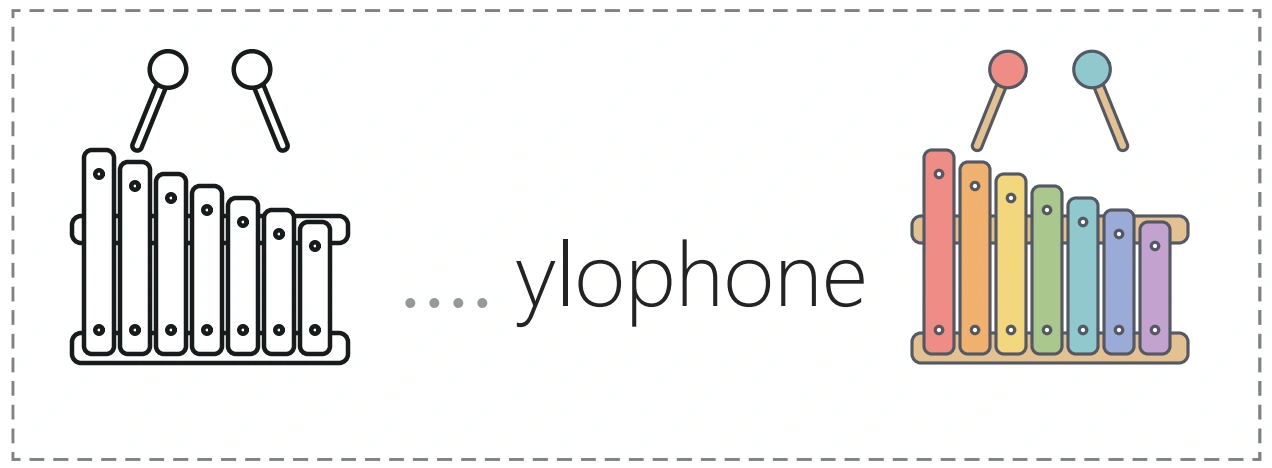
Xylophone needs special care in the Alphabet Tracing Bundle. Its written first letter is x, but its beginning sound is /z/. The familiar /ks/ associated with x can be heard at the end of box. Keep those examples separate. A child who notices that xylophone does not begin with /ks/ has heard something useful; reward the observation instead of forcing a misleading pronunciation.
Owl is another Alphabet Tracing Bundle word to discuss through its actual spelling. The beginning written letter is o, while the vowel sound comes from the ow pattern; it is not the usual short-o example. Likewise, whale contains initial wh, and tree begins with a consonant cluster. Picture naming, written-letter identification and detailed phonics are related activities, but the Alphabet Tracing Bundle does not make them interchangeable.
Seven Alphabet Tracing Bundle observations for adults
Alphabet Tracing Bundle comparisons give a learner a concrete reason to connect an uppercase model with its lowercase partner. Ask for pointing or matching before requiring a spoken explanation.
Watching an Alphabet Tracing Bundle starting mark can reveal whether a child knows where to begin. Offer the start as a cue, then see whether the next movement becomes more deliberate.
The Alphabet Tracing Bundle ruled spaces invite attention to tall strokes, small bodies and descenders. Compare one letter with its printed line rather than asking every shape to occupy the same height.
An Alphabet Tracing Bundle path can be followed first with a finger and later with a pencil. That change of tool lets an adult distinguish uncertainty about the route from difficulty controlling a fine point.
Completing an Alphabet Tracing Bundle picture word places a written letter inside a message. The adult can read the result aloud without pretending that a beginning writer has decoded the whole word independently.
Alphabet Tracing Bundle illustrations invite words such as handle, leaf, fin and patch. Those details sustain conversation while the child remains clear about which written initial belongs in the supplied gap.
Save an Alphabet Tracing Bundle example and compare a later attempt with it. Look for a specific change, such as a completed curve or remembered dot, instead of promising that repeated worksheets guarantee reading progress.
Five ways to travel beyond a tracing row
1. A letter-partner address book
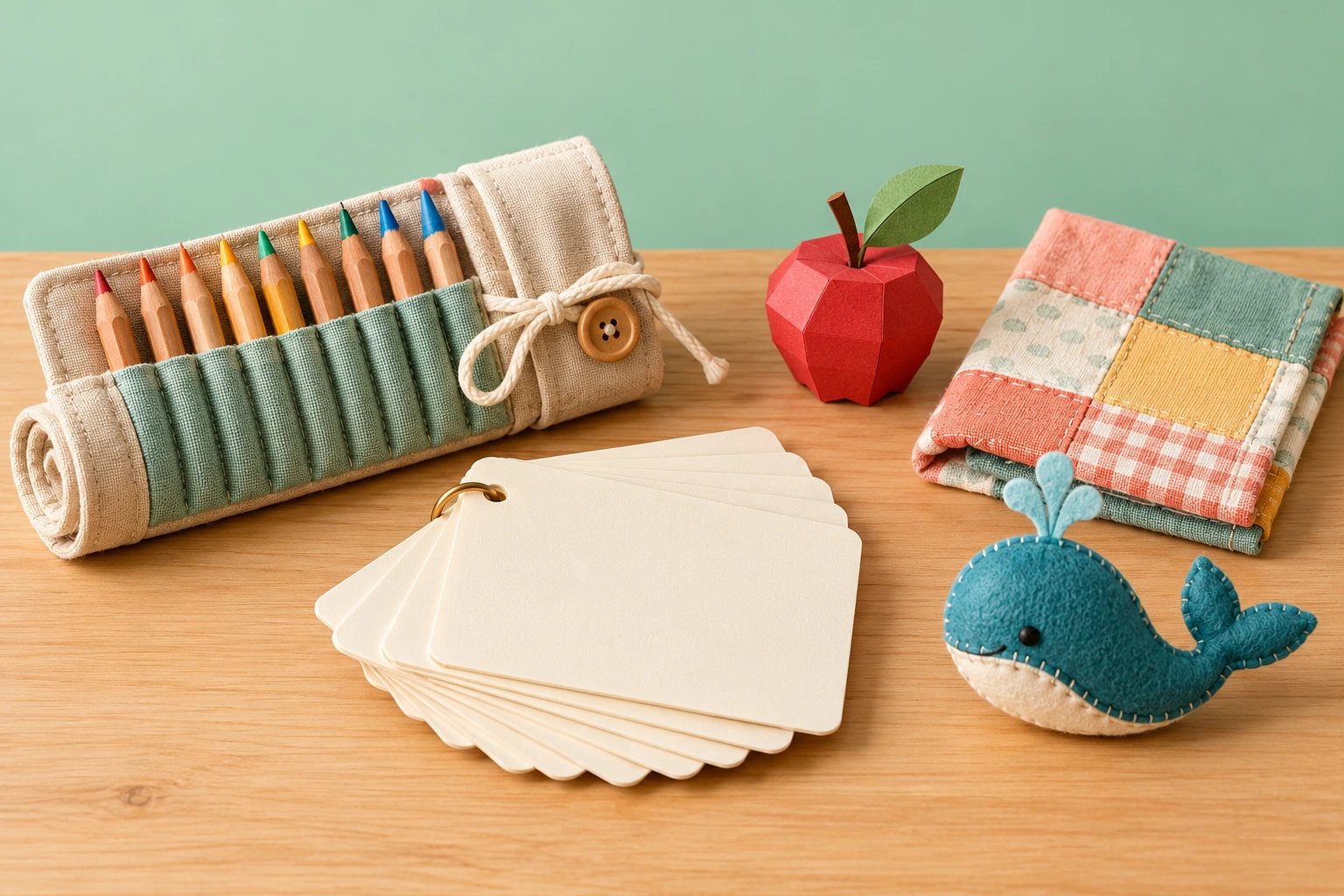
Fold a few blank cards into a small book. After an Alphabet Tracing Bundle visit, place a capital and lowercase example on facing spaces, with the related picture named underneath by an adult. Let the child dictate a sentence about the object. The book can grow only when another destination feels interesting; it does not need twenty-six filled entries at once.
2. Picture-word repair shop
Prepare one unfinished label from a familiar Alphabet Tracing Bundle topic. The learner chooses the missing initial from two large cards and checks it against the source page. Read the repaired label in context, such as a pretend frog-pond marker or quilt tag. Keep the remaining spelling visible so the job stays focused on a single missing letter.
3. A route explained without a pencil
Invite a child to guide your finger along one Alphabet Tracing Bundle model using words such as down, across, around and stop. Accept a gesture when a direction word is still developing. Swap roles afterward. Listening to the instructions can show whether the child understands the path even when producing a small pencil shape remains difficult.
4. Two forms, one destination
Use loose uppercase and lowercase cards for three chosen Alphabet Tracing Bundle letters. Each picture destination receives both partners. Make the first set visually different, then compare a closer pair when confidence grows. The task is to explain a match, not to race through the entire alphabet or guess from the picture's first sound when its spelling needs discussion.
5. The next-visit envelope
At the end of Alphabet Tracing Bundle practice, let the learner choose one future page and place a small unprinted reminder card in an envelope. An adult can record the chosen letter nearby. On another day, reopen the envelope, name the remembered destination and decide whether to trace, complete the word or tell a picture story first.
Keep Alphabet Tracing Bundle visits comfortably short
Alphabet Tracing Bundle work suits ages three to six with flexible expectations. A three-year-old may point, name a picture and make large marks; another learner may trace both cases and supply the initial independently. These are possible ways to participate, not age deadlines. Short visits, a comfortable surface and permission to pause protect the activity's purpose when fatigue changes a child's grip or attention.
Use Alphabet Tracing Bundle feedback that describes an action: the q reached below its line, the S stayed open between its bends, or a dot was remembered. Avoid treating the colored example as a demand for an identical artwork. A child can choose imaginative colors while still identifying the picture word correctly. The printed review stars can prompt a conversation about effort, not a comparison with classmates.
Save and print your Alphabet Tracing Bundle
The Alphabet Tracing Bundle costs $4 USD for the complete twenty-six-page PDF. Its clean edition has the worksheet website name, domain and watermark branding removed from every page. The printable file contains no embedded advertisements. Purchase access protects the bundle download; membership access on a separate individual worksheet is a different website option and does not automatically describe the Alphabet Tracing Bundle checkout rules.
- Use the published bundle's purchase control and complete the authorized checkout.
- Save the PDF, then choose the letter pages needed for a particular visit.
- Select US Letter portrait printing and inspect the border and pale guides on one test sheet.
Keep Alphabet Tracing Bundle pages at their original proportions. If a printer needs a fit-to-page adjustment to preserve the border, inspect the preview before making several copies. The Alphabet Tracing Bundle guide dots should remain visible without requiring heavy pencil pressure. An adult can scribe a dictated word on spare paper while a child practices just the intended initial in the worksheet's own response space.
Follow Alphabet Tracing Bundle visits with other paths
The Alphabet Tracing Bundle can sit beside gentle line-path practice, a wider range of tracing movements or a short number-and-picture activity. Choose a companion because it meets an observed need, rather than adding pages simply to lengthen a session.
For further adult reading, explore Reading Rockets' alphabet-knowledge resources and NAEYC's family writing ideas. These independent education resources offer additional context; they do not endorse or supply this Alphabet Tracing Bundle. One meaningful letter visit can be enough for today.
Popular Worksheets
Printable resources families and teachers are downloading now.
 Free
 Free
 Free
 Free