
Ii Worksheet: 4 Brilliant Igloo Dot Expeditions
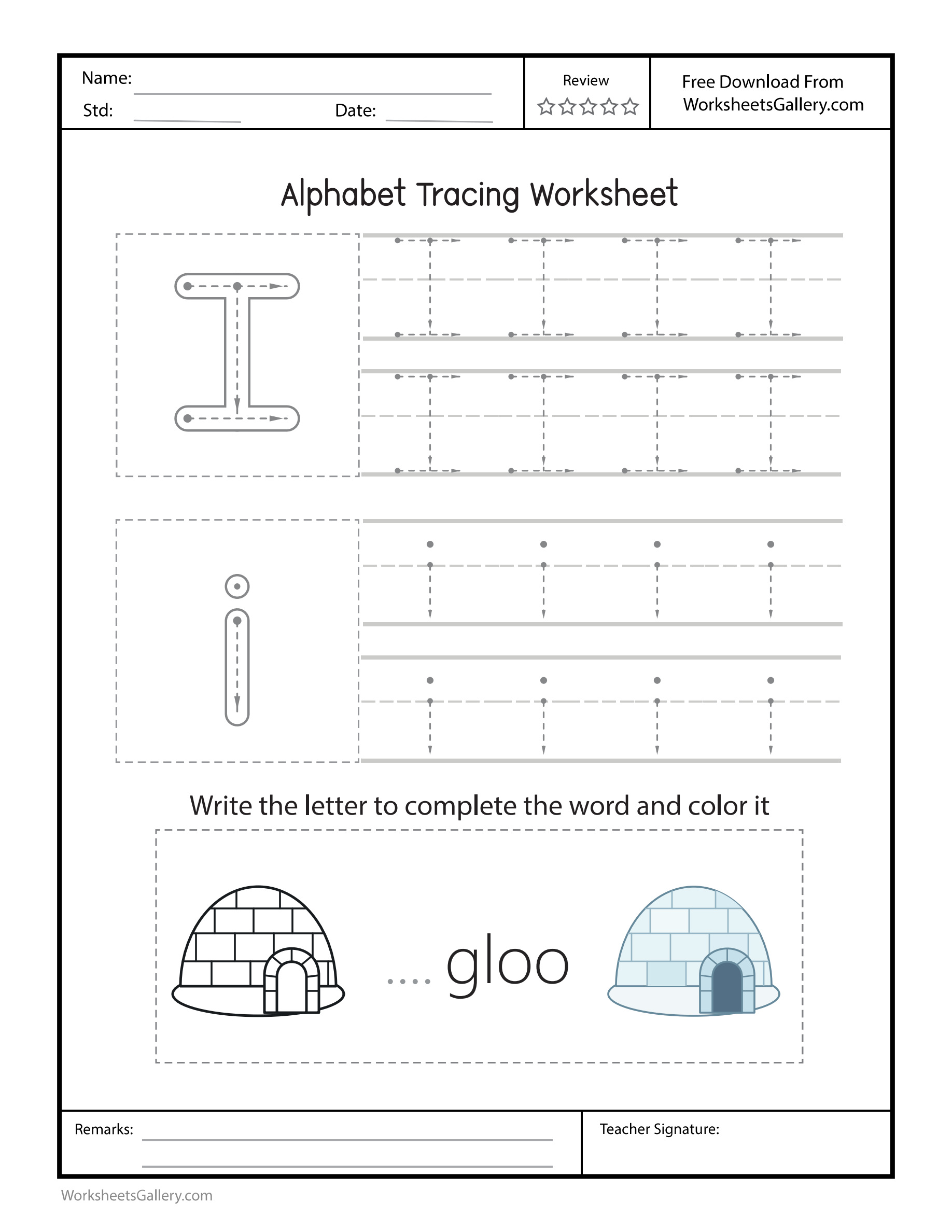
The Ii igloo activity belongs to the complete A–Z letter-pair collection. One $4 purchase supplies all 26 clean tracing pages in a single alphabetically ordered PDF, including this ice dot delivery lesson.
A delivery envelope has reached the pretend igloo, but its picture label still needs a beginning. The Ii Worksheet makes that small writing job an investigation of two related forms: a barred capital I and a short lowercase i with a separate dot. Children can compare the models, trace selected examples and add the initial to igloo. Aimed at three-to-six-year-old learners, the page supports picture talk and broad finger movements before precise pencil work. The important delivery is a recognizable letter, not a demand for every available row to be completed at once.
The Ii Worksheet label is missing a whole initial
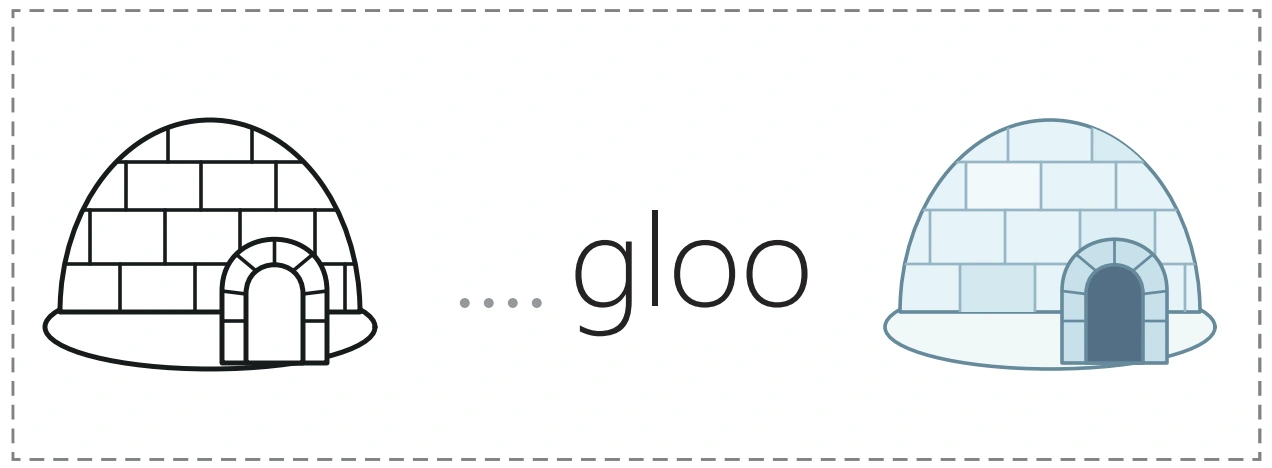
Name the igloo pictures on the Ii Worksheet, then locate the first-letter space in the printed word. The remaining letters already belong to igloo, so a lowercase i is the contribution still needed. Read the complete word together after that initial is placed. The child does not need to independently decode the remaining spelling to give the label a useful beginning.
The Ii Worksheet small initial needs both its short upright and its separate dot. A dot alone would not complete this writing job. Point to the large lowercase guide and inspect how its parts relate before the learner tries the word space. An adult can supply a larger loose-paper model if the small gap makes the relationship difficult to see.
Igloo gives the Ii Worksheet a short i example, with the vowel heard at the beginning of insect. The letter name I is different. State whether you are naming the letter or listening to the picture word's beginning, so a child is not corrected for answering a different unstated question. Keep the spoken word natural and let the actual written initial remain the focus.
A capital Ii Worksheet route with visible bars
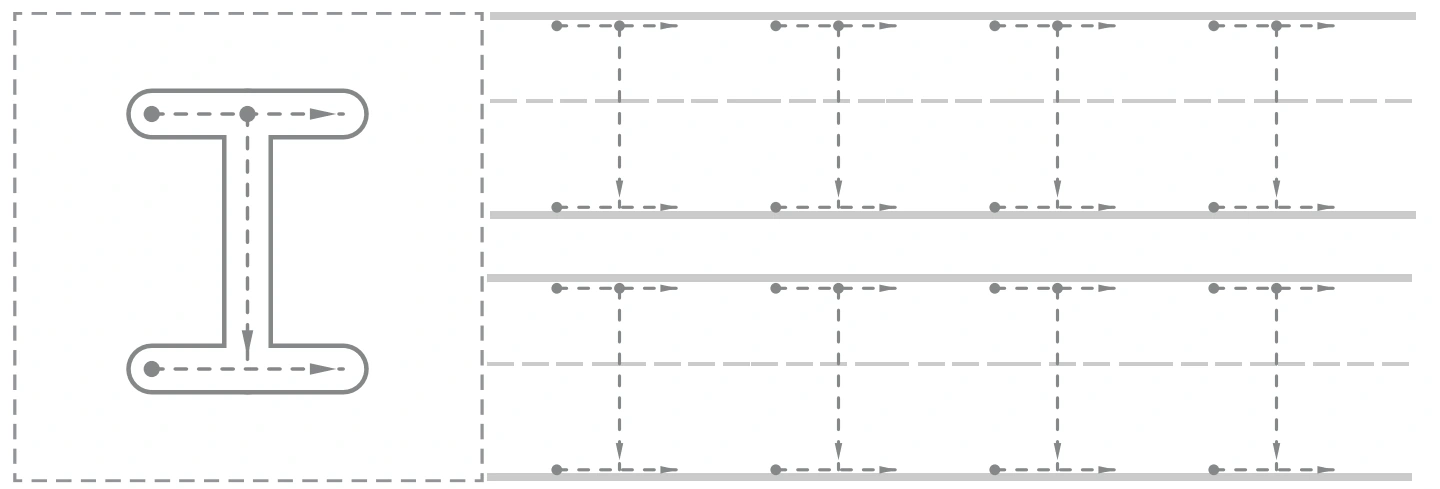
The Ii Worksheet capital uses an upright with horizontal portions at its top and bottom. Compare those parts with the large model rather than borrowing a simpler I from another printed font. A child may recognize more than one I style in books; this particular sheet offers its own formation guide for the movement being practiced. Follow its starting marks and direction cues.
Across the Ii Worksheet capital rows are eight small guided forms. Choose one to inspect before continuing. If a horizontal portion is omitted, point to that feature on the large model and rehearse it broadly. A recognizable capital can be discussed without requiring identical bar lengths or perfect symmetry from a developing hand. Begin with structure, then decide whether another attempt has a purpose.
The small Ii Worksheet letter has a detached partner
On the complete Ii Worksheet, the large lowercase guide shows a short upright and a separate dot above it. The dot belongs to i even though it does not touch the stem. Ask a learner to show both parts with a finger before writing. Starting cues and dotted tracing marks are guides for movement, not instructions to add a trail of extra decorative dots to the finished letter.
The Ii Worksheet lowercase rows provide eight more examples. One slow attempt can reveal whether the child remembers the stem, the dot or both. If the upright reaches the full capital height, compare it with the lowercase ruled space. If the dot floats far away, return to its printed position. Choose the feature that needs support instead of adding every possible correction together.
An Ii Worksheet comparison for the delivery desk
| What is being inspected | What belongs to it |
|---|---|
| The supplied capital I | Its upright and the upper and lower bars. |
| The supplied lowercase i | A short upright with one detached letter dot. |
| The igloo initial | The complete small i, rather than only its dot. |
The Ii Worksheet picture may contain blocks, a doorway and snow, but those details do not change the letter's required parts. Let them enrich the pretend delivery story while the guide controls the writing route. Coloring an imaginative igloo is welcome after the learner has identified the missing initial. The colored picture supports recognition without prescribing every artistic choice.
Asha delivers the dot with the Ii Worksheet stem

Asha and her father set a blank envelope beside a felt igloo during Ii Worksheet play. A large round paper marker represents the letter dot in their discussion. Her father makes a short upright on a loose card, and Asha places the marker where the model shows the dot. They name the completed small i, then compare it with the initial space in igloo.
The Ii Worksheet helps them keep a model and a finished attempt separate. Asha chooses to write a small version rather than leave the movable marker as her only response. Her father waits until she has finished the upright before asking what still belongs above it. Remembering the dot becomes a deliberate second action, not an interruption delivered halfway through the first movement.
For a family Ii Worksheet turn, a pretend envelope and a blank card can provide enough context. Start with picture naming, inspect both lowercase parts and choose one tracing attempt or the word gap. An adult may scribe a longer delivery message that the child dictates. The initial remains the beginner's manageable contribution to a shared communication.
Five Ii Worksheet observations for a teacher or caregiver
Ii Worksheet parts can be separate but belong together
The lowercase dot is detached from its upright without becoming an unrelated mark. Ii Worksheet inspection gives a learner a concrete example of that relationship. Ask the child to show both parts, then notice whether both are remembered in a later independent attempt.
Ii Worksheet height is part of the reference
Capital I and small i occupy different spaces on this source. The Ii Worksheet guides let an adult compare the actual heights instead of judging a letter only by its name. A larger rehearsal may be useful before expecting that distinction in a small ruled row.
Ii Worksheet recognition need not wait for pencil precision
A learner can match I with i through cards or pointing during Ii Worksheet work. That successful visual connection remains valuable even when the dot is difficult to position. Use the observation to choose a relevant movement support rather than treating the whole letter as unknown.
Ii Worksheet talk can organize a sequence
The upright and dot provide two visible actions to discuss. An Ii Worksheet child can explain what is finished and what remains with a gesture or short phrase. Adult prompts work best when they describe the next part rather than demand speed or an immediate perfect result.
Ii Worksheet writing can complete a real message role
Adding i gives the pretend igloo label its beginning. Ii Worksheet reading by an adult connects the small mark with a whole word and a picture destination. Shared dictation can extend the message without making independent sentence spelling part of the initial task.
Four cold-weather message games after the Ii Worksheet
1. Deliver the missing dot
Make a large small-letter stem on a blank card, keeping the Ii Worksheet visible as a reference. The child places a broad paper dot above it, then explains how the two parts belong together. Try a complete card next so the learner must inspect the actual example rather than assume that every card needs another dot added.
2. Match the delivery partners
Capital I waits in an open envelope while a child brings its lowercase companion from two clearly different options. Use the Ii Worksheet to check the match and name both forms. Exchange the card-delivery and model-finding roles. A participant can make a confident visual choice while an adult handles any writing that is not yet comfortable.
3. Repair an igloo label
Leave the first letter absent from a loose igloo sign and offer a complete i card. A learner places it at the beginning with Ii Worksheet support, then hears an adult read the completed word. Keep all remaining letters present. The job should remain a meaningful initial choice rather than an unexpected demand to remember the whole spelling.
4. Compose a snow-post message
Ask what the pretend igloo's visitor should know. An adult records the child's dictated message, while the learner adds an optional small i using the Ii Worksheet guide. Read the message back before placing it with the envelope. The longer idea belongs to the child even when the adult supplies most of its written form.
A short Ii Worksheet station in a classroom
Let partners alternate between identifying the two small-letter parts and making a short writing attempt. At an Ii Worksheet station, a teacher can note whether a child found the dot independently or needed a cue after finishing the stem. That information suggests a specific next visit. A count of completed models would hide how the learner organized the sequence.
Keep Ii Worksheet feedback precise and kind. Remembering one detached dot can be today's progress. If its placement is difficult, enlarge the available space or return to movable paper parts. Children within the three-to-six age range have different experience with tools; a strong finger explanation can coexist with a hesitant small pencil mark.
Another Ii Worksheet visit can reopen the envelope with a different message or begin with a case match instead of a row. Notice a specific remembered action and offer a choice about continuing. Stop when the hand becomes tense or attention wanders away from the model. The pretend delivery can pause until the next comfortable writing turn.
Choose and print an Ii Worksheet edition
The Ii Worksheet original is the free sample. Eligible active members can use the separate clean premium PDF, where the website's domain, watermark text and branding are absent from the clean printable. That PDF contains no embedded adverts. The related alphabet package costs $4 for one clean A–Z collection, with all twenty-six pages included as a separate purchased download option.
Prepare Ii Worksheet copies with portrait US Letter settings and inspect the pale guides inside the complete border. Try one printed sheet before a group run. Keep a spare card available for an enlarged upright and dot, and leave space for coloring the igloo outline. A readable guide and a small shared purpose are enough materials for a useful return.
Other visits might include a first set of deliberate pencil paths, line routes with more direction changes or a picture-and-number writing pause. For adult support, see Reading Rockets on recognizing letter forms and NAEYC's family mark-making ideas.
Popular Worksheets
Printable resources families and teachers are downloading now.
 Free
 Free
 Free
 Free