
Bb Worksheet: 6 Wonderful Bounce and Bowl Tasks
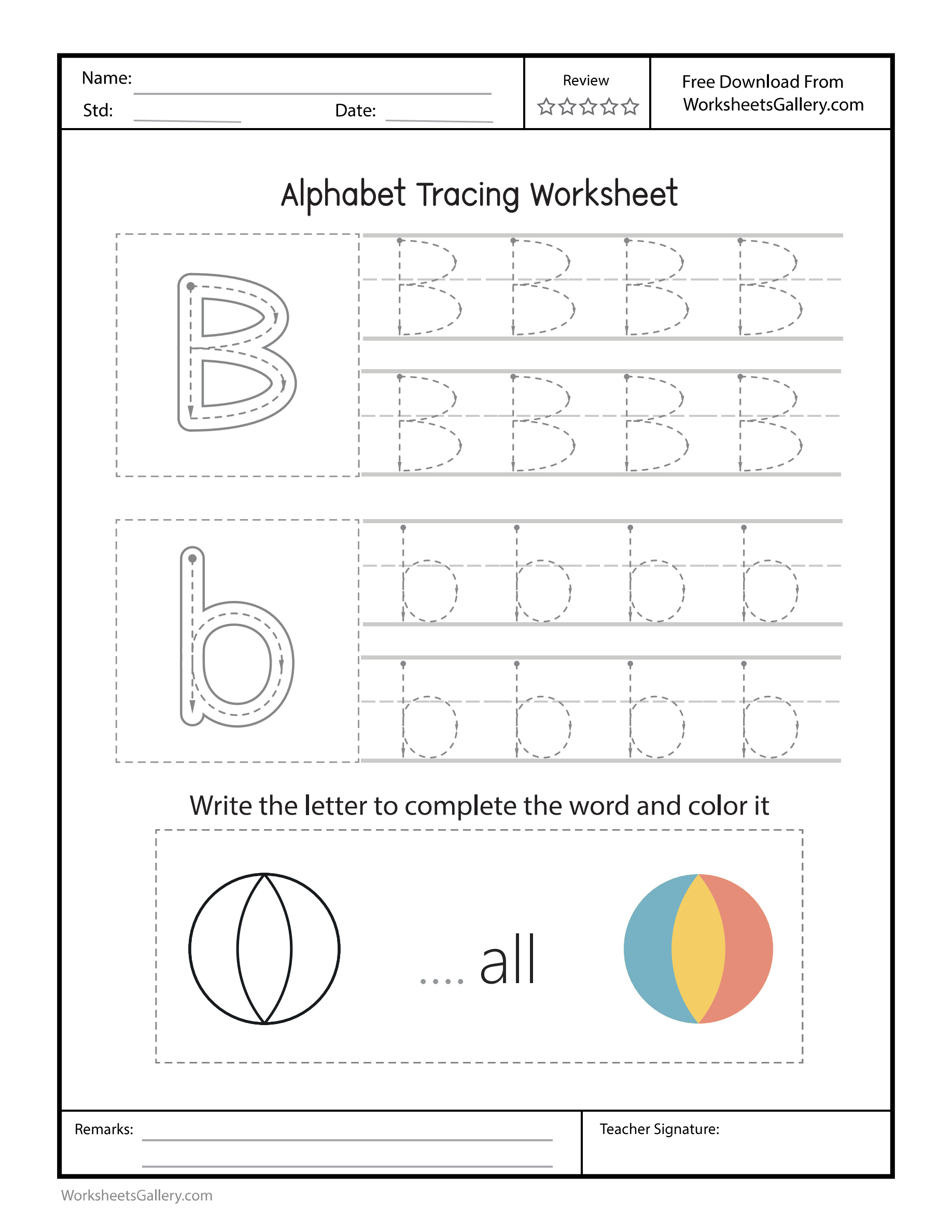
The Bb ball activity belongs to the complete A–Z letter-pair collection. One $4 purchase supplies all 26 clean tracing pages in a single alphabetically ordered PDF, including this bounce and bowls lesson.
Before a ball can be returned to its basket, the basket needs a name. A Bb Worksheet gives that familiar playroom job a written beginning: children supply b in ball after meeting both versions of the letter. The capital carries two rounded bowls beside a tall stem; the small letter has one bowl beside its own tall stem. A picture, a word gap and short tracing rows make those differences available for discussion. Children between three and six years old can participate through matching, movement, mark making or supported pencil work.
The Bb Worksheet starts at the return basket
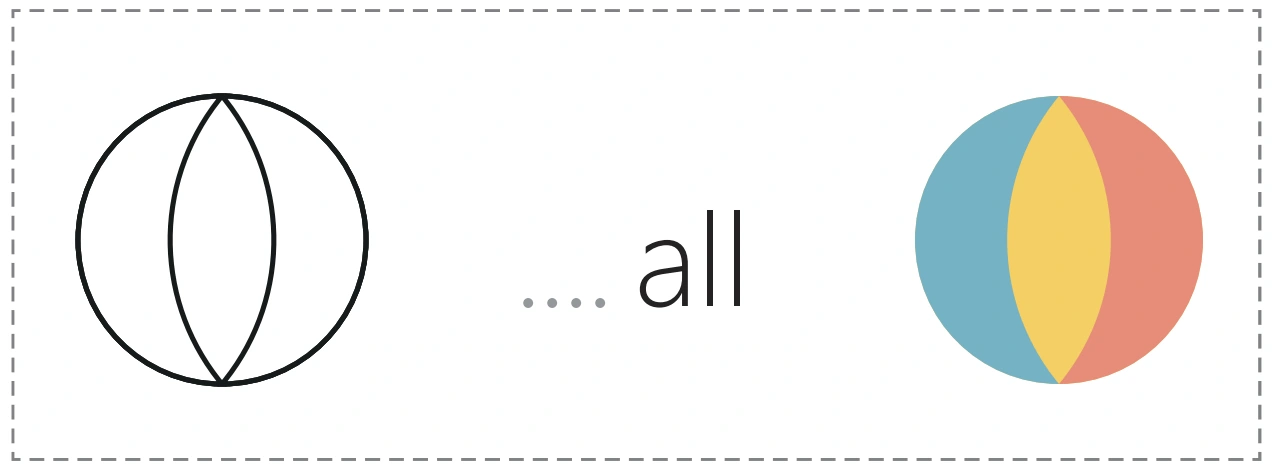
Read ball while pointing to the whole unfinished word on the Bb Worksheet. The letters all are already printed, so the missing job is one beginning b. Show how the outline ball and colored ball refer to the same kind of object. Their curved panel lines divide the picture's design; they are not separate written letters that belong in the leading space.
Say the beginning /b/ briefly during Bb Worksheet talk, without adding a long “buh.” Then name the letter B when matching its cases. Those two spoken tasks serve different purposes. A child can recognize the picture and choose b before being able to read every letter combination independently. The adult's reading supplies the connection without pretending that picture guessing alone is word reading.
The Bb Worksheet is particularly useful for noticing where the upright belongs. In lowercase b it is on the left of the rounded body. Avoid asking a child to remember a vague instruction such as “make the bump right.” Point to the actual model, locate the stem and compare the space occupied by the bowl. A precise reference makes the next attempt easier to discuss.
Follow the stem before watching a bowl grow
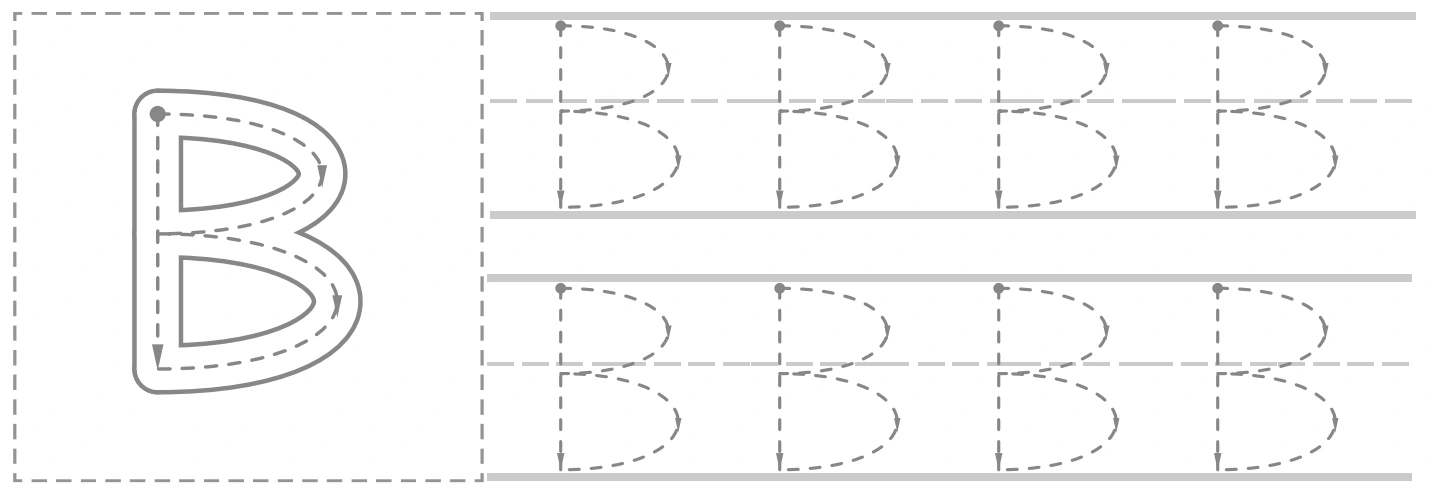
The large capital guide on the Bb Worksheet displays one upright with two rounded portions. Look at the printed arrows and starting marks together, then let a finger rehearse the indicated path. After that, try a single small capital model. Compare the top and bottom bowls with the guide, accepting uneven curves while checking that both portions connect with the upright.
A Bb Worksheet writer does not need to make the two bowls identical in size to show the intended letter. The important early conversation is about the recognizable structure: one stem and two connected rounded sections. If the lower bowl floats apart, bring attention to its joining place. Redrawing every part of B can obscure the one feature that needed support.
A Bb Worksheet partner changes the bowl job
Use the lowercase model on the Bb Worksheet even though this page's body image emphasizes the capital. The small b has a long upright and one rounded body, not a miniature copy of capital B. Locate the stem in the original full-page preview or printed sheet, follow its guide, and then compare one small b with the large lowercase example.
Two capital rows and two small-letter rows offer sixteen guided examples across the Bb Worksheet. A child may work on a single row today and another later. If attention shifts to filling spaces without looking at the model, stop the sequence and return to a large finger movement. Quantity of tracing is less informative than whether the child notices the stem-and-bowl relationship.
Eli runs a gentle ball-return desk
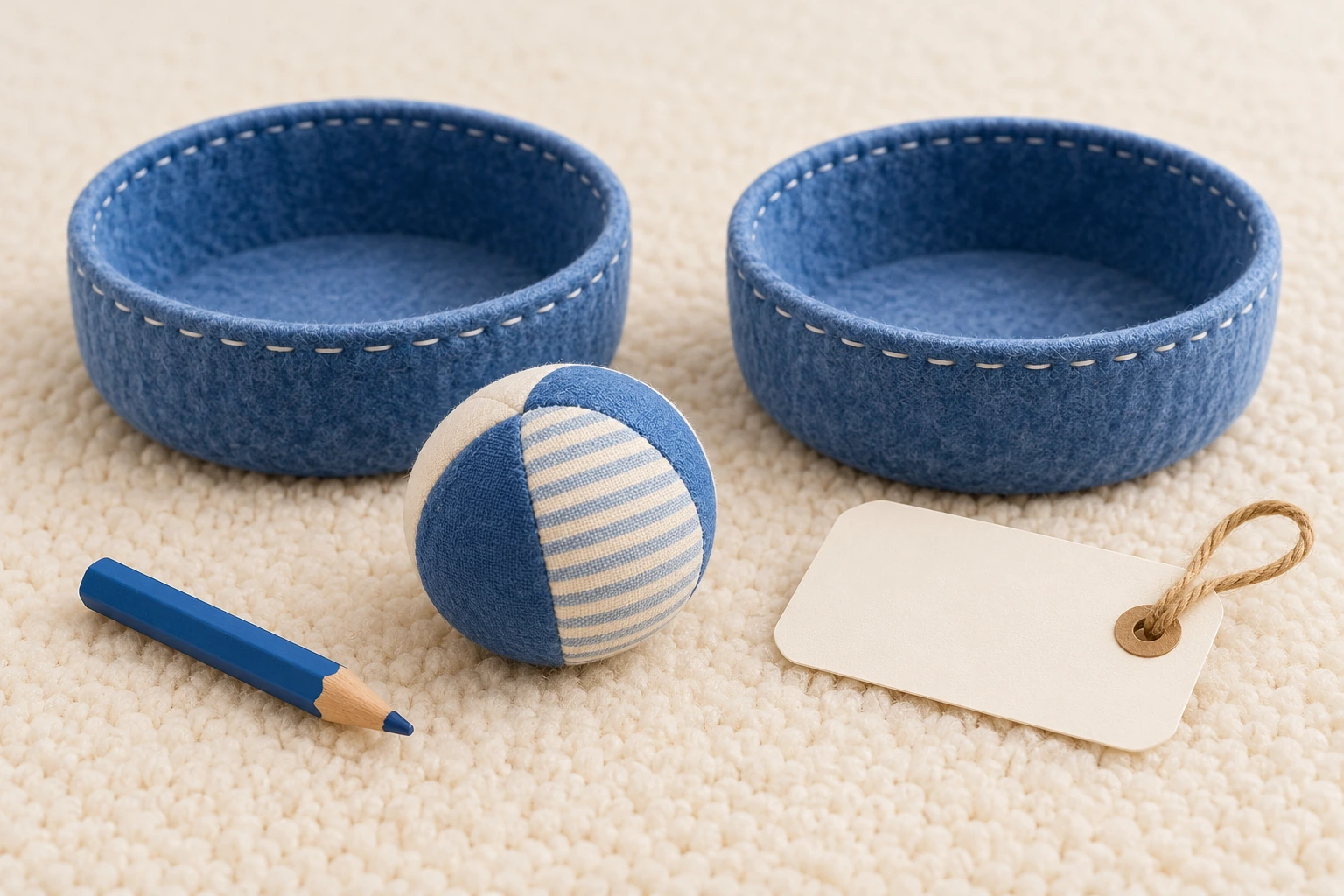
Eli and his mother place a soft ball beside two shallow bowls during a Bb Worksheet visit. One bowl becomes the pretend return basket; the other holds blank tags. She asks what the basket's label should say. Eli names the ball and points to the missing beginning on the printed word. His mother reads all aloud, leaving the initial contribution for him to choose.
When Eli writes a small b that faces away from the model, the Bb Worksheet gives them something neutral to inspect. His mother points to the tall stem on the left side of the guide and lets him compare it with his own attempt. They make one larger version on a blank tag, then decide whether another small version is worth trying now.
At home, keep Bb Worksheet play calm enough that the pretend bouncing does not interfere with writing. Place the ball aside while a pencil is in use, and return to a gentle roll afterward. Ask for a label, a letter match or one tracing example at a time. A preschool learner's successful contribution may be pointing to b rather than producing a neat small form immediately.
The classroom listens for a different kind of bounce
In a Bb Worksheet small group, invite one learner to say ball, another to find b and a third to point to B. Everyone can then follow a large air-written stem while looking at the model. The Bb Worksheet roles keep attention on language and shape without demanding that each child write at the same pace. Rotate the roles so the quiet pointer also has a chance to speak.
Make a Bb Worksheet note about what each learner actually used: a picture clue, a case model or an adult's direction. If a child chooses b accurately but struggles to join its bowl, the next support concerns movement. If the child copies a bowl neatly but cannot find the small-letter partner, offer a matching task. Those are different needs hidden by a simple finished-or-unfinished judgment.
Five Bb Worksheet observations beyond neat handwriting
A stable left-side reference in Bb Worksheet work
The Bb Worksheet stem gives visual orientation a concrete anchor. A learner can point to that long part before discussing the curve. This does not diagnose or prevent reversals; it simply supplies a visible feature to compare when b and another rounded letter become confused. Use the same printed model for the comparison rather than adding several competing fonts.
A Bb Worksheet change from two bowls to one
Comparing Bb Worksheet cases invites classification by features. Capital B and lowercase b belong together even though their rounded portions differ. Ask a child to show what changed and what remains tall. A gesture toward the stem can communicate a sound observation before words such as uppercase, lowercase or rounded body are comfortable.
An action with a Bb Worksheet destination
Writing the Bb Worksheet initial finishes a label for a familiar object. That purpose can make a single carefully chosen b more engaging than another unexplained repetition. Let an adult read the repaired word aloud, then place a related loose-paper label beside the pretend basket. The label's message matters even when the handwriting is still developing.
A clearer Bb Worksheet motor plan
Bb Worksheet guides give the hand a route that can be rehearsed without a pencil. Finger tracing, an air movement and one large crayon attempt offer different ways to inspect the same letter. If an enlarged version is easier, use that information to adjust the writing space rather than assuming that the child needs more small-row practice.
Bb Worksheet language about joining and position
Words such as left, tall, around and meet become useful during Bb Worksheet discussion. Keep the words tied to something visible: the bowl meeting the stem, or the stem reaching above the rounded body. The conversation supports a child's explanation of the next action, while the picture adds familiar vocabulary such as ball, panel, roll and return.
Six return-desk games after the Bb Worksheet
1. Choose the basket's Bb Worksheet initial
Offer b and one clearly different familiar letter on loose cards. With the Bb Worksheet nearby, let the child choose the card that completes a pretend ball label. Read the result together and move the label beside the basket. Keep the remaining all visible so the task stays focused on its beginning rather than becoming an unsupported spelling challenge.
2. Build two bowls around a stem
Lay down a plain upright strip and two curved pieces on spare paper. Compare the arrangement with capital B on the Bb Worksheet. Move a curve until it touches the upright, then discuss which rounded section sits higher. Because the pieces can be moved, the child can test a decision without erasing a whole drawing.
3. Find the one-bowl partner
Hold up a capital B card and ask for the lowercase companion from a small collection. The Bb Worksheet provides the reference when a child hesitates. After the match, point out that one bowl is enough for the small form. Switch who holds the capital and who delivers the partner, giving both learners a reason to inspect the shape.
4. Roll, pause and describe
Roll a soft ball slowly across a mat, then pause it before returning to the Bb Worksheet. Ask for one description of the picture or letter: a colored panel, a tall stem or a rounded bowl. The pause separates movement from pencil use. The game rewards a clear observation, not a fast spoken answer or a harder throw.
5. Repair a floating bowl
Draw a large pretend b whose rounded body does not touch its stem. Let the child compare it with the Bb Worksheet and suggest a repair on a blank card. They may move a paper curve instead of drawing. Ask what needs to meet, then check the revised form together. The error belongs to the adult's example, keeping the investigation playful.
6. Dictate a return notice
Invite a short message for the playroom, such as where a ball should be left. An adult writes the dictated sentence while the learner contributes an optional b using the Bb Worksheet as a model. Read the message back and place it beside the pretend return area. Shared writing makes space for a beginner's letter without requiring an entire independent sentence.
Check the Bb Worksheet difficulty before adding a row
| Visible difficulty | Next cue |
|---|---|
| A bowl floats beside the stem. | Point to the joining place in the matching case model. |
| The small form has two bowls. | Compare b with the tall one-bowl guide. |
| The stem appears on the other side. | Locate the model's upright before beginning again. |
Keep one correction small enough to use. Bb Worksheet practice need not remove every wobbly line. When a child remembers the stem's position, notice that change specifically. Offer a choice between coloring the outlined ball and making another letter. Ages three to six include different levels of hand control, so pointing, tracing with a finger and supported writing can all belong in the session.
Return to the Bb Worksheet through a different playroom job on another day. A basket tag, a case-pair delivery or one large b can provide a fresh reason to revisit it. Stop when repeated attempts become hurried or tense. The return desk can reopen later. A familiar picture and a clearly remembered cue often make that later visit easier to begin.
Keep the Bb Worksheet copy clear and accessible
The original Bb Worksheet is available as the free sample, while the clean premium PDF uses the website's eligible membership download. That premium printable has the website name and watermark branding removed and contains no embedded advertisements. The related $4 alphabet collection supplies all twenty-six clean sheets in one purchased PDF, giving families another way to obtain the full set.
Print the Bb Worksheet on US Letter paper in portrait orientation and inspect the pale guides before preparing a group set. Preserve the outer frame in the printer preview. Choose a pencil that the child can move comfortably, then reserve coloring for the outlined ball rather than marking over every guide. A short, readable activity is preferable to a larger stack that nobody wants to revisit.
For another movement experience, try curved and straight tracing routes, an introductory line-path sheet or a small number-label activity. Families can also browse PBS KIDS for Parents' early-reading activities and NAEYC's ideas for supporting young writers.
Popular Worksheets
Printable resources families and teachers are downloading now.
 Free
 Free
 Free
 Free