
Cc Worksheet: 4 Brilliant Open Curve Adventures
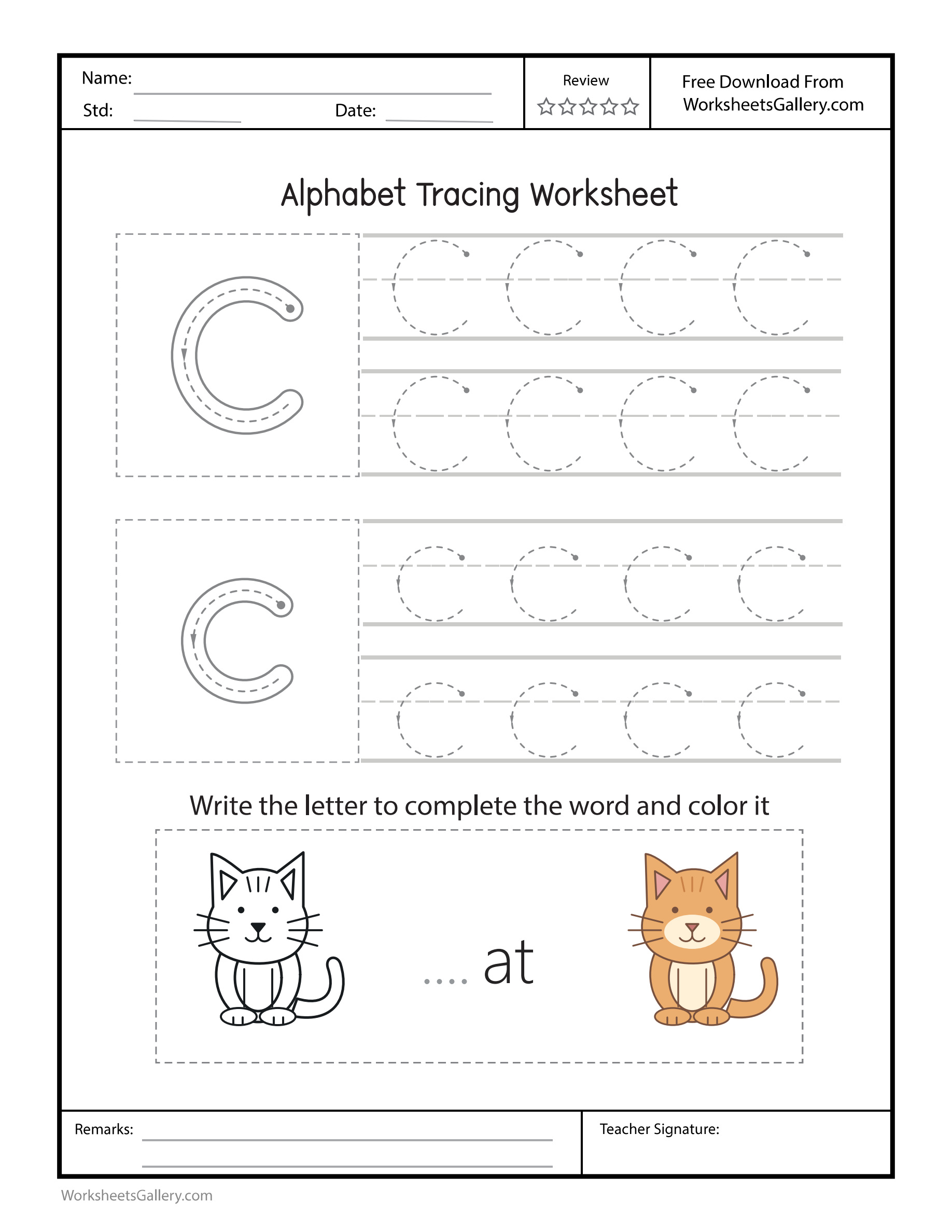
The Cc cat activity belongs to the complete A–Z letter-pair collection. One $4 purchase supplies all 26 clean tracing pages in a single alphabetically ordered PDF, including this open curve postcard lesson.
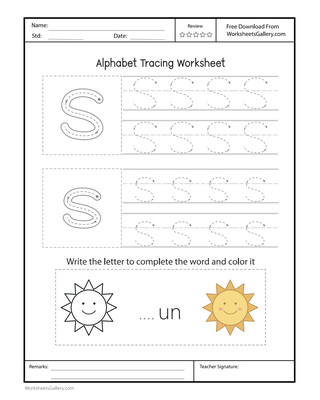
The cat postcard is nearly ready, but its picture word has lost the first letter. On the Cc Worksheet, a child can restore that beginning while investigating a useful shape clue: both C and c leave an opening on the right. The activity brings a large model, smaller tracing examples and two cat pictures into one focused visit. Learners from three to six years old can join through looking, talking, finger movement or pencil marks. What matters first is a recognizable open curve and a meaningful contribution to a small written message.
A Cc Worksheet postcard needs its beginning
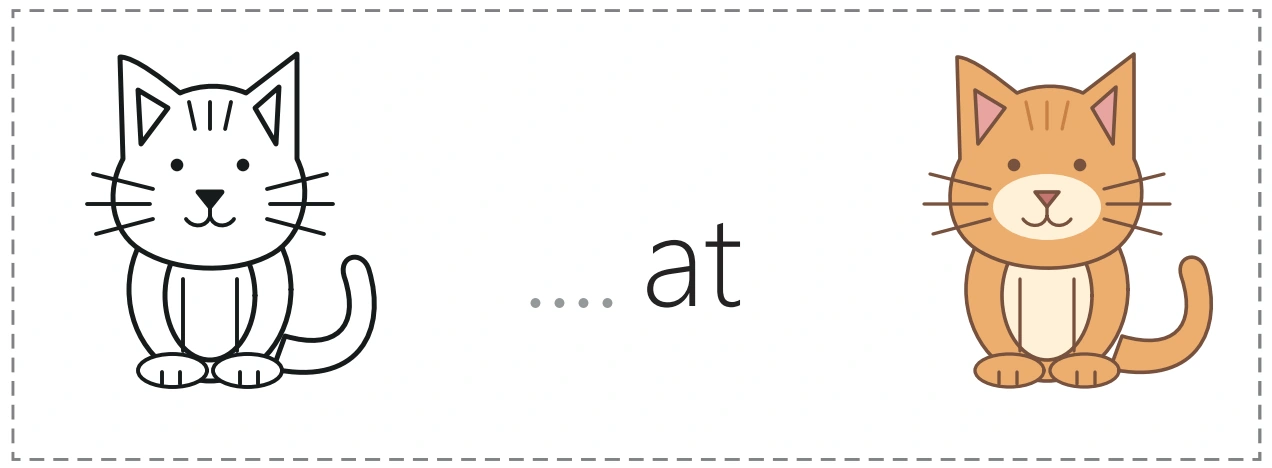
Name the pictured cat before reading the unfinished word on the Cc Worksheet. The printed at is already in place, leaving c as the child's contribution. Point across the completed word while an adult says cat. A familiar picture gives context, but the written initial still deserves attention. Ask which of the two case models matches the small letters in this particular label.
During Cc Worksheet conversation, the cat provides a hard c example: the first sound is /k/. The letter name is C, and other c words may begin differently. Keep that distinction friendly and brief. A child who knows a person's name beginning with a different c sound has made a relevant connection, not an error that must be ignored to finish the picture word.
The Cc Worksheet outline and colored cat can support discussion of ears, whiskers and a curled tail. Those details belong to the illustration; the task does not ask for a drawing of every feature or a count of the whiskers. Coloring may be a satisfying finish after the initial is supplied, with colors chosen by the child rather than copied under pressure.
Leave the Cc Worksheet doorway open
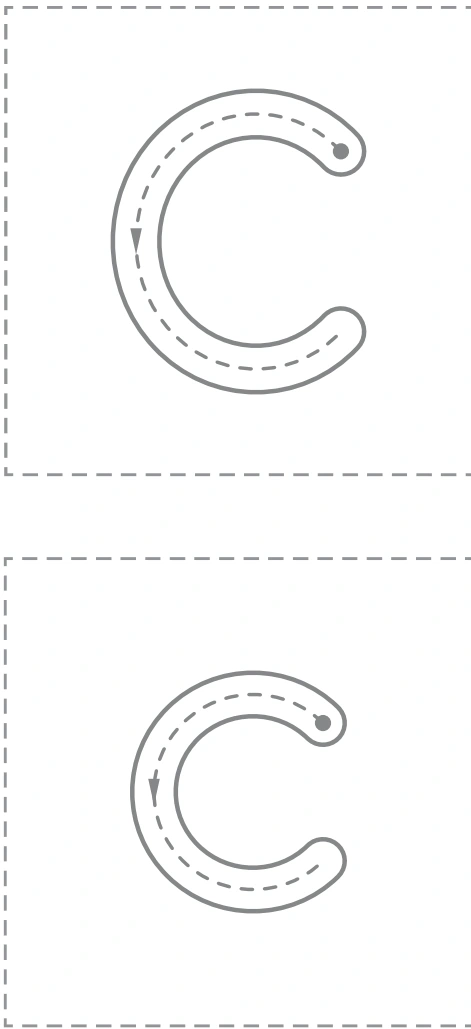
Imagine the open side of a Cc Worksheet curve as a small doorway in a postcard drawing. The metaphor can help a learner notice the gap, but it is the printed letter model that sets the actual route. Locate its starting dot near the upper-right area, follow the indicated curve and stop where the guide ends. Closing the shape would change the feature being practiced.
A Cc Worksheet c does not need an extra straight line across its opening. An adult can cover the pencil and inspect the large model with a finger before another attempt. Ask where the line travels and where it stops. A child may point to the open space without yet using words such as gap or boundary. That pointing is useful evidence of attention to the intended form.
Capital Cc Worksheet practice keeps the same opening
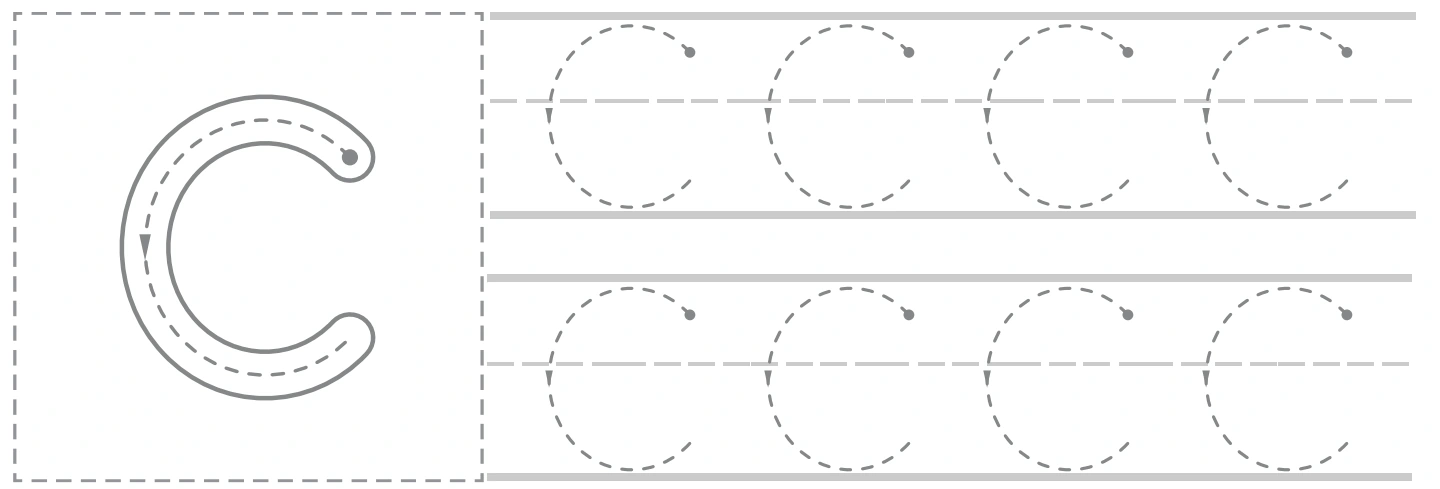
Capital C on the Cc Worksheet occupies a taller writing space than its small partner. The open curved plan remains recognizable, however, so the comparison can begin with what the two forms share. Show one large capital and one lowercase example side by side. Then ask the learner to select a small tracing model that belongs with each, instead of assuming that height alone identifies the letter.
The Cc Worksheet supplies eight capital practice forms across two rows. Begin with one and look at the stopping place before following another. If a writer repeatedly closes C into an oval, a longer row is unlikely to supply the missing idea by itself. Return to the opening, compare two adult-made examples and let the child choose which one matches the source.
A smaller Cc Worksheet curve needs room to stop
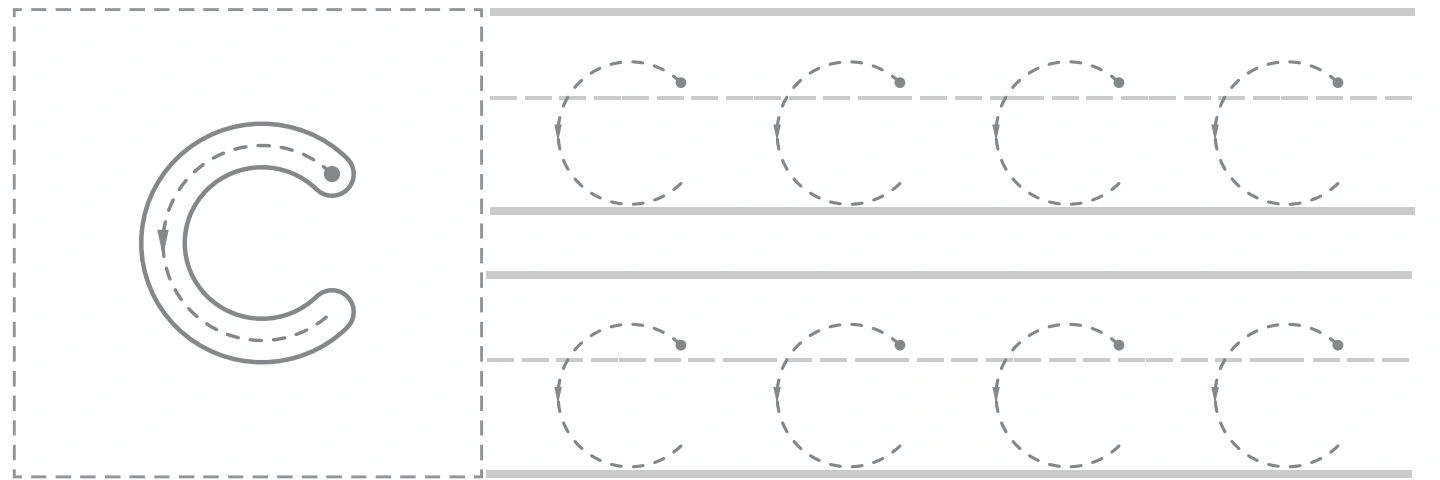
The two lowercase rows on the Cc Worksheet offer another eight small examples. Follow the starting dots and let the movement finish before lifting the pencil away. A cramped wrist position can make an open endpoint harder to control, so provide comfortable space around the paper. The aim is a clear c, not a tiny circle produced as quickly as possible.
Compare one Cc Worksheet attempt with its model using a single question: can we still see the opening? Other features, such as an uneven curve or a slightly different width, can wait. A beginner may understand the form well while controlling a fine point only briefly. A larger crayon curve on spare paper can show that understanding without demanding a whole printed row.
Nora sends news from the pretend cat

Nora and her grandfather make a pretend postcard beside the Cc Worksheet. She dictates that the cat is sitting by the window, and he writes her message on the unprinted card. When they reach the picture label, Nora notices that at needs a beginning. Her grandfather leaves that small job for her, pointing to the lowercase reference rather than writing c in the gap himself.
Their Cc Worksheet visit includes one mistaken closed curve on a spare card. Her grandfather draws it deliberately and asks whether the postcard cat's letter has a doorway. Nora points to the open model and revises the adult's example. The playful repair keeps the question about a visible shape, avoiding a comparison between her handwriting and an adult's polished version.
For a home Cc Worksheet turn, choose an easy place to rest the card and page. Name the cat, inspect the lowercase opening and select one writing attempt. After that, the child may add color or dictate another postcard sentence. Shared writing allows the adult to carry a longer message while the beginner makes a smaller, purposeful letter contribution.
A Cc Worksheet sorting conversation in class
A teacher can place a Cc Worksheet model beside two large adult-made curves: one open and one closed. Learners explain which belongs to the cat postcard and why. Accept a gesture across the gap before asking for a full explanation. Introduce a second letter card only when the open-versus-closed comparison is clear, so the activity does not become a crowded visual puzzle.
In a paired Cc Worksheet visit, one child traces while another watches for the stopping point. Then exchange responsibilities. The listener's job is to describe what was seen, not to grade the writer. An observation such as “the opening stayed visible” gives the next attempt a useful reference. Keep the original guide nearby so both children can check the same evidence.
Seven Cc Worksheet details worth celebrating
A Cc Worksheet opening is defined by where a line is absent. Finding that gap gives visual attention a concrete task beyond simply following a dark outline.
The Cc Worksheet endpoint gives a hand a reason to stop. A visible pause before lifting the pencil can be more useful to notice than the smoothness of the entire curve.
Cc Worksheet partners keep a related shape while occupying different heights. A learner can identify that connection without making every capital and small example exactly proportional.
The Cc Worksheet word gap turns a letter into part of cat. Reading the result aloud gives the child's mark a role in the postcard rather than treating it as decoration.
A Cc Worksheet listener can point to the gap, say open or show where a curve stops. Each response supports an explanation without requiring specialist handwriting vocabulary.
Cat gives the Cc Worksheet a specific /k/ example. Naming that example accurately leaves room for other c sounds encountered later in names and books.
Repairing an adult's Cc Worksheet-style curve lets a child apply a shape rule without having a personal attempt singled out. The changed opening becomes the evidence for the decision.
Four postcard investigations after the Cc Worksheet
1. Find the open-door card
Make two loose cards with large curved forms, one open and one closed. The Cc Worksheet supplies the reference while a learner chooses the card that could begin cat. Ask for a reason, then let the child place that card beside a pretend postcard. Change the order of the cards on a later turn so the choice depends on the shape rather than its position.
2. Trace a message in the air
Hold the Cc Worksheet upright where both partners can see it. A child guides an adult's large finger movement by saying around and stop, or by pointing. Swap roles after one route. The wide movement can clarify the ending before pencil control is expected in a smaller space. Return to the printed dot when there is uncertainty about where to begin.
3. Repair the cat's unfinished label
On a spare postcard, leave a blank before at. Offer a lowercase c card and one different familiar letter, keeping the Cc Worksheet available for checking. Read the repaired word with the child, then add a dictated sentence about the pretend cat. This separates choosing the initial from independently spelling a whole message, keeping the writing job manageable.
4. Make a case-pair delivery
An uppercase C waits in a paper envelope. A learner delivers its lowercase partner and checks both against the Cc Worksheet before the envelope is closed. Reopen it and let a different partner explain the match. An open curve belongs to the letter, even though the envelope eventually shuts; that small joke can keep the shape discussion memorable without changing the task.
When a Cc Worksheet curve changes into something else
| What changed | A useful comparison |
|---|---|
| The opening closed. | Find the gap at the model's right side. |
| A bar crosses the opening. | Check whether the supplied C has that extra stroke. |
| The small c fills the whole tall space. | Compare the lowercase model with its own guide lines. |
Keep Cc Worksheet feedback tied to one visible feature. An open ending is today's useful success. A child may be able to identify that ending before producing it reliably. Offer a broader writing space when needed and avoid interpreting one closed attempt as a lack of effort. The printed rows are resources for practice, not deadlines for a three-year-old hand.
Another Cc Worksheet visit can begin with a new cat message instead of repeating the previous order. Choose coloring first on one day and a large finger curve on another. Predictable materials and a fresh purpose can make a return inviting. Stop before the child begins rushing through every space merely to finish. The postcard can wait for another short writing visit.
Print the Cc Worksheet and choose an edition
Download the original Cc Worksheet sample for free, or use an eligible active membership for its clean premium PDF. The premium printable clears the page’s website branding, including its domain and watermark text, and it includes no embedded advertisements. The page's related collection offers all twenty-six clean alphabet activities as a single $4 purchase, separate from the individual membership download option.
Check the Cc Worksheet printer preview on portrait US Letter paper. Keep the outside frame visible and make sure the faint paths can still be seen in one test print. A normal pencil should not need forceful pressure to follow a guide. Set aside room for the Cc Worksheet postcard activity so conversation and coloring can remain part of the visit, even when only one tracing example is chosen.
For a companion, consider a gentle set of early pencil routes, more varied line-following challenges or a five-object picture-and-symbol task. Adults may also explore Reading Rockets' letter-knowledge guidance and PBS KIDS for Parents' reading-play collection.
Popular Worksheets
Printable resources families and teachers are downloading now.
 Free
 Free
 Free
 Free