
Mastering the Letter A Tracing Worksheet Adventure for Preschool

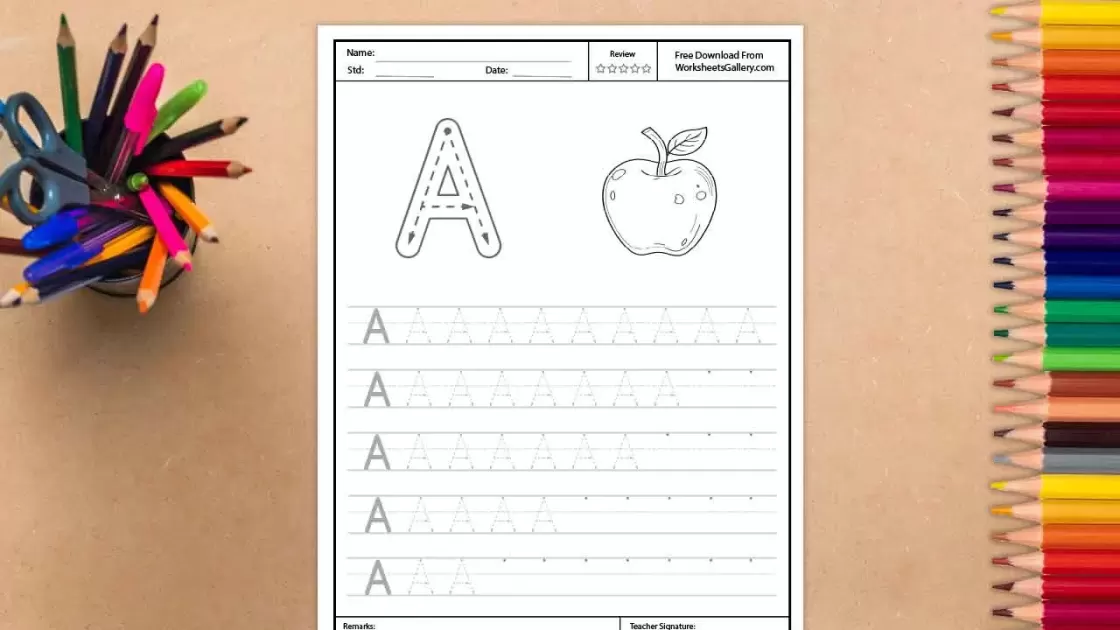
Welcome to a delightful learning experience designed to introduce young minds to the very first letter of the alphabet: 'A'! Our letter A tracing worksheet is more than just lines on a page; it's a foundational step in a child's literacy journey, offering a playful yet structured approach to pre-writing skills and letter recognition. Imagine the joy in a child's eyes as they successfully form their first 'A', connecting the dots and following the arrows. This activity not only builds confidence but also lays the groundwork for future reading and writing success.
Unlocking the Alphabet: The Essence of the Letter A Tracing Worksheet
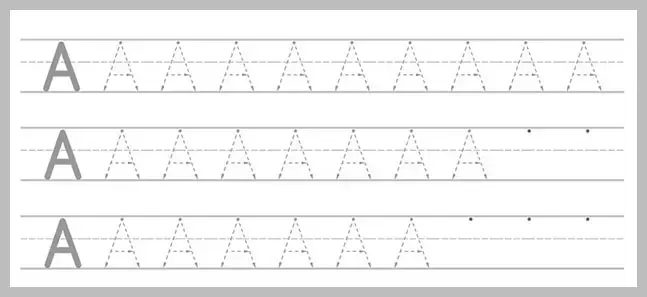
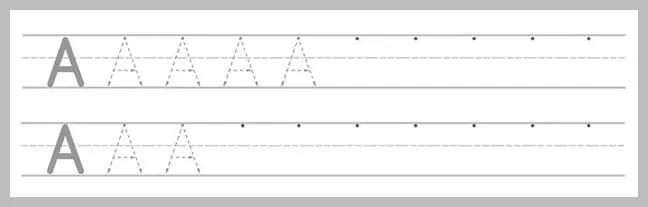
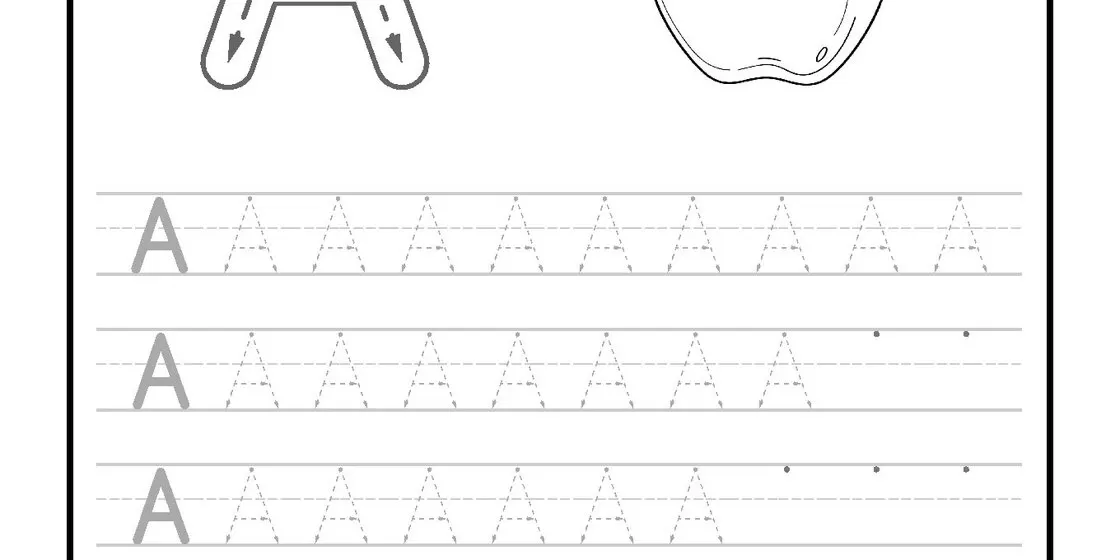
At its core, this worksheet is a carefully crafted tool to guide children through the intricate movements required to write the uppercase letter 'A'. It's an essential stepping stone for preschoolers and kindergarteners who are just beginning to explore the world of letters. The design incorporates clear, dashed lines and directional arrows, transforming what could be a daunting task into an accessible and enjoyable challenge. By repeatedly tracing the letter, children internalize its shape and the motor patterns needed for independent writing. This repetitive practice is crucial for muscle memory development, ensuring that the act of writing becomes more fluid and automatic over time.
Visual Guidance for Little Hands
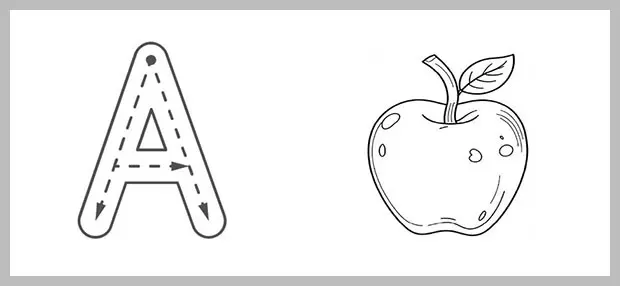
The worksheet prominently features a large, outlined 'A' with numbered arrows indicating the correct stroke order. This visual cue is invaluable for young learners who are still developing their spatial awareness and understanding of sequential tasks. It prevents the formation of incorrect habits and encourages a systematic approach to letter formation. Following these arrows helps children understand the top-to-bottom and left-to-right movements that are fundamental to English writing. This initial guided practice is critical before they move on to independent writing, ensuring a strong foundation.
Beyond just tracing, the worksheet also includes an adorable illustration of an apple, a classic 'A' word. This visual association reinforces the letter-sound connection, making the learning experience multi-sensory and more memorable. Children can color the apple, further engaging their creativity and fine motor skills while subtly reinforcing the letter 'A' concept. This integrated approach ensures that learning is holistic and enjoyable, rather than a dry, rote exercise.
The Profound Benefits of Engaging with a Letter A Tracing Worksheet
Engaging with a letter A tracing worksheet offers a multitude of developmental advantages for young children. These benefits extend far beyond simply learning to write a letter, impacting various aspects of their cognitive and physical growth. Parents and educators will find this resource indispensable for fostering early literacy skills.
Enhanced Fine Motor Skills
Tracing requires precise hand-eye coordination and control over small muscle movements in the fingers and wrist. This strengthens the muscles essential for holding a pencil correctly and forming letters neatly, preparing children for more complex writing tasks.
Boosted Letter Recognition
Repeated exposure to the shape of the letter 'A' through tracing helps children recognize it instantly, whether in books, signs, or other written materials. This visual familiarity is a cornerstone of early reading.
Improved Hand-Eye Coordination
Following the dashed lines and staying within the boundaries of the letter demands careful coordination between what the eyes see and what the hand executes. This skill is vital for many daily activities, not just writing.
Developed Pre-Writing Skills
Tracing is a foundational pre-writing skill that prepares children for independent writing. It teaches them the correct stroke order and directionality, preventing the development of inefficient or incorrect writing habits.
Enhanced Concentration and Focus
Completing a tracing activity requires sustained attention. Children learn to focus on the task at hand, developing their concentration span, which is beneficial for all academic pursuits.
Strengthened Letter-Sound Association
By associating the visual form of 'A' with its sound and a corresponding image (like an apple), children build crucial phonological awareness, a key predictor of reading success.
Seamless Integration: How to Effectively Use This Worksheet
This versatile letter A tracing worksheet can be effortlessly incorporated into various learning environments, from a bustling classroom to a cozy home study nook. Its straightforward design makes it accessible for both educators and parents, ensuring a smooth and productive learning experience.
In the Classroom: A Teacher's Companion
Teachers can utilize this worksheet as part of their daily literacy centers, morning work, or as a supplemental activity for students needing extra practice. Consider laminating several copies to create a reusable station where children can trace with dry-erase markers, promoting sustainability and repeated engagement. It's also excellent for small group instruction, allowing the teacher to provide individualized feedback on pencil grip and stroke formation. For instance, during a 'Letter of the Week' focus, this worksheet becomes the perfect hands-on activity to solidify the introduction of 'A'.
At Home: A Parent's Guide to Fun Learning
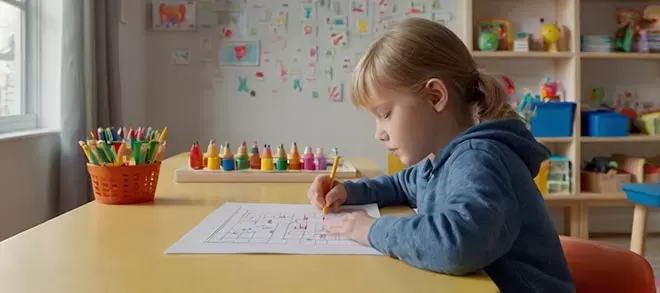
Parents can make learning an enjoyable part of their child's daily routine. Set aside a special 'learning time' each day, perhaps after breakfast or during quiet afternoon play. Provide a comfortable space, good lighting, and a well-sharpened pencil. Encourage your child to say the letter 'A' aloud as they trace, and perhaps even make the 'A' sound. You can extend the activity by asking them to identify other objects around the house that start with 'A', like 'airplane' or 'alligator' from a picture book. This makes learning interactive and connects it to their everyday world.
Here's a practical scenario: Imagine a rainy afternoon where outdoor play isn't an option. Instead of resorting to screen time, pull out this worksheet. Sit with your child, guide their hand if needed, and celebrate each successful stroke. This shared activity fosters a positive attitude towards learning and strengthens your bond. For more tracing fun, explore our collection of alphabet tracing worksheets.
Cultivating Essential Skills Through Tracing
The act of tracing the letter 'A' is a multifaceted exercise that contributes significantly to a child's overall developmental profile. It's not merely about forming a letter; it's about building a robust foundation of cognitive, motor, and linguistic abilities that will serve them throughout their academic journey.
Cognitive Development: Problem-Solving and Memory
When a child traces, they are actively engaging their cognitive processes. They must remember the sequence of strokes, understand spatial relationships (where to start, where to end), and self-correct if they stray from the lines. This enhances their working memory and problem-solving skills. The visual cues on the worksheet, such as the directional arrows, act as mini-challenges that the child must interpret and follow, thereby sharpening their cognitive flexibility.
Motor Skills: Precision and Control
The development of fine motor skills is paramount at this age. Tracing strengthens the small muscles in the hand and fingers, improving dexterity and control. This directly impacts their ability to hold a pencil correctly (the tripod grip), manipulate small objects, and perform self-care tasks like buttoning clothes. The repetitive motion of tracing helps to refine these movements, making them smoother and more coordinated.
Language and Literacy: The Building Blocks
Beyond the physical act of writing, this worksheet supports language and literacy development. By repeatedly seeing, saying, and tracing the letter 'A', children solidify their understanding of its form and sound. This is crucial for developing phonemic awareness – the ability to hear, identify, and manipulate individual sounds (phonemes) in spoken words. When they connect the letter 'A' to words like 'apple', they begin to grasp the concept that letters represent sounds, which combine to form words. This early exposure is a powerful predictor of future reading success.
Beyond the Lines: Extending the Learning Adventure
Once your child has confidently traced the letter 'A', the learning doesn't have to stop! There are numerous creative and engaging ways to extend this activity, reinforcing their understanding and making the learning process even more enjoyable and memorable. These extensions encourage multi-sensory engagement and cater to different learning styles.
- Alphabet Art: Provide finger paints or playdough and encourage your child to form the letter 'A' using these materials. This tactile experience further solidifies the letter's shape in their mind and strengthens hand muscles.
- 'A' Word Hunt: Go on an 'A' word scavenger hunt around the house or classroom. Look for objects, pictures, or words in books that start with the letter 'A'. Make it a game to see who can find the most 'A' words!
- Sing-Along Songs: Incorporate alphabet songs that highlight the letter 'A' and its sound. Many children's songs feature the alphabet, and singing along helps with auditory recognition and memory.
- Snack Time Letters: Use pretzel sticks or carrot sticks to form the letter 'A' on a plate before eating. This makes learning edible and fun, adding a playful dimension to letter recognition.
- Letter Puzzles: Create simple letter 'A' puzzles by drawing a large 'A' on cardstock and cutting it into 2-3 pieces. Have your child reassemble the letter, reinforcing its shape.
- Chalkboard Practice: Take the learning outdoors! Let your child practice writing the letter 'A' with chalk on a sidewalk or a small chalkboard. The larger movements can be very beneficial for gross motor development.
Why Children Adore This Tracing Worksheet
Children are naturally curious and eager to learn, especially when the learning process is presented in an engaging and non-intimidating way. This letter A tracing worksheet taps into that innate desire for exploration and mastery, making it a favorite among young learners. The clear layout and simple instructions reduce frustration, allowing children to experience success early on, which is a powerful motivator.
The inclusion of the friendly apple illustration adds a touch of whimsy and familiarity, connecting the abstract concept of a letter to a concrete, recognizable object. This makes the worksheet feel less like 'work' and more like a fun activity. The satisfaction of completing each line and seeing the letter 'A' emerge under their own hand is incredibly rewarding for a child, fostering a sense of accomplishment and pride. It's these small victories that build a positive attitude towards learning and encourage them to tackle new challenges with enthusiasm.
Your Free Download: Simple Steps to Start Learning
Getting your hands on this fantastic letter A tracing worksheet is quick and easy! We believe in providing high-quality educational resources without any hassle, so you can focus on what truly matters: your child's learning journey. Follow these simple steps to download and print your copy today:
- 1.
Locate the Download Button: Scroll down to the bottom of this page. You'll find a prominent download button, usually labeled 'Download Worksheet' or similar.
- 2.
Click to Initiate Download: Simply click on the button. The PDF file will automatically begin downloading to your device. There are no hidden forms to fill out, no sign-ups required, and absolutely no ads to interrupt your experience.
- 3.
Open and Print: Once downloaded, open the PDF file using any standard PDF viewer (like Adobe Acrobat Reader). Ensure your printer is connected and loaded with paper, then select the print option. For best results, print in portrait orientation.
- 4.
Start the Tracing Fun: Hand the printed worksheet to your child along with a pencil, crayon, or marker, and watch them embark on their exciting journey to master the letter 'A'!
Our worksheets are designed to be completely free of watermarks and advertisements, ensuring a clean, distraction-free learning experience. They are provided in a universal PDF format, guaranteeing easy printing from any device.
We are committed to providing valuable educational resources to support early childhood development. This letter A tracing worksheet is just one example of our dedication to making learning accessible and enjoyable for everyone. We hope it brings much joy and progress to your young learners!
Popular Worksheets
Printable resources families and teachers are downloading now.
 Free
Free
 Free
Free
 Free
Free
 Free
Free