
9 Clever Letter W Tracing Tips for Amazing Handwriting!

Building foundational literacy starts with a firm grip and a steady hand. This free printable Letter W Tracing resource is designed to help young learners navigate the complex diagonal lines of the 23rd letter of the alphabet. Many children find the letter W challenging because it requires four distinct strokes that must meet at precise angles. By using this structured worksheet, students can transition from large-scale guided motions to independent writing. The addition of a friendly watermelon illustration serves as a fantastic phonics anchor, making the learning process both visual and tactile. Whether you are a parent at the kitchen table or a teacher in a busy classroom, this tool provides the repetition necessary for muscle memory without being overwhelming.
The Mechanics of Letter W Tracing
Visual Association
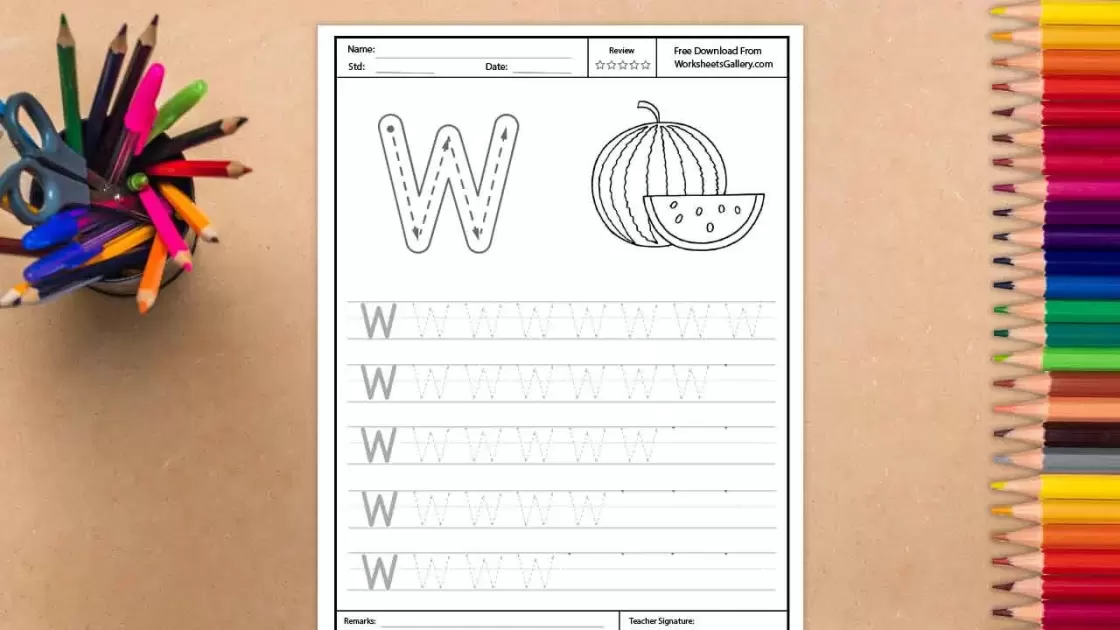
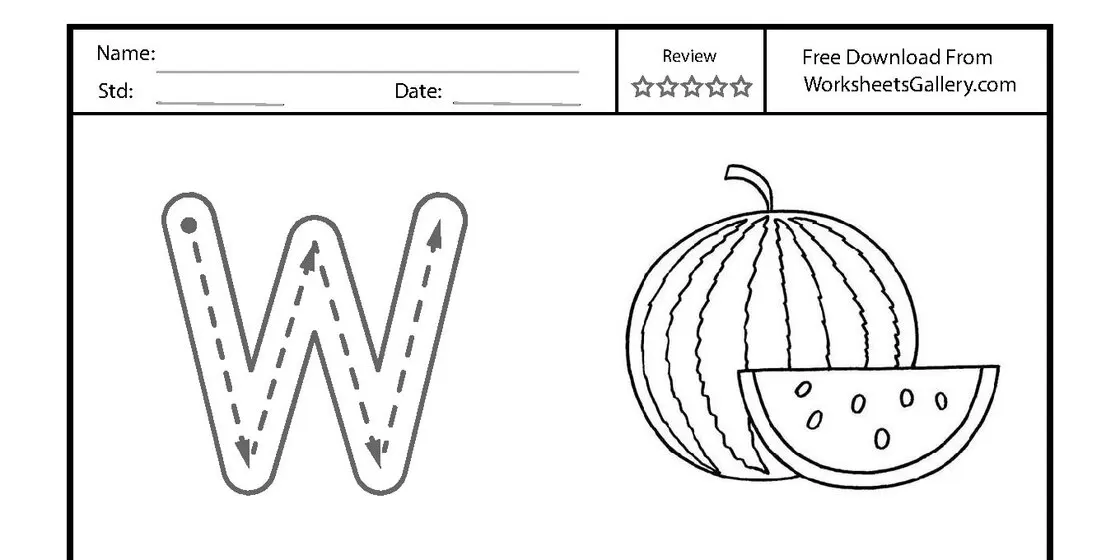
At the top of our Letter W Tracing page, a large graphic of a watermelon and a single slice provides an immediate phonetic link. Children learn that the sound /w/ is associated with this delicious summer fruit. This connection is vital for phonemic awareness, helping the child recognize the letter in books and environmental print later on.
Directional Guidance
The large model letter at the top includes dashed lines and numbered arrows. These indicators teach the child to start at the top left, move down diagonally, then back up, repeating the process. Following these arrows ensures that the child develops a standard writing habit that will increase their speed and legibility as they grow older.
Primary Benefits of Handwriting Practice
Engaging in regular Letter W Tracing sessions offers more than just alphabet recognition. Here are several developmental advantages for children aged 4-6:
- Fine Motor Precision: Managing the pencil to stay within the dotted lines strengthens the small muscles in the hand and wrist.
- Hand-Eye Coordination: The brain must process visual data from the page to guide the hand's physical movement along the zig-zag path of the W.
- Spatial Awareness: Children learn how to position the letter within the horizontal lines, understanding concepts like top, middle, and bottom.
- Attention to Detail: Noticing the difference between a 'V' and a 'W' requires careful observation, a skill that translates into better reading.
- Confidence Building: Completing a full page of Letter W Tracing gives a child a sense of accomplishment and pride in their work.
Classroom and Home Scenarios
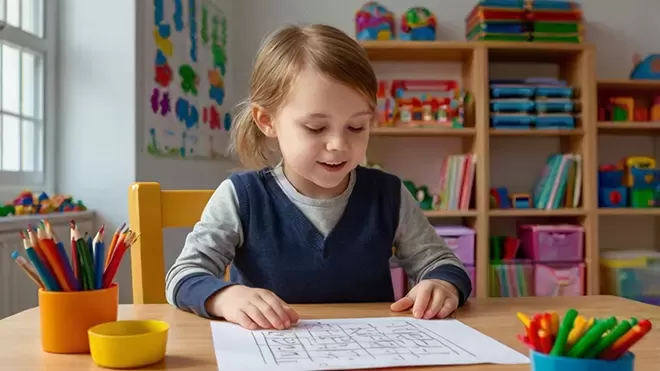
In a classroom setting, a teacher might use this worksheet during a small-group rotation. While three students work on Letter W Tracing, others might be at a sensory bin searching for plastic letters. The teacher can sit with the tracing group to provide immediate feedback on pencil grip. "Remember to start your W at the very top dot," the teacher might say, pointing to the guide. This prevents the habit of writing from the bottom up, which is a common developmental error in early childhood.
At home, a parent could integrate the Letter W Tracing sheet into a 'Watermelon Wednesday' theme. After tracing the letters, the child could color the watermelon at the top using green and pink crayons. To make it even more interactive, the parent might slice a real watermelon for a snack, reinforcing the letter sound in a multisensory way. This makes the academic task feel like a reward rather than a chore.
Mastering the Strokes
The worksheet follows a logical progression of difficulty. Let's look at how the exercises are structured to support the learner:
| Exercise Level | Focus Area | Goal |
|---|---|---|
| Header Letter | Directional Flow | Understanding the 4-stroke sequence. |
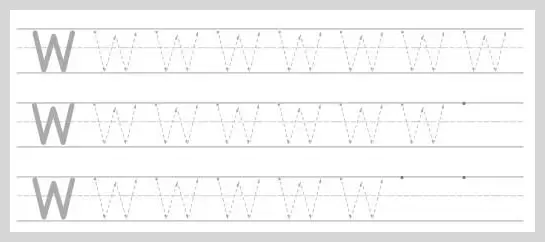
| Top Practice Rows | Full Tracing | Developing muscle memory via repetition. |
| Bottom Rows | Independent Starting | Using the single dot to begin the letter. |
Common Mistakes to Avoid
When children start Letter W Tracing, they often struggle with the 'valleys' of the letter. Instead of sharp points at the bottom, they might create rounded curves, making the letter look more like a double 'U'. Another common error is failing to reach the top line on the middle stroke. Encouraging them to "climb back up the mountain" helps them visualize the full height required for an uppercase W. Check out our Letter V tracing guide to see how mastering the single diagonal helps with the double diagonal of the W.
Creative Ways to Extend Learning
Once the Letter W Tracing page is finished, the learning doesn't have to stop. Try these four simple activities to keep the momentum going:
- Shaving Cream Writing: Spread a thin layer of shaving cream on a tray and ask your child to draw the letter W using their finger. This tactile feedback is excellent for kinesthetic learners.
- W-Word Hunt: Walk around the house or classroom and find objects that start with W, like a window, water bottle, or watch. Have the child point to the object and say the letter name aloud.
- Playdough Shapes: Roll out four long 'snakes' of playdough. Help the child assemble them into a giant W on the table, mimicking the shapes they saw on the Letter W Tracing sheet.
- Rainbow Tracing: Use five different colors of markers to trace over the same W. This turns the repetitive task into a colorful piece of art while doubling the practice time.
Encouraging Your Little Writer
Positive reinforcement is key. Instead of pointing out a messy line, find the best W on the page and circle it with a gold star. Ask the child, "Which W do you think is the strongest?" This promotes self-evaluation. If they seem frustrated with the Letter W Tracing process, take a break and work on something simpler, like the Letter L tracing, which uses straight vertical and horizontal lines. Remind them that every great writer started with a single wobbly line.
Why Kids Enjoy This Worksheet
Children often love the Letter W Tracing activity because of the clear start and finish points. The star review system at the top right of the page allows them to feel like a critic, grading their own performance. The watermelon illustration is also a high-interest image that most children find appealing and easy to color. It provides a creative outlet immediately after the cognitive effort of writing.
Download and Print Instructions
Getting your copy of this Letter W Tracing printable is easy. Our worksheets are provided in a clean, high-resolution format without any intrusive watermarks or advertisements that might distract the learner. Simply click the download button, save the file to your device, and print it on standard A4 or Letter-sized paper. You can print as many copies as you need for your home or classroom, allowing for multiple practice sessions throughout the week. For those moving quickly through the alphabet, you might also want to prepare the Letter U tracing sheet to help them understand the difference between curved and pointed letter bottoms.
Ready for more Alphabet Fun?
Consistent practice is the secret to handwriting success. Use our Letter W Tracing worksheet today and watch your child's confidence grow as they master the art of the diagonal line!
Popular Worksheets
Printable resources families and teachers are downloading now.
 Free
Free
 Free
Free
 Free
Free
 Free
Free