
Letter K tracing with 11 Vital Lessons for Happy Learners

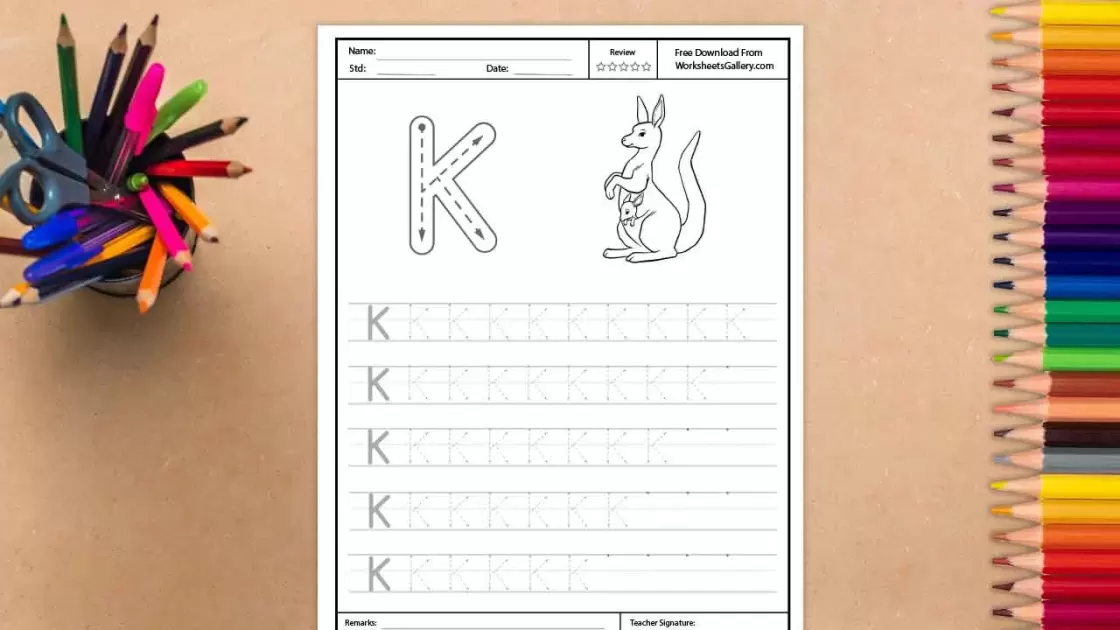
Helping a child navigate the sharp angles of the alphabet is a rewarding journey for any caregiver or educator. Our comprehensive Letter K tracing worksheet provides the perfect scaffold for young writers who are just beginning to explore the world of uppercase letters. By combining visual cues with repetitive motor practice, this resource ensures that children feel confident rather than overwhelmed. Using a friendly kangaroo illustration as a thematic anchor, we transform a simple writing task into a playful discovery session. Whether you are working at a kitchen table or in a bustling classroom, the structural design of this activity supports precise Letter K tracing through clear directional arrows and high-contrast dotted lines. It is an essential tool for bridging the gap between scribbling and legible handwriting, making the learning process both productive and genuinely joyful for everyone involved.
7 Remarkable Benefits of Letter K tracing Practice
Repetitive practice with Letter K tracing offers more than just a path to neat handwriting; it builds the cognitive and physical foundation required for future literacy success. Here is how this specific activity helps your little one thrive:
- Directional Awareness: Following the numbered arrows teaches children the standard top-to-bottom and left-to-right flow of English script.
- Fine Motor Precision: Navigating the "kick" of the K requires micro-adjustments in finger pressure and wrist movement.
- Letter-Object Association: Linking the letter to a kangaroo helps cement phonemic awareness through visual memory.
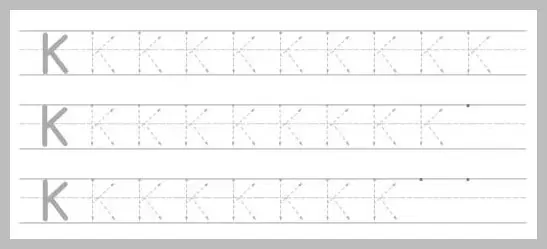
- Confidence Building: The gradual fading of dotted lines allows children to feel successful at every stage of the worksheet.
- Bilateral Coordination: Holding the paper with one hand while writing with the other is a vital developmental milestone.
- Visual Perception: Distinguishing the straight vertical line from the slanted diagonal lines improves shape discrimination.
- Attention Span: Completing multiple rows of Letter K tracing encourages sustained focus on a single, meaningful task.
Mastering the Stroke Order with Your Child
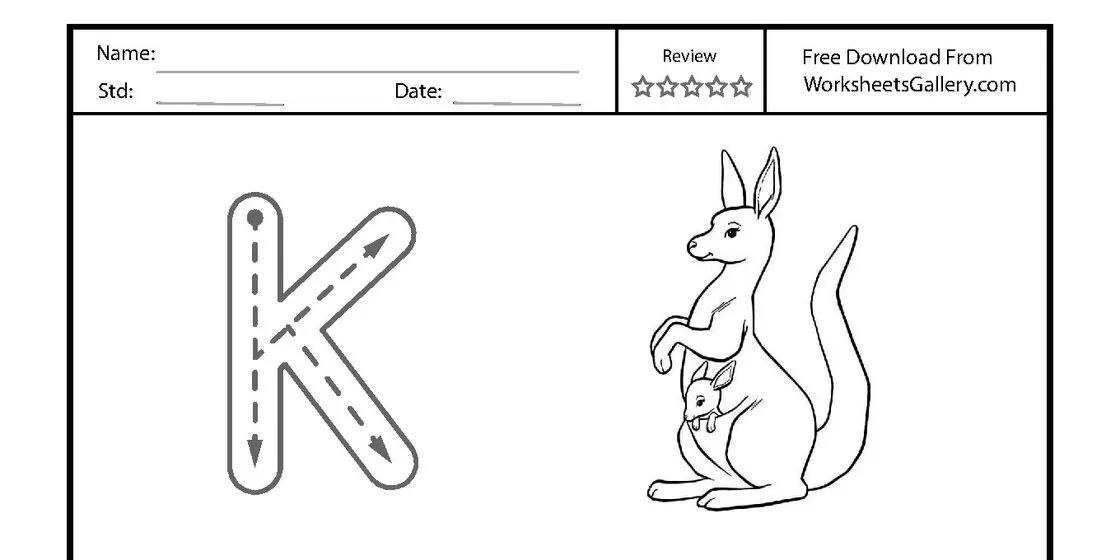
The letter K is unique because it combines a vertical post with two meeting diagonals. For many 3-6 year olds, the "meeting point" in the middle can be tricky. When beginning Letter K tracing, always encourage the child to start with the long vertical line on the left. This provides an anchor for the rest of the shape. Next, guide them to start the upper diagonal from the right, moving down to touch the vertical post. Finally, the lower diagonal kicks out toward the bottom right. This sequence prevents the letter from looking like a messy 'H' or a sideways 'V'. Use the large example at the top of the page to model this movement before they move into the smaller rows.
Real-Life Scenario: The Classroom Writing Center
In a preschool classroom, Letter K tracing becomes a collaborative experience. Imagine a small group of four children gathered at a low wooden table. The teacher provides each child with the worksheet and a set of vibrant markers. As they work, they whisper "Big line down, slide in, kick out" in a rhythmic chant. This multi-sensory approach—combining auditory cues with physical Letter K tracing—helps the motion sink into long-term memory. When a child finishes, they get to color the kangaroo, which acts as a built-in reward for their hard work on the writing portions.
Real-Life Scenario: Home-Based Learning Success
At home, a parent might introduce Letter K tracing during a quiet afternoon. To make it more engaging, they could look at a picture book about Australian animals first. After seeing a kangaroo in a story, the child is excited to see the same animal on their practice sheet. The parent sits beside them, offering gentle corrections if the child tries to draw the letter from the bottom up. By focusing on just one row of Letter K tracing per session, the child feels a sense of accomplishment without the fatigue that often comes from long, repetitive homework tasks.
Detailed Skill Development Through Letter K tracing
| Skill Category | Developmental Focus | Worksheet Application |
|---|---|---|
| Cognitive | Pattern Recognition | Identifying the recurring shape of 'K' across the page. |
| Physical | Grip Strength | Maintaining consistent pencil pressure during Letter K tracing. |
| Language | Phonetics | Connecting the /k/ sound to the visual symbol. |
| Executive Function | Self-Regulation | Working through five rows of Letter K tracing systematically. |
Creative Games and Extension Activities
Once the Letter K tracing is finished, the fun doesn't have to stop. Extend the learning with these creative ideas:
1. The Kangaroo Hop
Tape several printed 'K' letters on the floor. Have your child hop like a kangaroo from one letter to the next while saying "K is for Kangaroo!" This connects large muscle movement to the letter they just practiced on paper.
2. Kinetic Sand Letters
Before using the worksheet, have the child draw the letter K in a tray of sand or salt. This tactile experience makes the transition to pencil-based Letter K tracing much smoother because the brain already understands the required geometry.
3. King of the Kitchen
Go on a scavenger hunt in the pantry for items starting with K. Look for ketchup, kale, or kiwi. Place these items next to their Letter K tracing sheet to create a physical "K-nook" in your home.
4. Rainbow Tracing
Instead of using a single pencil, encourage the child to use five different colored crayons on the large example letter. By the end, they will have a beautiful rainbow 'K', and they will have completed the Letter K tracing motion five times without realizing it was work.
Why Early Writers Love This Worksheet
Kids are naturally drawn to animals, and the presence of the kangaroo and its joey adds a layer of warmth to the academic task. The simplicity of the layout is also a huge draw. Unlike cluttered workbooks, this sheet focuses solely on one character, which reduces visual fatigue. The satisfaction of following a path—much like a maze—makes Letter K tracing feel like a game of precision. When children see their own handwriting improving row by row, they experience a surge of pride that motivates them to try the next letter in the alphabet.
Common Mistakes and Helpful Corrections
While Letter K tracing might look easy, several common errors often pop up:
- Floating Diagonals: Sometimes children forget to touch the vertical line, leaving the letter looking disconnected. Remind them that the diagonals are the kangaroo's legs "kicking" the fence.
- Bottom-Up Strokes: Many beginners start from the bottom. Gently guide their hand back to the top to ensure proper Letter K tracing habits that will lead to faster writing later on.
- Inverting the Letter: If the child draws the diagonals facing left, don't worry. This is a common stage of development. Simply point back to the large guide and trace it together with a finger.
- Overlapping Lines: In the smaller rows, kids might draw the diagonals right over the vertical line. Encourage them to aim for the "dot" on the vertical post to keep things neat.
Practical Tips for Success
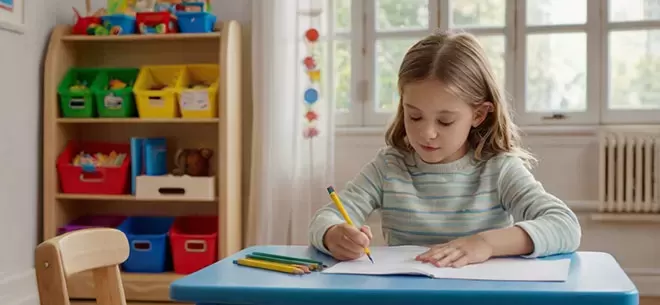
To get the most out of your Letter K tracing session, ensure the environment is set up for success. A flat, hard surface is essential for proper pencil control. If the child is using a pencil that is too long, it might wobble; consider using triangular "beginner" pencils or broken crayons to help them develop a proper tripod grip. Remember to celebrate the effort rather than just the final product. A simple "I love how you stayed on the lines for that K!" can go a long way in sustaining their interest in Letter K tracing over the long term.
It is also helpful to review previous lessons. If they have already mastered letter J tracing, ask them to compare the two. "Does J have straight lines like K?" This type of comparative thinking deepens their understanding of letter shapes. If they are ready for a new challenge after this, they might enjoy moving on to letter A tracing to see how different diagonal lines can be used.
Instructions for Printing and Use
Getting your hands on this Letter K tracing resource is quick and easy. Follow these steps for the best results:
- Click the download link to open the high-resolution PDF file in your browser.
- Our printables are provided in a clean format with no watermarks or distracting ads, ensuring a professional look for home or school use.
- Select "Fit to Page" in your printer settings to ensure all the Letter K tracing lines and the kangaroo image are fully visible.
- Print on standard 8.5x11 paper. For a reusable option, slide the page into a plastic dry-erase sleeve and use fine-tip markers.
- Encourage the child to start with the largest letter before progressing to the smaller Letter K tracing rows at the bottom.
Note: This worksheet is ideal for children in the 4-6 age group who are developing the manual dexterity required for formal handwriting. Consistent, short bursts of Letter K tracing are more effective than one long session, so feel free to spread the activity across several days.
Start Your Writing Adventure Today!
By downloading this Letter K tracing guide, you are providing your student with a proven path to literacy. Watch as their shaky lines transform into confident strokes, one kangaroo kick at a time. This printable is part of our commitment to providing high-quality, accessible educational materials for families everywhere.
Popular Worksheets
Printable resources families and teachers are downloading now.
 Free
Free
 Free
Free
 Free
Free
 Free
Free