
Crossing Paths: 4 Powerful Letter X Wins to Explore
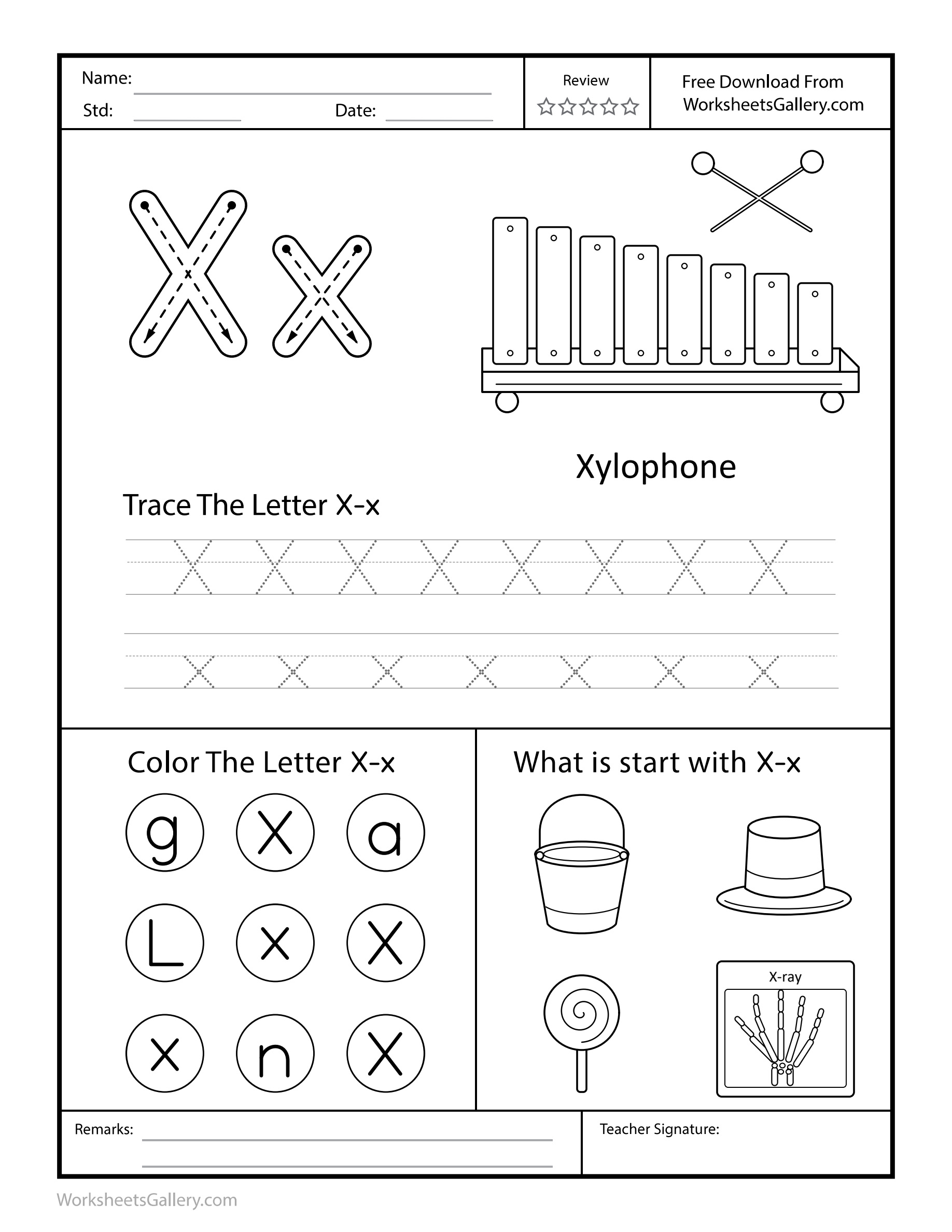
The middle is a meeting place, not a stopping place. Letter X takes two diagonal journeys that pass through the same crossing and continue toward opposite lower corners. Its picture words need a different kind of attention: xylophone begins with a /z/ sound, while X-ray opens with the spoken letter name. This sheet pairs those words with tall and small tracing guides, a circle search and a labeled picture choice. Explore Letter X through an instrument conversation, then let the child decide whether to trace, point or explain a connection.
Read the X-ray label before choosing the picture
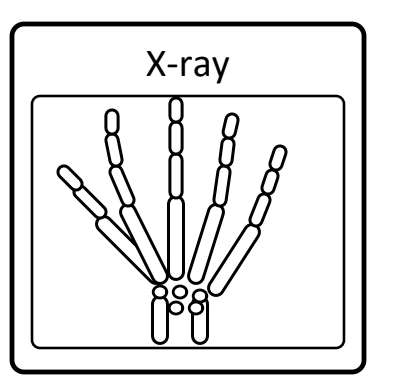
The lower-right Letter X drawing carries the label X-ray. Its printed initial makes it the intended answer to this written-letter task. Name the bucket, hat and lollipop as well, so each option has a familiar spoken label before the child selects one.
The introduction picture is xylophone. Letter X represents /z/ at the beginning of that word. In X-ray, we say the name of X before ray. Those observations belong together on this page because both words visibly start with X, although their spoken openings differ.
For the common /ks/ sound, say box and listen at its end. Do not ask a learner to hear /ks/ at the start of xylophone. An adult can write the three words on separate paper and point to the position of Letter X while supplying the reading.
This distinction makes a child's question useful. If the instrument sounds different from an earlier X example, acknowledge the difference. A written-initial question and a listening question can require different evidence. The learner does not need to memorize a spelling rule to notice that.
Let both Letter X diagonals travel beyond the middle
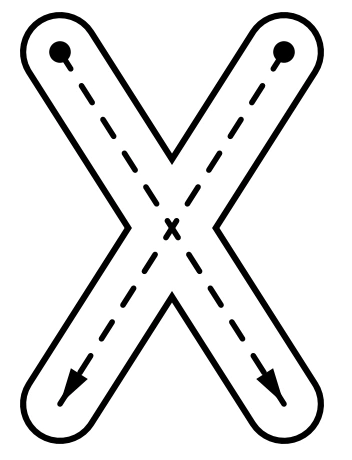
The capital Letter X arrow model shows two sloping routes. One begins at the upper left and travels toward the lower right. The other begins at the upper right and reaches the lower left. Each route continues beyond the intersection, leaving four visible ends around one central meeting place.
Point along an entire route before introducing the second. The child can watch where it finishes rather than aiming only for the middle. With Letter X, stopping at the crossing leaves a half-finished diagonal and changes the balance of the form.
The lowercase Letter X model keeps the crossing construction at a smaller height. The worksheet provides eight capital guides and seven lowercase guides. That gives room for Letter X comparison without requiring every example to be traced during one sitting.
Follow the source arrows and the handwriting approach used by the child's teacher. The two Letter X diagonals are separate strokes; lifting the pencil to begin the next is part of the demonstration. A small gap at the crossing can be discussed by comparing the guide, without demanding that a preschooler repair it through repeated heavy marks.
Six discoveries worth recording beside Letter X
Finishing the diagonal after its crossing supports planning a movement beyond an intermediate landmark.
Tall and small guides invite shorter hand movements while preserving the same arrangement of intersecting lines.
Four ends give the learner concrete places to inspect when deciding whether a drawn form is complete.
The two named pictures demonstrate that matching a written initial is different from matching one spoken opening.
A child can name a picture, indicate its label and give an adult a reason for choosing it.
The circle search asks for both tall and small targets among several distractors, encouraging comparison rather than selection by height alone.
These are opportunities for practice, not promises about a child's development. Around ages three to six, learners differ considerably in vocabulary, attention and pencil control. Pick the part of Letter X that is accessible today and observe that specific response.
An uncle brings a word to the music corner
Amara chooses a toy xylophone from a shelf. Her uncle names it before making a short musical pattern for her to echo. When he shows the worksheet, she notices the illustrated instrument and points between the two. The activity begins with an object she understands, rather than with a demand to read its long name.
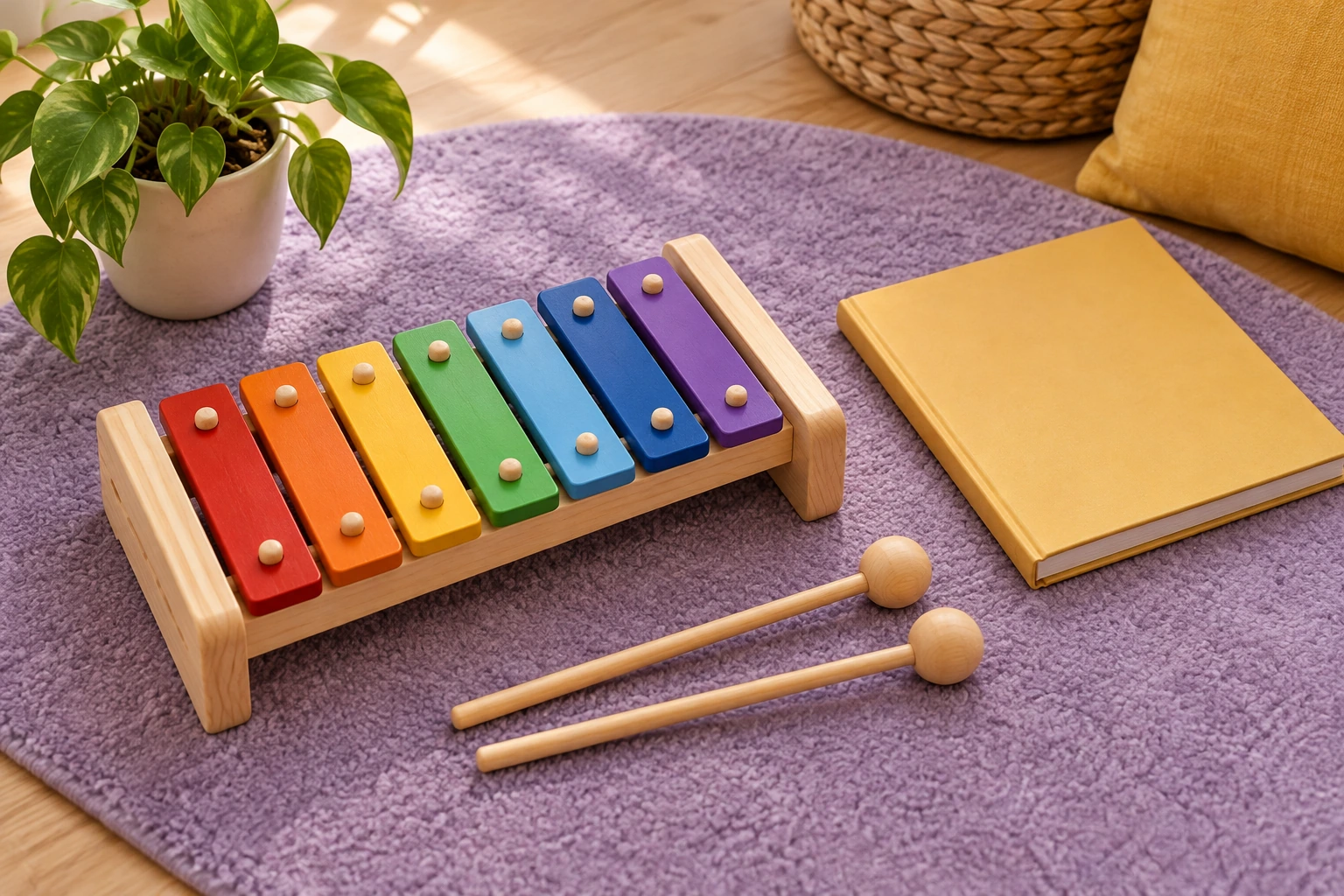
He writes xylophone on a card and points to Letter X. Then they look at the printed X-ray label. Amara hears the different beginnings when he says each word normally. He explains that the worksheet's picture choice concerns the letter at the front of the written word.
They return to the instrument and take turns making brief patterns. After her turn, Amara selects one small guide to trace. Her uncle notices that both diagonal lines extend past the middle. That gives his comment a visible basis: “You carried that line all the way across.”
The photograph offers a vocabulary setting; it does not demonstrate handwriting. Letter X movement comes from the source model. A picture book about instruments can substitute for a toy when no xylophone is available, with an adult naming the pictured object aloud.
In class, watch the far end of the stroke
Place a large Letter X demonstration where everyone can see its four ends. Ask learners to follow one diagonal with their eyes, from its beginning to its lower finish. Repeat for the second diagonal, explaining the pencil lift between them.
A teacher can point at the middle during a second demonstration and ask what still remains to draw. A child who indicates the far corner has recognized the continuation even if tracing is currently difficult. Let gesture count as an answer before moving to individual sheets.
For Letter X practice at a table, make room for the forearm and keep the guide visible beside the working hand. Use the usual pencil grip support for that child. Select one dotted example, follow it, then look back at the large model to discuss the outcome.
The Letter X group can finish by naming the picture options together. Read X-ray directly from its label and explain why the instrument's name also starts with written X. Letter X questions are easier to answer fairly when the teacher says whether children are comparing shapes, spellings or sounds.
Four Letter X explorations for another visit
1. Hear the instrument, then inspect its name
Play or imitate a brief musical pattern and let the child answer with a different pattern. Show an adult-written xylophone label afterward. Indicate its X without expecting independent reading. This Letter X exploration connects a known object with a new spelling observation.
Ask the learner to choose a quiet or lively imaginary tune for a puppet audience. The spoken choice adds a reason to communicate. Finish by returning to the pictured instrument so the toy, word and drawing remain connected.
2. Find where the Letter X line keeps going
On spare paper, draw a large X slowly and pause verbally at the crossing while keeping the intended route clear. Ask which lower corner the stroke will reach. Complete the demonstration and compare the prediction with what happened.
Let the child point instead of drawing a second example. For Letter X, anticipating the endpoint is a useful task by itself. Avoid turning the demonstration into repeated error guessing; end with an unambiguous complete model.
3. Give Letter X a place in three word cards
Write xylophone, X-ray and box on separate cards. Say each word, then point out X at the beginning of the first two and at the end of box. The adult handles reading while the learner compares positions.
Invite a sentence about one pictured object or an imaginary box of instruments. Letter X can remain part of that conversation without making every object name into a sound quiz. Keep the card text large and uncluttered.
4. Trade a Letter X description with a partner
One partner describes the tall or small target without pointing to its circle. The other searches the sheet and explains the choice. Swap roles so the learner has a turn giving the description, using words such as crossing, small or four ends.
If the description is unclear, compare it with the actual options and revise it together. The purpose is a message another person can use. This Letter X game gives shape vocabulary an immediate listener rather than asking for a memorized definition.
Audit the five Letter X circles before adding color
Read the grid as g X a / L x X / x n X. The top row has one target in its central circle. The middle row has two targets in the last two positions. The bottom row has two more in its first and final positions.
That totals three capitals and two lowercase examples. Letter X selections should include both forms. The distractors g, a, L and n offer different outlines to compare with the crossing model.
Ask for one positive explanation and one exclusion: which circle belongs, and which clearly does not? A learner might point to L's corner and compare it with the intersecting diagonals. Another may identify the small x before noticing the larger X beside it.
Color after the pointing check if that suits the child's interest. Letter X recognition remains the task even when the child prefers to explain without coloring. Keep the nine options visible rather than covering them with counters that hide their shapes.
Notice the difficulty before deciding on more tracing
| What happened? | What to compare next |
|---|---|
| A diagonal stops at the middle. | Follow that same model to its far lower end. |
| The two strokes never meet. | Point out their shared crossing on a larger example. |
| Only tall circles are chosen. | Place the lowercase guide beside a small target. |
| The child expects /ks/ in xylophone. | Say the word normally and identify its written initial. |
Letter X can become difficult when a child tries to fix an uncertain crossing by scribbling over it. Offer a fresh guide with a clear model instead. If the line wanders, slow the demonstration and check whether the child can see the endpoint before requesting another attempt.
Letter X motor practice, visual planning and language are related here, but they need not progress at the same speed. A careful spoken explanation can coexist with an uneven pencil trace. Describe what each response shows rather than assigning one overall score.
Save one Letter X question for tomorrow
Return briefly to a question that matters to the learner: the music pattern, the last part of a diagonal or the unusual spelling of xylophone. Keep a familiar successful task available alongside one new choice. Repeated practice becomes more inviting when the child knows what the next visit is for.
For a wider movement selection, compare the ten tracing-line challenges. The other X handwriting page offers another format, while the complete alphabet tracing collection allows a later case comparison.
Print Letter X with its label and crossing guides intact
Use the free choice for the original branded sample. Eligible active members can obtain the clean premium Letter X PDF through the member download. The worksheet website's promotional name and domain marks have been removed from that edition; the printable contains no added advertisements or website watermark.
After choosing a version, open the download and inspect the full frame. Select US Letter paper and portrait printing; fit the outside border inside the printer's usable margins. Confirm that the X-ray label and faint dotted routes remain legible on a test sheet.
Put the page near the child with a pencil, a few colors and an adult ready to name unfamiliar pictures. Letter X offers several sensible starting places. Let the first choice lead to a complete observation, then leave room for another musical turn.
Popular Worksheets
Printable resources families and teachers are downloading now.
 Free
 Free
 Free
 Free