
Spot Letter A: 4 Brilliant Tasks for Confident Kids
◎ See a shape • Follow a route • Hear a beginning
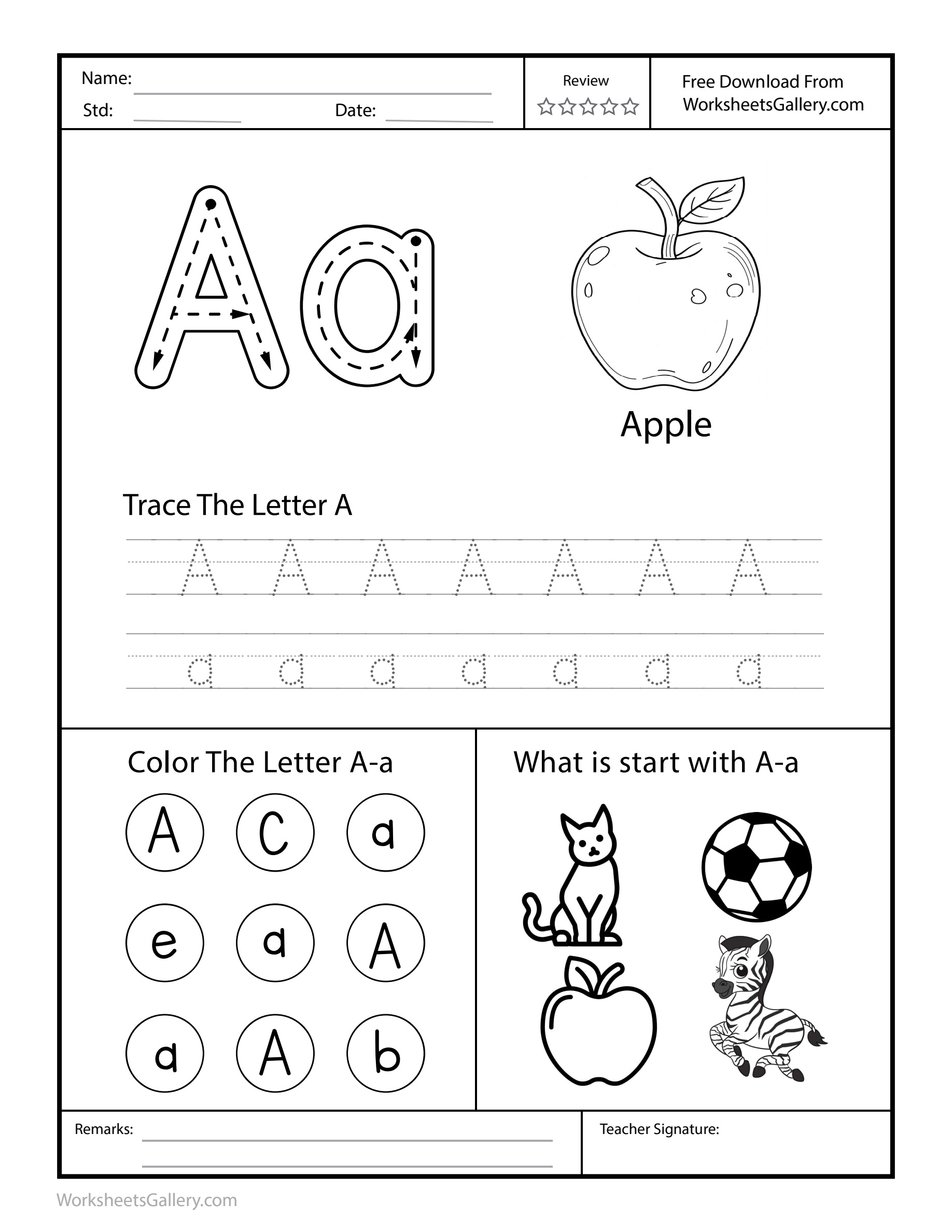
A child can choose the apple correctly and still need help finding lowercase a. That is what makes this Letter A page useful: its activities reveal different parts of early learning. Large letter models and an apple introduce the theme; two tracing strips invite pencil practice; a circle search asks for visual choices; and four pictures invite listening to word beginnings. Work through a small selection, then notice how your child reached an answer. Letter A practice becomes more informative when looking, writing, and listening each get a moment of their own.
Look: which entries show Letter A?
The lower-left Letter A activity contains nine circles. Inside them are capital and lowercase forms, including three capital As and three lowercase as. The other entries are C, e, and b. The task is to find the Letter A forms, even though the two cases look different.
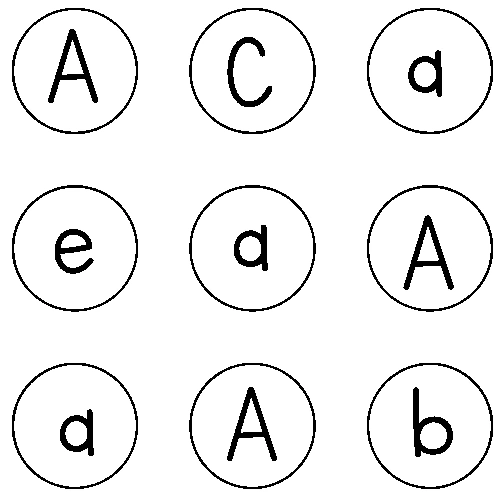
A child may point before coloring. When the learner finds only the capitals, refer to the large lowercase model above. The next Letter A discovery can be a curved form with a stem, rather than another tall shape.
Listen: which name starts like apple?
The lower-right panel shows a cat, a ball, an apple, and a zebra. Name all four before asking for the beginning sound. Apple is the intended choice for Letter A. A learner does not need to read the written names of the other pictures; those names are supplied through conversation.
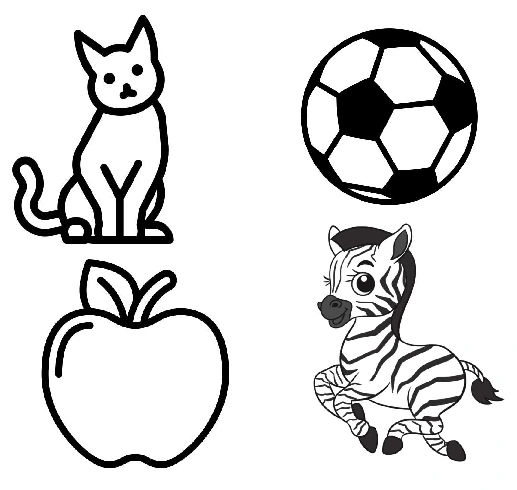
Use the brief opening of apple when modeling the sound, rather than only saying the name “ay.” This Letter A example introduces one pronunciation; save other word patterns for another discussion.
Keep Letter A shapes and spoken beginnings separate
Seeing Letter A in a circle and hearing the beginning of a word are related but different jobs. A learner might recognize A and a confidently, then choose the cat because it is a familiar pet. Another might remember the apple beside the large letter models without yet isolating its first sound.
Respond to the route the child used. Ask for a pointing choice in the letter search, then say the picture names together in the listening task. A correct apple selection can begin a useful conversation; it should not automatically be treated as proof of independent sound recognition.
For later listening work, the short-vowel practice page offers another setting for hearing vowel beginnings. Keep that activity separate if this Letter A session already requires plenty of attention.
An adult's map of the six Letter A choices
Use this map after giving your child a chance to search. Each row contains two targets. The table follows the same left-to-right positions as the printed circles, so you can check a choice without changing the task.
| Left position | Middle position | Right position |
|---|---|---|
| A · target | C · leave | a · target |
| e · leave | a · target | A · target |
| a · target | A · target | b · leave |
Coloring every circle changes the activity into general coloring. Explain that this part asks for selected Letter A entries, then let the child choose a color. Pointing, lightly marking, or coloring the targets can all make the selection observable.
The two Letter A tracing strips have a smaller purpose
Above the choice panels, the Letter A sheet provides one row of dotted capital As and one row of dotted lowercase as, with seven examples in each. Large Aa models near the top include dashed routes, starting marks, and arrows. The apple drawing is labeled Apple; there is no missing-letter word puzzle on this version.
For Letter A formation, demonstrate the capital's sloping sides and joining bar separately from the lowercase curve and stem. Point to the printed movement cues and use a consistent handwriting approach. Begin with a few examples so a child can pay attention to a route instead of concentrating on completing a line.
The tracing result and the recognition result can differ. A learner might color every correct Letter A but need help steering the pencil, or trace a model without recognizing it among other shapes. Keep those observations distinct when deciding what to offer next.
Choose a level of Letter A participation
This Letter A resource is suited to many children aged three to six with adult support. Younger preschoolers may name the apple, point to the large models, and identify a few circles. More experienced learners may trace selected forms and explain a picture choice. Independent reading is not required to join the activity.
A child who is comfortable with broad marks may still find the lowercase stem or the smaller letter circles demanding. Offer a manageable tool, keep the page steady, and allow oral answers before pencil work. The objective is purposeful Letter A practice, rather than a fully colored sheet at a particular age.
When straight and curved routes need more time, return to early handwriting lines on another day. A brief preparation activity can make a later tracing invitation more approachable.
Try Letter A in three short turns
- Introduce the references. Find the large A and a, then name the apple. Show how both shapes belong to Letter A. Read the directions in your own clear words and agree on a small task before beginning.
- Choose one pencil job. Demonstrate a trace on scrap paper, or invite a search through a single row of circles. At home, sit beside the child; in class, show the model clearly before distributing individual turns.
- Add a listening turn and review. Name the four pictures from the Letter A panel, ask which begins like apple, and let the learner point. Finish by inviting one observation about Letter A. Return to another activity area during a later short session if needed.
An adult may fill in the learner details at the top. The review stars and remarks spaces can support feedback, but they do not need to become a score for neatness. Describe an action the child can recognize.
Six Letter A observations behind the answers
- Case recognition: finding both A and a shows that the learner can connect two visual forms with Letter A.
- Feature noticing: comparing a target with C, e, or b encourages attention to curves, openings, and stems.
- Selective attention: leaving distractors unmarked gives the search a specific goal beyond coloring available spaces.
- Motor planning: watching a model and following a few routes offers guided practice for the writing hand.
- Listening and vocabulary: naming the pictures before choosing brings spoken language into the Letter A task.
- Explaining a decision: pointing out a letter feature or a word beginning helps an adult understand the child's reasoning.
These opportunities involve cognitive, motor, and language skills. They develop through varied experiences over time; one Letter A worksheet cannot demonstrate every skill at once. Notice what is emerging without turning each answer into a test.
At home: the capitals are easy, the lowercases hide
Leon finds three capital As in his quiet activity folder and announces that the search is finished. An adult points to the large lowercase Letter A model and asks whether that shape has any matches below. He studies the right-hand stem, spots one a, and continues through the remaining rows.
The adult has learned something precise: Leon's first Letter A search favored the tall form. There is no need to ask him to restart the page. A short look at one lowercase feature gives the next search a purpose, and the coloring he already completed remains part of his work.
In class: agree on the picture names first
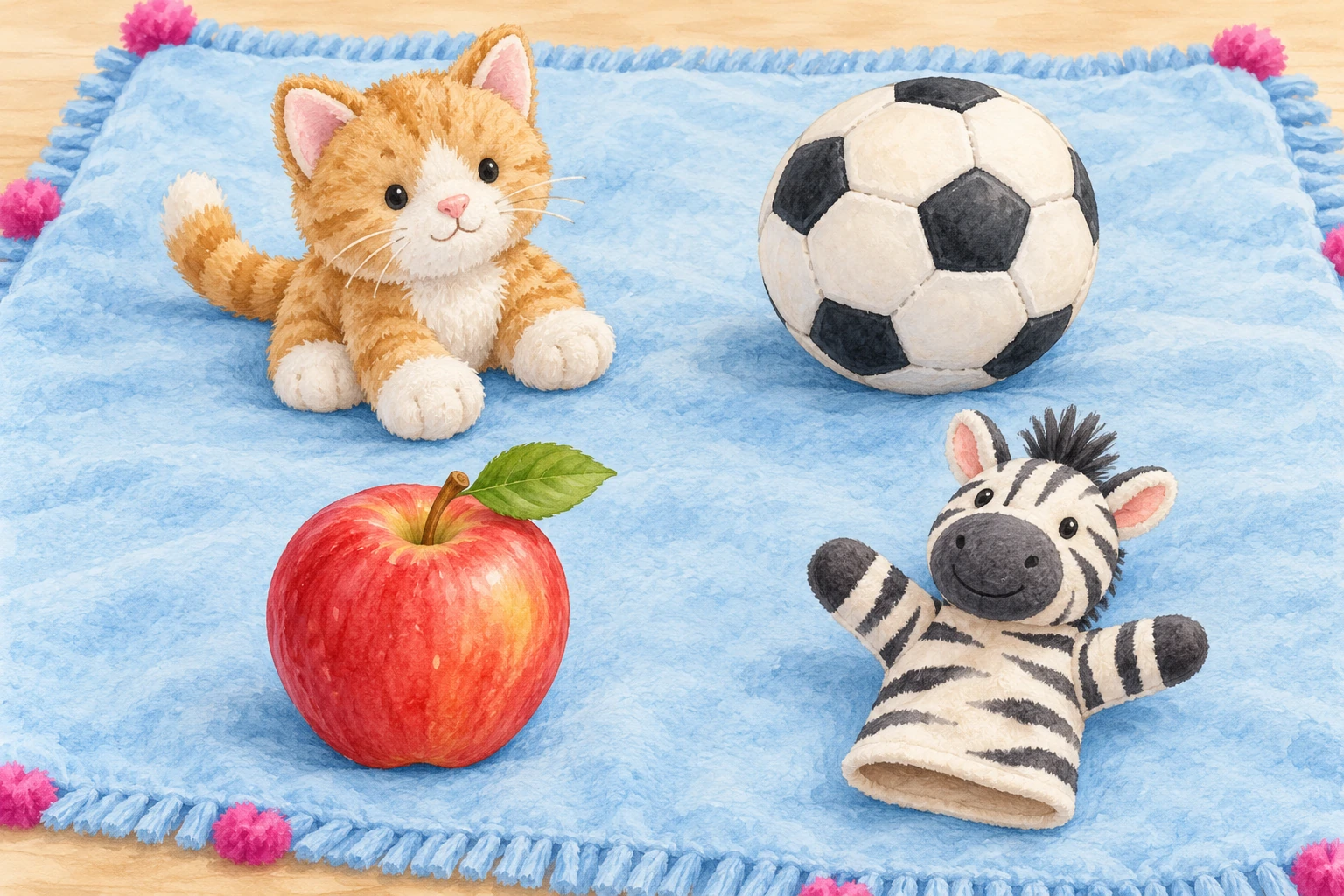
A teacher uses a cat toy, a ball, an apple, and a zebra puppet to introduce the four spoken names. Once the objects are put aside, children return to the Letter A picture panel. One learner points to the apple, while another wants to talk about the cat. The teacher acknowledges the comment, repeats the specific Letter A question, and offers a clear listening turn.
This keeps vocabulary and task understanding visible. A learner who can name the pictures but needs a repeated beginning-sound cue is participating differently from one who is still learning the names. Record that distinction instead of judging only the final choice.
Bring the picture names into a small pretend scene
Separate objects or toys can offer a playful rehearsal before returning to Letter A on paper. Use familiar names consistently: cat, ball, apple, zebra. Describing the cat only as “an animal” changes the spoken word you are asking the child to listen to.
Four ways to extend Letter A beyond the paper
- Describe without naming. An adult says “a round fruit with a stem” while the child points to a picture. Name it together afterward, then return to its beginning. Keep this vocabulary game distinct from the Letter A sound question.
- Step to a sound. Place two plain papers on the floor. Agree that one means “starts like apple” and the other means “another beginning.” Say a few familiar words, demonstrate the choices, and let the learner respond by stepping.
- Give the toys a tiny plot. Invite a short story using the four props. At its end, ask which named object connects with Letter A. Storytelling adds language play without adding another tracing row.
- Sketch a fresh example. Suggest a familiar ant and let the child draw it on spare paper. An adult can write the name, say its beginning, and compare the new example with apple. The drawing does not need to look polished.
When another letter is welcome, Letter B practice offers a separate alphabet visit. Do not make it an automatic extra task after Letter A.
Adjust Letter A when confidence dips
Common Letter A mistakes include marking every circle, finding only one case, guessing a favorite picture, and trying to trace too many forms at once. Clarify the job before correcting the answer. A short pointing demonstration often communicates more than several repeated verbal directions.
For regular practice, choose one familiar moment and one small aim: locate a lowercase entry, try two traces, or name the pictures. Keep a record of a specific change, such as finding an a without an adult pointing beside it. Progress can be a new way of noticing.
Letter A practice should leave room for curiosity and a willing return. An unfinished tracing strip or an uncolored apple does not cancel the useful decisions made elsewhere on the page.
Download the full sheet for your next short session
This Letter A activity is supplied as a one-page US Letter portrait PDF, 8.5 by 11 inches. Its featured JPG is an uncropped conversion of the matching full-resolution worksheet. The two detail images in this guide show selected panels; print from the complete PDF to keep all four activity areas.
- Use the free sample when the original branded edition suits your session. A qualifying active membership provides access to the clean Letter A file through the premium download option.
- Save the PDF, inspect the printer preview, and check that the page frame fits. For A4 paper, use suitable page fitting and inspect a test copy.
- Check that the dotted tracing letters remain clear. Black-and-white printing is suitable for this outline-based activity.
The member edition has no watermark. Website and domain credits are removed, and the PDF contains no advertisements. The original tasks and illustrations remain intact. Membership access applies to this clean edition; the free sample retains its source branding.
Popular Worksheets
Printable resources families and teachers are downloading now.
 Free
Free
 Free
Free
 Free
Free
 Free
Free