
Xx Worksheet: 4 Powerful Xylophone Crossing Games
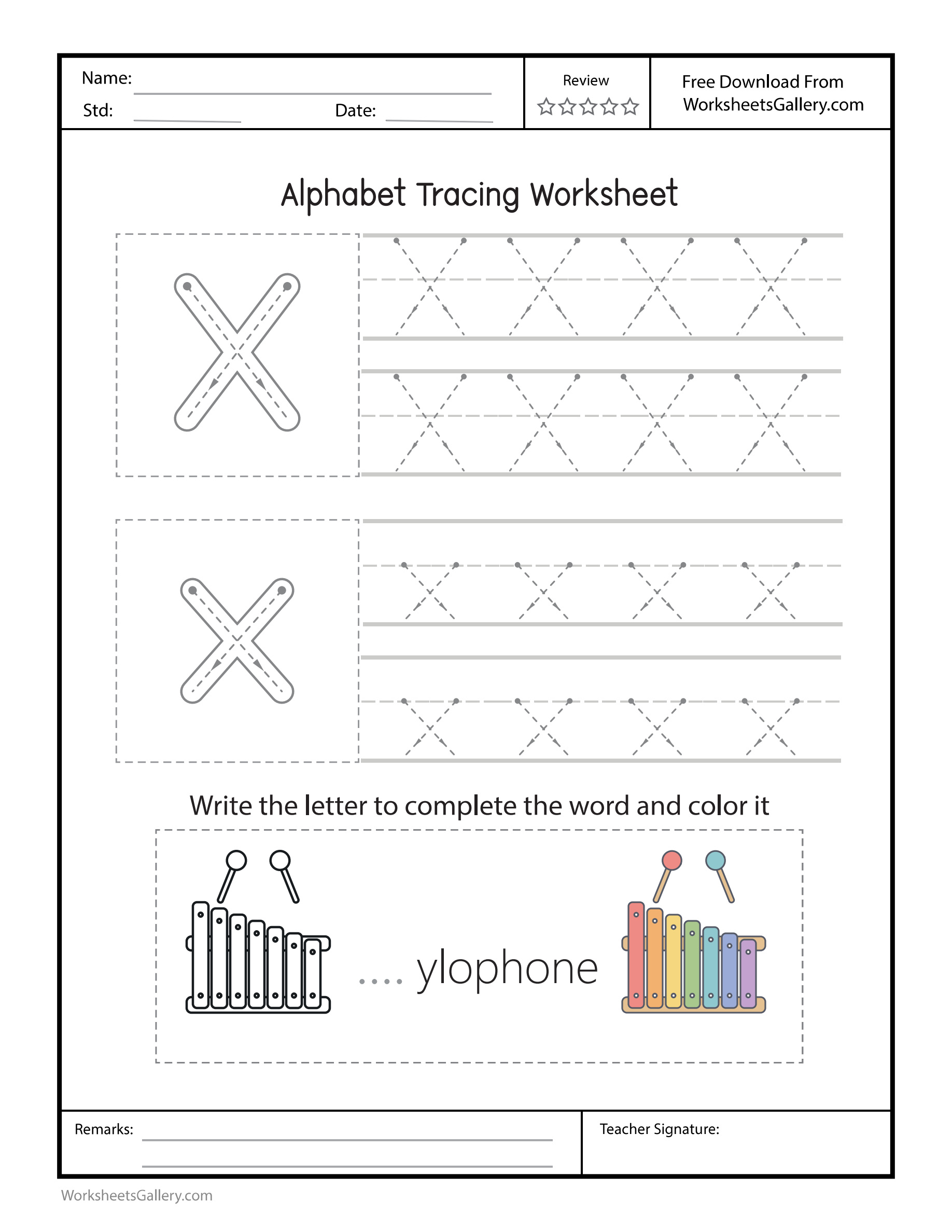
The Xx xylophone activity belongs to the complete A–Z letter-pair collection. One $4 purchase supplies all 26 clean tracing pages in a single alphabetically ordered PDF, including this xylophone crossing station lesson.
Two diagonal strokes can meet in one recognizable crossing. The Xx Worksheet gives that meeting a musical setting through a pictured xylophone and its unfinished word. Tia and her older cousin prepare a pretend instrument tag, keeping the large guides nearby while choosing an initial to write. The picture introduces the written letter x, although xylophone begins with the spoken sound /z/. That distinction keeps the conversation accurate. A learner can study the crossing, compare case heights and make a broad attempt before deciding whether a small tracing form is useful today.
What the Xx Worksheet picture tells a reader
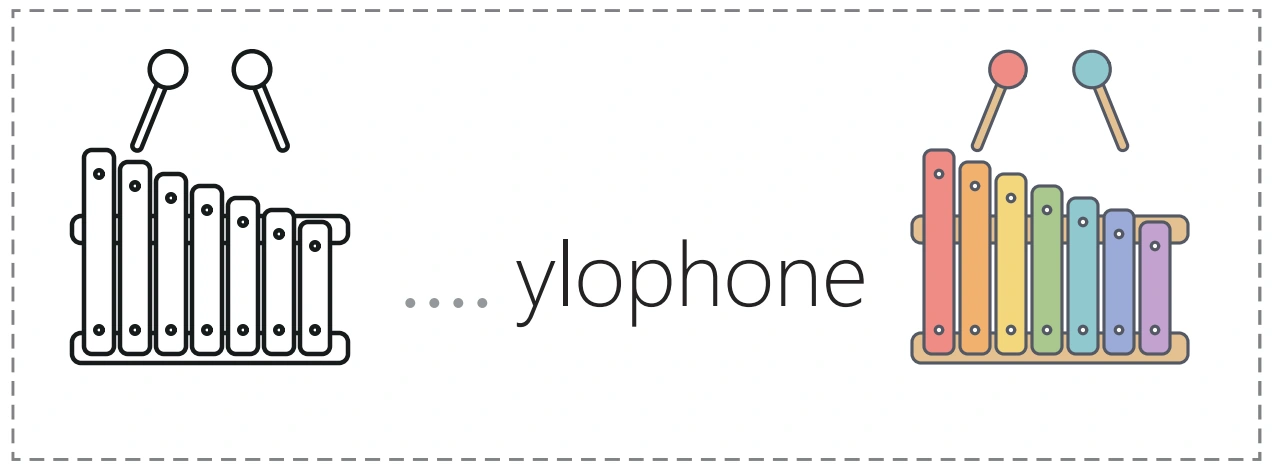
The Xx Worksheet pairs an outlined xylophone with a colored reference and a label missing its first written letter. Find the space before the printed ylophone. A lowercase x completes the intended answer. Read xylophone aloud after the child supplies it, demonstrating how a single initial contributes to a longer word without asking a beginner to spell the remaining letters independently.
The first letter of xylophone is x, but its initial sound is /z/. Explain that distinction simply during Xx Worksheet talk. For a different Xx Worksheet listening example, say box: its final x represents /ks/. Xylophone uses another pronunciation for its written initial. Do not prompt a child to say /ks/ylophone or present the instrument as a regular initial /ks/ example.
The Xx Worksheet task can stay focused on a written beginning even if the spoken-word comparison needs adult support. Say the instrument's name naturally, point to the supplied remainder and identify the missing x. A learner can recognize the correct initial without having learned every spelling pattern represented by the word. The adult's reading supplies context for that manageable contribution.
Follow the Xx Worksheet crossing with your eyes first
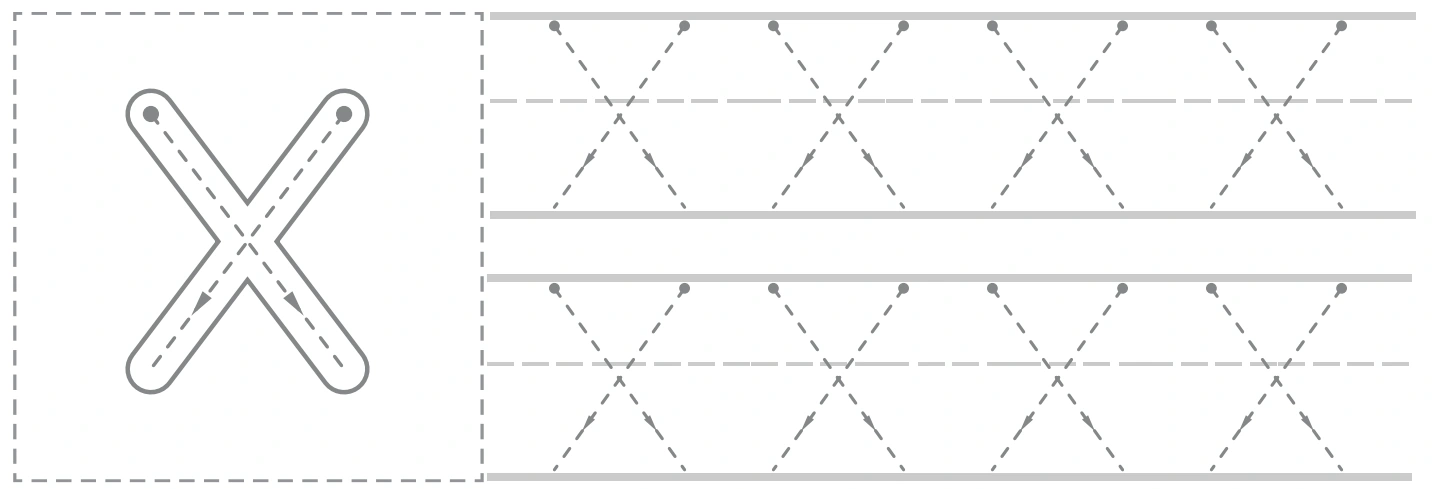
Capital X on the Xx Worksheet uses two diagonal routes that cross. Locate the starting cues and inspect the printed direction arrows before tracing with a finger. The shared crossing needs to remain visible when the second stroke arrives. An adult can point to that meeting rather than giving a vague request for a neater or more symmetrical overall shape.
The capital Xx Worksheet rows offer eight smaller examples. Try one selected form after the broad model has been explored. If the slopes miss each other, compare their meeting on a larger blank card. A fresh broad attempt can show the intended plan more clearly than repeatedly adding lines to an uncertain small shape until its original route disappears.
Xx Worksheet partners change height without changing identity
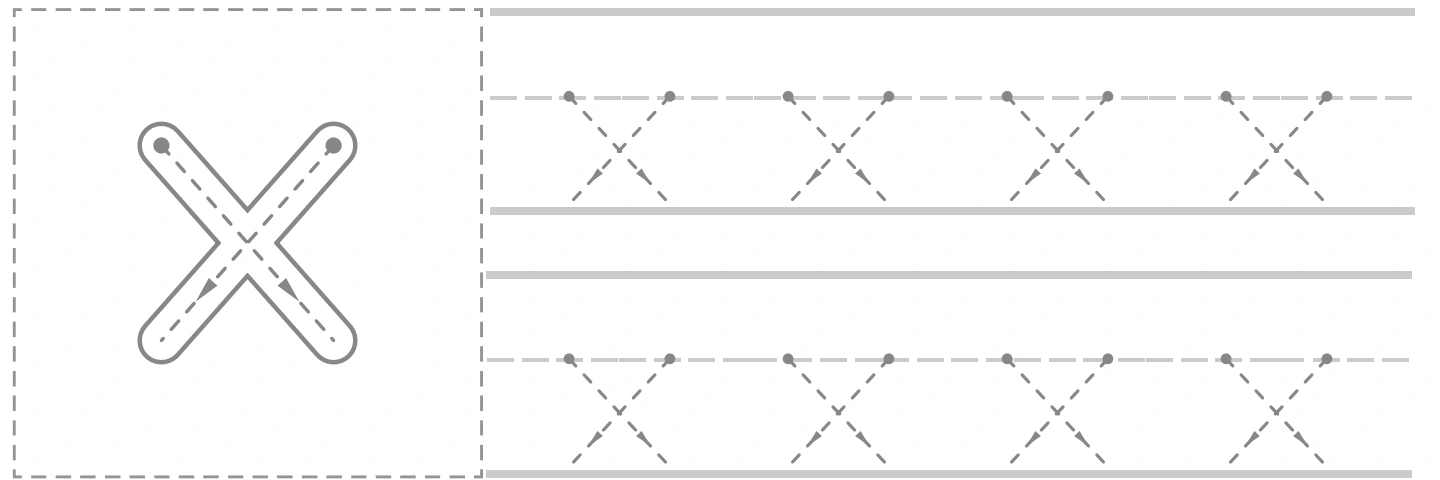
The small x panel of the Xx Worksheet provides another large guide and eight little forms. Its crossing resembles the capital's plan, while the ruled height is smaller. Match X and x before judging size control. A child may confidently identify the partners yet need support to keep the lowercase diagonals within their narrower writing space.
Use the Xx Worksheet source when a child makes an upright plus shape instead of crossed diagonals. Inspect where each route begins and ends relative to the guide. The comparison concerns the visible letter pattern, not whether the attempt looks generally good or bad. One concrete adjustment gives the next try a useful purpose that the learner can explain.
If a writer keeps adding another stroke, return to the two intended Xx Worksheet diagonals on a wide card. Follow their routes individually, then notice the completed meeting. Extra practice should clarify those decisions rather than hide them under a dark mark. The learner can stop after identifying a useful crossing, even if the pencil is set aside before another small trace.
Tia organizes an Xx Worksheet instrument-tag station

Tia places a toy xylophone near a blank tag while her older cousin reads its name. With the Xx Worksheet as their guide, she chooses the small x for the tag's beginning. She first crosses two broad finger routes and points to where they meet. Her cousin writes the longer instrument message on another card, leaving Tia's contribution clearly visible.
At home, the Xx Worksheet story can use an instrument drawing rather than a real xylophone. Tia can dictate who might play it and where the imagined music happens. The adult reads a complete label, and she identifies its initial or adds a broad x on a separate card. The story gives the mark a purpose without turning the session into independent spelling of a difficult word.
When Tia asks why the word begins with a /z/ sound, her cousin returns to the Xx Worksheet label. They distinguish its written x from its spoken beginning, then say box to hear /ks/ elsewhere. The explanation can end there. A single accurate contrast is enough; the learner does not need a catalogue of every way x can occur in English before completing the pictured initial.
Six Xx Worksheet discoveries to carry forward
The Xx Worksheet makes a meeting place observable
The crossed diagonals provide a particular point for inspection. A learner can gesture to it and explain where the second line should pass. Such planning may be clear before fine hand control consistently carries both strokes through the intended small area.
Xx Worksheet case matching can precede precise scale
X and x share a recognizable shape family. Match them first, then inspect their ruled heights as a separate decision. This lets an adult distinguish knowledge of letter identity from the physical challenge of reproducing one partner at a smaller size.
An Xx Worksheet model supports a limited stroke plan
Two diagonals give the learner a manageable route to consider. The source's starting cues and arrows remain available for checking that plan. A finger rehearsal can reduce the need for a long spoken instruction while keeping attention on visible features.
Xx Worksheet labels connect marks with meaning
One x helps complete the supplied name of the pictured instrument. Adult reading makes that written contribution useful immediately. The child can take part in a shared message without carrying responsibility for the whole word's unfamiliar spelling.
Xx Worksheet conversation separates spelling from sound
Xylophone's initial x and spoken /z/ give an adult a reason to explain a specific distinction honestly. The comparison with box can remain brief and supported. Identifying the written answer should not require pretending that the pictured word begins with /ks/.
An Xx Worksheet revisit can inspect a chosen diagonal
Save a broad crossing card and note which route needed the model. Return to that one observation during another short session. A remembered decision gives regular practice continuity without assuming that more completed copies automatically reveal better understanding.
Four instrument-tag games after the Xx Worksheet
1. An Xx Worksheet crossing with broad paper strips
Place two strips diagonally across each other while looking at the capital source. Move one so they no longer cross, and invite the child to restore the meeting. The pieces make the route easy to change without erasing. Compare the repaired arrangement with the guide before offering an optional pencil version at a comfortable size.
2. Select an Xx Worksheet tag by its height
Write X and x on separate adult-made tags. Name a case and let the learner choose it, then compare the heights and shared crossing. Exchange their positions for a later turn. The task concerns letter recognition, so a pointing response is enough; another written attempt can follow only if it serves the learner's current goal.
3. Listen to two Xx Worksheet word examples
Say xylophone naturally and identify its written initial x. Next, say box and notice /ks/ at the word's ending with adult help. Do not ask the child to force the same beginning sound into both examples. The useful discovery is that this written letter does different work in these particular words, not that a beginner must explain a new rule independently.
4. An Xx Worksheet tag beside an imagined concert
Invite a drawing of a pretend music scene and let an adult record the dictated announcement. Read an instrument label and find its first written letter together. A child can contribute a broad x on another card or point to its small-case model. The creative message remains theirs even when the adult handles its longer written details.
Use the Xx Worksheet crossing station with a group
In a classroom, children approximately three to six may alternate between locating the diagonal meeting, matching the cases and choosing the picture-word initial. Keep a broad practice card available beside the source. The Xx Worksheet allows different kinds of participation, and an adult can record the feature that became clearer without ranking children by how many small guides they finished.
| A crossing-station observation | A model to inspect |
|---|---|
| The slopes pass without touching. | Locate the Xx Worksheet diagonal meeting. |
| An upright plus replaces the x. | Inspect the source's slanted endpoints. |
| The word is prompted with initial /ks/. | Read xylophone naturally with its /z/ beginning. |
Name the crossing decision the child understood. Xx Worksheet feedback can focus on a visible diagonal or case choice. If a learner becomes tense, use broad strips or a finger gesture and leave the pencil for another visit. The instrument tag can remain meaningful during a writing pause. Picture coloring and a dictated concert idea provide other ways to stay involved.
Returning to the Xx Worksheet regularly can begin with a saved broad example. Ask the learner to show the meeting place or choose the lowercase initial, then decide whether another small trace would add useful information. Brief practice with a remembered purpose supports a calmer routine than repeated correction of every mark across a whole row.
Choose an Xx Worksheet download and collection
Download the original Xx Worksheet freely for a single-sheet activity. Eligible active members can access its separate clean premium PDF, with website branding, domain-name lettering and watermark words removed and no advertisements embedded in its pages. The linked $4 alphabet package gathers all 26 clean worksheets into one purchased PDF, offering the complete sequence for later selective use.
Prepare the Xx Worksheet on portrait US Letter paper, retaining the entire border and checking its light tracing dots in the print preview. For supporting activities, try an early collection of guided hand pathways, a second set of varied tracing directions or five with its own tracing and picture connection. Adults may find further ideas in Reading Rockets' introduction to alphabet knowledge and NAEYC's guidance for supporting writing at home. A well-explained crossing is a useful contribution to the next pretend concert.
Popular Worksheets
Printable resources families and teachers are downloading now.
 Free
 Free
 Free
 Free