
Ii Letter Investigator: 3 Clever Igloo Word Checks
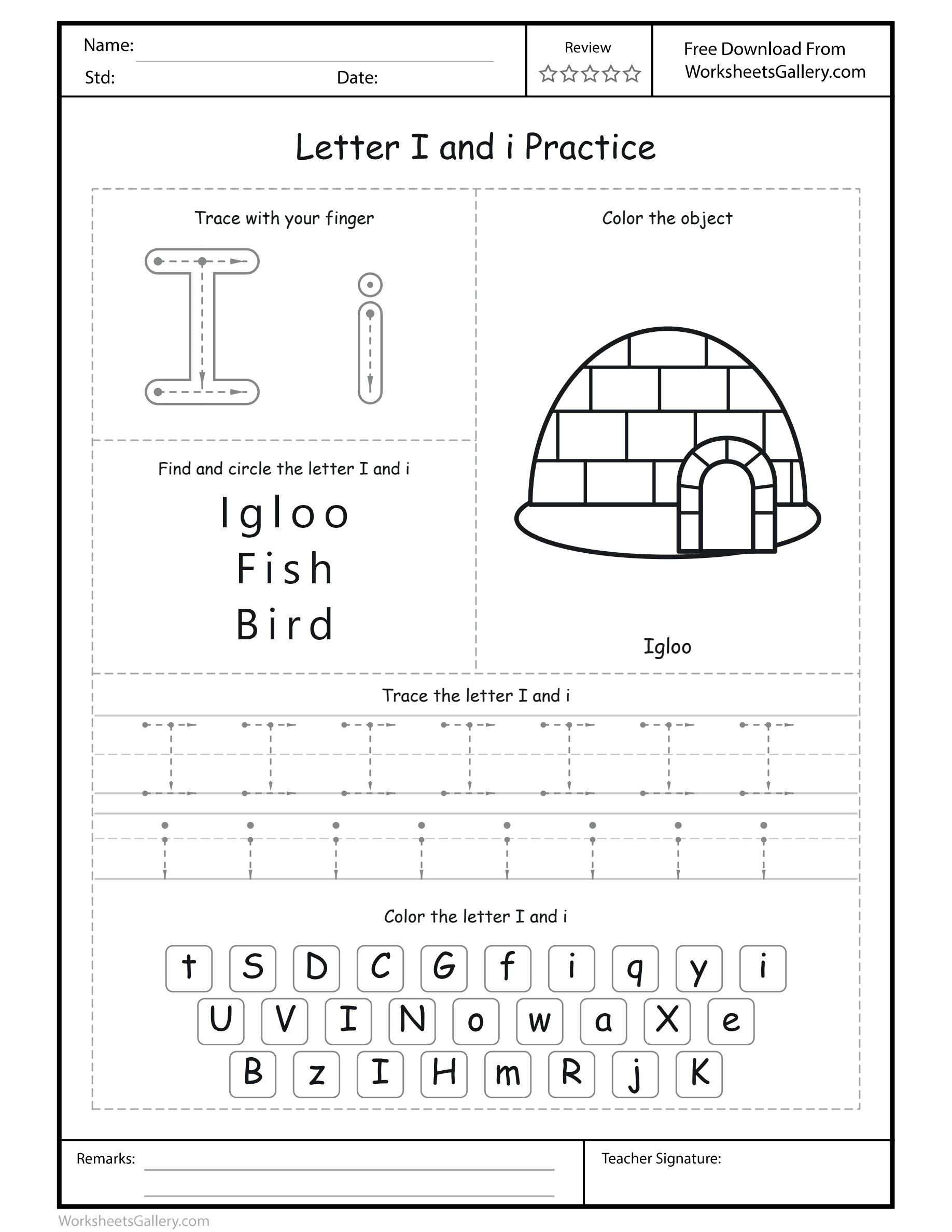
Ii Letter Investigator belongs to the 26-page collection. Use the lowercase dot and supplied capital bars while spotting i in Fish and Bird.
A tiny dot changes the search on this sheet. Ii Letter Investigator invites children to connect a barred capital I with a dotted lowercase i, then find that letter family in Igloo, Fish and Bird. The two animal words place i inside their labels, so the first character is only the beginning of the inspection. With adult reading support, preschoolers can point, trace, colour and compare without needing to decode every word. The printed models stay nearby whenever a mark looks uncertain or a hand needs a slower start today.
Start with the dot, then meet the bars — Ii Letter Investigator
Look at the large lowercase model in Ii Letter Investigator. Its dot is separate from the upright stroke. Invite the child to point to both parts, then compare the capital beside it. On this supplied sheet, capital I has horizontal bars at its top and bottom. These are useful visible clues when other tall, narrow characters seem alike.
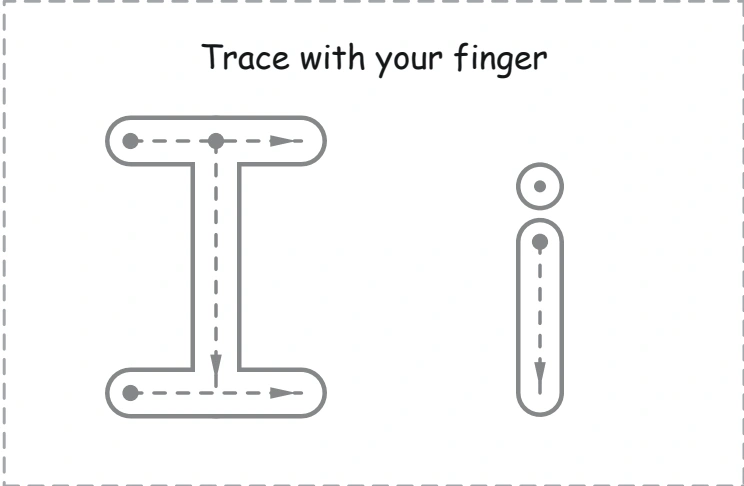
Name both as forms of the letter I. Avoid describing lowercase i as merely a smaller capital: its dot and outline make the difference more specific. If another book uses a plain capital I, explain that print styles can change. For this visit, the model in Ii Letter Investigator provides the reference for the tracing and tile comparisons.
Air movement can come before pencil work. Trace the tall capital with a finger, observing the printed start cues and arrows, and then trace the smaller stem and add its dot. Give the separate dot a deliberate moment. A child who draws one continuous line through it can return to the model and see why the two marks are distinct.
Three labels, three useful stops: Ii Letter Investigator
Read Igloo, Fish and Bird from Ii Letter Investigator while the learner watches the print. Igloo supplies I at its first position. Fish has i at position two, and Bird has i at position two as well. Circle the target character within each label. There are three relevant letters in this panel; the whole word does not need a large enclosing circle.
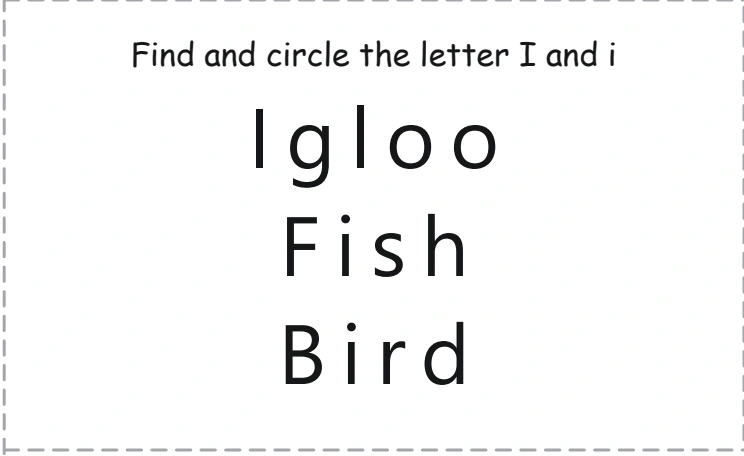
| Word shown | Target location | A helpful observation |
|---|---|---|
| Igloo | I first | The capital has bars. |
| Fish | i second | Its dot sits after F. |
| Bird | i second | Look just beyond B. |
The two interior targets let Ii Letter Investigator test a simple idea: a known letter can sit inside a word that begins with something else. Read the complete word normally, then name the visible letter. Do not require a child to recite every sound or spell the whole label before acknowledging a correct i discovery.
An imagined museum of little marks: Ii Letter Investigator
Imagine Idris helping his class build a small “mark museum.” The teacher displays an I card, an i card and completed labels for Igloo, Fish and Bird. Idris notices the dot on the i card and wants to collect more examples. At Ii Letter Investigator, he first points to the capital in Igloo, then says the other words start with the wrong letters.
The teacher reads Fish again and slides a finger along its characters. Idris finds the dotted i after F. Bird becomes a second chance to apply that observation. He does not have to read either animal name independently; the adult supplies the spoken label and he supplies the visual comparison.
The class records his discovery with a finished card reading “i inside.” That imagined display gives the small mark a public role without making performance competitive. If Idris wants to stop after the labels, the handwriting and tile areas of Ii Letter Investigator can wait until another short visit.
Six ways the small details matter: Ii Letter Investigator
Attending to separate parts. The stem and dot encourage a learner to inspect a symbol as a whole made of distinct marks. Missing the dot becomes a concrete feature to revisit rather than a vague judgement about neatness.
Linking uppercase and lowercase. Ii Letter Investigator places the two forms close enough for direct comparison. Naming them together helps connect a familiar capital with a less conspicuous character inside a label.
Moving beyond initial letters. Fish and Bird share an interior i position even though their first letters differ. Checking after F or B gives the search a repeatable route.
Planning short movements. A small upright stroke and a separate dot ask for two controlled actions. A relaxed hand can practise those actions with finger movement before using a pencil.
Explaining a selection. A child can point to a bar or dot as evidence. Ii Letter Investigator makes a spoken reason available even when a written explanation would be far beyond the learner's present skill.
Reviewing without alarm. Comparing an uncertain tile with the model gives the child something useful to do next. A changed choice can show careful attention rather than failure.
The igloo picture is a colour choice: Ii Letter Investigator
The object area of Ii Letter Investigator offers an igloo to colour. No printed rule prescribes a particular palette. A learner might choose pale blue, bright patterns or several colours, and an adult can ask which part they want to discuss. Keep a colour decision separate from whether the letter target was identified accurately.
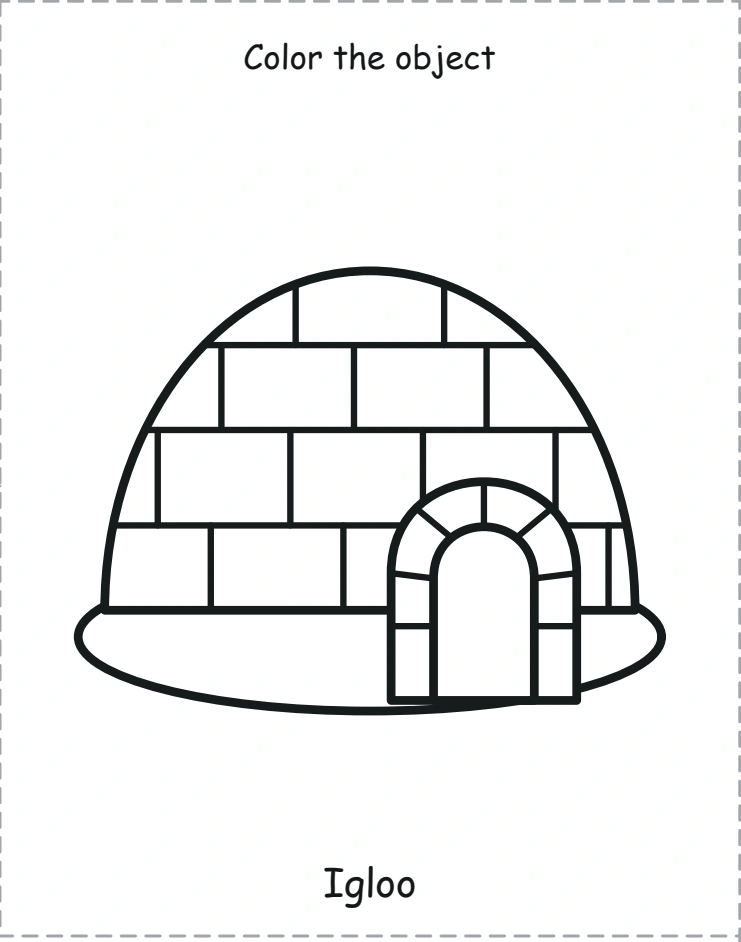
This pause can also restore attention before the smaller guides. Invite a description such as “a blue door” and write the completed phrase on separate paper if the child wants a label. Do not fill the worksheet with adult-added words that obscure its original instructions or make the remaining search difficult to see.
A row of capitals and a row of dotted letters: Ii Letter Investigator
Seven capital guides and eight lowercase guides appear in Ii Letter Investigator. Count them for adult planning, then select an amount that fits the child's concentration. A learner can practise two careful examples and return later. Finishing all fifteen is not a prerequisite for having made a useful letter observation.
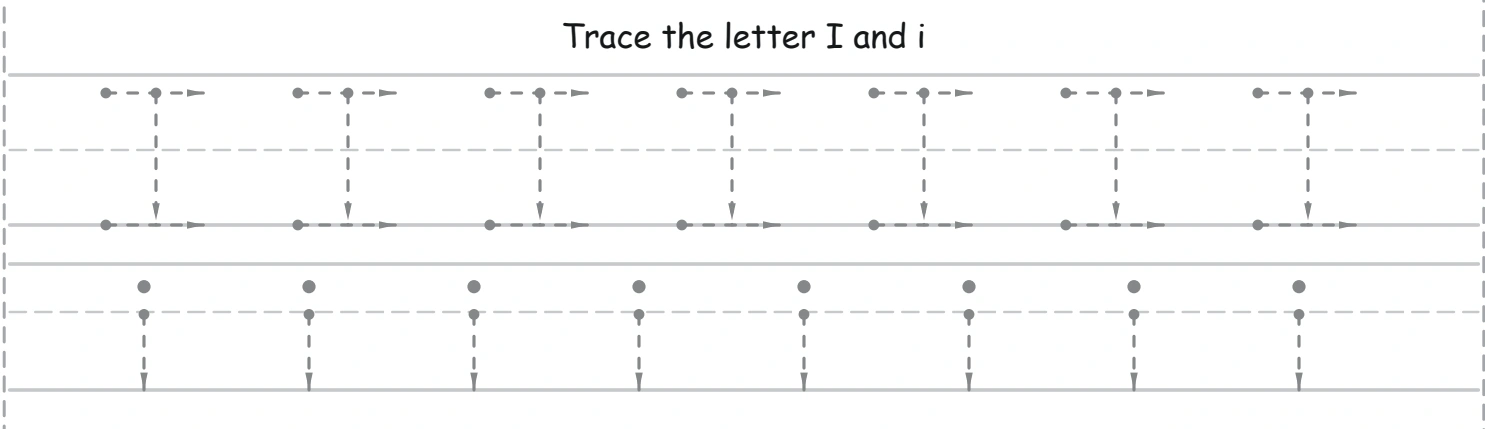
Watch the point at which the dot is added. Some children remember the upright stroke but move to the next guide before completing i. Pause beside one unfinished example and ask what the model has that this attempt is missing. The child may supply the dot without a longer explanation.
For capital I, compare the top and bottom bars with the printed reference. One feature at a time is enough. If a hand is tiring during Ii Letter Investigator, return to pointing or make a larger finger movement on the table. Ii Letter Investigator should offer manageable movement practice, with the sheet supported and a comfortable tool available.
Four targets among twenty-seven tiles: Ii Letter Investigator
Inspect the lower field of Ii Letter Investigator in its three printed rows. The rows contain ten, nine and eight tiles. Two capital I forms and two lowercase i forms are targets. Adult checking positions, counted across the field, are 7, 10, 13 and 22. The learner can instead work visually from one row's beginning to its end.
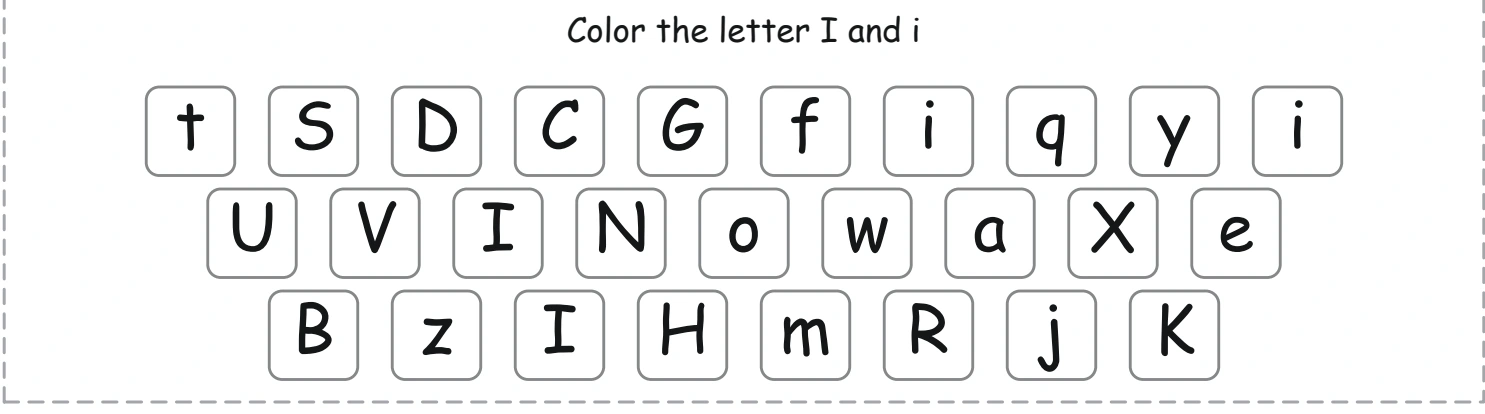
After each match, continue the row. A discovery near an edge can tempt a child to jump to the next section too soon. A movable pointer beside the current tile can keep the route visible. Ask the child to compare a candidate's bars or separate dot with the large model before marking it.
If a tall l or another dotted letter attracts attention, put the relevant model nearby and look at the entire outline. The supplied i has no descending hook. Avoid calling any narrow vertical mark correct merely because it resembles part of I. Ii Letter Investigator works best when the reason for a selection is visible to both partners.
Five small-mark games: Ii Letter Investigator
Dot partner: Ii Letter Investigator
Make a completed i card with a movable dot positioned above its stem. Show it beside the model, then briefly move the dot away and invite the child to restore it. Keep the correct final example visible. Bring that two-part observation back to Ii Letter Investigator before tracing another lowercase guide.
Bar inspector: Ii Letter Investigator
Build a large I with three strips of paper. Ask which strips form its top, middle upright and bottom. The arrangement for Ii Letter Investigator gives the supplied capital's bars physical presence. Remove the craft materials before a pencil returns to the printable.
Second-place visitor: Ii Letter Investigator
Write completed Fish and Bird cards. Read each, touch the first character, and move one place to the right. Name the i you find. This extension of Ii Letter Investigator is a position game, so independent word reading is optional and adult help stays available.
Tiny gallery guide: Ii Letter Investigator
Let the learner show a partner one capital and one lowercase example on Ii Letter Investigator. The partner asks what feature helped. A pointing answer is welcome. The aim in Ii Letter Investigator is to share a visible clue, not to deliver a polished sentence.
Folded viewing window: Ii Letter Investigator
Use a paper window to reveal one tile at a time without writing over the sheet. Compare each exposed symbol with I/i, then slide the window onward. Stop when the method feels helpful rather than making concealment an extra puzzle to solve.
Bird labels at home, imagined: Ii Letter Investigator
Picture Idris drawing a bird on separate paper with a family member. The adult writes Bird under the drawing and reads the label. Idris compares it with Bird in Ii Letter Investigator, then points after B. His family member asks whether he can see the separate dot in both places. The comparison moves a worksheet observation into another completed piece of print.
Later he may return to the Ii Letter Investigator tile field and find a lowercase target before a capital. The adult can describe that specific change in strategy. This imagined example does not promise that one drawing transfers learning permanently. It shows how a brief shared activity can provide another supported encounter with the same letter family.
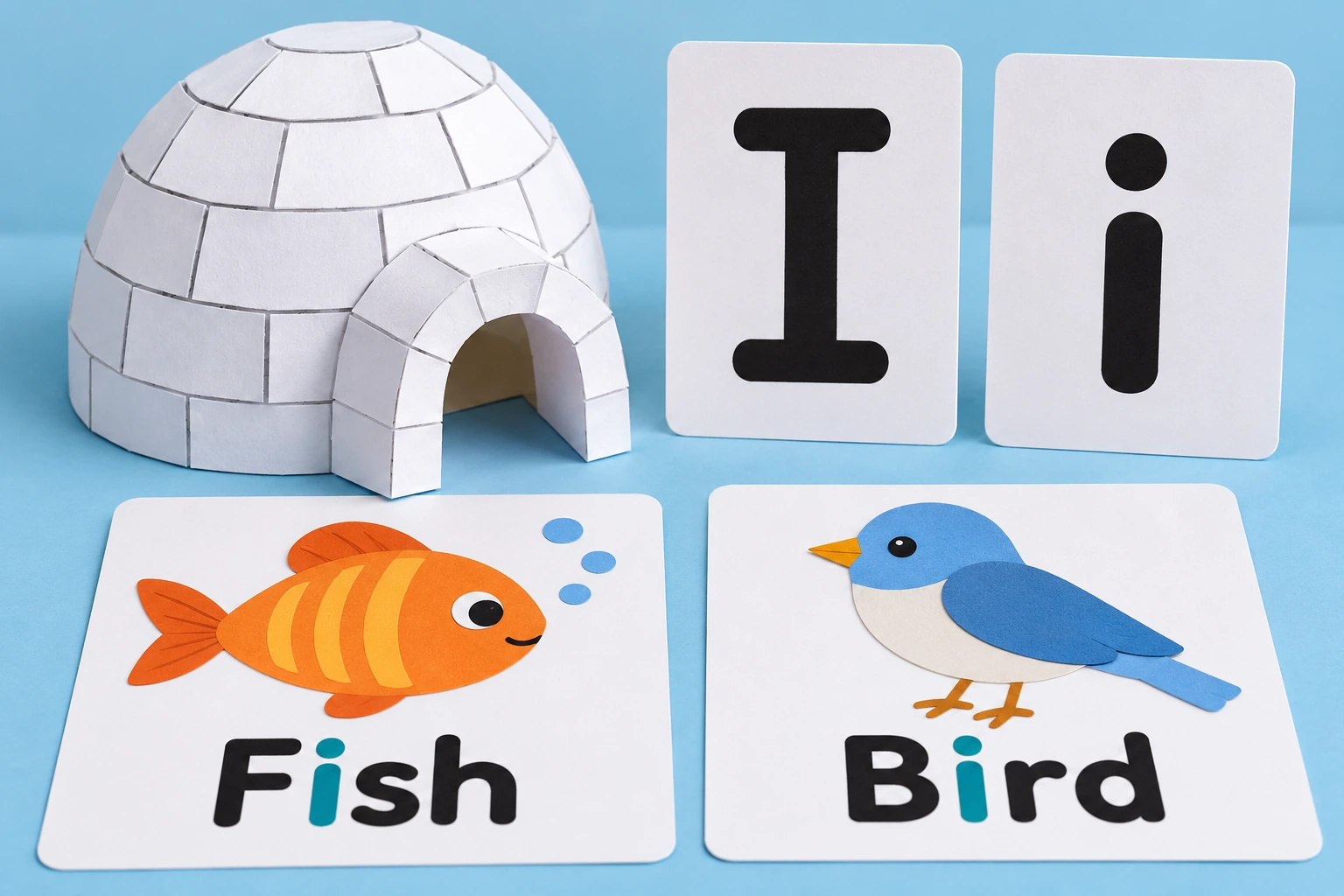
The supporting illustration presents labelled objects and the I/i relationship in a different setting. Read its completed labels together. It can start a conversation about dots and interior positions, while Ii Letter Investigator remains the reference for the exact exercises and printed answer locations.
Choose support before choosing speed: Ii Letter Investigator
Children roughly three to six can engage with different parts of Ii Letter Investigator. Shared pointing and colouring may suit an early visit. A child already comfortable with letter forms may circle all three word targets and explain why a similar tile is different. Neither response requires a timer. A slower comparison can be the most informative part of the session.
Common difficulties include overlooking the dot, searching only the first character, circling a complete label and assuming every upright mark is I. Respond to the actual issue. For location, track the word. For shape, compare bars and dot. For marking, demonstrate a small circle around one character on a separate example, then let the child try.
On another day, begin with Bird rather than repeating the first section automatically. Ask what the child remembers about i and let the answer guide the visit. Regular short returns can include conversation, movement and a little pencil work. Stop before frustration makes the next encounter feel unwelcome, and retain an example of a useful discovery to discuss later.
Files and further letter encounters: Ii Letter Investigator
Compare Ii Letter Investigator with Ii Worksheet. A listening follow-up to Ii Letter Investigator is First Sound Choices. For Ii Letter Investigator, explore Jj Worksheet.
Adults planning playful practice can explore NAEYC's resources about play. For shared language and reading ideas, visit PBS Parents' literacy pages. Choose an extension that fits the learner's interest; these links are background support rather than required stages of the printable.
Use the download controls for the original Ii Letter Investigator sample. The separately protected clean single-sheet file is available to an eligible active member. Print with the full outer frame in view and inspect whether the small dots and capital bars remain clear. A reduced or clipped preview can make precisely the features being discussed harder to notice.
For a complete letter set, the premium collection card links to the separate $5 Alphabet Wordwork Collection. That purchase supplies the twenty-six clean worksheets in a combined PDF. It can support planned A–Z revisits, while membership access to this individual clean sheet remains a different download route. Choose the file that matches the intended practice before printing.
Popular Worksheets
Printable resources families and teachers are downloading now.
 Free
 Free
 Free
 Free