
Alphabet Wordwork Collection: 26 Brilliant Letter Visits
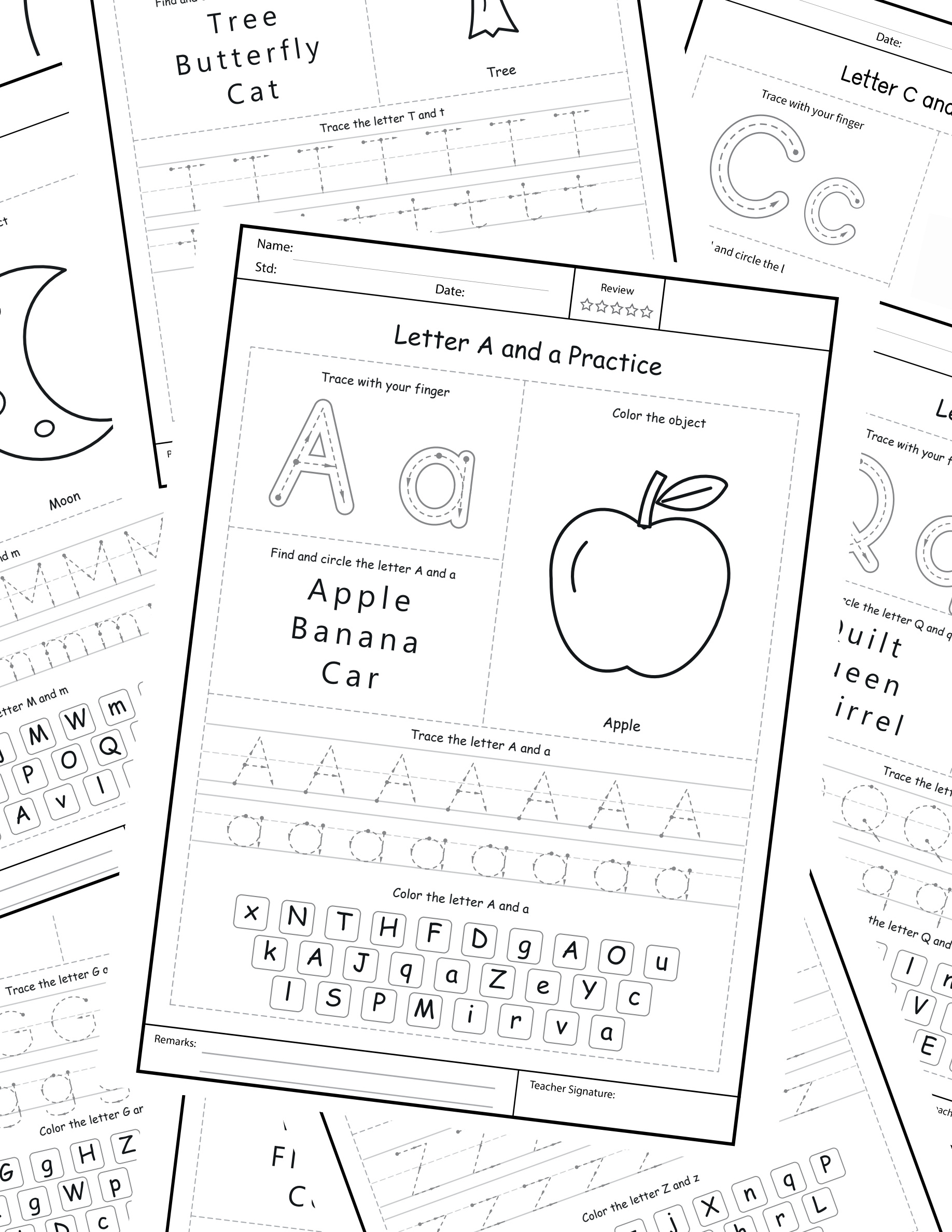
Finding an a in Banana feels different from tracing the A at the top of a page. The Alphabet Wordwork Collection brings those experiences together across twenty-six supplied sheets, each pairing one letter family with an object illustration, a three-word search, handwriting guides and a mixed-letter colouring field. This $5 premium collection arrives as one clean A–Z PDF, including the separately supplied Cc page. Choose a letter that interests your learner, look at what its different panels ask for, and use the collection as a flexible shelf of short activities.
An alphabet collection with more than initial letters — Alphabet Wordwork Collection
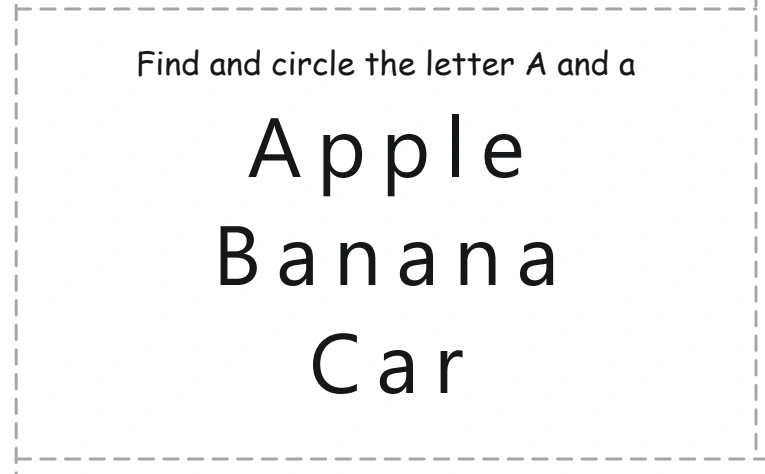
The Alphabet Wordwork Collection asks children to notice letters wherever they occur in the displayed words. Apple begins with A, but Banana contains three lowercase a letters and Car has another inside it. A child who searches only the left edge of every word would overlook much of the printed task.
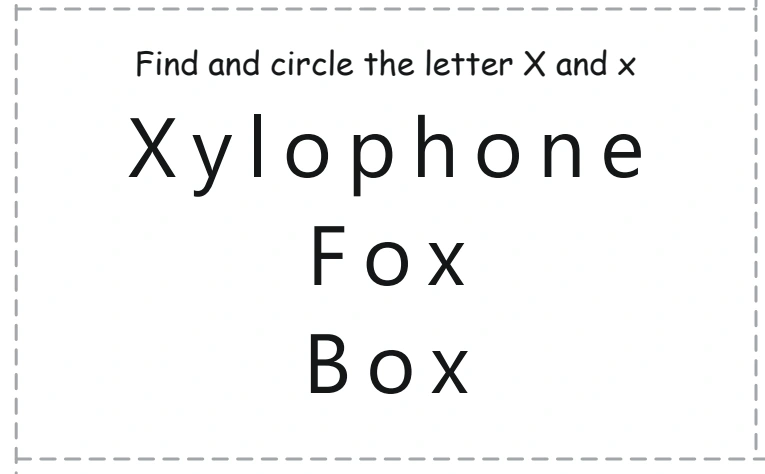
Some pages introduce adjacent copies of the same letter: Rabbit has bb, Egg has gg and Pizza has zz. Others place a target at the end, such as the x in Fox. Read each word for the learner when needed. Recognising its printed target does not depend on independently decoding the whole word.
Letter identity and spoken sound are different questions: Alphabet Wordwork Collection
Xylophone begins with X even though its usual English opening sound differs from the final x in Box. Chicken contains c within ch. In Alphabet Wordwork Collection, the visual instruction remains to locate the named letter. Adults can discuss sounds accurately without turning every visible occurrence into a promise of one unchanging sound.
Five panels offer five kinds of participation: Alphabet Wordwork Collection
| Panel | Child's action | Useful adult attention |
|---|---|---|
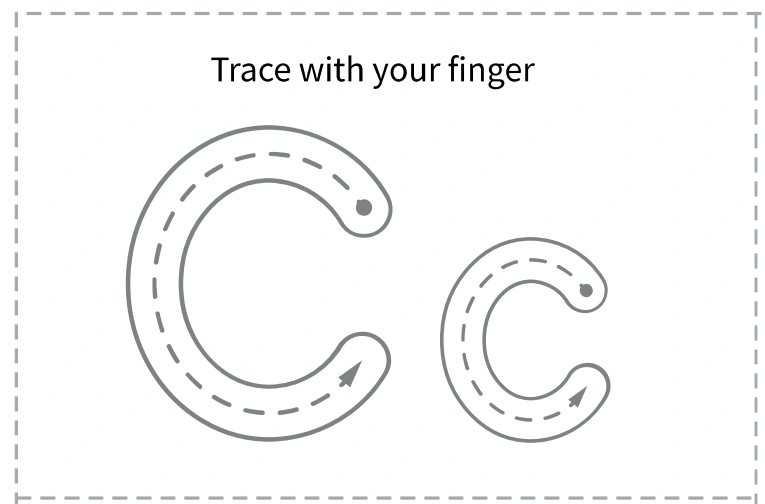
| Large case models | Trace with a finger | Notice start dots, arrows and the supplied forms. |
| Three displayed words | Circle the target letters | Look beyond the first position and include repeated targets. |
| Object picture | Choose colours for the illustration | Name and discuss the object without prescribing its palette. |
| Handwriting rows | Trace the smaller guides | Adjust the amount to the learner's current control. |
| Mixed-letter tiles | Colour the matching case forms | Check both uppercase and lowercase among distractors. |
These actions can be separated across visits to Alphabet Wordwork Collection. A learner might finger-trace a model and talk about its picture before attempting pencil work. Another may prefer the word search. Familiar panels make the materials approachable, while the current letter and word evidence give each sheet its own decisions.
The first half of the picture shelf: Alphabet Wordwork Collection
| Letter page | Object to colour | Printed search words |
|---|---|---|
| Aa | Apple | Apple, Banana, Car |
| Bb | Ball | Ball, Rabbit, Cub |
| Cc | Carrot drawing | Crayon, Rocket, Chicken |
| Dd | Dog | Dog, Ladder, Bird |
| Ee | Elephant | Elephant, Bee, Tree |
| Ff | Frog | Frog, Giraffe, Leaf |
| Gg | Grapes | Grapes, Egg, Dog |
| Hh | House | House, Fish, Whale |
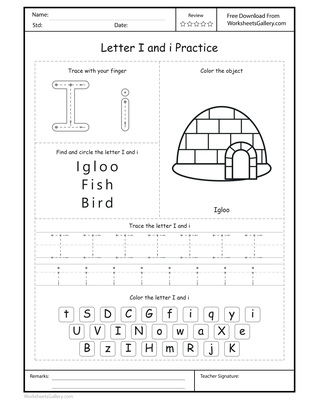
| Ii | Igloo | Igloo, Fish, Bird |
| Jj | Jug | Jug, Pajamas, Juice |
| Kk | Key | Key, Rocket, Duck |
| Ll | Lion | Lion, Ball, Leaf |
| Mm | Moon | Moon, Lemon, Drum |
The Cc sheet belongs in Alphabet Wordwork Collection alongside the other twenty-five uploads. Its drawing and typography come from the supplied file. The merged collection preserves that page rather than replacing it with a newly designed counterpart.
From a nest to a zebra: Alphabet Wordwork Collection
| Letter page | Illustrated object | Word-search examples |
|---|---|---|
| Nn | Nest | Nest, Banana, Sun |
| Oo | Owl | Owl, Robot, Dog |
| Pp | Penguin | Penguin, Apple, Cup |
| Quilt | Quilt, Queen, Squirrel | |
| Rr | Rabbit | Rabbit, Carrot, Bear |
| Ss | Sun | Sun, Nest, Bus |
| Tt | Tree | Tree, Butterfly, Cat |
| Uu | Umbrella | Umbrella, Duck, Sun |
| Vv | Vase | Vase, Clover, Glove |
| Ww | Whale | Whale, Flower, Cow |
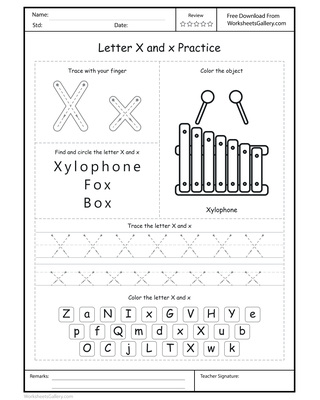
| Xx | Xylophone | Xylophone, Fox, Box |
| Yy | Yo-yo | Yoyo, Crayon, Toy |
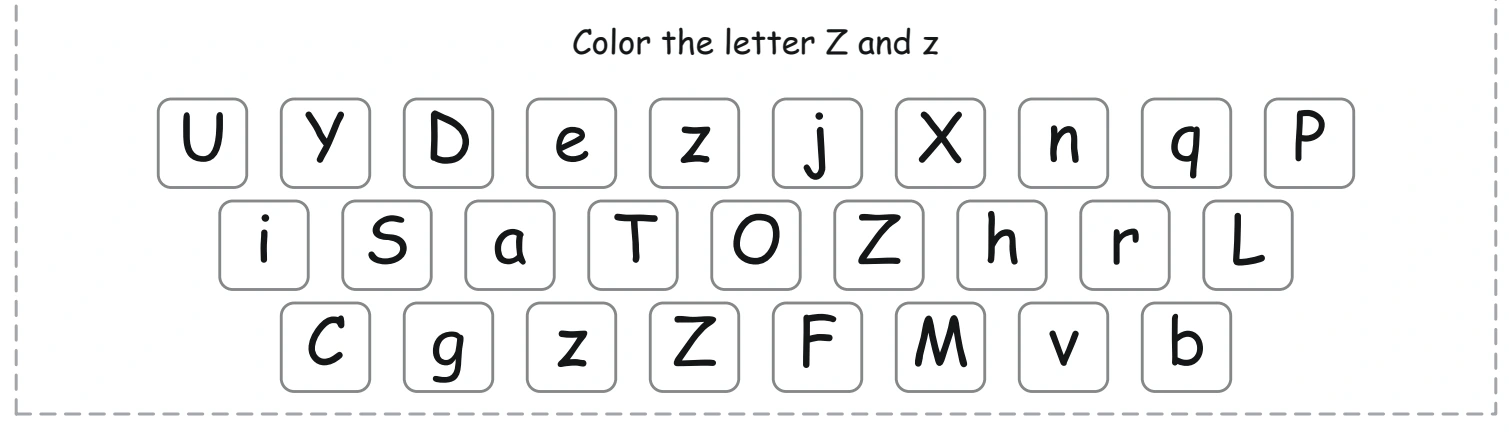
| Zz | Zebra | Zebra, Lizard, Pizza |
Use this Alphabet Wordwork Collection overview to choose a theme, not to require alphabetical completion. An interest in a toy, animal or familiar word can provide a useful starting point. The three-word sets give that interest a concrete print task.
A home visit beginning with an unexpected discovery: Alphabet Wordwork Collection
Imagine Rhea selecting the Oo page because she likes the owl illustration. Her grandfather reads Robot, and she notices two o letters rather than one. He asks her to point to each before making separate circles. They then compare those printed letters with the large model above.
Rhea chooses to colour the owl next and leaves the handwriting rows for another visit. Her grandfather records her observation in a short spoken recap: she checked the whole word instead of stopping after the first match. This gives their Alphabet Wordwork Collection session a clear accomplishment without requiring a finished sheet.
At a later visit, she might compare the two adjacent letters in another word, such as Apple. The adult reads it and asks whether the matching letters touch in the word's sequence. The new page offers a different arrangement rather than simply more of the same marks.
Six reasons to watch the method as well as the page: Alphabet Wordwork Collection
A deliberate scan across print: Alphabet Wordwork Collection
Alphabet Wordwork Collection gives a target letter a place within a word. Notice whether the learner examines each position or stops at a familiar initial. A finger moving slowly along the printed sequence can make the search method observable.
Recognition of two related case forms: Alphabet Wordwork Collection
A capital and its lowercase partner can look very different. The large models remain available as references during the search. Ask how a chosen tile relates to one of those models, rather than relying only on a remembered letter name.
Movement guided by a visible route: Alphabet Wordwork Collection
Start dots and arrows provide information for the tracing actions in Alphabet Wordwork Collection. A learner can inspect the path before using a pencil. Following a model and independently forming a letter are different achievements, both worth describing accurately.
Word vocabulary with a practical purpose: Alphabet Wordwork Collection
An adult may need to explain a picture or read Squirrel before the letter search begins. The unfamiliar word then has a reason to be discussed. A child can locate q in that label without being expected to spell Squirrel from memory.
Mark selection among alternatives: Alphabet Wordwork Collection
The colouring tiles mix targets with other forms. The decision about which tile belongs precedes the colouring movement. A child who points accurately but colours beyond a border may need movement support rather than another explanation of letter identity.
A review that values revision: Alphabet Wordwork Collection
Finding a missed target after a second scan can be satisfying. In Alphabet Wordwork Collection, checking the whole word or returning to a case model offers a practical way to revise. Keep the conversation attached to the new evidence the learner noticed.
A classroom arrangement that separates the demands: Alphabet Wordwork Collection
For an imagined literacy session, a teacher offers three invitations using Alphabet Wordwork Collection: a finger-route table, a word-observation table and an object-colouring table. The same letter page can serve each invitation, but children receive an instruction suited to that station rather than an unexplained request to finish everything.
At the word table, partners take an explainer and a listener role. One points to a target; the other checks whether another occurrence remains. They exchange roles after a word. The teacher reads the labels so that decoding difficulty does not hide an otherwise careful visual search.
At the tracing table, children compare the supplied upper- and lowercase models. A learner can practise a small chosen part and pause. The class does not need identical amounts of pencil work to discuss the same letter family thoughtfully.
Plan small extensions with a clear connection: Alphabet Wordwork Collection
1. Open a named-object shelf: Alphabet Wordwork Collection
Place a few familiar toy objects beside adult-written labels. Choose one letter and look for it within those labels. Keep the words readable and modelled, so the learner has a visible reference rather than an unsupported spelling challenge.
2. Make a repeated-letter report: Alphabet Wordwork Collection
Use a separate card showing a source word with adjacent targets, such as Rabbit. Ask the child to point once to each matching letter and explain whether another remains. A short report can be dictated to an adult.
3. Pair a finger route with a large model: Alphabet Wordwork Collection
Draw an enlarged version of one supplied letter on spare paper and discuss its route. The child can follow it with a fingertip before using a tool. Return to the original model when comparing where the route begins.
4. Let a toy check the choices: Alphabet Wordwork Collection
A toy character selects a wrong letter tile on a spare example. Invite the learner to explain which feature makes it different from the target. The toy provides a listener for a precise comparison, rather than an opportunity to trick the child.
5. Create a picture-word message: Alphabet Wordwork Collection
Draw a favourite collection object and dictate a short label or message beside it. An adult can write unfamiliar words. This gives the learner's marks an audience while keeping the source's fixed tracing and letter-search tasks clear.
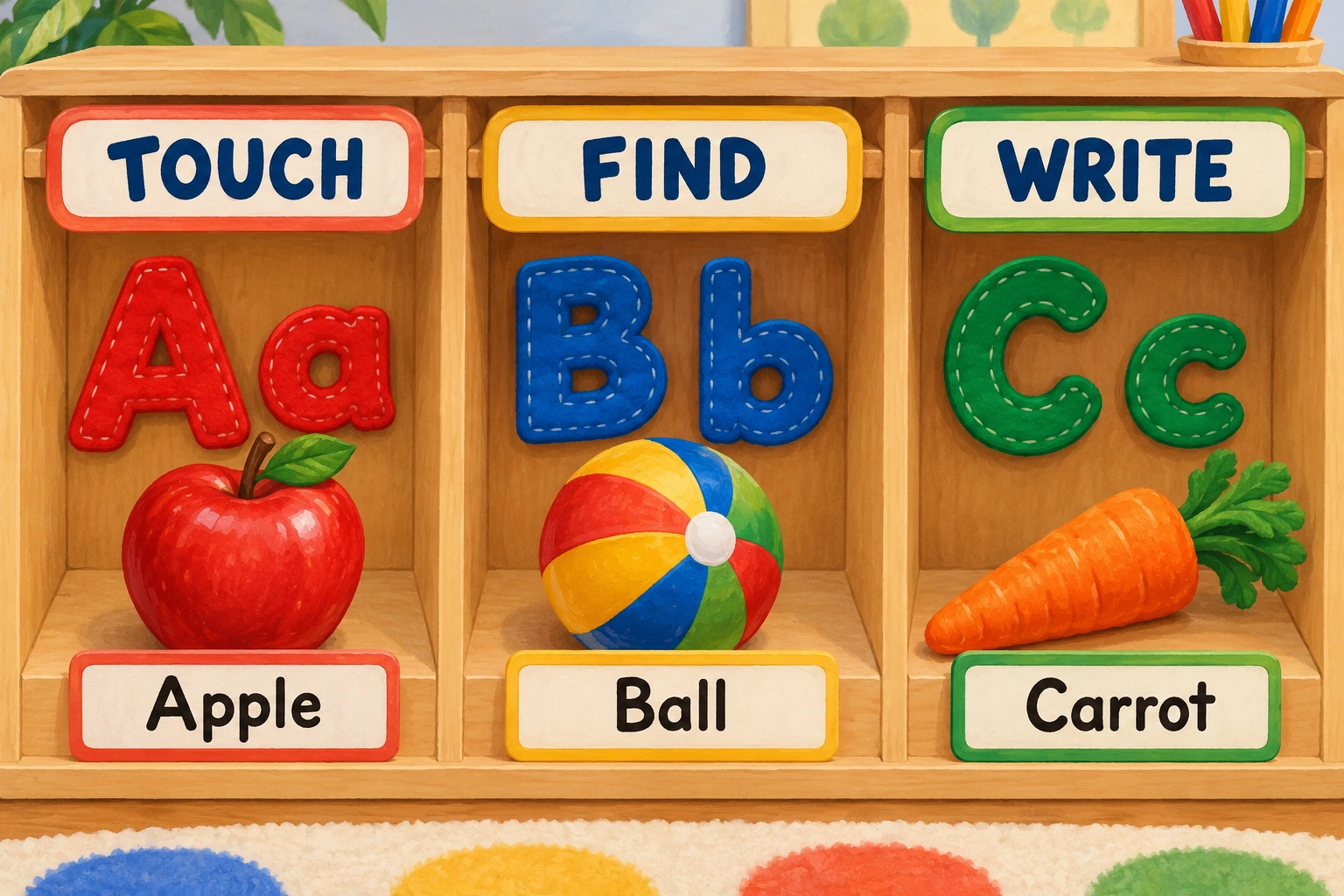
Three named object stations offer a choice between touching, finding and writing.TOUCH, FIND and WRITE head completed examples containing Aa with Apple, Bb with Ball and Cc with Carrot.
Support a child before increasing the amount: Alphabet Wordwork Collection
Suggested use of Alphabet Wordwork Collection spans preschool and kindergarten, broadly ages three to six with adult help adjusted to the activity. A young learner may enjoy naming an object and following one large model. Another may be ready to check all three words and the mixed tiles.
Useful support includes reading the instructions, naming unfamiliar objects, pointing out the current case models and agreeing on one panel to attempt. If the child is tired, end at an understandable stopping place. A remembered discovery can be a better invitation back than a demand for a complete daily row.
Common mistakes include circling a whole word instead of its target letters, searching only initials, merging two adjacent targets into one discovery or treating every occurrence as the same sound. Read the actual panel instruction and inspect a specific example. Keep the child's explanation visible in the feedback.
Purchase and print the complete clean set: Alphabet Wordwork Collection
The Alphabet Wordwork Collection premium download costs $5 USD. Its twenty-six printable pages follow A–Z order and have no website watermark or domain branding. Embedded advertisements are absent from the file. The collection is a single PDF; its supplied activity sheets remain separate pages within that file.
Use the collection's native purchase control and save the authorised download after checkout. An active membership alone does not replace this bundle purchase. The individual letter pages also offer their own original samples and eligible-member clean editions, with a related collection card leading here.
Use the thumbnail view to pick the pages needed for this session. Before sending them to the printer, check every portrait edge, including the lower letter tiles and complete tracing guides. Printing one or two selected sheets can be enough for the next planned visit to Alphabet Wordwork Collection.
Choose the next print question thoughtfully: Alphabet Wordwork Collection
Compare Alphabet Wordwork Collection with Alphabet Tracing Bundle. A listening follow-up to Alphabet Wordwork Collection is First Sound Choices. For Alphabet Wordwork Collection, explore Zz Worksheet.
For further ideas about meaningful marks, see NAEYC's family guidance for supporting early writing. PBS Parents' literacy resources for shared learning at age four offer additional conversation prompts. Return to Alphabet Wordwork Collection with a manageable invitation, a specific observation to discuss and room for the learner's own interests.
Popular Worksheets
Printable resources families and teachers are downloading now.
 Free
 Free
 Free
 Free