
Line Texture Choices: 5 Powerful Fill-the-Picture Ideas
Line textures are one way into the collection. The $4 premium package includes this sample-and-fill page beside nineteen other prewriting concepts. Its twenty-sheet download is a single clean PDF.
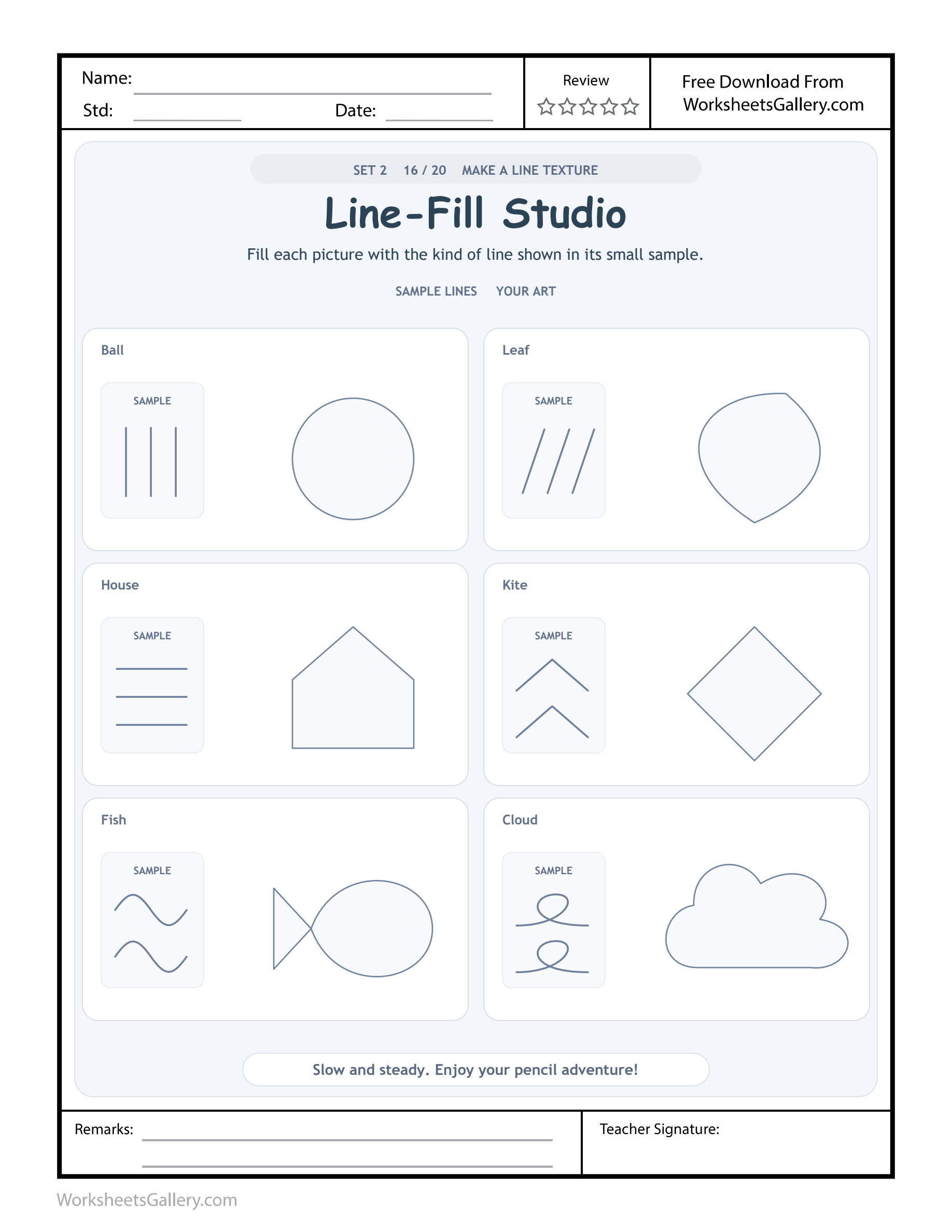
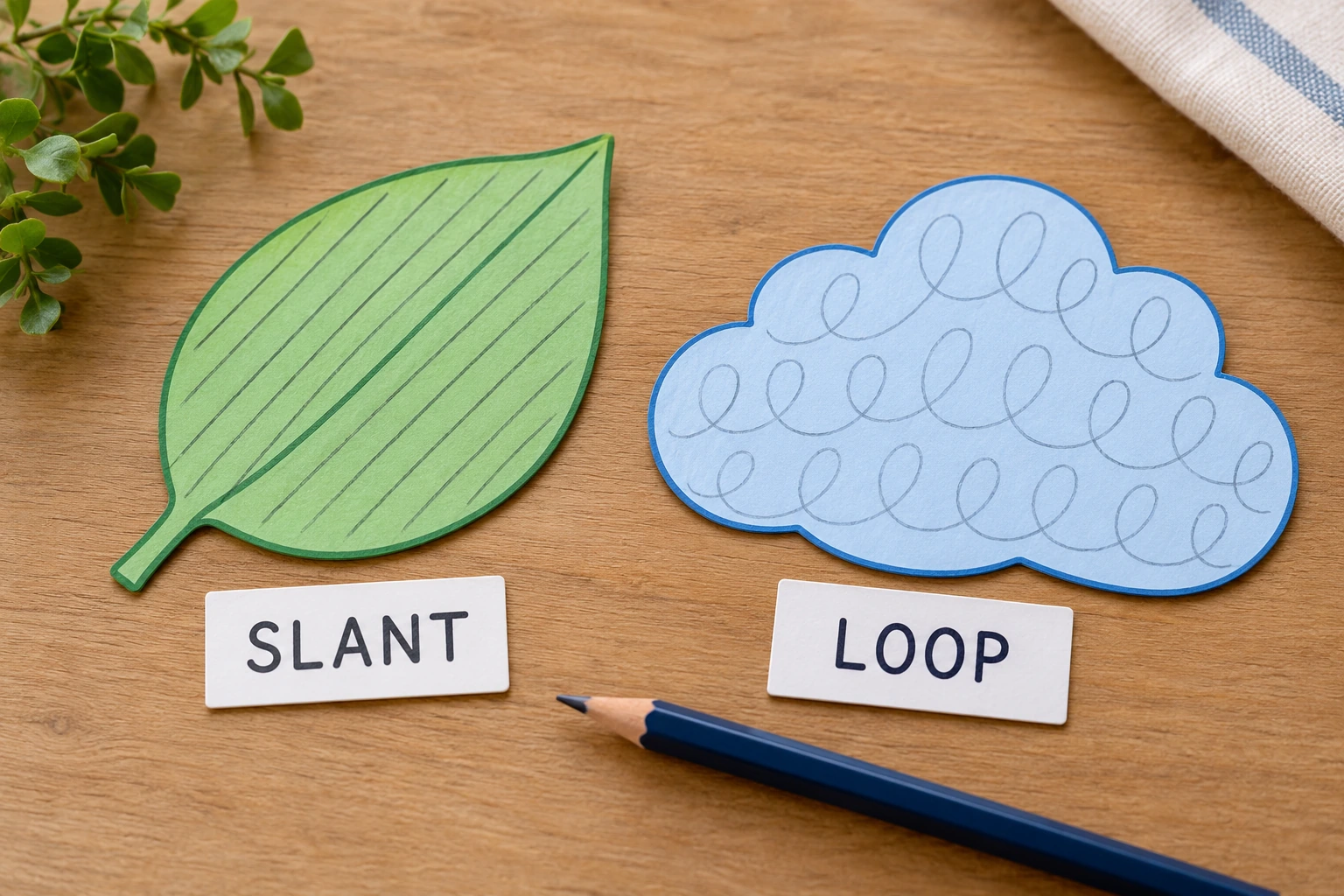
A cloud can be filled with loops while a leaf takes slanting lines. Line Texture Choices invites children around three to six to notice those different mark families and carry a small sample into a larger picture. The Line-Fill Studio worksheet pairs six line examples with outlined shapes waiting for the child's drawing. Its task is more specific than colouring everything in. Line Texture Choices asks what kind of line belongs in this panel, how it can be repeated, and where it should stop when it reaches the picture's edge.
Line Texture Choices begins at the little sample
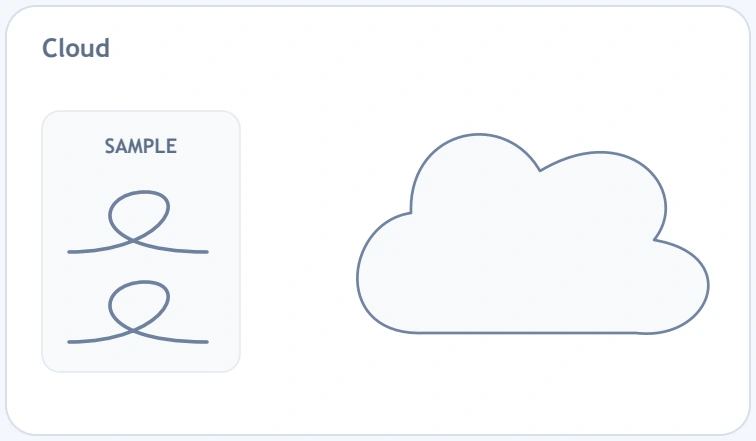
Each panel has a small box labelled SAMPLE beside a larger picture outline. The sample shows the kind of line to use inside that particular picture. Line Texture Choices asks the child to inspect that information before choosing a mark. The larger outline supplies a boundary, while the sample supplies the movement family.
The six pictures are ball, leaf, house, kite, fish and cloud. Line Texture Choices gives each one a different partner: vertical, slanted, horizontal, pointed, wavy or looping lines. The activity is not asking for one identical texture across the whole page. Read the new sample whenever another panel is selected.
Six sample families with six picture destinations
| Picture | Line family shown | A useful observation |
|---|---|---|
| Ball | Vertical | Lines travel mainly up and down. |
| Leaf | Slanted | The repeated strokes lean. |
| House | Horizontal | Lines extend across the picture. |
| Kite | Pointed changes | Two slopes meet in a sharp change. |
| Fish | Wavy | The route rises and falls smoothly. |
| Cloud | Loops | The line turns around and crosses itself. |
Line Texture Choices offers a particular sample-to-picture relationship on the printed page. Other combinations can be enjoyable on separate art paper, but explain when you are following this sheet's instruction and when you are inventing a new texture design.
The Line Texture Choices ball bounds vertical lines
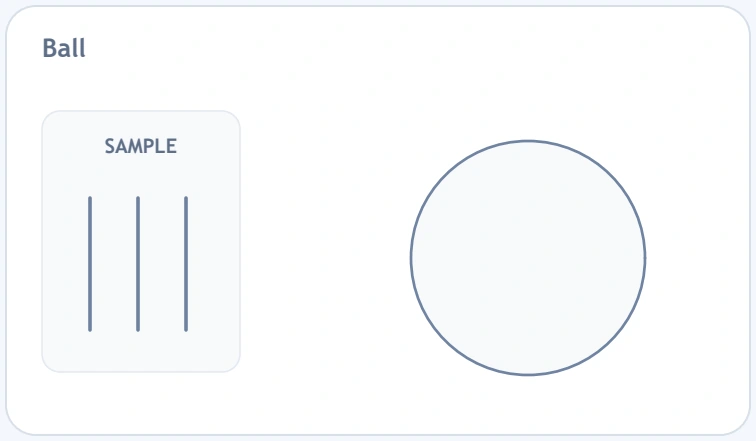
Look at the vertical sample beside the ball outline. Line Texture Choices asks the child to repeat that kind of line inside a rounded space. The picture edge means that some strokes will have less room than others, especially near the sides. Exact equal lengths are not required for the texture to remain recognisable.
Point to where a proposed line might begin and end before drawing. Line Texture Choices can start with a few considered strokes rather than an instruction to fill every millimetre. Keep enough space between marks to see the line family and the boundary relationship the child is exploring.
Lucia notices the Line Texture Choices leaf's lean
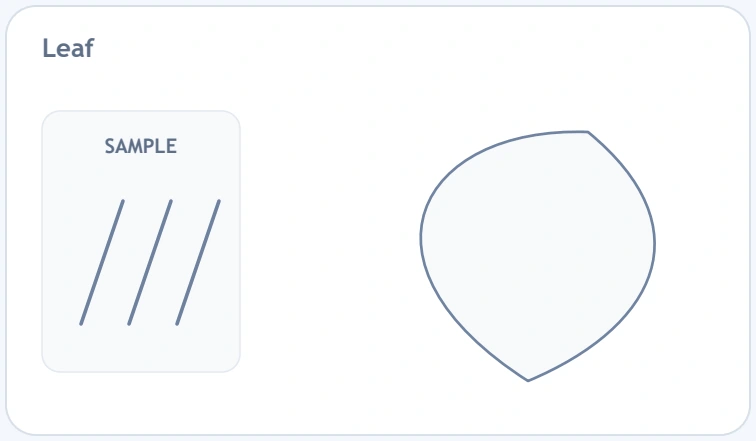
Lucia chooses the leaf while drawing with her father. She begins with a horizontal mark, then looks at the small sample again. Her father asks which way the example lines lean. Line Texture Choices gives Lucia a visible comparison instead of asking her to make a generally better-looking leaf.
She makes a slanted movement in the air, then tries several leaning strokes inside the outline. Line Texture Choices has changed her plan through observation. Her father listens as she describes the leaf as a windy leaf, leaving room for the story while keeping the printed line-family choice clear.
Five things the texture invitation can reveal
- Sample reading: Line Texture Choices encourages a look at a small example before a larger response.
- Movement comparison: the child distinguishes a slant from a horizontal line or a loop from a wave.
- Boundary awareness: marks have a reason to stop at the picture edge.
- Repeated control: Line Texture Choices invites a recognisable family of marks rather than one uncontrolled fill.
- Descriptive language: lean, across, wavy, pointed and looping can name differences visible in the child's drawing.
The amount of filled space is only one possible observation. A few strokes that clearly follow the sample may be more useful to discuss than a fully covered picture whose movement family has become hard to see.
Set up a home studio with a small choice
Offer two panels as possibilities and ask which sample the child wants to explore. Line Texture Choices can begin with one chosen picture and a tool that leaves its outline easy to inspect. Keep the little sample unobstructed by hands, crayons or spare paper.
Inspect one example line together, rehearse it above the page if wanted, and let the child choose where to place a similar mark. Line Texture Choices does not require an adult to draw dotted answers into the outline. That would replace the independent texture-making decision with another tracing task.
The house and kite change the movement question
The house sample uses horizontal lines, while the kite sample shows pointed changes made from sloping stretches. Line Texture Choices asks the child to inspect each before drawing. An appealing wavy texture from another panel is still a different choice from the one shown beside these pictures.
The robot direction-change activity offers a separate comparison of straight stretches and turns. Line Texture Choices carries a sample family into an area instead of following one long route. Name that distinction when selecting related movement work so the child understands what the picture is asking for.
A classroom texture discussion before a shared display
A teacher sets out completed cards labelled SLANT, WAVE and LOOP beside the writing area. Children inspect a sample and choose a Line Texture Choices panel on their own copy. They can tell a partner which line family they intend to use before making the first stroke.
After a short drawing turn, invite a comparison between the sample and a chosen part of the response. Line Texture Choices can show a meaningful resemblance even when strokes vary in size. The teacher listens to the child's explanation instead of requiring every picture in the group display to contain the same number of lines.
Waves carry a different rhythm into the fish
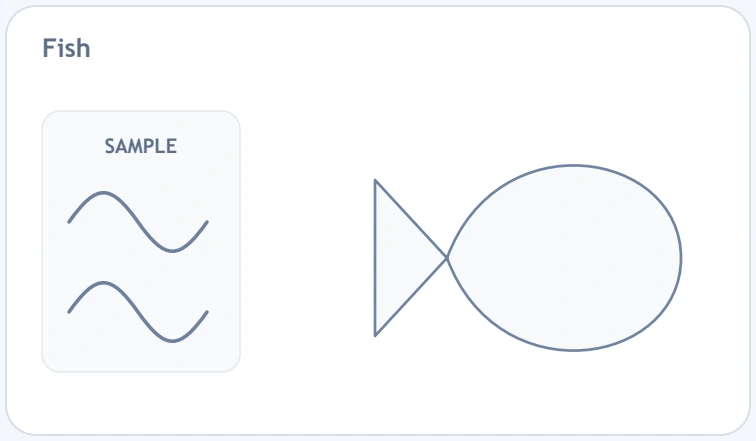
The fish sample rises and falls in a smooth wave. Line Texture Choices asks for that kind of changing curve inside the fish outline. A row of sharp peaks would express a different movement family. Compare one sample wave with one intended response rather than giving a long explanation about the entire panel.
For a guided wavy route, the ocean-wave resource offers another context. Line Texture Choices leaves the actual placement of repeated waves to the child. The sample remains visible, but it does not prescribe every mark's exact position inside the fish.
Five studio games with completed texture examples
Open a texture-card library
Make a few finished cards with named vertical, slanted, wavy and looping examples. The child chooses one and describes its movement. Line Texture Choices can follow as a picture task, while the card library gives each family a large, clear example without leaving teaching labels blank.
Be a line-family detective
An adult points to a completed texture on separate paper and asks what kind of movement made it. The child may gesture rather than name it. Line Texture Choices provides six printed sample families afterward, but the game can end after one satisfying comparison if interest turns elsewhere.
Give a picture a new material
On spare art paper, use one chosen line family to give a finished outline a texture. Name the new picture and discuss the marks. Line Texture Choices can supply a comparison, but make clear that this free art game permits combinations different from the printed sample-to-picture pairs.
Conduct a wave-and-loop movement duet
One person makes a broad wave gesture and the other makes a loop gesture. Swap roles and compare where the movements change direction. Line Texture Choices gives those gestures a later pencil context. Keep the game unhurried so the difference remains visible rather than becoming a speed challenge.
Curate a sample-and-response tour
Let the child show a visitor one sample and a part of their drawing that relates to it. Line Texture Choices offers that comparison on the page. The visitor can ask why a mark stops at an edge or which way it leans, giving the artist a specific decision to explain.
Loops can remain recognisable inside a cloud
The cloud sample shows a looping line rather than disconnected circles. Line Texture Choices asks the child to carry that movement family into the cloud's interior. Inspect where the line turns around and crosses itself before trying a similar movement with the pencil.
The balloon looping sheet offers a related guided journey. Line Texture Choices gives a bounded picture area for independently placed loops. Keep the comparison about the movement, without claiming that the two activities have identical rules or response spaces.
✎ Common studio mix-ups need a clear sample check
Colouring the outline solid, using the previous panel's texture everywhere, and continuing every stroke beyond the picture edge can bypass the instruction. Line Texture Choices gives an adult a small sample to revisit. Ask the child which feature they meant to copy before choosing a brief cue.
Try this kind of line, inside this picture. Line Texture Choices should not become a demand for uniformly spaced adult-made stripes. If the child wants free decoration, offer separate paper and name that new invitation clearly, allowing both purposeful sample work and imaginative art to have their own place.
A flexible amount for ages three to six
One broad sample on spare paper may suit a younger preschooler, while an older child may enjoy comparing several textures. Line Texture Choices can be shared through pointing and air movement before independent drawing. Keep the example visible and let a short useful attempt be enough.
A thicker tool can change how much room remains inside a small outline. Offer another comfortable option when the marks hide the boundary. Line Texture Choices is not a requirement to fill all six pictures. An enlarged complete print may help inspection, while a break may be more useful when the child's attention has moved on.
Return to a different movement family
Remember which sample interested the child and offer a contrasting one on another day. Line Texture Choices can be revisited through comparing waves with loops or vertical lines with slants. A new observation is a better reason to return than a demand to cover more paper.
For broader family ideas, NAEYC discusses support for writing during home life. PBS Parents provides literacy browsing aimed at age four. Line Texture Choices can accompany real drawings and pretend signs whose meaning matters to the child.
Download the clean Line Texture Choices studio
The original sheet remains available through the free sample control. The clean Line Texture Choices edition is the premium membership download, released after the site checks the requesting account's eligible current plan. Save the authorised PDF, then inspect its six panels and complete page border before choosing printer settings.
The premium Line Texture Choices file retains all sample lines and picture outlines. It has no watermark, and promotional site-name text, domain lettering and printed ads have been removed. The native package card opens the separate $4 collection purchase containing all twenty concepts. A recognisable line family matters more than a completely filled picture.
Popular Worksheets
Printable resources families and teachers are downloading now.
 Free
 Free
 Free
 Free