
Picnic Group Sorting: 4 Wonderful All-Member Hunts
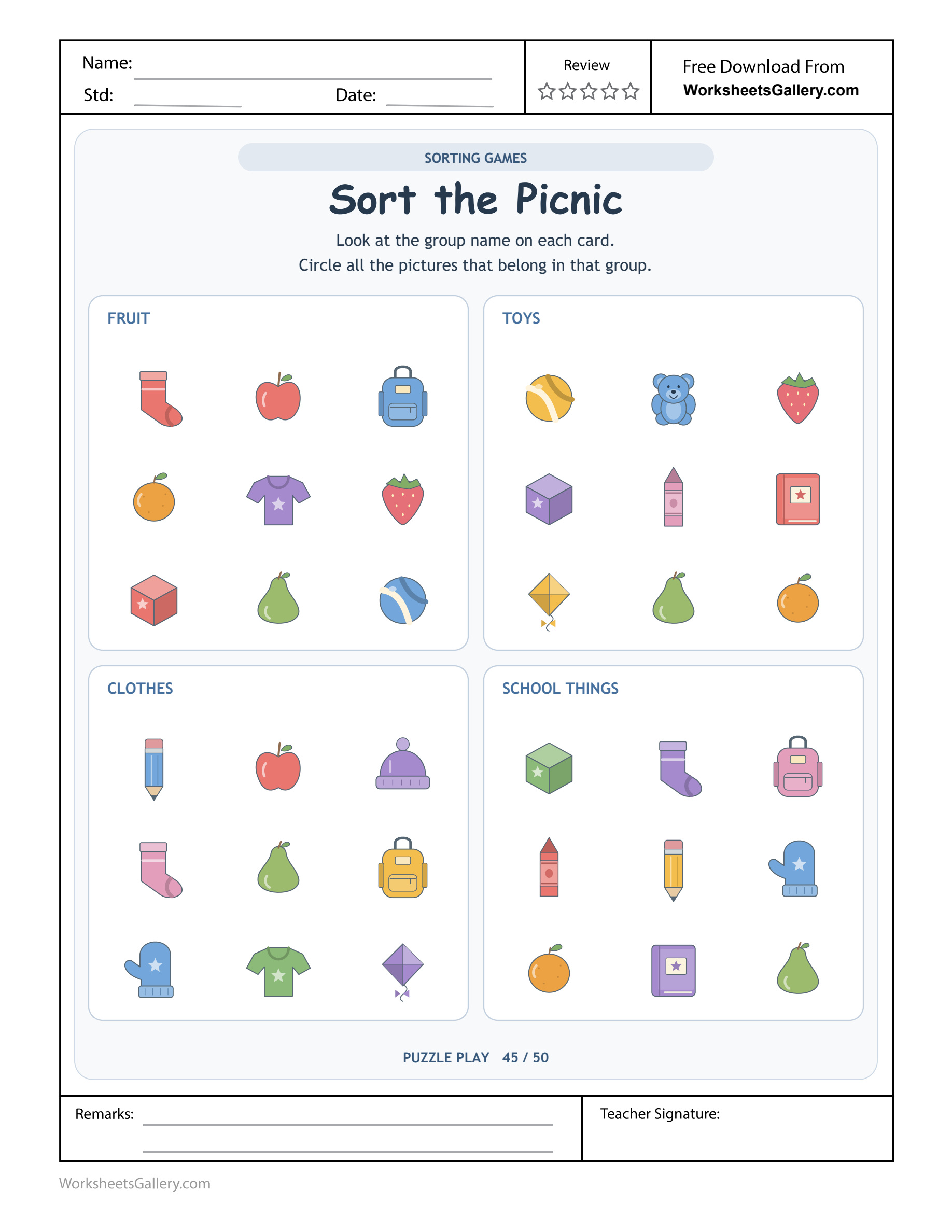
$5 · 25 supplied sheets: Picnic Group Sorting. Test all nine pictures on each card; this task asks for every category member, not one answer.
Several correct pictures can share one picnic card. Picnic Group Sorting names four groups and asks children to circle all the objects belonging to each one. Nine pictures fill every card, mixing category members with distractors. Read the current heading aloud and test each picture against that particular group before moving on. A child may explain why a familiar object belongs elsewhere without circling it here. Unlike an odd-one-out task, the aim is to include every qualifying member, so stopping after the first good choice leaves the group search unfinished.
Picnic Group Sorting: read the actual puzzle
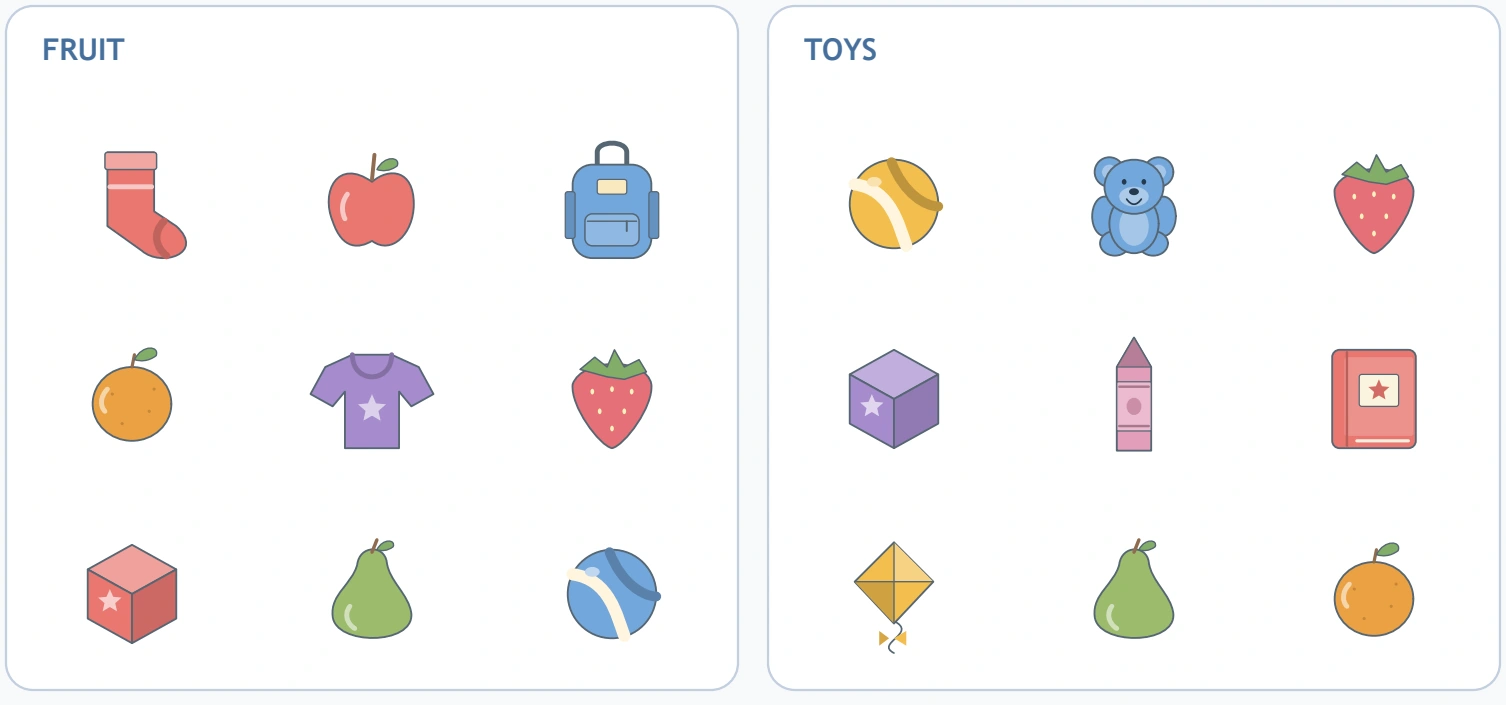
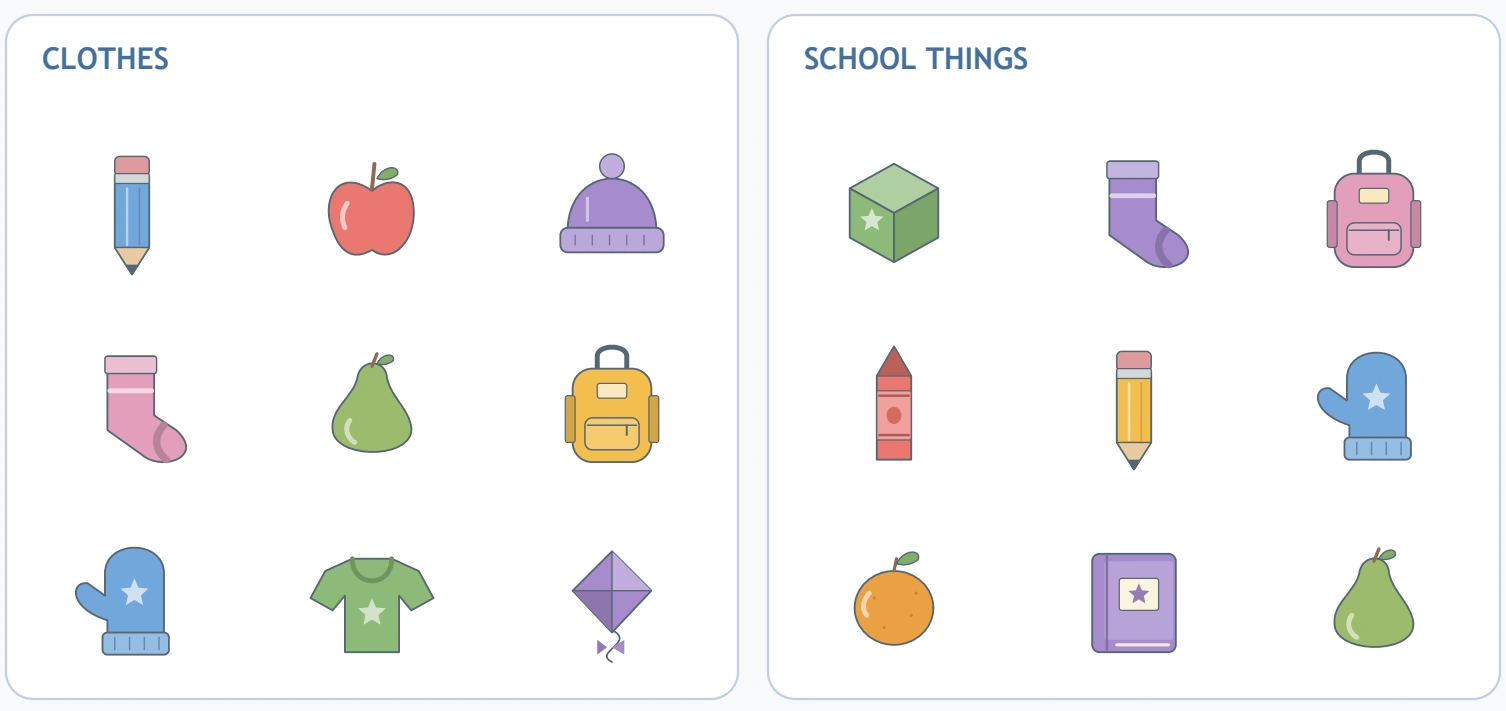
Picnic Group Sorting: Four cards are labelled FRUIT, TOYS, CLOTHES and SCHOOL THINGS. Each card has its own nine-picture field. Apply only the current card’s label while considering its candidates; a correct toy on one card may be a distractor on another.
The instruction says circle all pictures that belong. On the fruit card, apple, orange, strawberry and pear qualify. Finding one fruit is therefore a beginning, not a complete response to that card.
Nine-position sweep deserves a second look
A row-by-row sweep provides a simple way to inspect all nine positions. Name a picture, test its membership and either circle or leave it. Unmarked pictures have been considered too; they are not necessarily overlooked.
Keep circles centred on individual members so another reader can tell which choices were included. No cutting, transferring between cards or colouring every picture is required by the printed task.
Partners explore rule consistency
A picnic-packing station gives partners inspector and recorder jobs. The inspector tests every picture under one card’s label; the recorder circles only the agreed members. They exchange jobs before adopting the next card’s different group rule.
A Picnic Group Sorting classroom note can describe checking a complete small field without skipping positions. Record the actual all-member search prompt, too.
Revisit the nine-position sweep difficulty
Circling one outsider would answer a different category puzzle. Read all the pictures that belong aloud as a rehearsal, then return to the printed wording. Avoid telling a child that every unmarked picture is forgotten; some are correctly excluded.
Return to Picnic Group Sorting evidence by asking “Which positions have we already considered?” Separate pencil execution from Demi’s card category reasoning.
Eight closer readings of card category
All changes the stopping rule
Finding the first fruit is not the end of the fruit card. Read the instruction’s all before inspecting the remaining pictures. A child who circles one correct member may have classified accurately but stopped early; ask which positions remain unconsidered before deciding that the category itself needs reteaching. This Picnic Group Sorting distinction supports inclusive classification.
Treat each card as a new question
The four boundaries hold separate group labels. Finish or pause one card, then deliberately read the next heading. An object correctly circled under TOYS might appear as a distractor under another label, so the same picture identity does not dictate one universal marking rule for the whole page.
Use an orderly nine-place sweep
Start with one small row, inspect its three candidates and move to the next row. A finger can show which position is being considered. This routine makes it easier to distinguish a picture deliberately excluded from one the search never reached, without adding a complicated tracking system. This Picnic Group Sorting distinction supports search organisation.
An uncircled object can be understood
Ask why one distractor was left clear. The child may name another sensible group for it, demonstrating deliberate exclusion rather than omission. This extra question gives an adult information that the finished circles alone cannot provide and keeps the focus on reasoning about each candidate.
Multiple members need separate circles
A broad loop around several neighbouring pictures can make it unclear whether distractors were included. Invite one centred mark per chosen object, or use pointing before drawing. If the intended members are clear orally, offer recording help without discarding the classification work already demonstrated. This Picnic Group Sorting distinction supports multiple-mark control.
A category is not a colour collection
Different fruits, toys or school objects need not share a hue. A same-coloured distractor may still belong elsewhere. Name the represented objects and relate them to the card heading before using visual resemblance as evidence, making the relevant group property explicit.
Audit both inclusions and exclusions
On reviewing a card, explain a circled member and an unmarked distractor. These complementary questions check that the category was applied in both directions. A correct number of circles alone would not reveal a swap in which one genuine member was omitted and one unrelated picture included. This Picnic Group Sorting distinction supports inclusive classification.
Contrast with the outsider game
Use a separate tiny model to compare circling all members with identifying one exception. Announce the changed instruction each time. The same object pictures can support both activities, but their recording rules and stopping conditions differ; understanding that distinction makes the picnic response more purposeful.
Distinctions behind nine-position sweep
Card category — the Demi discussion
The word all changes the stopping rule. A child may classify an apple perfectly and still stop too soon. Ask what remains uninspected before interpreting an incomplete collection as a misunderstanding of fruit.
All-member search — the Demi discussion
Each card’s boundary matters because it holds a separate category question. Do not compare a candidate with a neighbouring card’s heading. A place-keeping finger or a temporary cover can preserve the current card while its nine positions are considered.
Nine-position sweep — the Demi discussion
Reviewing excluded pictures gives useful evidence of deliberate classification. Invite the child to explain one uncircled object and name a group where it could belong. That conversation distinguishes a reasoned omission from a picture the search never reached.
Five play invitations after all-member search
Picnic basket inspector with Picnic Group Sorting
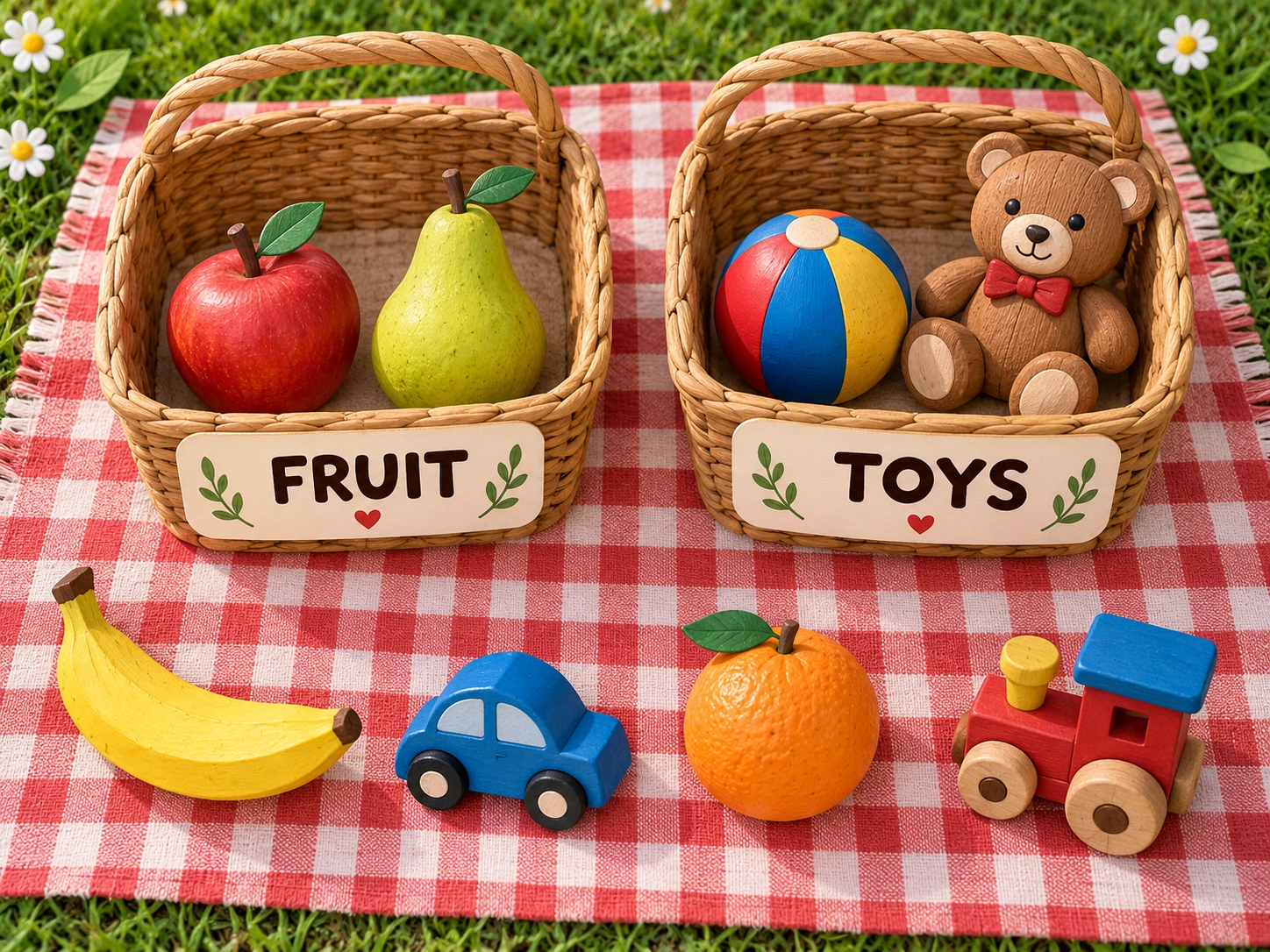
Offer safe objects or picture cards under a FRUIT label and include every member while leaving toys outside.
All or one comparison with Picnic Group Sorting
Use separate invented groups to contrast finding all members with selecting one outsider; announce each response rule explicitly.
Nine-place packing mat with Picnic Group Sorting
Arrange nine pictures in a simple grid and inspect them in rows, recording both inclusions and exclusions.
New group announcement with Picnic Group Sorting
Reuse a few objects under a changed category heading and explain why different items now qualify.
Packing audit with Picnic Group Sorting
Let an adult include one distractor in a pretend basket. The child checks every selected object against the group name.
Readiness for all-member search
Point through the nine positions while an adult names unfamiliar objects. A child can indicate membership orally or by pointing before managing several independent pencil circles.
Suggested Picnic Group Sorting range: ages four to six. Demi’s readiness depends on inclusive classification and interest in all-member search. Shorten this Picnic Group Sorting visit when needed.
Imagine Demi investigating at home
Demi’s grandfather names the fruit card and Demi circles an apple. Instead of announcing completion, they inspect the next picture together. Demi finds other fruits and explains why a sock can be left unmarked while still being a useful object in another group.
Try “Which group are we collecting on this card?” during this imagined Picnic Group Sorting visit. Let Demi explain card category before recording.
Another visit through completion checking
Ask the child to audit an earlier card by explaining an uncircled distractor. That reverse question offers a fresh classification role without demanding another complete round of marks.
Revisit Picnic Group Sorting through included choices. Recognise explanations about included choices from Demi.
Six observations from card category
Inclusive classification — card category
Picnic Group Sorting invites finding every member rather than selecting a single answer. Notice Demi’s inclusive classification explanation: “Which group are we collecting on this card?”
Rule consistency — all-member search
Picnic Group Sorting invites keeping the current category stable across nine candidates. Notice Demi’s rule consistency explanation: “Are there other members still to inspect?”
Search organisation — nine-position sweep
Picnic Group Sorting invites checking a complete small field without skipping positions. Notice Demi’s search organisation explanation: “Which positions have we already considered?”
Vocabulary organisation — included choices
Picnic Group Sorting invites linking food, clothing, toys and classroom objects with group names. Notice Demi’s vocabulary organisation explanation: “Can you explain why each circled picture belongs?”
Multiple-mark control — card category
Picnic Group Sorting invites recording several separate inclusions clearly. Notice Demi’s multiple-mark control explanation: “Which group are we collecting on this card?”
Completion checking — all-member search
Picnic Group Sorting invites verifying both selected members and deliberately unmarked distractors. Notice Demi’s completion checking explanation: “Are there other members still to inspect?”
Four checkpoints for Picnic Group Sorting
| Pause here | Inspect this clue |
|---|---|
| Card category | State the current card’s named group. |
| All-member search | Continue after finding the first qualifying picture. |
| Nine-position sweep | Check each picture once in a simple order. |
| Included choices | Confirm that every circle fits the same card label. |
Card category — Demi’s inspection
For Picnic Group Sorting, ask “Which group are we collecting on this card?” State the current card’s named group.
All-member search — Demi’s inspection
For Picnic Group Sorting, ask “Are there other members still to inspect?” Continue after finding the first qualifying picture.
Nine-position sweep — Demi’s inspection
For Picnic Group Sorting, ask “Which positions have we already considered?” Check each picture once in a simple order.
Included choices — Demi’s inspection
For Picnic Group Sorting, ask “Can you explain why each circled picture belongs?” Confirm that every circle fits the same card label.
Save and print Picnic Group Sorting
An active qualifying membership gives access to the clean Picnic Group Sorting sheet. Premium printing removes the website watermark and domain; no advertising is embedded. The original sample lets you inspect the uploaded version independently. Preview all four category cards before printing, leaving their headings and nine pictures per card within the portrait paper area.
Other choices beyond inclusive classification
For Picnic Group Sorting, the saved catalog suggests road-following after picnic group sorting; aiming-and-stopping after picnic group sorting; picture-recipe drawing after picnic group sorting. Read each linked activity’s rule with Demi; its card category response may differ.
For Demi, browse NAEYC writing ideas alongside picnic group sorting or PBS Parents activities beyond picnic group sorting. Watch inclusive classification with search organisation, then revisit card category.
Popular Worksheets
Printable resources families and teachers are downloading now.
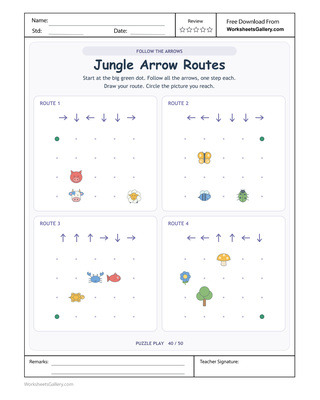 Free
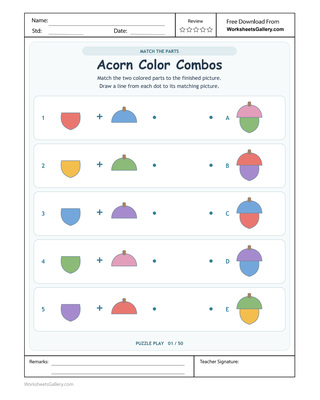 Free
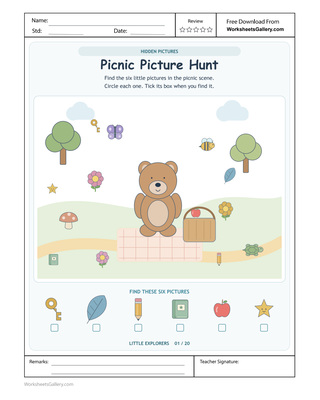 Free
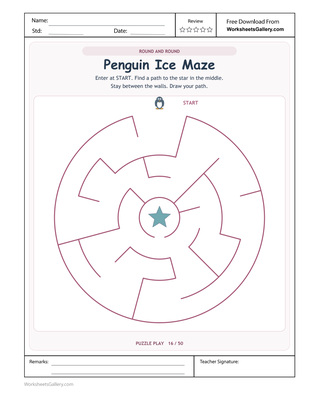 Free