
Picture Detail Tracing: 6 Wonderful Ways to Complete Art
Missing details belong to a wider drawing workshop. Keep the six picture-completion tasks with the other supplied concepts through the $4 collection purchase. The merged download contains twenty clean sheets.
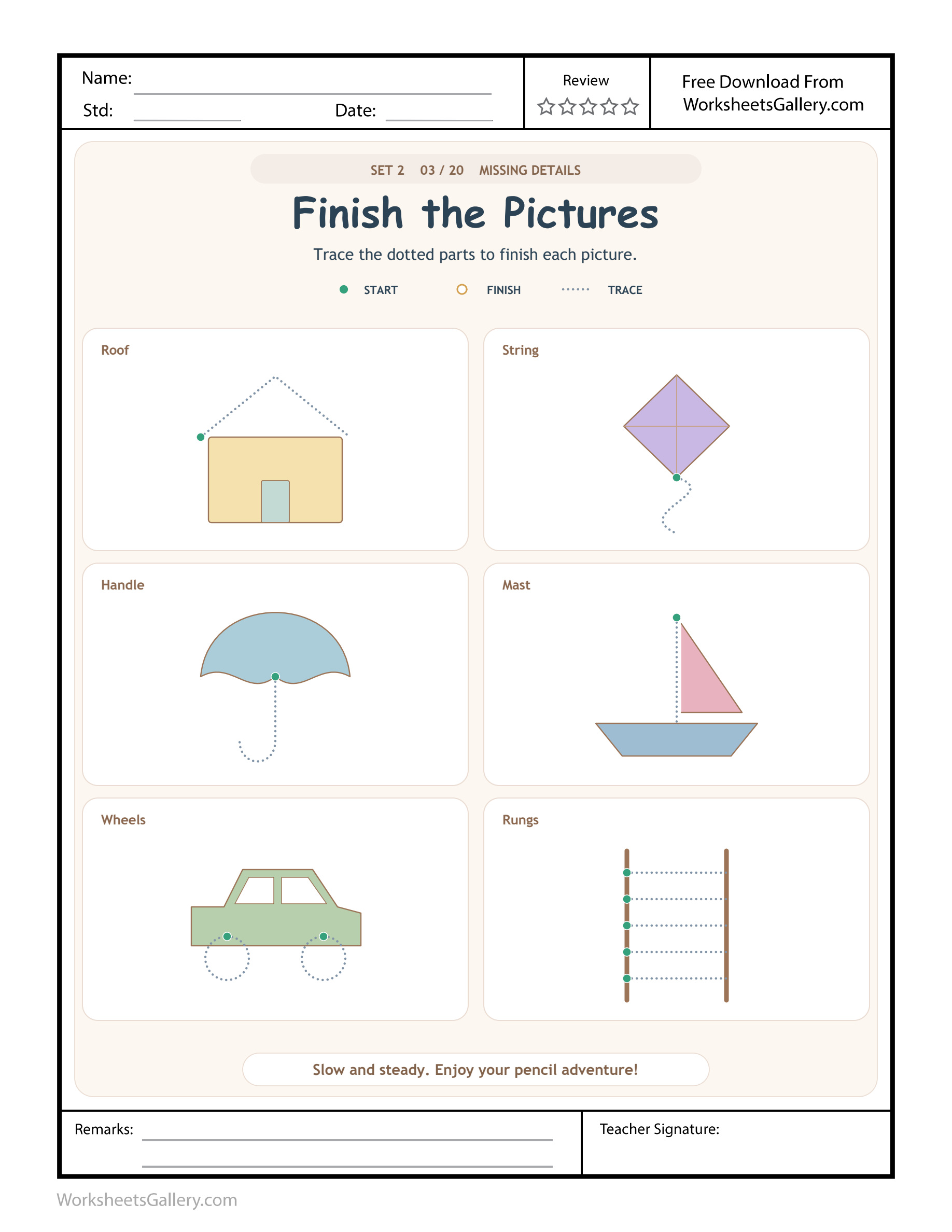
A roof gives a house its top, wheels give a car something to roll on, and a string connects a kite to its flyer. Picture Detail Tracing makes those small parts the reason for a pencil movement. This Finish the Pictures worksheet contains six illustrated panels with dotted details to complete. Preschool children around three to six can name a part, inspect its shape and trace it into place. Picture Detail Tracing turns a slant, hook or circle into something recognisable, giving an adult and child plenty to talk about before the first mark appears.
Welcome to the Picture Detail Tracing repair shop
Set the sheet on a table and invite the child to imagine that the pictures need a careful repair worker. Which part looks unfinished? Picture Detail Tracing begins with noticing that detail, rather than with an adult announcing a page of exercises. A child might choose the car because wheels are familiar, or the umbrella because its handle makes an interesting hook.
The printed drawings already contain most of each object. Picture Detail Tracing supplies a dotted roof, kite string, umbrella handle, sailboat mast, car wheels and ladder rungs. The child's job is to follow those specific marks. Inventing extra decorations can be a separate activity afterward, leaving the original tracing intention clear.
Six Picture Detail Tracing parts, several movements
| Picture detail | What to notice before tracing |
|---|---|
| Roof | Two slants meet above the house. |
| String | The kite's dotted tail changes direction below its point. |
| Handle | A downward stretch turns into an umbrella hook. |
| Mast | A straight line belongs beside the sail. |
| Wheels | Two rounded journeys complete the car. |
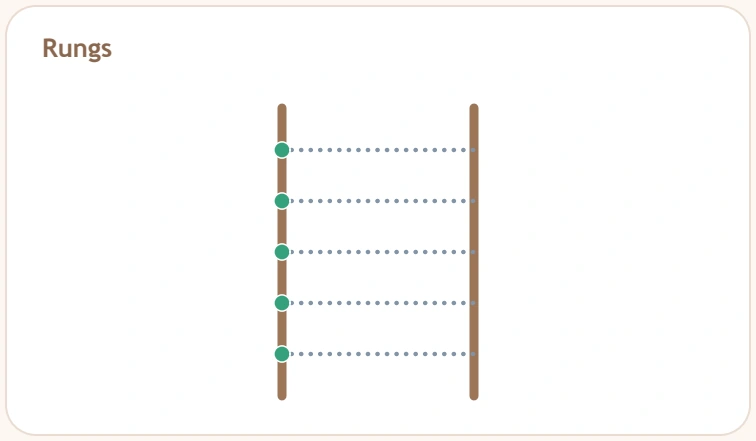
| Rungs | Separate short strokes span the ladder sides. |
Picture Detail Tracing provides different reasons to turn, continue or lift. A roof is not completed by repeating a wheel movement, and the ladder asks for several individual strokes. Read each little picture as a fresh invitation. Picture Detail Tracing becomes more meaningful when the child can connect the kind of mark to the part it makes.
A Picture Detail Tracing roof joins two slants
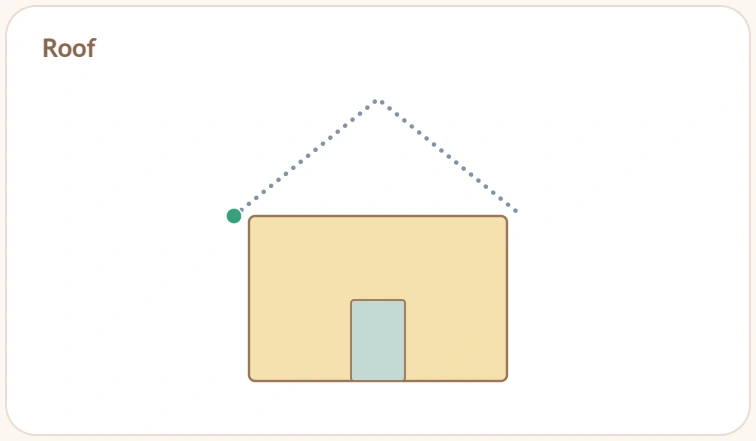
Point to the green beginning on the roof panel and follow the dotted route with your eyes. The two slopes meet at the top and return to the other side of the house. Picture Detail Tracing gives a clear change of direction at that peak. A child can show the meeting point with two hands before drawing it.
If the pencil rounds the peak, describe what happened rather than demanding a sharp point immediately. Picture Detail Tracing offers a chance to notice a turn. The related triangle-tent slant activity can supply another context for discussing meeting lines when the child wants more practice with that particular movement.
Noor chooses a repair that has a purpose
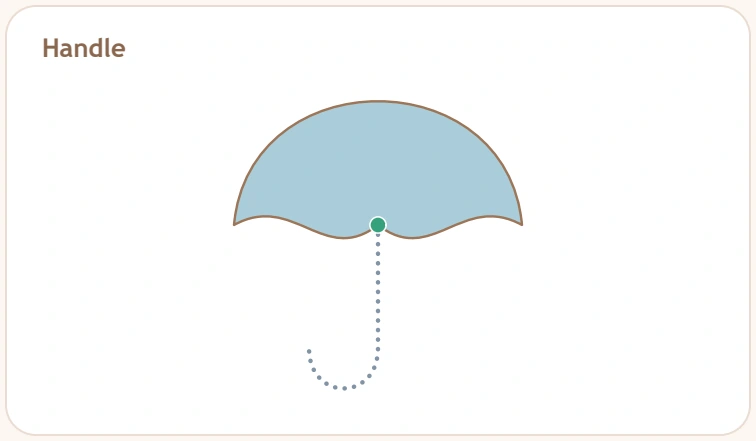
At home, Noor tells her grandmother that the umbrella cannot be held yet. Her grandmother asks which missing part would help. Noor points to the dotted hook. Picture Detail Tracing gives them a concrete word, handle, and a concrete shape to inspect. They make a large hook in the air before Noor tries the printed one.
The hook ends a little early. Instead of redrawing it, Noor checks where the remaining dots go and adds the short continuation she wants. Picture Detail Tracing has become an observation and a decision. Her grandmother asks who might use the umbrella, and a rainy walk story carries the play beyond the page.
Seven things Picture Detail Tracing can reveal
- Part-to-whole thinking: Picture Detail Tracing connects a small addition with a recognisable object.
- Shape comparison: a child can distinguish the roof's slants from a wheel's curved outline.
- Controlled direction changes: the umbrella hook gives a reason to turn while continuing a line.
- Separate starts: Picture Detail Tracing offers several ladder rungs, each needing its own deliberate beginning.
- Picture vocabulary: mast, rungs, handle and roof name useful features instead of generic marks.
- Visual checking: the remaining dots show which part of a chosen detail still needs attention.
- Story ownership: the child can explain what the repaired object can do, giving the pencil work a personal meaning.
Look for these specific observations without treating them as guaranteed outcomes. A child may enjoy naming parts long before wanting to trace every one. That conversation is a legitimate way into the sheet.
Wheels ask for rounded journeys
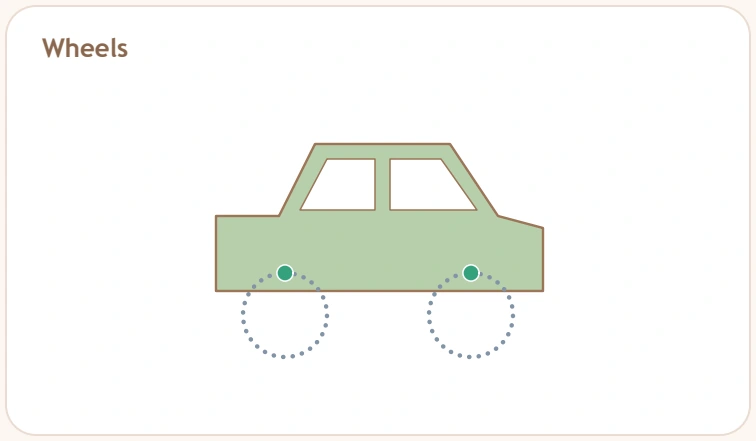
The car panel contains two dotted wheels below a finished green body. Picture Detail Tracing asks the hand to travel around each wheel rather than fill the circle with colour. Show the distinction by pointing around the outside in the air. Keep the actual worksheet available for the child's own attempt.
A wheel that does not quite meet its starting place can prompt a useful comparison: where did the line begin, and where did it stop? Picture Detail Tracing makes that gap visible. For a dedicated closure activity, the bubble-circle sheet offers a related reason to bring a rounded mark back toward its beginning.
Put the chosen Picture Detail Tracing panel within reach
Offer Picture Detail Tracing with enough table space for the child's arm and a sheet that does not slide. Read the selected panel's label together, then let the child find the dotted part. If several pictures compete for attention, temporarily cover the unused panels without covering any of the chosen drawing.
One adult demonstration on separate paper can clarify a movement when requested. Avoid tracing directly over the child's printed route as the demonstration. Picture Detail Tracing is easier to discuss when their own marks remain visible. Let the child choose whether to continue with a second repair or return to play with the finished picture.
A classroom repair counter with spoken orders
At a classroom table, children can take turns requesting a repair: “Please finish the roof,” or “The ladder needs rungs.” Each child keeps an individual Picture Detail Tracing copy. A partner names the part while the drawing child decides how to begin. A teacher can repeat an unfamiliar word without turning the activity into a vocabulary quiz.
After one panel, ask what the new detail changes about the object. Picture Detail Tracing can invite explanations such as a ladder being easier to climb in a pretend story or a kite having a string to hold. Keep these as imaginative picture conversations, without requiring an adult's exact wording as the correct answer.
The ladder calls for several deliberate beginnings
Each dotted rung crosses between the ladder's two sides. Picture Detail Tracing therefore includes repeated short strokes with a lift between them, rather than one continuous scribble down the panel. The green starting points help the child locate a new beginning. Point to just one when several dots look busy.
The distance across the ladder stays a useful reference. Picture Detail Tracing lets the adult ask whether a rung reaches both sides without criticising the whole ladder. A child can count the finished rungs if interested, but counting is an optional conversation here; the printed task concerns tracing the missing picture parts.
Six playful visits for a picture repair worker
Deliver a spoken repair ticket
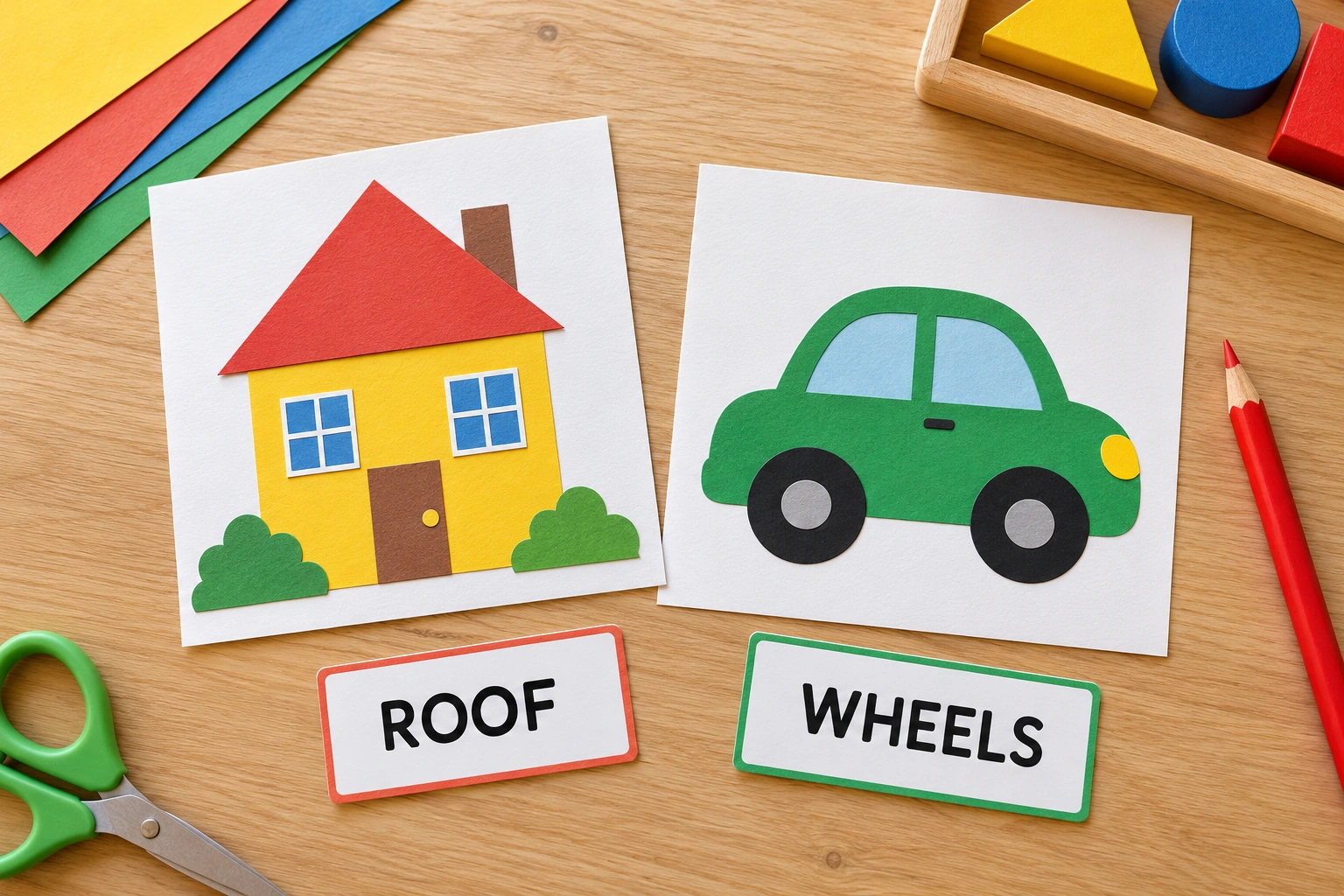
Make a separate finished card labelled ROOF or WHEELS and let a pretend customer deliver it. The worker finds the matching Picture Detail Tracing panel and explains the requested part before picking up a pencil. A spoken ticket works equally well when reading the label would distract from noticing the drawing.
Build a roof with two sticks
Arrange two craft sticks as a peaked roof above a paper house. Move the meeting point and compare what changes. Picture Detail Tracing offers a small drawn version afterward. Keep the sticks on the table, away from faces, and let the child decide when the roof looks ready for its pretend owner.
Trace a hook with a ribbon
Bend a ribbon into an umbrella-handle shape and follow it with a finger. Picture Detail Tracing can then prompt a smaller pencil hook. Discuss the long stretch and the turning end as two parts of the same journey, rather than insisting that the child name a formal shape.
Run a wheel inspector's desk
Offer two completed paper wheels and a toy car. The inspector describes their rounded edges and decides where they belong. Return to Picture Detail Tracing if the child wants to make the two printed wheels. Avoid presenting a freehand craft wheel as the exact size or shape required on the worksheet.
Tell a mast-and-sail story
Look at a picture book boat or a simple finished boat drawing. Name the mast and imagine a calm trip. Picture Detail Tracing includes a mast beside its sail, so the story gives that straight stroke a role. Let the child's invented destination become the interesting part of the conversation.
Create a completed-parts gallery
Display selected finished panels if the child wants to share them. Ask a visitor to name the detail they notice. Picture Detail Tracing can end with one admired repair rather than a full worksheet display. A child's explanation of the chosen part belongs beside the drawing more naturally than a comparison with another child's work.
✎ When tracing becomes decoration instead
Colouring the whole object, adding unrelated details, or drawing beside the dotted route can all be enjoyable art choices, but they answer a different invitation. For Picture Detail Tracing, first clarify the selected missing part. An adult can say follow the dots that make the handle, then leave room for the child to act.
If tracing interest has ended, offer separate paper for decoration. Picture Detail Tracing does not need to compete with a child's new idea. The shape-builder activity provides another distinct comparison of straight and rounded movements when that is the feature the child wants to investigate next.
Choose a manageable repair for ages three to six
Younger preschoolers may prefer the familiar car or a large air movement. Older children may enjoy naming all six parts and comparing their movement differences. Picture Detail Tracing can be adjusted by panel choice, enlargement or adult conversation, without replacing the child's hand movements with an adult-controlled route.
Watch for a comfortable drawing position and a tool that makes the dotted guide easy to see beneath the new mark. Picture Detail Tracing is not a reason to insist on a single sitting or repeated erasing. A tired hand, wandering attention or a clear wish to stop can simply mean it is time for a different kind of play.
Return to Picture Detail Tracing with another customer
Put away the repair shop while it still feels like an invitation. At a later visit, a new pretend customer can ask for another part. Picture Detail Tracing offers six different jobs, so the return can bring a fresh movement and story. Ask which repair the child remembers rather than demanding a more polished version of the last one.
For family ideas beyond this sheet, explore NAEYC's suggestions for everyday writing support or the PBS Parents literacy collection for four-year-olds. Picture Detail Tracing can be one short visit among drawing, pretend labels and conversations about how pictures tell a story.
Keep Picture Detail Tracing ready for printing
The original sample and clean premium file are different download choices. For the premium Picture Detail Tracing edition, use your logged-in membership account and the premium control on this page. A current eligible plan is required for the protected clean download. Save the authorised PDF to your device before opening its printing options.
Picture Detail Tracing's premium page contains no watermark, website domain, website name or printed ads. All six picture panels and their dotted details remain in place. Check that the whole border fits the print preview, then select a suitable paper setting. The twenty-page discovery collection is linked in the native package card if you want the other new concepts together; the child can still begin with a single repair.
Popular Worksheets
Printable resources families and teachers are downloading now.
 Free
 Free
 Free
 Free