
Farm Barn Reasoning: 3 Brilliant Animal Placements
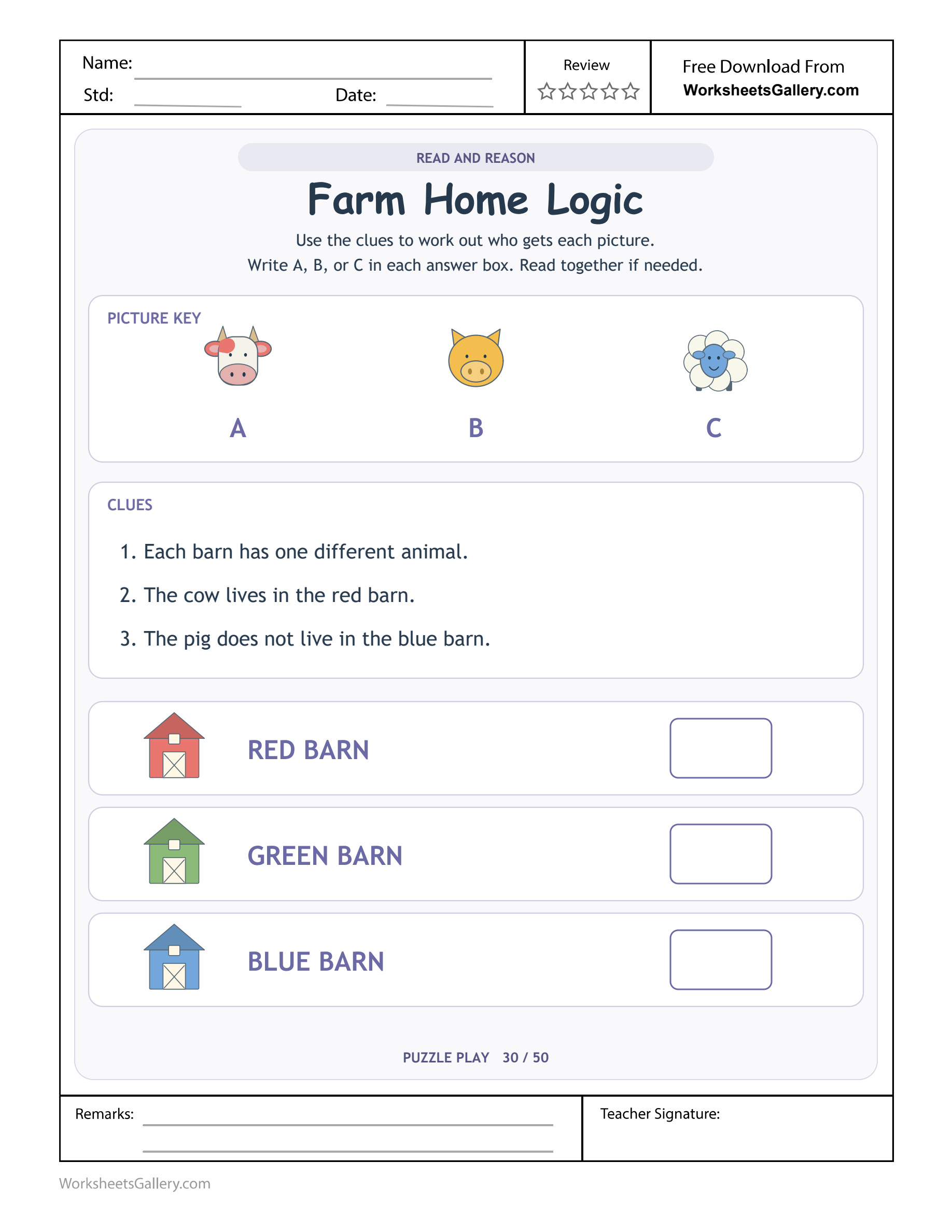
$5 · 25 supplied sheets: Farm Barn Reasoning. Use the fixed cow placement to narrow the pig clue before assigning the final animal.
A cow already has a home, leaving two animals and two uncertain destinations. Farm Barn Reasoning invites children to use that fixed fact before considering a negative clue about the pig. The three coloured barns provide clear locations, while A, B and C record the animal choices. Read the sentences together if needed and move toy animals before filling answer boxes. A child can explain an exclusion by pointing to an occupied barn or a forbidden destination. The final arrangement becomes convincing when all three clues agree with it.
Farm Barn Reasoning: read the actual puzzle
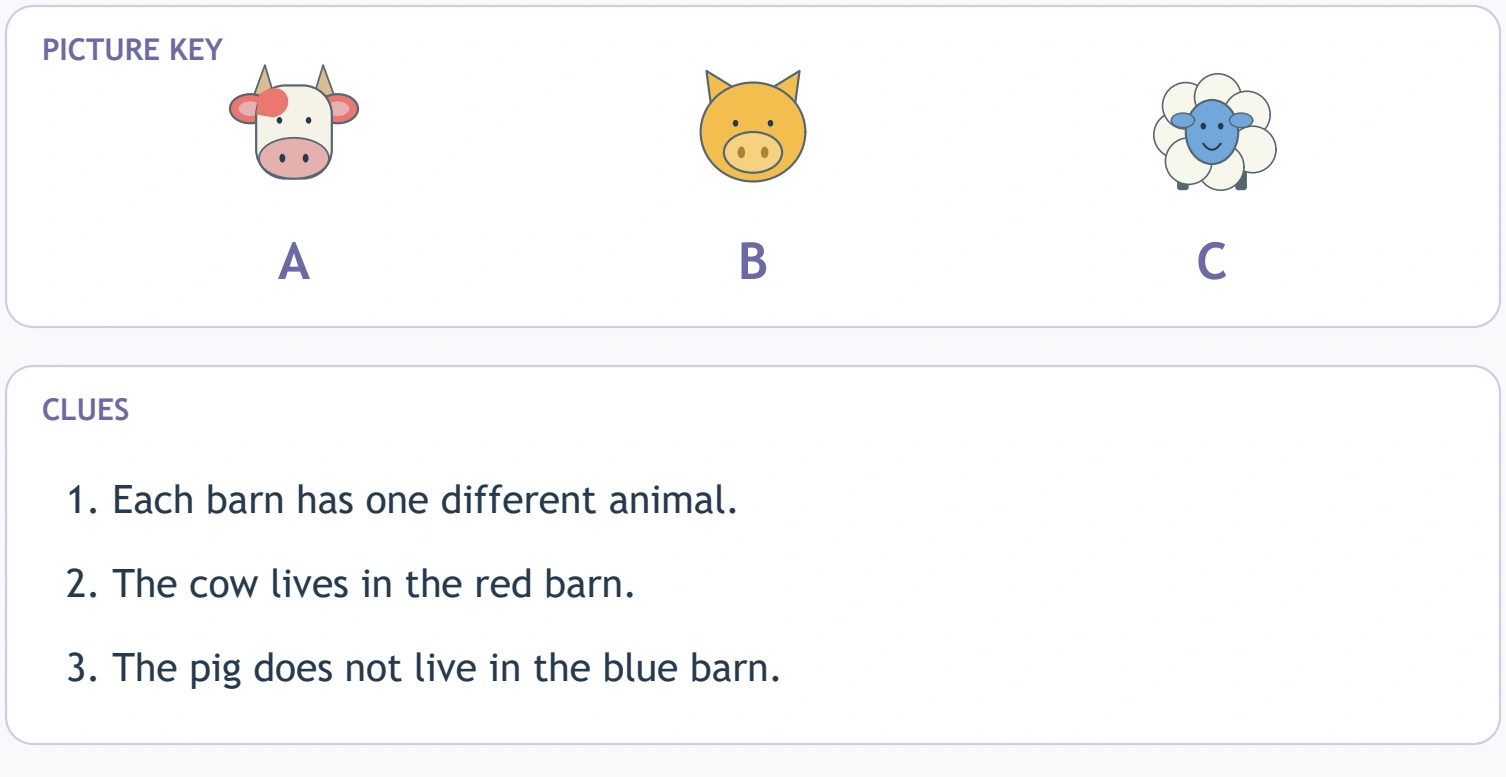
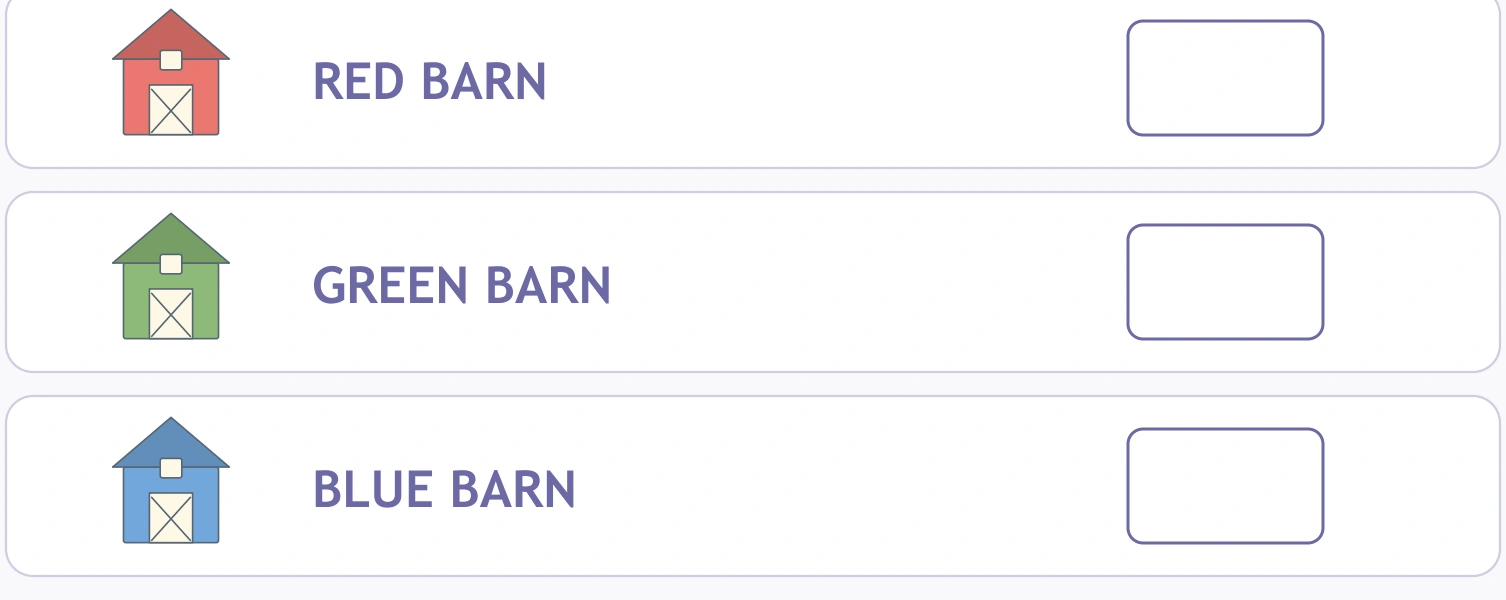
Farm Barn Reasoning: The animal key assigns A to cow, B to pig and C to sheep. Three answer boxes belong to the red, green and blue barns. Translate an animal placement into its key letter only after deciding where that animal belongs.
Each barn houses one different animal. The direct clue settles the cow in the red barn, using the cow once. Barn colours are destinations here, not animal code letters: red does not mean A until the cow clue establishes that relationship.
Pig exclusions deserves a second look
The pig cannot occupy blue, and red already contains the cow. That leaves green for the pig. This is a two-part elimination, so name both reasons instead of jumping straight from the pig clue to a memorised answer.
The sheep then belongs in the remaining blue barn. Review the arrangement from the animals’ point of view and from the barns’ point of view: three different animals, three occupied homes, and no clue contradicted.
Four checkpoints for Farm Barn Reasoning
| Pause here | Inspect this clue |
|---|---|
| Animal key | Name cow, pig and sheep and their exact codes. |
| Cow anchor | Fix the red barn before exploring the uncertain homes. |
| Pig exclusions | Rule out both a forbidden barn and an occupied barn. |
| Remaining home | Check the final animal and the one-each rule. |
Animal key — Noel’s inspection
For Farm Barn Reasoning, ask “Which letter records the sheep?” Name cow, pig and sheep and their exact codes.
Cow anchor — Noel’s inspection
For Farm Barn Reasoning, ask “Which barn is already settled by a clue?” Fix the red barn before exploring the uncertain homes.
Pig exclusions — Noel’s inspection
For Farm Barn Reasoning, ask “Why can the pig use neither red nor blue?” Rule out both a forbidden barn and an occupied barn.
Remaining home — Noel’s inspection
For Farm Barn Reasoning, ask “Does every barn now have a different animal?” Check the final animal and the one-each rule.
Partners explore relational vocabulary
A teacher gives one partner the animal tokens and another the barn signs. They must agree aloud before placing a token. The teacher asks which clue authorised the cow, then which two reasons narrow the pig’s home, keeping the explanations tied to specific evidence.
A Farm Barn Reasoning classroom note can describe using occupied and forbidden destinations as separate reasons. Record the actual cow anchor prompt, too.
Readiness for cow anchor
Offer movable animal pictures and read the clue sentences together. A child can establish an allocation by placing tokens before demonstrating letter formation. Keep the A/B/C key visible during that second recording stage.
Suggested Farm Barn Reasoning range: ages five to seven. Noel’s readiness depends on anchored deduction and interest in cow anchor. Shorten this Farm Barn Reasoning visit when needed.
Another visit through explanatory confidence
Invite a barn inspection on another day: the child checks an adult’s arrangement and explains one contradiction. Being the inspector offers a new social role without needing a longer or faster task.
Revisit Farm Barn Reasoning through remaining home. Recognise explanations about remaining home from Noel.
Distinctions behind pig exclusions
Animal key — the Noel discussion
Elimination is easier to inspect with objects that can wait outside the barns. Once a token is placed, leave it there while discussing another animal. Moving everything at once hides which decision was justified and which is still uncertain.
Cow anchor — the Noel discussion
The sheep’s final home depends on the earlier decisions being sound. Ask the child to explain why that remaining place is available, then reread the clues. A final empty slot is evidence only within a complete arrangement that obeys the stated rules.
Pig exclusions — the Noel discussion
This page uses barn names as locations and letters as recording symbols. An adult can separate those functions with speech: name the home, name the animal, consult the key. That small three-step conversation can prevent several otherwise puzzling writing errors.
Eight closer readings of animal key
Keep destination and code distinct
The barn’s colour names a location, while A, B and C identify animals. Say the home, name the animal and only then consult its code. This short sequence prevents a child from treating the letter as an arbitrary colour label or recording a barn name in a capital-letter box. This Farm Barn Reasoning distinction supports anchored deduction.
Place the cow before guessing
The cow’s red home is directly stated. Establish that fact with a token and keep it visible while discussing the remaining animals. Starting with the clearest evidence reduces the number of uncertain choices, making the later pig exclusion easier to explain without an adult supplying its destination.
Two different reasons to exclude
The pig cannot use blue because a clue forbids it. It cannot use red because the cow already occupies that home and each animal must differ. Name those reasons separately. A child who notices both is combining constraints rather than simply remembering that pig belongs beside a particular colour. This Farm Barn Reasoning distinction supports exclusion combining.
Leave unassigned animals waiting
Give the pig and sheep a waiting space outside the three model barns until their placements are justified. Moving every token repeatedly can hide which facts are settled. A waiting space makes uncertainty acceptable and lets the child focus on the next available inference instead of immediately filling every home.
Test the final sheep placement
The remaining blue barn is appropriate only after the earlier allocations have been checked. Ask which animal is still waiting and which home is genuinely free. Then reread the clues. This turns the final placement into part of a verified arrangement rather than an isolated last-box action. This Farm Barn Reasoning distinction supports code-box accuracy.
Colour resemblance can mislead
A pink pig may invite a child to match it with the red barn by appearance. Acknowledge that visual connection, then compare it with the cow clue. The puzzle’s home assignments follow statements, not colour matching; naming that distinction preserves a sensible observation while correcting the rule being applied.
Use letters as a final record
Once the animal homes are settled, the child can replace tokens with code tickets or written capitals. Check each ticket against the animal key rather than against memory. This separate recording pass also gives an adult clearer information about whether a difficulty concerns reasoning, reference use or forming letters. This Farm Barn Reasoning distinction supports anchored deduction.
Change a rule in a new model
For an extension, invent three new homes and alter one clue, explicitly announcing a new puzzle. Solve it afresh with movable animals. The original page’s final arrangement should not be carried over automatically; testing a changed clue is a useful way to demonstrate that the reasoning depends on evidence.
Five play invitations after cow anchor
Barn inspector with Farm Barn Reasoning
An adult places one animal in a deliberately forbidden home. The child uses the relevant clue to request a move and explains why.
Occupied sign with Farm Barn Reasoning
Add an OCCUPIED card to an assigned home in a separate model. Discuss why another animal must consider the remaining homes.
Animal postal clerk with Farm Barn Reasoning
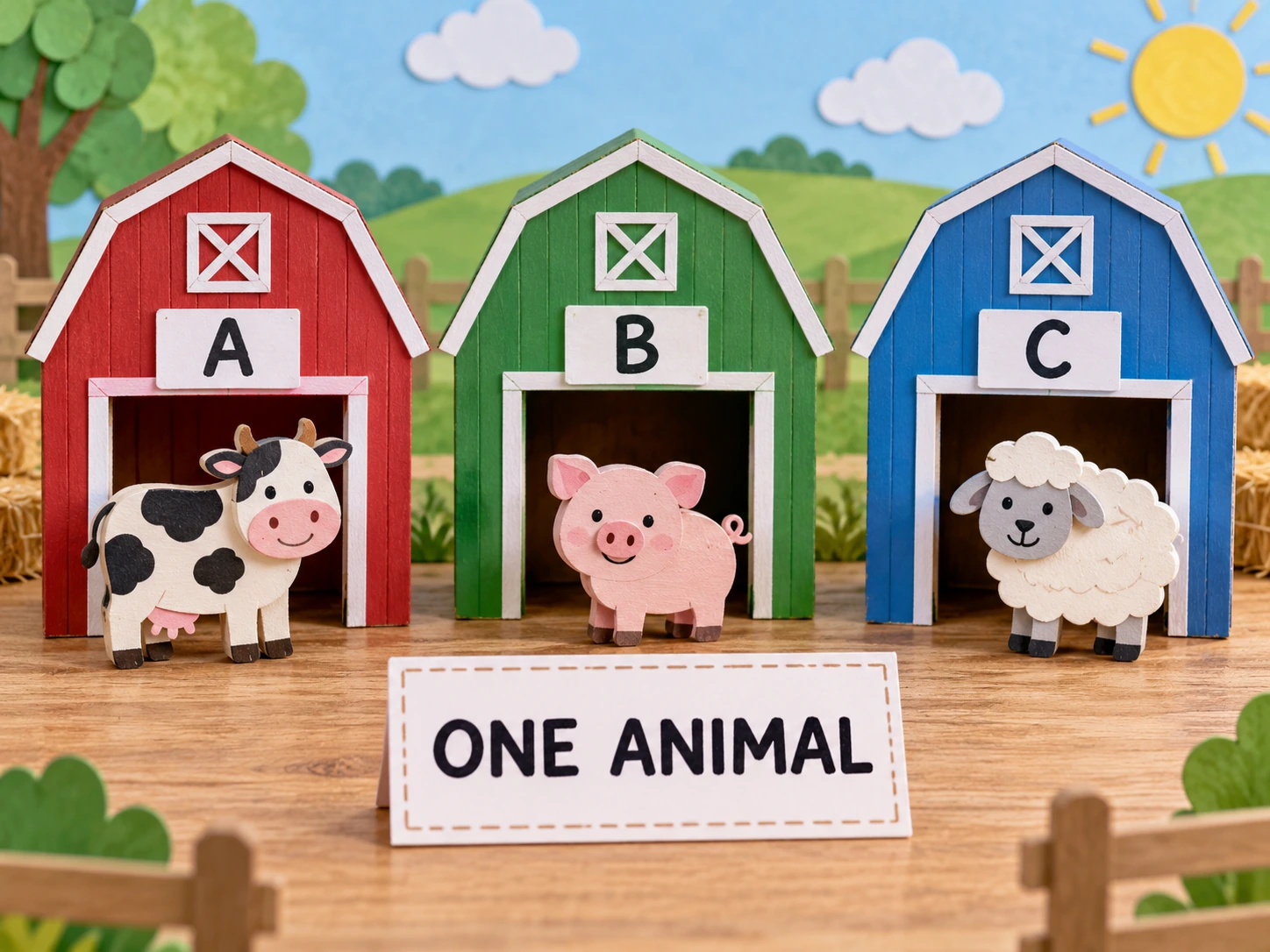
Solve a small allocation with toy animals, then deliver A, B and C tickets to the homes using a visible key.
Change one clue with Farm Barn Reasoning
Invent three fresh coloured homes and alter the forbidden destination. Test the new arrangement rather than transferring answers from the worksheet.
Clue storyteller with Farm Barn Reasoning
Let a child dictate a cow, pig and sheep story with one direct fact and one exclusion. An adult tries to solve it while the child checks consistency.
Imagine Noel investigating at home
Noel builds red, green and blue homes from blocks with his mother. The cow goes into red first. Noel moves a pig toward blue, rereads the negative clue with help and relocates it. The sheep waits outside until a home is genuinely available.
Try “Which letter records the sheep?” during this imagined Farm Barn Reasoning visit. Let Noel explain animal key before recording.
Six observations from animal key
Anchored deduction — animal key
Farm Barn Reasoning invites starting from a stated fact to reduce the remaining possibilities. Notice Noel’s anchored deduction explanation: “Which letter records the sheep?”
Relational vocabulary — cow anchor
Farm Barn Reasoning invites linking an animal, a barn colour and a code without confusing them. Notice Noel’s relational vocabulary explanation: “Which barn is already settled by a clue?”
Exclusion combining — pig exclusions
Farm Barn Reasoning invites using occupied and forbidden destinations as separate reasons. Notice Noel’s exclusion combining explanation: “Why can the pig use neither red nor blue?”
Consistent assignment — remaining home
Farm Barn Reasoning invites keeping each animal in only one of the three homes. Notice Noel’s consistent assignment explanation: “Does every barn now have a different animal?”
Code-box accuracy — animal key
Farm Barn Reasoning invites placing A, B or C beside the intended barn label. Notice Noel’s code-box accuracy explanation: “Which letter records the sheep?”
Explanatory confidence — cow anchor
Farm Barn Reasoning invites showing why the remaining home is necessary rather than guessing. Notice Noel’s explanatory confidence explanation: “Which barn is already settled by a clue?”
Revisit the pig exclusions difficulty
Associating red with pig because pigs are often drawn pink bypasses the clues. Name the printed destination rule, not a colour resemblance. Another common slip is assigning an animal correctly but copying the barn’s colour name into a box that asks for A, B or C.
Return to Farm Barn Reasoning evidence by asking “Why can the pig use neither red nor blue?” Separate pencil execution from Noel’s animal key reasoning.
Save and print Farm Barn Reasoning
Choose the original barn sample for inspection or obtain the clean Farm Barn Reasoning PDF through eligible active membership access. The premium file removes the website watermark and domain and carries no embedded advertising. After saving it, preview the entire portrait page so the animal key, negative clue and coloured barn rows all print within the paper margins.
Other choices beyond anchored deduction
For Farm Barn Reasoning, the saved catalog suggests road-following after farm barn reasoning; aiming-and-stopping after farm barn reasoning; picture-recipe drawing after farm barn reasoning. Read each linked activity’s rule with Noel; its animal key response may differ.
For Noel, browse NAEYC writing ideas alongside farm barn reasoning or PBS Parents activities beyond farm barn reasoning. Watch anchored deduction with exclusion combining, then revisit animal key.
Popular Worksheets
Printable resources families and teachers are downloading now.
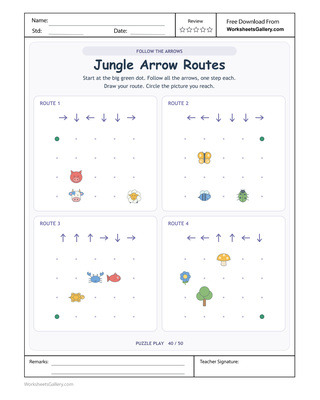 Free
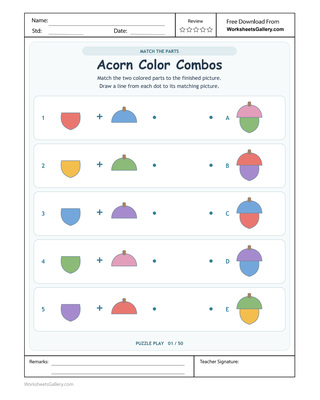 Free
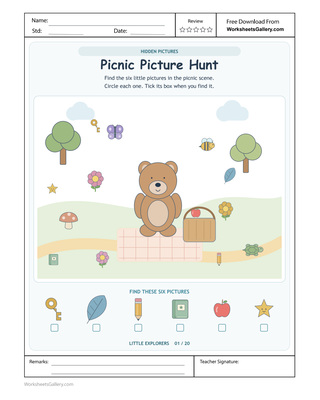 Free
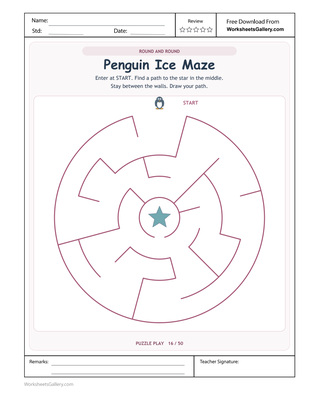 Free