
Park Grid References: 6 Brilliant Picture Addresses
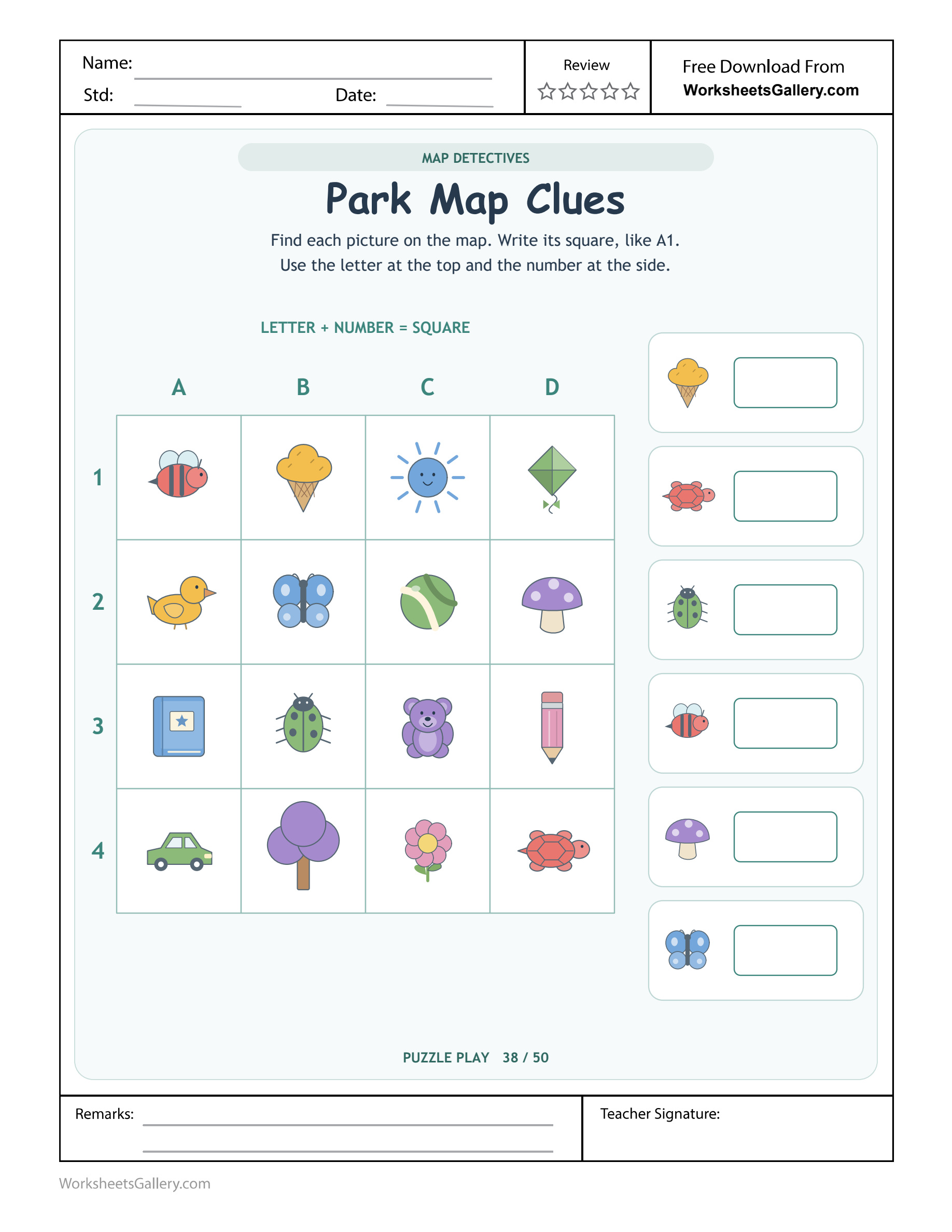
$5 · 25 supplied sheets: Park Grid References. Find a pictured target first, then read both grid labels without swapping their order.
The park grid offers a small lesson in giving precise information. Park Grid References asks for six picture addresses, using column letters A-D and row numbers one-four. Children first match a target picture, then combine the two labels that meet at its square. An adult can read a picture name or hold a place while the child checks the headings. Record the letter before the number so another reader can follow the same convention. Each completed ticket becomes a practical test: does its address lead a partner to the intended park picture?
Park Grid References: read the actual puzzle
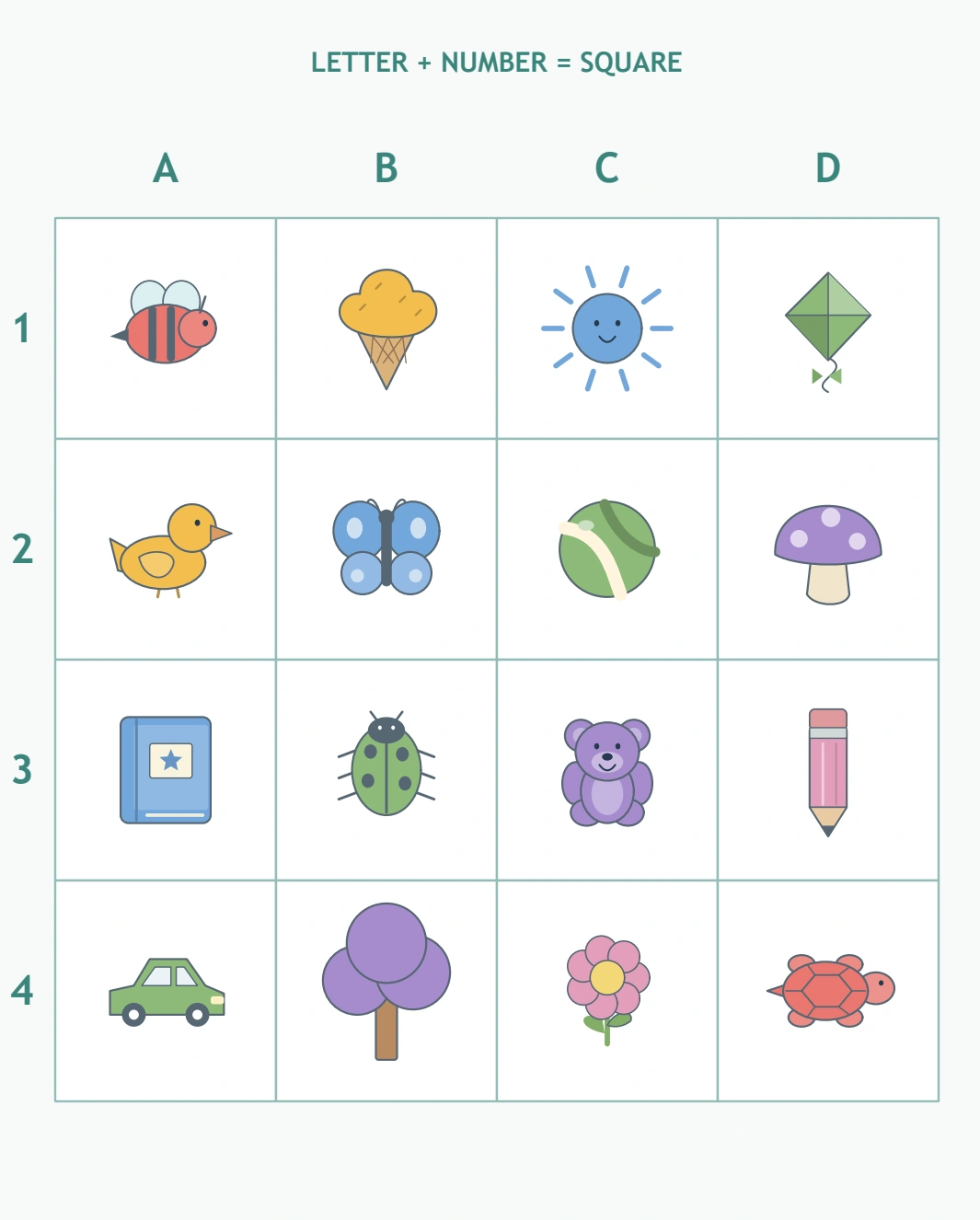
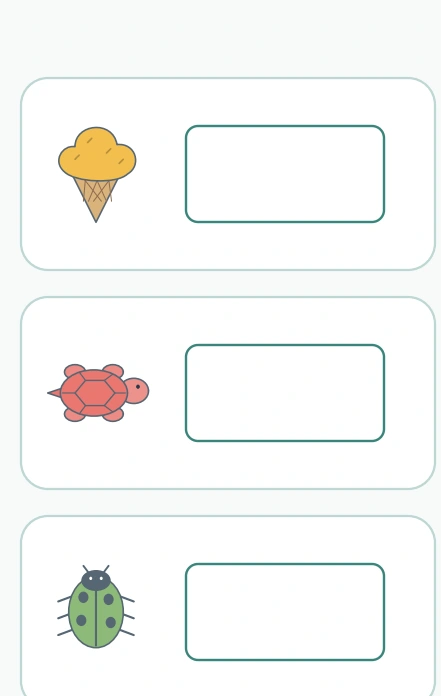
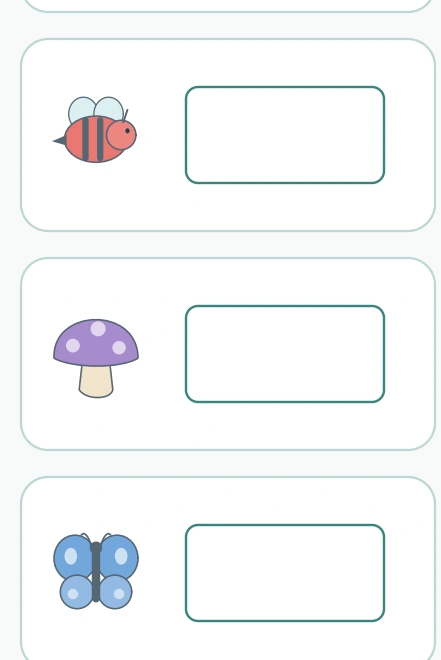
Park Grid References: Six targets sit beside the map: ice cream, turtle, ladybug, bee, mushroom and butterfly. The grid itself contains sixteen pictures. A target card identifies what to find; its response box records where that picture is located.
Read column letters from the top and row numbers from the side. The butterfly occupies B2, for example. Its colour is useful for recognising the picture, but colour is not one of the two symbols required in the address.
Number heading deserves a second look
The task combines two directions of inspection without asking the child to draw either line. Trace up to the letter and across to the row number with a finger, then place the two symbols together in the target’s answer box.
Letter-number order remains stable even for pictures in different corners. A1 names a square in the first column and first row; it is not the first step of a journey. Each address stands independently for its own location.
Imagine Otis investigating at home
Otis’s aunt hands him a pretend park ticket for a butterfly. Otis finds the picture, then keeps one finger there while another follows its column upward. They say B and two before making the combined reference on the page.
Try “Which grid object is this ticket asking about?” during this imagined Park Grid References visit. Let Otis explain park target before recording.
Another visit through reader awareness
Ask the child to invent a park-information question for an adult using one of the map’s other pictures. A successful address gives the child a useful expert role.
Revisit Park Grid References through ticket verification. Recognise explanations about ticket verification from Otis.
Readiness for letter heading
Use a broad pointing gesture along a row when finger precision is difficult. An adult can record a spoken address, keeping the child responsible for selecting both of its labels.
Suggested Park Grid References range: ages five to seven. Otis’s readiness depends on precise location language and interest in letter heading. Shorten this Park Grid References visit when needed.
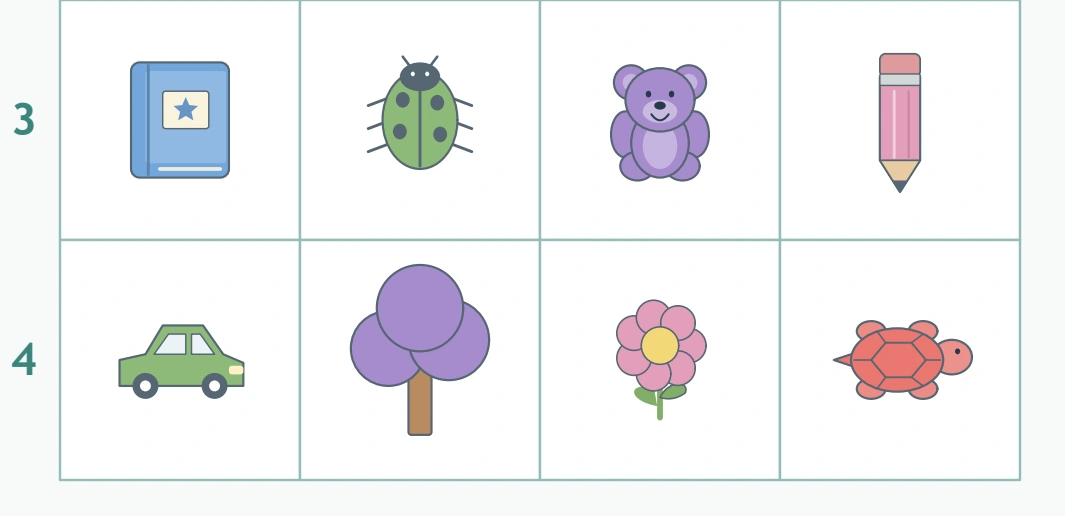
Four checkpoints for Park Grid References
| Pause here | Inspect this clue |
|---|---|
| Park target | Match the full target picture rather than a shared colour. |
| Letter heading | Look to the top of the target’s column. |
| Number heading | Keep the target’s horizontal row while checking the side. |
| Ticket verification | Use the finished reference to find the location again. |
Park target — Otis’s inspection
For Park Grid References, ask “Which grid object is this ticket asking about?” Match the full target picture rather than a shared colour.
Letter heading — Otis’s inspection
For Park Grid References, ask “What letter names this vertical strip?” Look to the top of the target’s column.
Number heading — Otis’s inspection
For Park Grid References, ask “Which side number is level with this picture?” Keep the target’s horizontal row while checking the side.
Ticket verification — Otis’s inspection
For Park Grid References, ask “Does this ticket return us to the intended picture?” Use the finished reference to find the location again.
Six observations from park target
Precise location language — park target
Park Grid References invites describing a position with two agreed labels. Notice Otis’s precise location language explanation: “Which grid object is this ticket asking about?”
Horizontal tracking — letter heading
Park Grid References invites holding one row while reading its number at the edge. Notice Otis’s horizontal tracking explanation: “What letter names this vertical strip?”
Vertical tracking — number heading
Park Grid References invites following a column to its capital-letter heading. Notice Otis’s vertical tracking explanation: “Which side number is level with this picture?”
Picture matching — ticket verification
Park Grid References invites finding a target among several similar friendly illustrations. Notice Otis’s picture matching explanation: “Does this ticket return us to the intended picture?”
Compact writing — park target
Park Grid References invites recording one capital and one numeral in a response box. Notice Otis’s compact writing explanation: “Which grid object is this ticket asking about?”
Reader awareness — letter heading
Park Grid References invites checking whether a written address communicates the intended square. Notice Otis’s reader awareness explanation: “What letter names this vertical strip?”
Five play invitations after letter heading
Park information desk with Park Grid References
Offer a small labelled model grid and have one player request an object while another supplies its complete address.
Column visitor with Park Grid References
Give a letter-only ticket, discuss its several possibilities and add a number to select one destination.
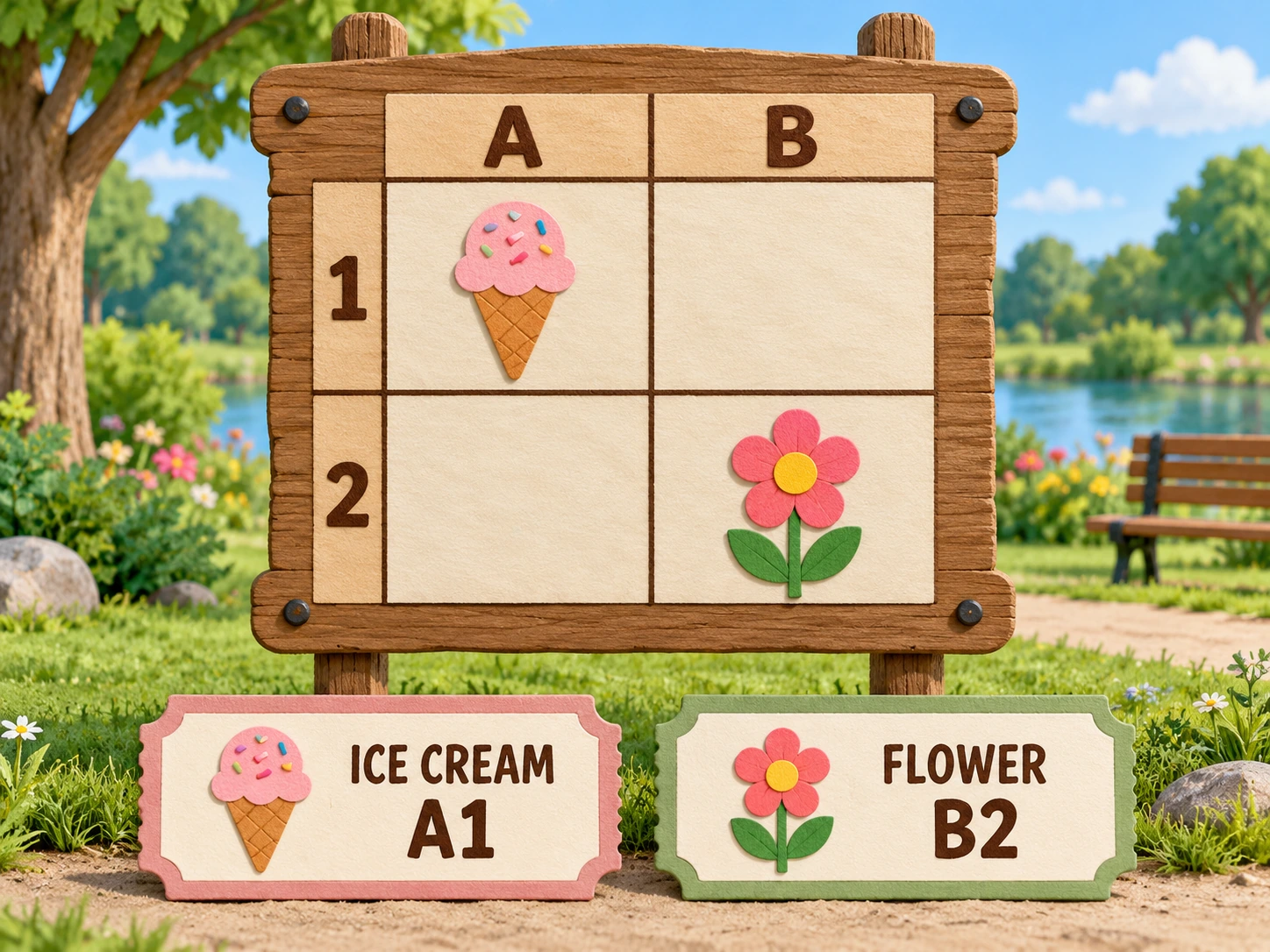
Address read-back with Park Grid References
After writing a location, let a partner read it back and point without seeing the original request.
Picture move notice with Park Grid References
Move a toy to a different row on a homemade map. Decide which part of its old address must change.
Two-finger finder with Park Grid References
Keep one finger at a target while another checks its headings, then exchange the two jobs with a partner.
Revisit the number heading difficulty
A child may copy a row number from a nearby target rather than the chosen square. Hold the current picture’s place and retrace its row. Likewise, sharing a colour with another icon does not make it the same target object.
Return to Park Grid References evidence by asking “Which side number is level with this picture?” Separate pencil execution from Otis’s park target reasoning.
Partners explore horizontal tracking
A classroom park-information desk pairs an address writer with a visitor. The visitor uses one finished ticket to locate a picture, then explains which letter and number were followed. Children reverse roles so writing and reading the addresses both receive attention.
A Park Grid References classroom note can describe following a column to its capital-letter heading. Record the actual letter heading prompt, too.
Eight closer readings of park target
A ticket must identify one destination
A letter-only park ticket leaves several possible pictures. Show that ambiguity on the grid before adding its row number. The complete letter-number pair then becomes useful information for a visitor. This small role-play gives a reason to record both components instead of merely copying two symbols because an adult requested them. This Park Grid References distinction supports precise location language.
Targets and map pictures have different jobs
The six pictures beside the grid are requests for locations, while the sixteen pictures inside the grid occupy those locations. Point to one target and its map counterpart. This correspondence prevents the child from trying to address the small prompt icon itself or count it as an additional map square.
Column headings apply downward
Choose two map pictures within the same column and inspect their shared letter heading. Their row numbers differ, so the whole references are not identical. This comparison clarifies how one label can apply to several positions while another label distinguishes the individual square being requested. This Park Grid References distinction supports vertical tracking.
A familiar name is enough to begin
Accept a recognisable everyday name for a pictured target before discussing its location. An adult may supply the printed-theme vocabulary conversationally. The spatial decision depends on matching the object and reading its headings, not producing one preferred noun before a reference can be considered.
Keep the current picture visible
A finger resting at the selected picture can preserve its location while the child checks a heading. Without that anchor, looking up and sideways may lead into a neighbouring square. Move the finger only after the complete reference has been said and associated with the intended target ticket. This Park Grid References distinction supports compact writing.
Record an address, not a colour
Colours help recognise the ice cream, turtle or butterfly, but the response uses a capital and a numeral. Ask the child to name the relevant column and row explicitly. This distinguishes helpful picture descriptions from the compact address the answer box is intended to hold.
Read back the completed reference
Have a partner use the written ticket to return to the grid. The read-back checks whether the recorded symbols communicate the child’s intended location. A correct spoken reference paired with a mistaken written symbol calls for recording support, not necessarily another explanation of the full map convention. This Park Grid References distinction supports precise location language.
Move a picture in a new model
In a separate small labelled grid, move a toy to a different row but retain its column. Ask which part of its address must change. The same demonstration can later alter a column only, making the two reference components meaningful through a visible change rather than a memorised formula.
Distinctions behind number heading
Park target — the Otis discussion
An address can stay correct even when the child uses a different everyday name for a recognisable picture. Agree on the target object before discussing its reference. That keeps vocabulary variation from being mistaken for a location error.
Letter heading — the Otis discussion
The upper letters identify columns, not individual pictures at the top edge. A letter applies to every square below it. Demonstrating two targets in one column makes that shared label meaningful without asking for an abstract definition.
Number heading — the Otis discussion
Use the completed ticket as evidence. If a visitor lands on the wrong picture, compare the column first and the row second. Changing only the incorrect component can preserve the part of the reference the child already understood.
Save and print Park Grid References
A clean Park Grid References sheet is supplied through the premium member control. Sign-in and an eligible active plan are required. This PDF has the park labels and six tickets intact, with domain text, website watermark and advertising absent. The original-upload sample is separate. Inspect A-D headings and all row numbers within the saved portrait print preview.
Other choices beyond precise location language
For Park Grid References, the saved catalog suggests road-following after park grid references; aiming-and-stopping after park grid references; picture-recipe drawing after park grid references. Read each linked activity’s rule with Otis; its park target response may differ.
For Otis, browse NAEYC writing ideas alongside park grid references or PBS Parents activities beyond park grid references. Watch precise location language with vertical tracking, then revisit park target.
Popular Worksheets
Printable resources families and teachers are downloading now.
 Free
 Free
 Free
 Free